16 Creative Campaign Photography Ideas for Inclusive UK Campaigns
This is a working idea bank: 16 creative campaign photography concepts, with execution notes you can hand straight to a photographer, plus the briefing steps and UK legal checklist that turn an idea into a shoot. It is built for marketers, creative leads and brand teams who need inspiration and a practical next move, not just a mood board.
TL;DR:
- Build a one paragraph brief around one objective, audience, creative idea, and success measure, then test two or three concept stills before booking the full shoot.
- Plan every concept for vertical placement first; a vertical hero can be cropped for square or landscape use, but the reverse often fails.
- A booking lasting two hours suits a single location portrait set or small product range, while full days support multiple locations or larger casts.
- Specify territory, duration, paid media, editing, and sublicensing rights in writing; paying the photographer or subject transfers neither copyright nor likeness permissions automatically.
- Cast people in roles that reflect their real lives, and involve those represented in shaping the campaign rather than using identity as decoration.
Table of Contents
- 1. Sixteen creative campaign photography ideas worth briefing
- 2. How do you brief a photographer for a campaign shoot?
- 3. Model releases, copyright and usage rights explained simply
- 4. How Queer.Photo turns a brief into a finished campaign
- 5. Using queer culture and identity authentically in campaign imagery
- 6. Book Queer.Photo for your next campaign shoot
- FAQ
- Sources
1. Sixteen creative campaign photography ideas worth briefing
Each concept below comes with the props, lighting and talent cues to get you started, and the assets worth asking for when you book the shoot.
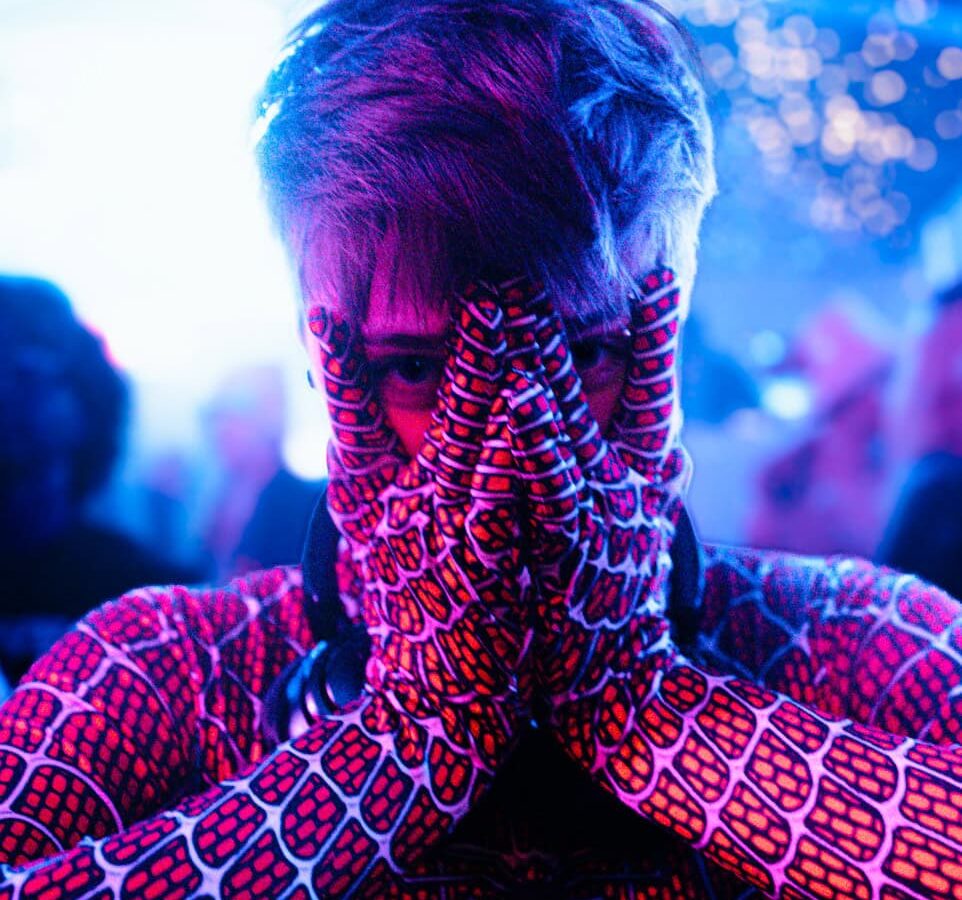
- The quiet hour portrait. A single subject photographed in natural light before a space fills with people. Use window light only, a handheld reflector, and a subject who is comfortable being still. Deliver one hero vertical and a horizontal cutdown for web banners.
- Behind-the-counter documentary. Follow a real team member through an ordinary shift rather than staging a “day in the life.” Shoot handheld, available light, no direction beyond “keep working.” Assets: a six-image gallery plus two verticals for Stories.
- The object that matters. One product or tool photographed the way its owner actually holds it, worn or weathered. Macro lens, soft directional light, props limited to what’s genuinely used. Deliver a hero still and three detail crops.
- Split-identity diptych. Two frames of the same person, one formal and one relaxed, shown side by side to tell a fuller story than either alone. Consistent background, same lens, talent briefed to hold two distinct postures. Hero pairing plus square crops for feed posts.
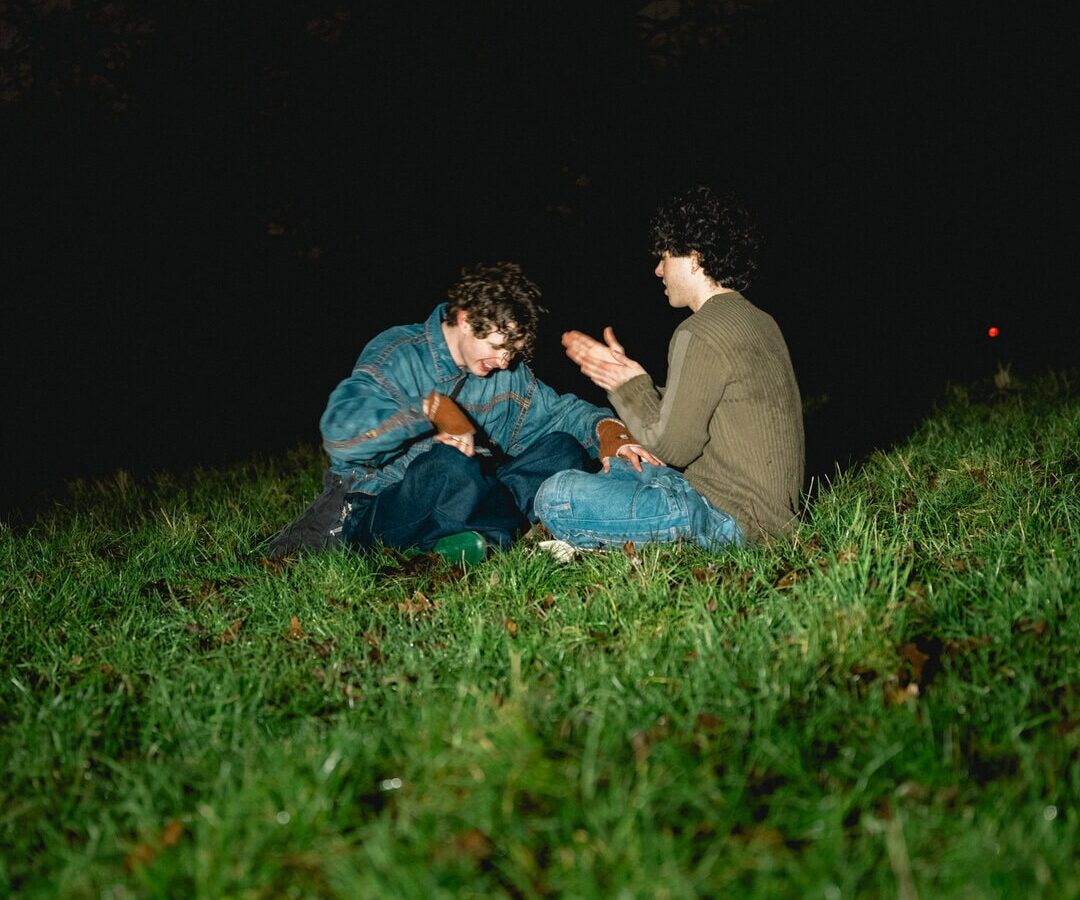
- Community table. A group shot built around a shared meal or activity rather than a posed line-up. Wide lens, ambient light, casting that reflects who actually shows up. Hero wide shot, candid mid-shots, vertical crop for social.
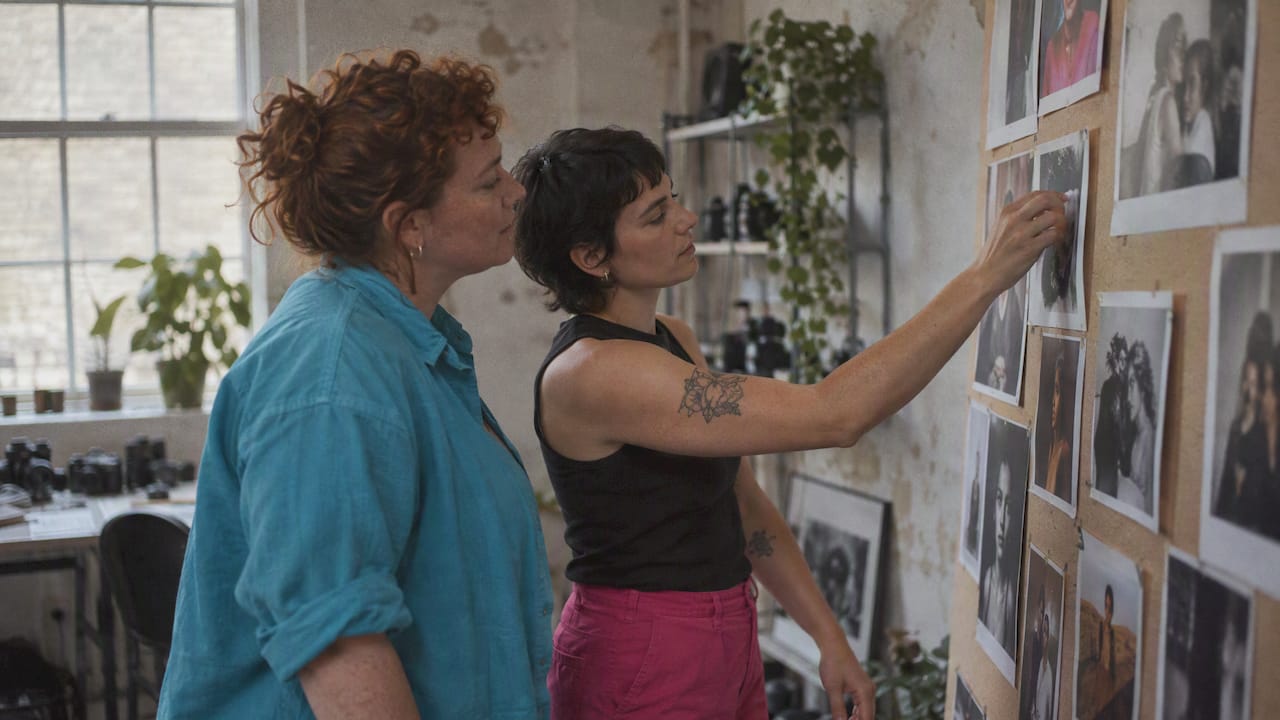
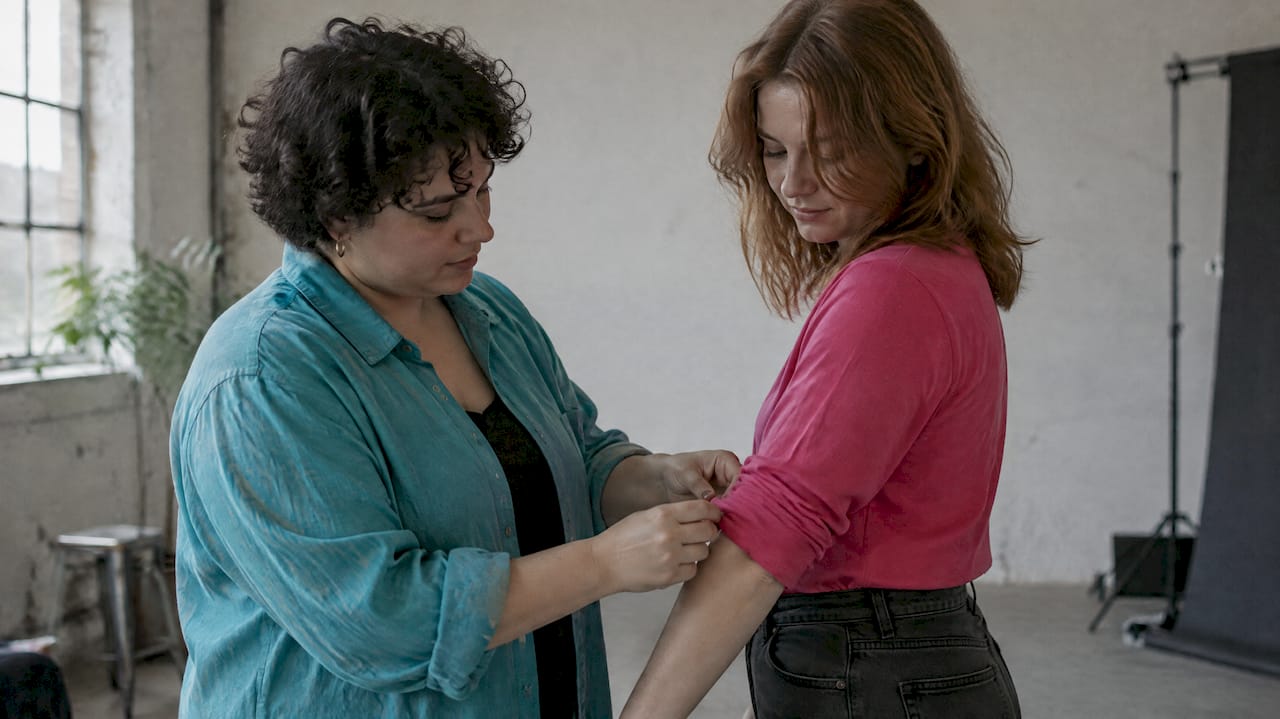
- The unseen labour shot. Photograph the preparation most campaigns skip: the fitting, the rehearsal, the set-up. Available light, documentary framing, minimal direction. One strong hero and a short behind-the-scenes set for owned channels.
- Colour-led through-line. Choose one recurring colour or prop to thread through every scene so a multi-image campaign reads as one story rather than a scattershot series. Briefed wardrobe and props in advance, consistent grading. Hero, three story stills, one vertical cutdown.
- Honest angles series. Portraits shot slightly off the expected axis (not dead-centre, not perfectly symmetrical) so they feel observed rather than posed. Natural light, 50mm or equivalent, talent briefed to move rather than hold a pose. Deliver a gallery of six to eight.
- Generational pairing. Two people from different life stages photographed together around a shared theme (craft, home, trade). Soft window light, minimal props, genuine relationship between subjects. Hero and two supporting stills.
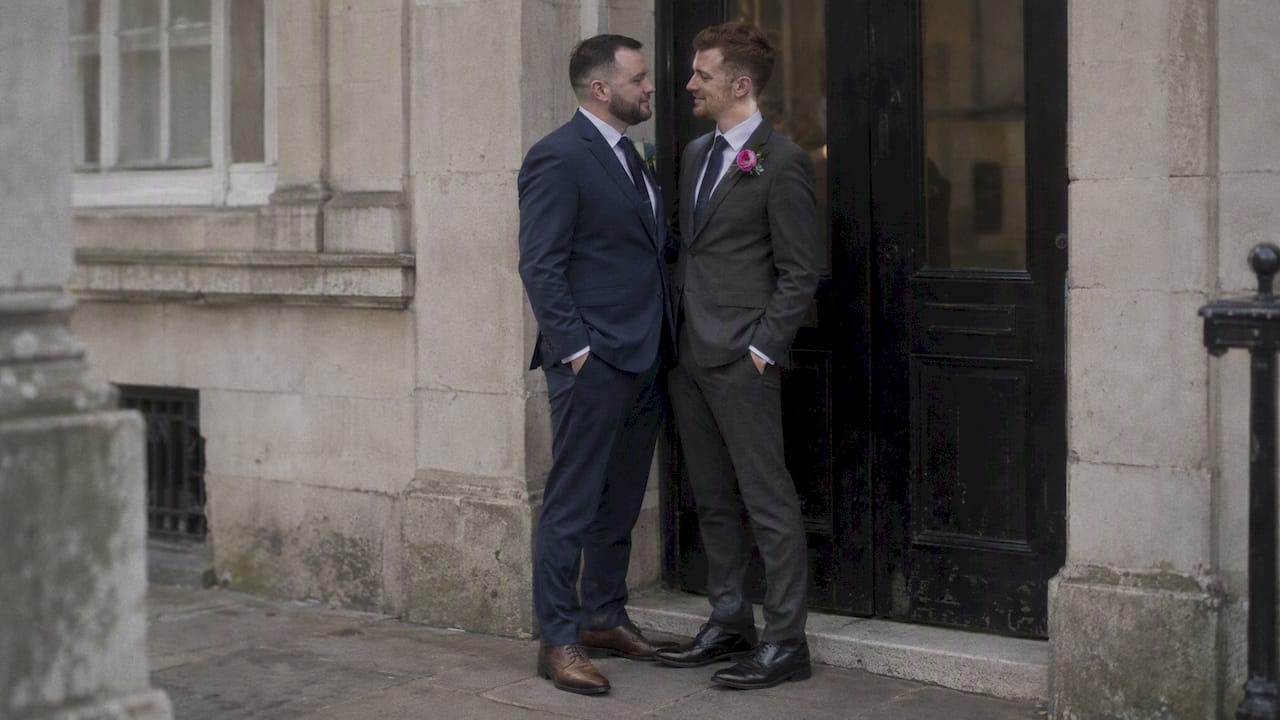
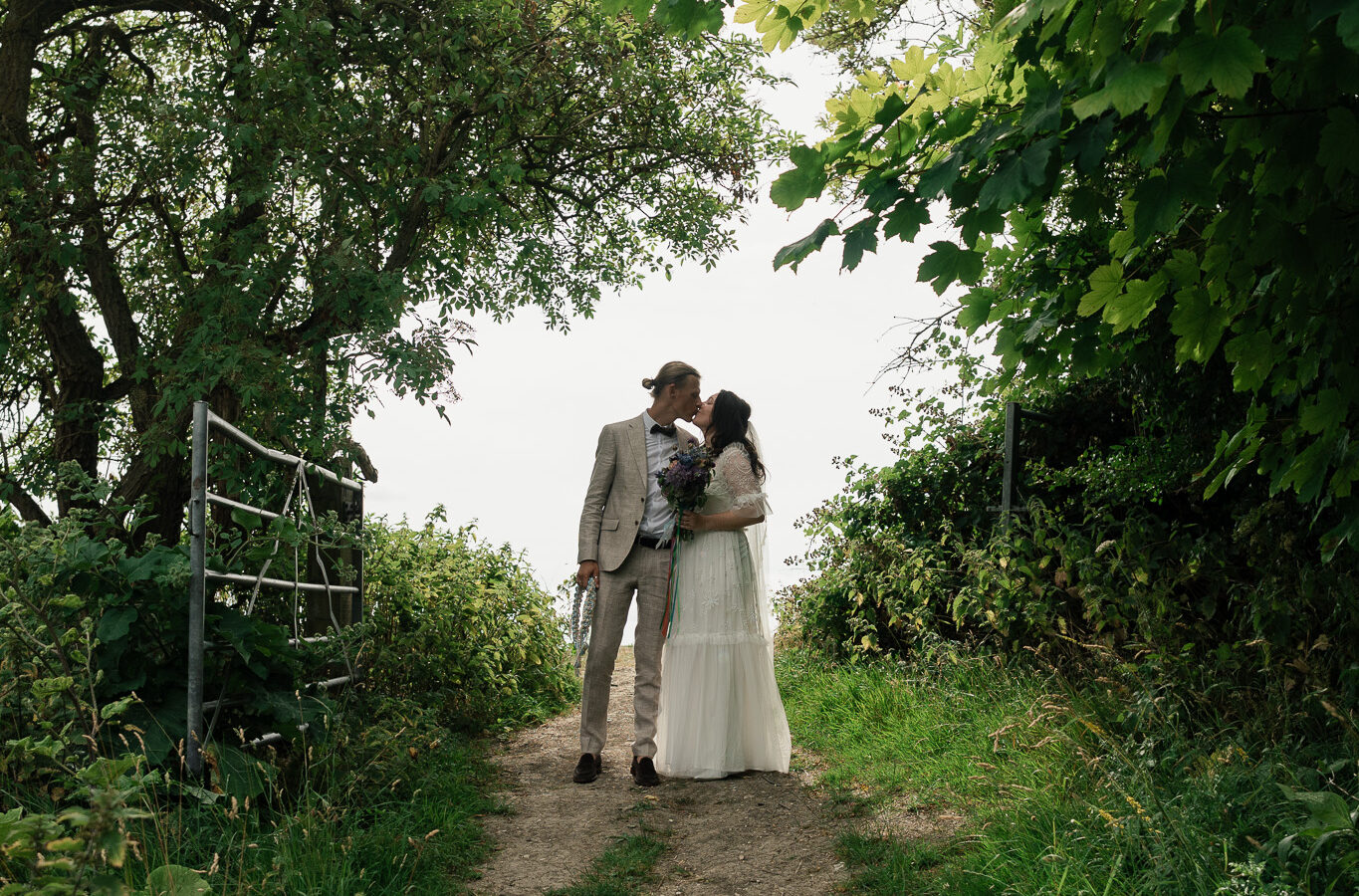
- The welcome shot. A doorway, threshold or entrance moment that signals inclusion without stating it outright. Natural light, subject looking toward camera, warm tones. Hero vertical for out-of-home or social.
- Process-to-product sequence. A three-frame sequence showing raw material, hands at work, and finished product. Consistent lighting rig across all three, tripod for alignment. Deliver as a triptych and as three standalone verticals.
- Found-light portrait day. A single location visited across the day to capture the same subject in changing natural light. No artificial lighting kit, just patience and a call sheet built around golden hour. Several heroes from one setup.
- The pronoun-forward introduction card. A simple portrait paired with a name and pronoun caption, shot consistently across a cast of subjects for a campaign series. Flat, even lighting for consistency, same backdrop for every subject. Deliver as a matched set.
- Vignette campaign with one device. Several short scenes unified by one recurring element, a colour, a piece of music referenced in styling, or a repeated prop, so the set reads as a single idea rather than a grab-bag. Plan the device before the shoot day. Hero plus four supporting vignette stills.
- The real customer takeover. Photograph an actual client or customer using the product in their own space rather than a studio reshoot. Available light, minimal crew, genuine environment. One hero, two lifestyle shots, one vertical.
- Text-as-image overlay set. Clean, simple portraits shot with negative space reserved for campaign copy. Flat lighting, subject off-centre, briefed framing for copy placement. Deliver flattened and layered versions for the design team.
Story-led creative consistently outperforms other styles on awareness, clarity and consideration, and pairing narrative with a clear product cue keeps that clarity intact across age groups, according to a 2025 IAB UK whitepaper. That’s worth holding onto when you’re tempted to strip the narrative out for the sake of a cleaner product shot.
Pro Tip: Plan every concept vertical-first. A hero shot that works at 9:16 will always crop down to square or landscape, but the reverse rarely holds true for social-first placements.
2. How do you brief a photographer for a campaign shoot?
A tight brief saves everyone time on the day and avoids the most common cause of reshoots: an idea that sounded clear in the meeting but meant different things to different people.
Start with a one-paragraph brief covering four things: the objective (awareness, launch, always-on content), the audience, the single creative idea you’re shooting (not three competing ones), and how you’ll judge success, whether that’s engagement, click-through or simple stakeholder sign-off.
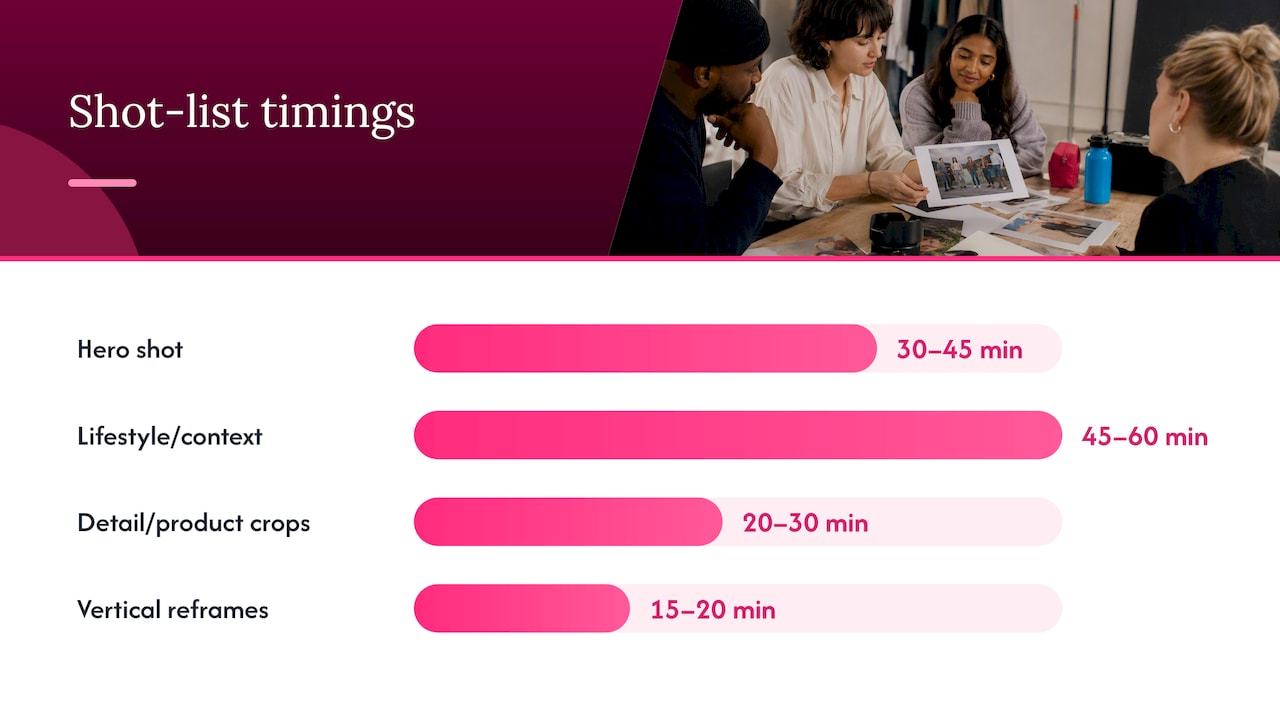
From there, build a shot list with timing attached:
- Hero shot (30 to 45 minutes, including test polaroids and lighting checks).
- Lifestyle or context shots (45 minutes to an hour, allowing for movement and natural moments).
- Detail and product crops (20 to 30 minutes, often squeezed in between setups).
- Vertical-specific reframes or dedicated vertical captures (15 to 20 minutes at the end, once the team knows what’s working).
What you can realistically get from a booking varies: a two-hour session suits a single-location portrait set or a small product range; a half day covers one location with a wardrobe or light change; a full day allows multiple locations or a cast of several people with proper breaks.
Before the shoot, it’s worth running a simple pre-flight check: show two or three concept stills to a small internal group and ask what they notice first and what they’d remember a day later. Brands investing in formal creative-data platforms use exactly this kind of early testing to identify which assets are worth scaling before the full budget is committed, as reported by Digiday on Boots’ creative measurement work.
Pro Tip: Ask for one alternative crop or narrative still alongside every hero image. It costs little on the day and gives you a second option to test before you commit media spend.
3. Model releases, copyright and usage rights explained simply
Two separate permissions sit behind every commercial photograph: a model release, which covers a person’s consent to appear and how their likeness can be used, and copyright, which belongs to the photographer unless it’s assigned in writing. Paying someone to shoot or appear in your campaign does not automatically transfer either right.
Before you sign off a shoot, check your paperwork covers:
- Territory and duration of use (web only, or paid out-of-home too, and for how long).
- Whether paid social and paid media are included, not just organic posting.
- Rights to edit, crop or recolour the image later.
- Whether you can sublicence the image to a third party, such as a retail partner.
- Special care for children, recognisable public figures, or visible trademarks and branding in frame, where extra consent or clearance may apply.
A properly completed model release covers consent and usage in one document and protects both the subject and the photographer when it’s used correctly, a point the Royal Photographic Society’s own guidance makes clearly. We also keep a UK model release checklist for anyone briefing their own shoot.
4. How Queer.Photo turns a brief into a finished campaign
We match clients with vetted queer photographers within 24 hours, which means a campaign idea can go from brief to booked shoot in days rather than weeks. Every photographer on our roster is personally represented, not just listed, and every shoot respects pronouns and personal boundaries from the first call.
On set, that translates into small practical habits:
- Casting conversations happen before the shoot, not on the day, so nobody is guessing at a subject’s comfort level.
- Pronouns are confirmed and used consistently by the whole crew, including anyone assisting.
- Edits are turned around on a same-week basis, so campaign deadlines don’t stall on post-production.
For campaigns built around inclusive casting or Pride-season visibility, our Pride campaign photography work follows the same matching process: brief first, photographer second, authenticity throughout.
5. Using queer culture and identity authentically in campaign imagery
Authentic representation reads differently to audiences than representation added as decoration, and the difference usually comes down to whether the imagery is tied to a real role or voice rather than a token appearance. Ipsos analysis of inclusive advertising found that representation lands better when it’s anchored to a genuine brand truth and shaped with input from the people being represented, rather than inserted to tick a box, as set out in Ipsos’s work on inclusive campaign effectiveness.
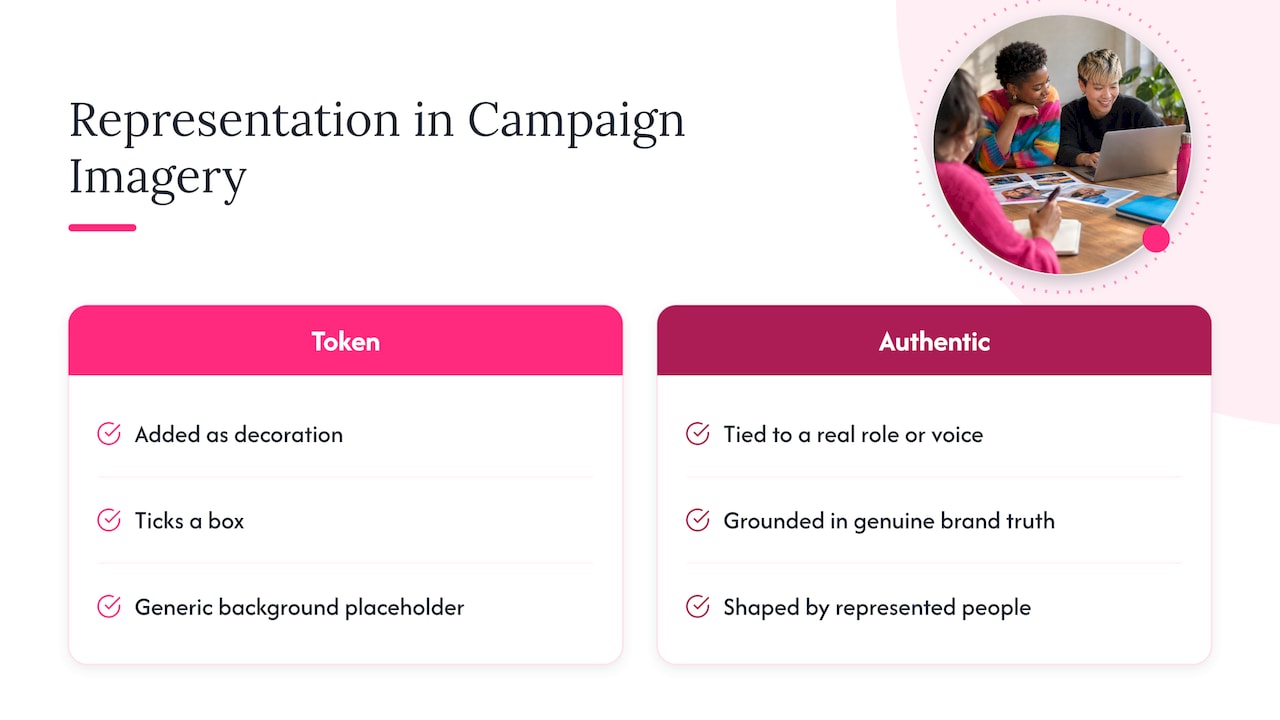
In practice, that means a few things for a campaign shoot. Cast people in roles that reflect what they actually do, not a generic “diverse” placeholder in the background. Let a subject’s own styling choices, from clothing to how they hold themselves, carry the story rather than overdirecting them into a stereotype. Where a campaign draws on queer culture specifically, bringing in a queer photographer changes the result: the choices about framing, proximity and moment come from lived familiarity rather than research. That’s the premise behind matching clients to photographers who share the perspective the brief calls for, rather than assigning whoever is free that week.
6. Book Queer.Photo for your next campaign shoot
We offer packages from Personal brand shoots (from £200) through to Full day, Content day and Video bookings for larger campaign work, each matched to a vetted queer photographer within 24 hours. Browse prices and packages or view our brand and product photography services to request a match.
FAQ
What is the 20-60-20 rule in photography?
There’s no single agreed definition of a “20-60-20 rule” in photography; the phrase is sometimes used informally for budget or shot-list splits rather than a recognised industry standard, so it’s worth checking the original source before building a brief around it.
How many photographers earn over £300,000 a year?
There’s no reliable, sourced figure for how many photographers reach that income level, and the figure varies enormously by specialism, market and business model. Campaign and advertising photography sits at the higher end of day rates, but published income data for the sector is patchy at best.
How do I advertise myself as a photographer?
Most photographers build visibility through a focused portfolio, consistent social presence in their specialism, and direct outreach to the brands or agencies they want to work with. Being represented by an agency that matches photographers to live briefs, as we do, is another route that removes the self-promotion workload entirely.
What are the seven basics of photography?
Commonly cited fundamentals include exposure, composition, lighting, focus, colour, perspective and storytelling, though different sources group or number them slightly differently. For campaign work specifically, lighting and storytelling tend to matter most to how an image performs with an audience.
Do I need a model release for every campaign shoot?
Yes, for any identifiable person appearing in commercial imagery, a signed model release is standard practice to confirm consent and agreed usage. Pairing that with clear copyright terms from the photographer covers both sides of the agreement properly.
Sources
- Azerion / IAB UK whitepaper: story-led creative performance
- Digiday: Boots leads brand efforts to invest in ad creatives data layer
- Royal Photographic Society (RPS) — GDPR-compliant model release form
- Ipsos: Making belonging joyful — inclusive representation in advertising