
100+ Guests? Second Shooter for UK Weddings and Contracts
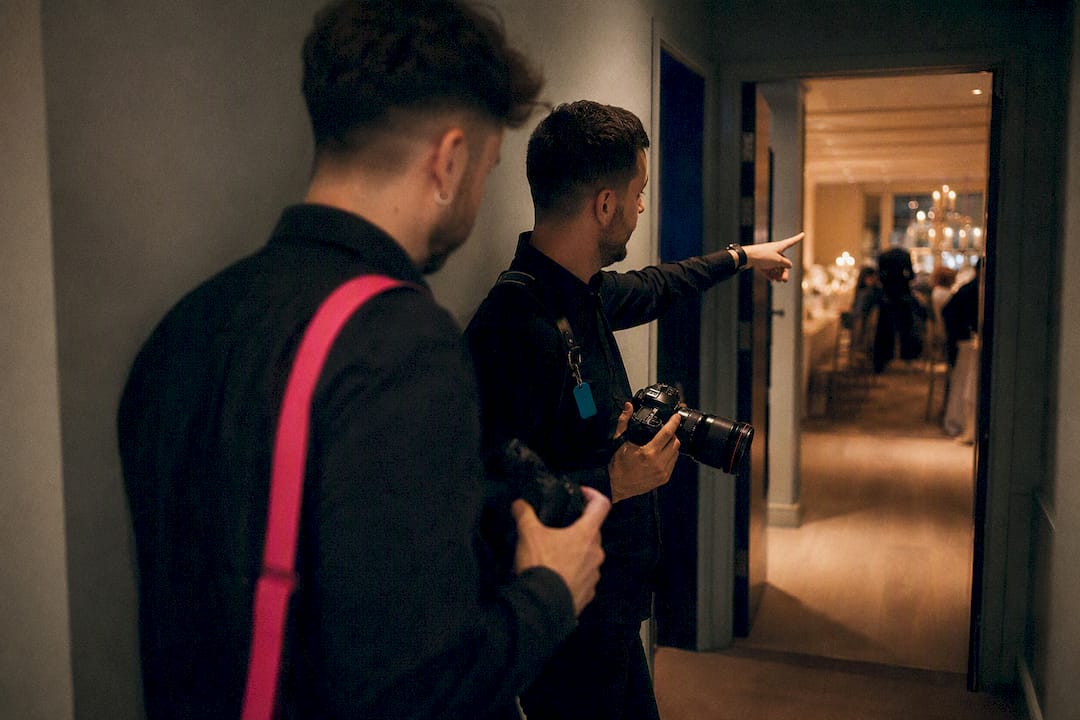
Yes, if your day involves two separate prep locations, a guest list past the 100 mark, or a timeline stacked with overlapping moments. A second shooter earns their place. One photographer can only stand in one spot, and a wedding rarely waits for anyone to catch up. Read on for what they do, what they cost, and how to brief one so the whole gallery feels like it came from one hand.
TL;DR:
- Hiring a second shooter is advisable when multiple prep locations, over 100 guests, overlapping events, or technical faults could impact coverage quality.
- Cost varies by region and experience, with full-day coverage generally costing more, and agencies offering personalized matching and package options.
- Confirm the second shooter has insurance, a signed agreement, matching camera settings, and understands the shot list before the wedding day.
- Coordination and clear communication between the lead and second photographer ensure a cohesive gallery, especially regarding hand signals, shot list, and credit attribution.
- A tailored agency service can simplify planning by handling photographer matching, boundaries, and special family or couple configurations, especially for LGBTQ+ clients.
Table of Contents
- What does a second shooter actually do?
- What are the real benefits of hiring a second shooter?
- When should you actually hire a second shooter?
- How much does a second shooter cost?
- What should be in writing before the day?
- How do you brief and coordinate with a second shooter?
- A more personal route to second-shooter coverage
- Sources
- FAQ
What does a second shooter actually do?
Picture the morning of the wedding. One partner is getting ready in a hotel room across town, the other at home with their parents fussing over a tie. A single photographer has to choose. A second shooter means both stories get told, in real time, rather than one being reconstructed later from a rushed ten minutes.
Through the day, the second shooter’s job shifts:
- During prep, they cover the second location while the lead stays with the other partner.
- At the ceremony, they take a wider or reverse angle, catching guest reactions the lead can’t see from the front.
- At the reception, they work the room for candids while the lead manages formal shots and speeches.
- Throughout, they carry backup gear, help bounce or hold flash, and speed up family portraits by organising who’s next.
The lead still holds creative control: composition, pacing, the overall look of the gallery. The second shooter supports that vision rather than setting their own, which is worth checking when you’re comparing quotes.
What are the real benefits of hiring a second shooter?
The most obvious gain is coverage of things that happen at the same time. Your partner’s face as you walk down the aisle and your dad’s face watching you walk down the aisle happen in the same three seconds, in opposite directions. Only two cameras catch both.
There are quieter advantages too:
- Group and family shots move faster when one photographer is behind the camera and the second is organising who stands where.
- If a card fails, a lens fogs, or a flash dies mid-reception, the day still gets fully documented.
- You get more raw material to choose from, especially for candid, in-between moments that a single photographer would simply miss.
Guidance from the Institute of Photographers treats equipment redundancy, two bodies and several lenses per shooter, as a baseline expectation rather than a bonus, which is worth remembering when you’re told a second shooter is “just an extra pair of hands”.
Pro Tip: Ask your photographer whether the second shooter brings their own backup camera. If the answer is no, you’ve effectively hired one camera twice, not two.
When should you actually hire a second shooter?
Not every wedding needs one, and a good photographer will tell you that rather than upsell you into it. Use this quick check:
- Are you and your partner getting ready in two separate locations more than a short drive apart?
- Is your guest count above roughly 100, where crowd shots and candid coverage genuinely need two sets of eyes?
- Does your timeline have overlapping events, such as a ceremony and a separate blessing, or two receptions?
- Would losing all coverage to a technical fault be a genuine problem for you, beyond disappointment?
- Have you asked your photographer whether they’d shoot solo or bring a partner for a day of this shape?
If most answers are no, a single photographer with a longer booked slot may cover you just as well for less. If several are yes, a second shooter is the more sensible spend, not a luxury add-on.
How much does a second shooter cost?
There’s no single fixed rate, and quotes vary by region, experience and how the fee is structured. Some photographers charge a flat add-on for the day, others bill hourly for the second shooter’s time, and both are common. The Institute of Photographers notes that experienced second shooters in major metropolitan areas command higher rates than newer shooters, and that underpaying tends to reduce reliability and the likelihood of proper insurance and kit.
What tends to move the price:
- Full-day coverage costs more than a two or three hour add-on for prep and ceremony only.
- RAW file delivery and a full second gallery, rather than a handful of highlight images, usually costs extra.
- Post-production time, colour grading a second shooter’s files to match the lead’s, is sometimes bundled and sometimes billed separately.
When comparing quotes, ask exactly what’s included: hours, file format, and whether editing is part of the fee or an add-on.
What should be in writing before the day?
This is the part couples skip and later regret. A verbal “yeah, I’ll bring someone” is not a contract, and it leaves both you and the photographers exposed if something goes wrong.
- Public liability insurance is standard for photographers working in venues, and most venues will ask for proof before granting access.
- Employers’ liability insurance is compulsory for employers under the Employers’ Liability (Compulsory Insurance) Act 1969, covering at least £5 million, though a second shooter who is genuinely self-employed and working as an independent contractor usually sits outside that requirement.
- Copyright normally stays with the photographer who took the image, even for commissioned wedding photographs, as Gov sets out, so your usage rights should be spelled out in the booking contract rather than assumed.
- The Institute of Photographers recommends a dedicated business-to-business agreement between lead and second shooter covering payment, delivery deadlines, IP assignment or licensing, and non-solicitation, so neither of them is exposed if the relationship sours after the day.
Ask your lead photographer directly whether this agreement exists. A confident yes is a good sign.
How do you brief and coordinate with a second shooter?
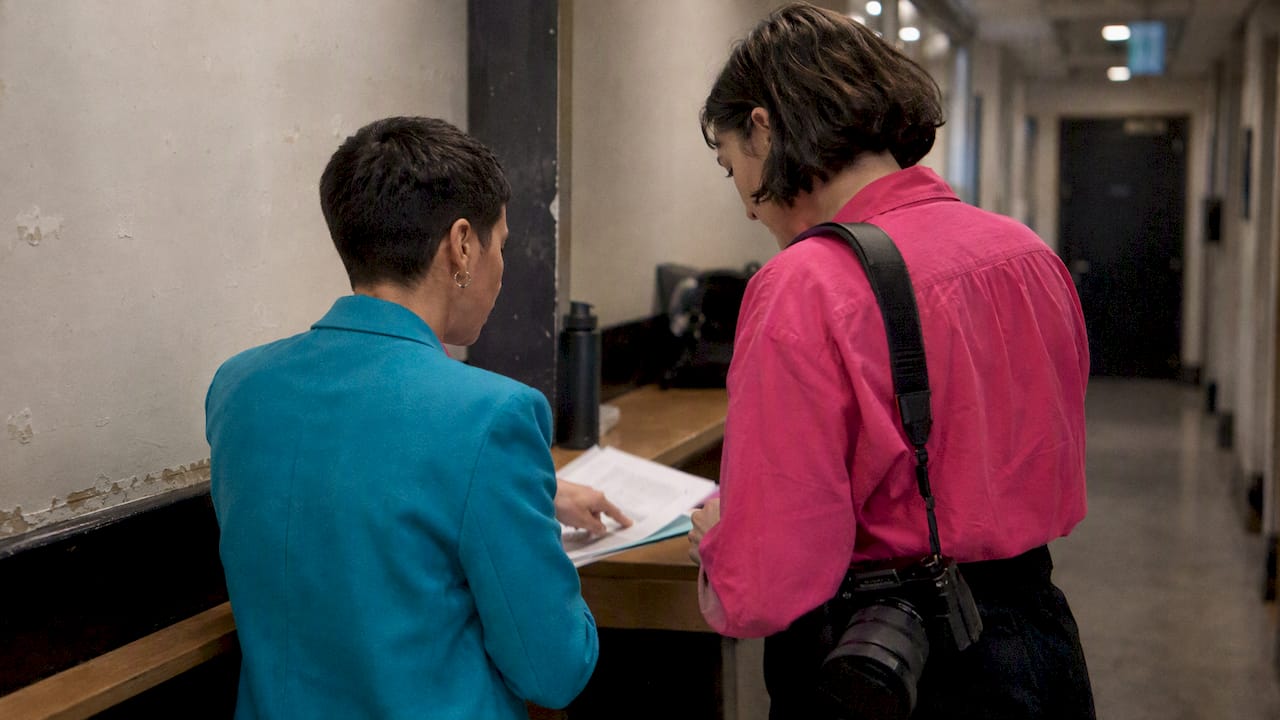
A second shooter who’s never met the lead before the ceremony is a risk, however good they are individually. Coordination is what turns two photographers into one coherent gallery.
Before the day:
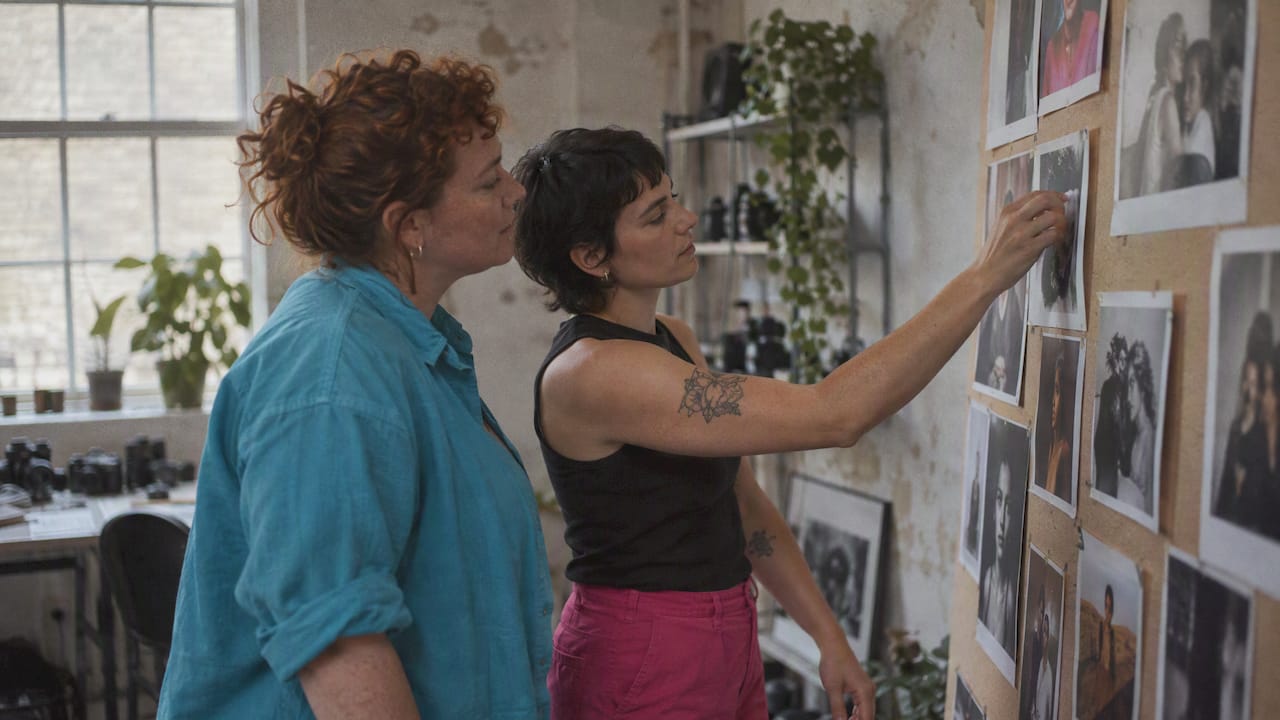
- Ask to see two or three of the second shooter’s full wedding galleries, not just highlights, so you can judge consistency across an entire day.
- Confirm both photographers have signed their agreement and that insurance and RAW-file ownership are settled.
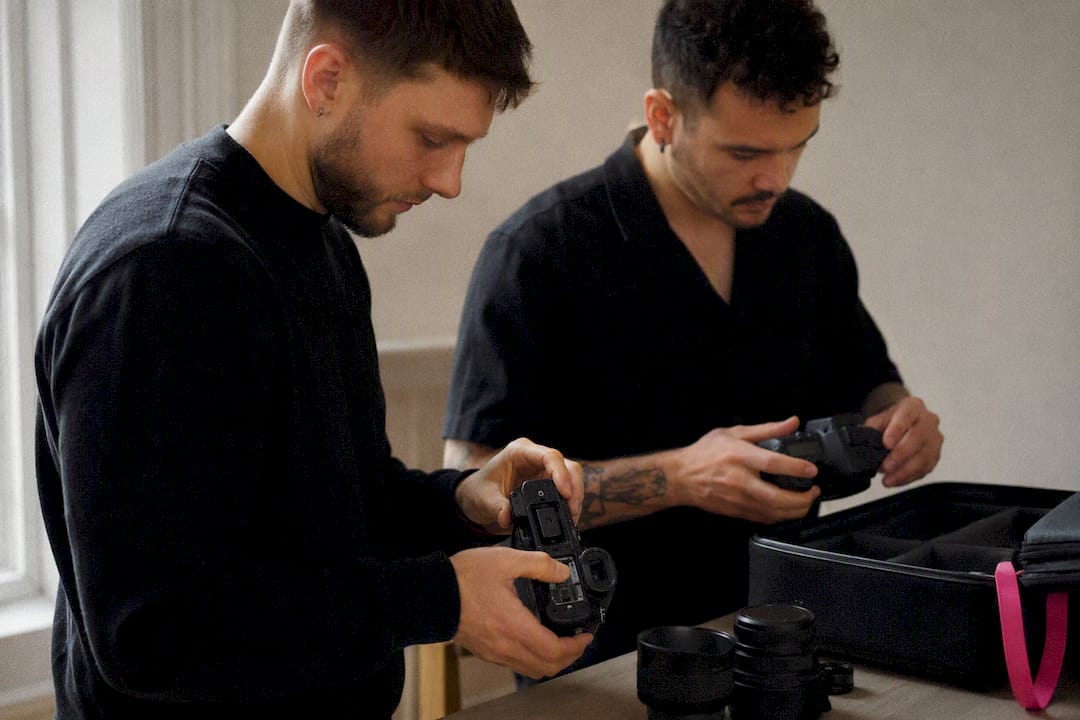
- Have them synchronise camera clocks and match colour profiles or RAW settings in advance, which the Institute of Photographers flags as saving hours in editing later.
- Share a shot list and names of VIPs who must appear in family portraits.
On the day, the lead usually briefs the second shooter on ceremony positioning, agrees discreet hand signals for timing, and sets a clear handover process for memory cards or uploads at the end.
Pro Tip: Ask to see the final gallery credited to both photographers by name. If a studio can’t tell you who shot what, that’s a coordination gap worth asking about before you book.
A more personal route to second-shooter coverage
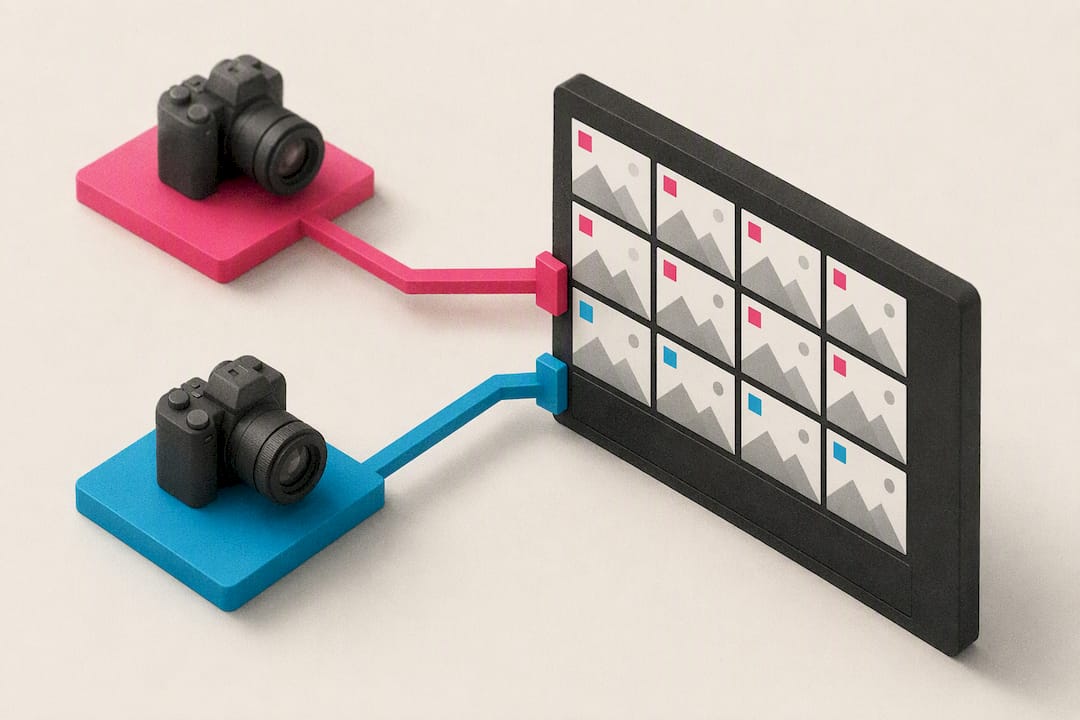
If the checklist above feels like a lot to manage on top of everything else a wedding demands, that’s fair. An agency that matches couples with vetted queer photographers can take that coordination off your plate. Such agencies often match clients with photographers quickly and personally represent them rather than just listing them on a directory.
- Photographers may be matched to your specific day and themes by a person, not an algorithm, which can be important when you want a lead and second shooter who understand each other’s style.
- Shoot arrangements may respect pronouns and personal boundaries, with proper credit given to the photographers involved.
- Wedding coverage spans options from a Half day to a Full day or Full event, alongside a dedicated Elopement package for smaller ceremonies.
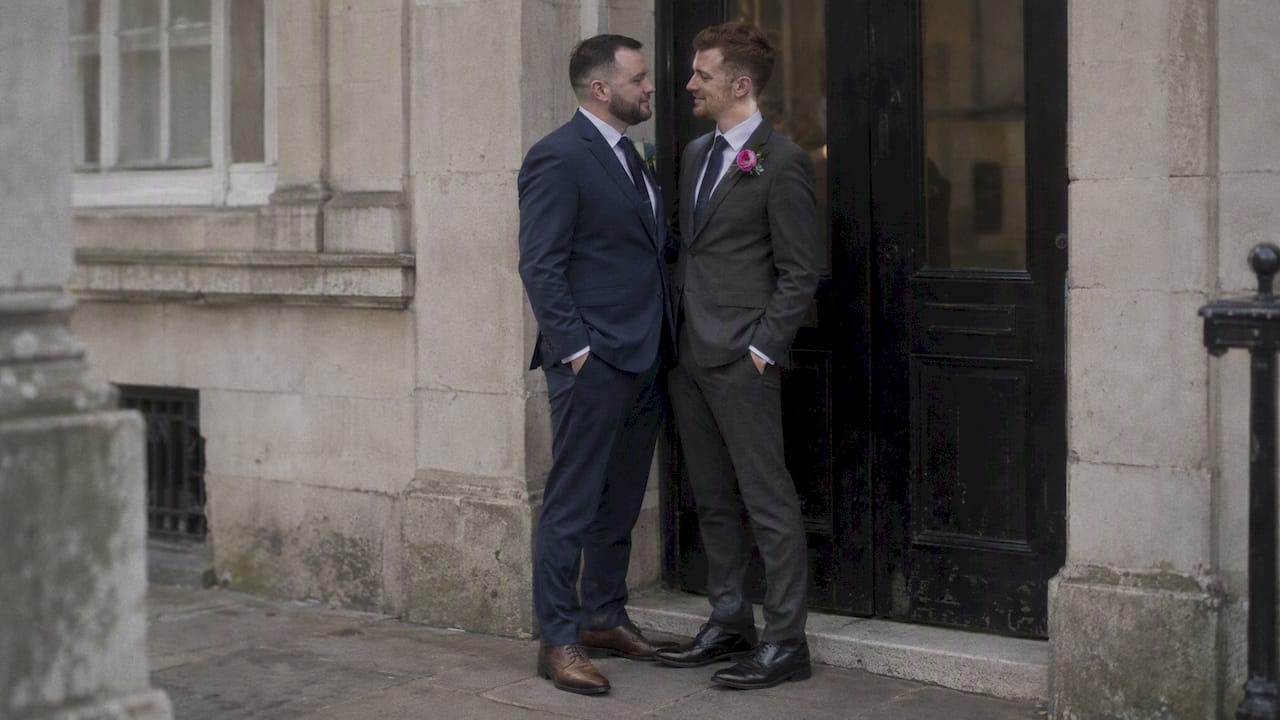
For couples who want two grooms, two brides, or any configuration of family photographed with the same care and continuity, our queer wedding photography pages show how that coverage comes together. Full pricing and package details, including the Personal brand package from £200 one-off, sit on our prices page, where you can check availability and book directly.
Sources
- Hiring a second shooter for weddings: a professional guide for lead photographers in 2026
- Employers’ Liability (Compulsory Insurance) Act 1969
- Gov
FAQ
How much should a second shooter get paid?
Rates vary by region and experience rather than following one fixed number, and both flat day fees and hourly rates are common. The Institute of Photographers notes that experienced second shooters in major metropolitan areas typically command higher rates, and that underpaying often reduces reliability.
What is the 30 minute rule for weddings?
This isn’t a legal or industry standard covered by the sources behind this article, so treat any specific figure you’ve seen elsewhere with caution. It’s often used informally to mean building buffer time into a timeline, but definitions vary between photographers and planners.
Is there a second shooter on every wedding booking?
Not automatically. Whether a second shooter is included depends on the package and photographer, so it’s always worth asking directly rather than assuming, and confirming what’s covered in the booking contract before the day.
What’s the difference between a lead photographer and a second shooter?
The lead holds creative control over composition, pacing and the overall look of the final gallery, while the second shooter supports that vision from a different angle or location. Both typically need their own insurance and equipment, with responsibilities set out in a written agreement between them.
Does the second shooter own the photos they take?
Copyright normally stays with the photographer who took the image, even when the shoot was commissioned, according to GOV.UK’s copyright guidance. Usage rights for the couple should be set out clearly in the booking contract rather than assumed.