
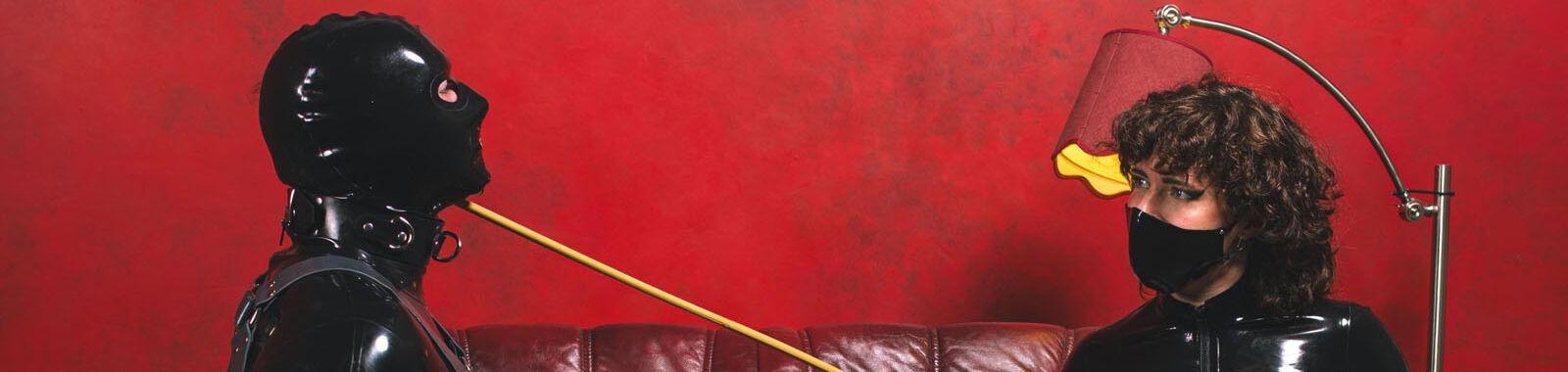
Find a wedding photographer who keeps you with guests for UK weddings
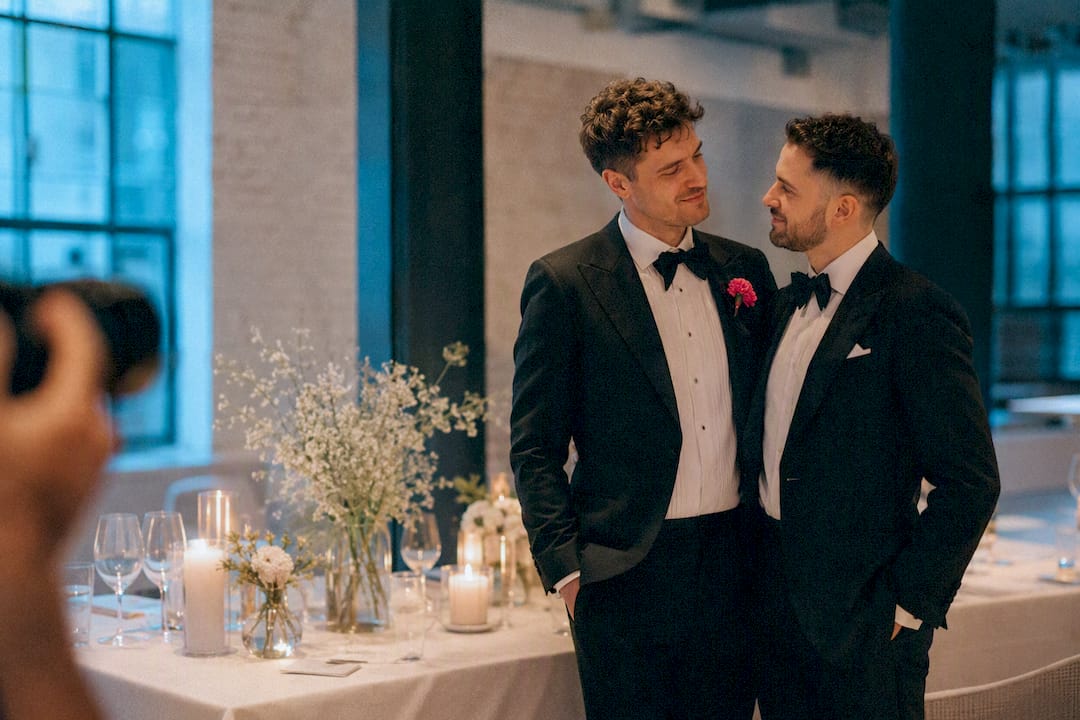
Choose by the photographer’s style and the consistency of their full wedding galleries, not just a highlight reel. Then confirm you actually like them as a person, check the price sits within your budget, and get everything in writing before a deposit changes hands. Most couples do best with a hybrid approach, documentary-led coverage with a short posed portrait session, so shortlist photographers who already shoot that way, review three or four complete galleries each, then work through an interview checklist before you book anyone.
TL;DR:
- Reviewing full wedding galleries at similar venues provides a better understanding of a photographer’s consistency in lighting, editing, and storytelling than highlight reels.
- Most UK couples opt for a hybrid style with documentary coverage and a short portrait session, tailored to venue type and personal comfort, for efficient and authentic results.
- Ensure contracts specify delivery timelines, exact deliverables, licensing rights, and cancellation terms, and keep all correspondence documented to prevent misunderstandings.
- Budgeting around £1,484 typically covers a solid full-day photographer in the UK, but costs vary based on coverage hours, extras like second shooters, and region, so compare inclusions carefully.
- Consider using specialized services like Queer.Photo for inclusive photographers experienced with diverse relationships, especially if representation and comfort are priorities.
Table of Contents
- Wedding photography styles and which suits your day
- How to review portfolios and full wedding galleries
- Budget and pricing: what UK couples typically spend
- Questions to ask before you book: the interview checklist
- Contracts, deliverables and logistics you must get in writing
- Decision checklist: how to choose from your shortlisted photographers
- Queer.Photo: a vetted matching service for inclusive, representation-aware photography
- Sources
- FAQ
Wedding photography styles and which suits your day
Four styles dominate British weddings, and knowing the difference stops you booking someone whose portfolio you love for the wrong reasons.
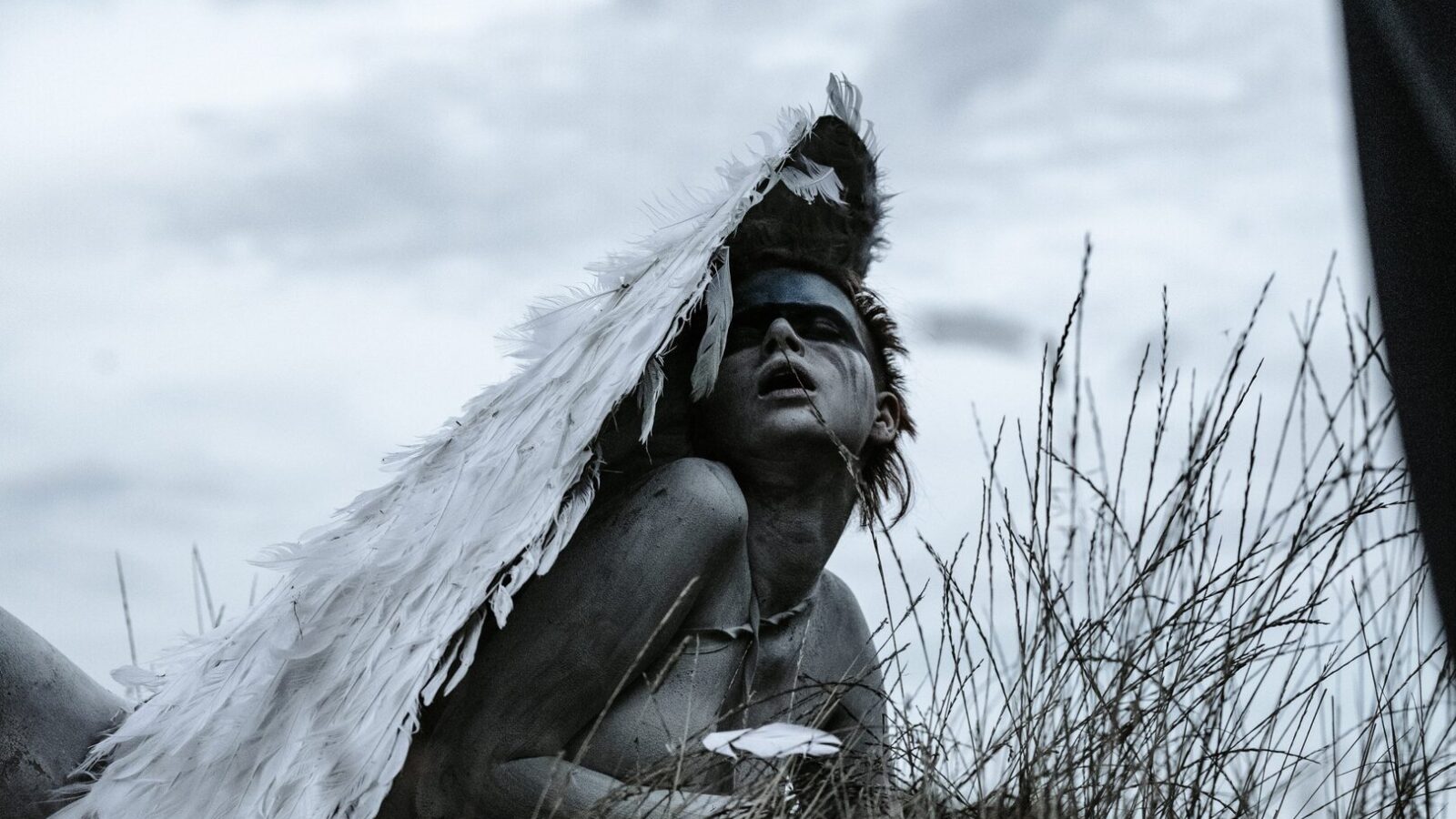
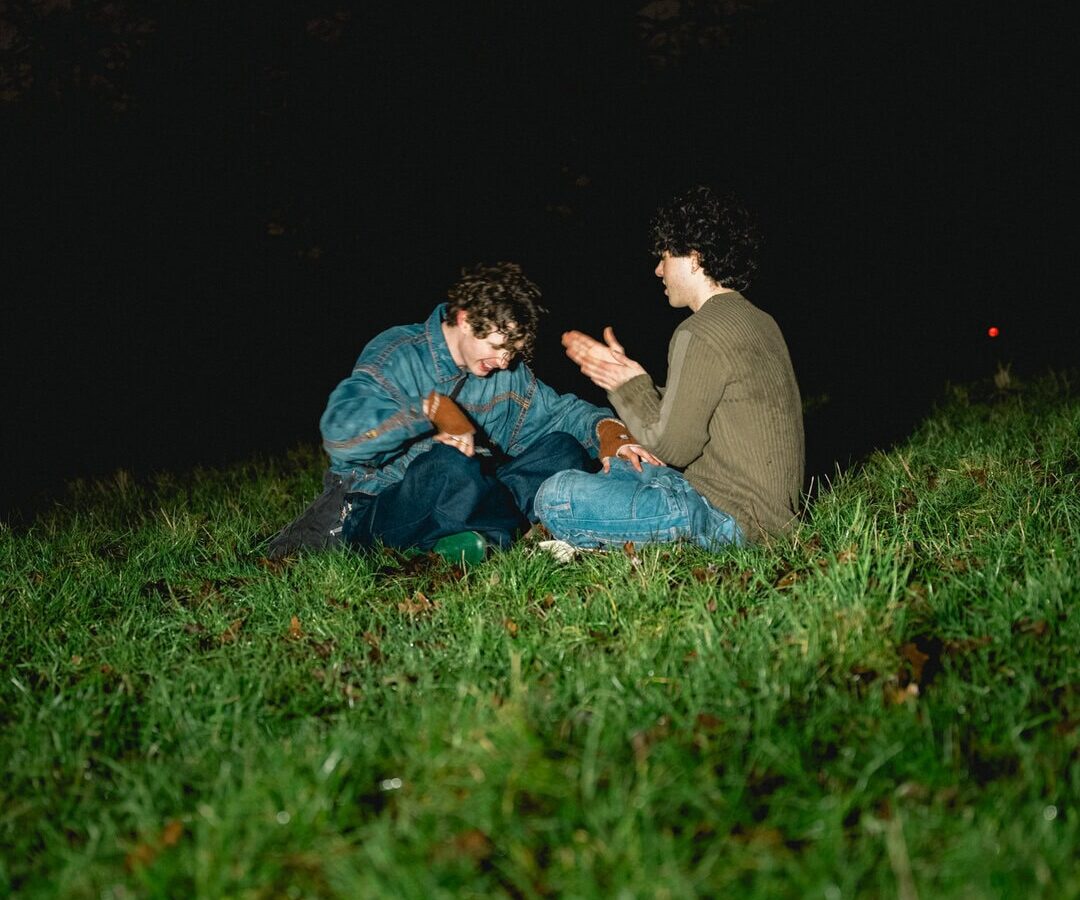
Documentary photography (also called reportage) captures the day as it unfolds, unposed speeches, the flower girl mid-tantrum, your dad’s face during the vows. Traditional or posed photography favours arranged group shots and formal portraits, still common for family formals even in otherwise relaxed weddings. Editorial style borrows from fashion shoots: directed poses, deliberate composition, dramatic light. Fine art leans painterly, with soft focus, rich colour grading, and a slower, more considered pace to each shot.
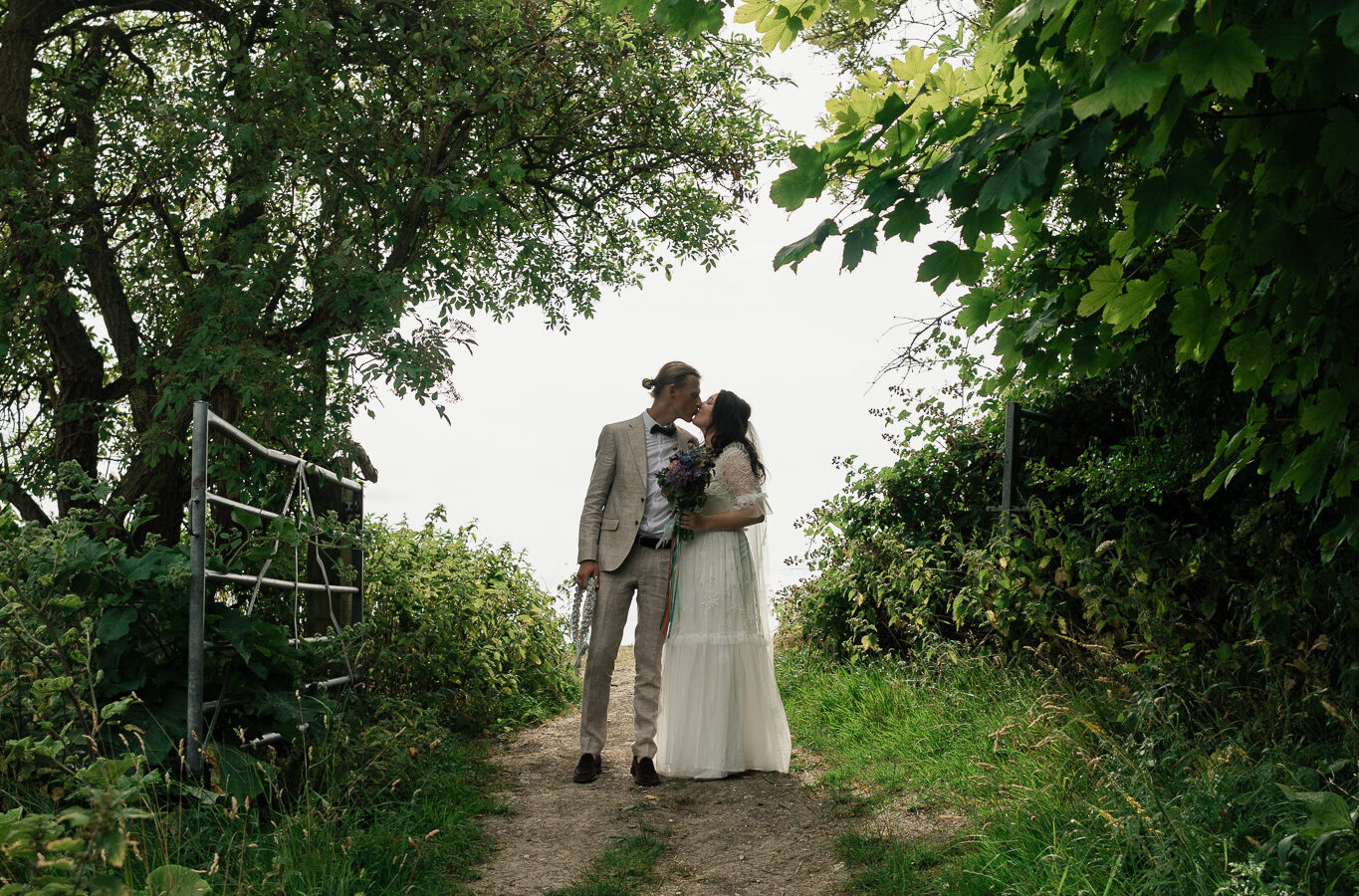
Most photographers don’t sit in one box. Industry guidance confirms that most photographers blend styles, and the dominant modern practice among UK couples is documentary-led coverage for the bulk of the day paired with a short 15 to 30 minute portrait session, usually timed for golden hour or a natural lull between ceremony and reception. That hybrid earns its popularity for a practical reason: it keeps you away from your guests for as little time as possible while still producing the polished, printable portraits your parents will actually want framed.
When you’re deciding which style to prioritise, let the venue and your own temperament guide you:
- A stately home or country house venue with formal grounds tends to reward a touch more editorial polish in the portrait session.
- A relaxed marquee or pub wedding usually looks best with documentary coverage doing most of the work.
- If you hate having your photo taken, weight your shortlist towards documentary shooters who work unobtrusively rather than directing constantly.
- If you want statement portraits for the wall, ask specifically how long their portrait session runs and where they’d plan to shoot it at your venue.
Ask any photographer you’re considering how they’d split their time on your particular day. A vague answer is often the first sign they haven’t thought about your brief specifically.
How to review portfolios and full wedding galleries
A highlight reel is marketing. A full gallery, every ceremony shot, every dull bit of the reception, every slightly awkward family formal, is evidence. That distinction matters because reviewing complete galleries rather than highlights is the only reliable way to judge whether a photographer’s editing, lighting, and storytelling hold up across an entire eight or ten hour day, not just in the thirty best frames they chose to show off.
Ask any photographer on your shortlist for two or three complete galleries from real weddings, ideally at a similar venue type to yours, and work through this checklist:
- Ceremony coverage. Are the key moments, the entrance, the vows, the rings, the first kiss, all covered from a clear angle without an obstructed view?
- Candid emotion. Do the reportage shots feel genuinely unposed, or do they look staged and stiff?
- Family formals. Are they organised and reasonably quick, or does the gallery suggest guests stood around for ages?
- Reception candids. Speeches, first dance, the drunk uncle on the dance floor, does the energy of the room come through?
- Low-light competence. Evening reception shots and indoor venues with poor natural light are where weaker photographers fall apart. Look for grain, blur, or flat colour.
- Editorial portrait quality. Does the couple’s portrait session look considered, well-lit, and consistent with their earlier work?
- Consistency of colour and exposure. Scroll the whole gallery quickly. Does it look like one coherent edit, or does the tone jump between warm and cold, bright and murky?
If a gallery has three stunning shots and forty mediocre ones, that’s a red flag worth raising directly. Ask what happened, low light, a difficult venue, a second photographer who didn’t turn up, rather than assuming the worst, but don’t ignore it either.
Pro Tip: Ask to see a full gallery from a wedding at a venue with similarly tricky lighting to yours, a marquee, a dim barn, a winter afternoon ceremony. That single gallery tells you more than ten polished portfolio highlights ever will.
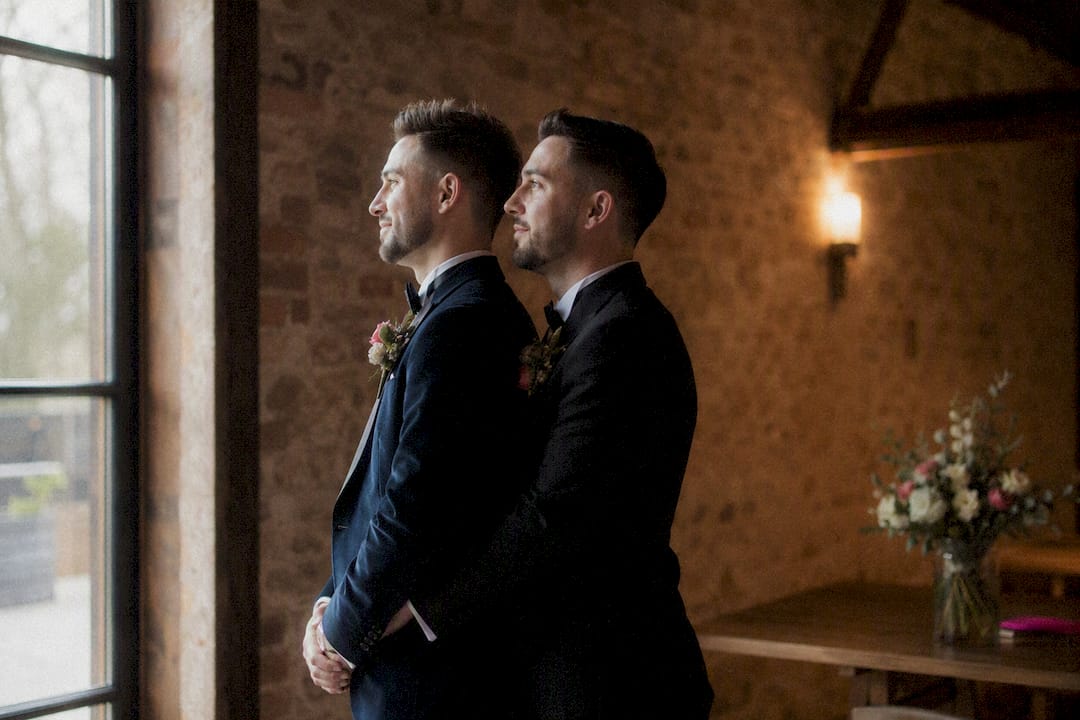
Budget and pricing: what UK couples typically spend
Photography and videography together account for roughly 10% of the average UK wedding budget, with couples spending an average of around £1,484 on photography alone. That figure moves considerably depending on region, coverage hours, and experience, so treat it as a planning benchmark rather than a fixed target.
What this means for your budget: if photography sits near £1,484 in your plan, expect that to buy a solid full-day package from an established photographer, but London and the South East tend to run higher than the UK average, while regional and midweek bookings often come in below it.
Packages vary in what they actually include, and the headline price rarely tells the whole story. Watch for these variables when comparing quotes:
- Coverage hours. A six-hour package and a twelve-hour package from the same photographer can differ by hundreds of pounds.
- Second shooter. A second photographer covering different angles (getting ready, guest reactions during the ceremony) adds cost but often adds real value.
- Albums and prints. Physical albums are frequently sold separately from digital packages, sometimes at a significant markup.
- Digital rights and usage. Check whether you get full resolution files with print rights, or a restricted licence.
Prioritise a photographer whose full galleries you’ve already vetted and whose personality you trust over the cheapest quote in your inbox. A discount on a day you can’t repeat is rarely a saving.
Questions to ask before you book: the interview checklist
First contact by email should establish the basics quickly: are they free on your date, what does the package actually include, how much is the deposit, and can they send a full gallery from a real wedding rather than a curated set of favourites. If those answers are vague or slow to arrive, treat that as useful information in itself.
Once you’ve narrowed things down, a call or video chat lets you dig into the detail that actually determines how the day goes:
- Have they shot at your venue before, or a similar one, and do they know its trickier lighting spots?
- Do they work with a second shooter, and if so, is that included or an add-on?
- How would they describe their editing style, and is it consistent across the seasons and light conditions you’ve seen in their galleries?
- What’s the turnaround time from wedding day to final delivered gallery?
- What image rights and print permissions come with the package?
- What’s their contingency plan if they’re ill or unable to attend?
A handful of practical checks round this out: confirm they carry public liability insurance, ask whether they bring backup equipment (a second camera body, spare batteries, memory cards), and check they’ve factored in a meal break so energy doesn’t flag by the speeches. Also ask how long they’d need for family formals, since that directly affects how long your guests stand around waiting for the reception to start.
Pro Tip: Ask “what’s the one thing you wish couples told you before the wedding day?” It’s a question most photographers haven’t been asked, and the answer usually reveals how much genuine experience they have.
Research into UK wedding planning found that 95% of couples hire a professional photographer, and personality connection weighs almost as heavily as portfolio quality in the final decision. That tracks with what most photographers will tell you privately: a couple who feel relaxed with their photographer photograph better, because comfort shows up in the images.
Contracts, deliverables and logistics you must get in writing
A verbal promise is not a deliverable. Before you pay a deposit, get the following written into a signed contract:
- Exact deliverables. The number of edited images you’ll receive, whether that’s a minimum or a range, and in what format (digital gallery, USB, prints, album).
- Delivery timeline. A concrete date or window for final delivery, not “a few weeks.”
- Cancellation and postponement terms. What happens to your deposit if the date changes, and what notice period applies.
- Deposit and payment schedule. How much is due when, and what the final balance covers.
- Liability and insurance. Confirmation of public liability cover and what happens if equipment fails or the photographer can’t attend.
- Second shooter terms. Whether one is included, named, or substitutable, and how that affects the price if they drop out.
- Usage and copyright. Who owns the images, what you’re licensed to do with them, and whether the photographer can use them for their own marketing.
The Institute of Photographers’ contract guidance is worth reading in full before you sign anything, since it sets out exactly this kind of detail as standard professional practice, not an optional extra. Vague deliverables cause more post-wedding disputes than almost anything else, so specify the number of edited images, ownership terms, and what happens if the photographer can’t make it, and insist on a signed addendum for any later changes rather than a text message agreement.
If a delivery problem does crop up, whether that’s a missed deadline or a gallery that doesn’t match what was promised, keep every email and message in one place and refer back to the signed contract rather than relying on memory of a phone call. A written paper trail is the difference between a quick resolution and a drawn-out argument.
Decision checklist: how to choose from your shortlisted photographers
By this point you should have two or three photographers left, each with a full gallery reviewed, a call completed, and a quote in hand. A simple scoring approach makes the final call less about gut feeling alone and more about a fair comparison.
Score each photographer out of five on: style fit, portfolio consistency across full galleries, personality and chemistry, value for money, contract clarity, and venue experience. Add the totals and see who comes out ahead, then sanity check that score against how you actually felt talking to them.
| Criterion | What to check |
|---|---|
| Style fit | Matches the documentary/hybrid balance you want |
| Portfolio consistency | Full galleries hold up in low light and across the day |
| Personality and chemistry | You’d feel relaxed with them for eight hours |
| Value for money | Package contents justify the price versus other quotes |
| Contract clarity | Deliverables, timeline and cancellation terms are explicit |
| Venue experience | They know your venue or a similar one |
Before you confirm, request a full gallery from a wedding at a venue similar to yours if you haven’t already, ask for a reference from a recent couple, and check the contract states your exact deliverables in writing. Then pay the deposit and get a receipt confirming the date and amount.
Some things are worth compromising on: a slightly higher price for a photographer you clicked with instantly, or a shorter portrait session if the venue and light suit documentary work better anyway. Availability on your date, contract clarity, and a genuine gut-level connection are not areas to compromise on. If a photographer dodges questions about deliverables or insurance, keep looking.
Queer.Photo: a vetted matching service for inclusive, representation-aware photography
If your shortlist has left you wanting a photographer who understands queer relationships without you having to explain yourself first, consider using dedicated matching services that connect you with photographers who specialize in these perspectives. These services may match you to a suitable photographer based on your brief and prioritize respect for pronouns and personal boundaries, with proper credit given to the photographer’s own work.
That matters most for couples who’ve had the experience of asking directly about a photographer’s comfort with LGBTQ+ couples and getting a hesitant answer, or who simply want their wedding photography to reflect who they actually are without needing to translate the brief. Queer.Photo’s wedding portfolio and London-based inclusive photographers cover the same hybrid, documentary-led-with-portraits approach couples across the UK are already choosing, with imagery that’s always original rather than stock or AI-generated.
If a Personal Brand shoot or engagement session is on your mind too, that’s listed from £200 one-off, and wedding day packages are quoted individually once the agency understands your brief. Start by browsing the Queer and requesting a match, most couples hear back with a shortlist of suitable photographers within a day.
Sources
The figures and guidance above draw on a small set of sources worth reading directly if you want more detail:
- How much does a wedding cost in the UK? — Bridebook
- UK wedding report V2 (VideoUK)
- Wedding photography styles explained | Weddings Hub
- Wedding photography contract essentials — Institute of Photographers
FAQ
How do I pick a photographer for my wedding?
Start by reviewing full wedding galleries, not highlight reels, from photographers whose style matches the hybrid documentary-plus-portraits approach most UK couples now choose. Narrow your list to two or three, have a proper conversation with each to check personality fit, then confirm price and contract terms before paying a deposit.
What is the 20-60-20 rule in photography?
Definitions of this rule vary between photographers, and it isn’t a standard covered by UK wedding industry guidance, so treat any specific breakdown you see online with some caution. It’s generally used informally to describe splitting a wedding day’s coverage between preparation, the main event, and the reception, rather than being a fixed professional standard.
How much should I expect to pay for a wedding photographer?
Average UK photography spend sits around £1,484, representing roughly 10% of the total average wedding budget. That figure varies by region and package, so use it as a planning benchmark rather than a fixed price, and always check exactly what coverage hours and deliverables a quote includes.
How do I find a good wedding photographer?
Most couples view about six photographers, read around 13 reviews and contact three before booking, so give yourself time to compare full galleries and have real conversations rather than deciding from a single Instagram scroll. Services like Queer.Photo can shortcut this process by matching you directly with a vetted photographer suited to your brief, quickly.
What questions should I ask a wedding photographer before booking?
Ask about their experience at your venue, whether a second shooter is included, their turnaround time for final delivery, and what image rights come with the package. Also confirm insurance cover and their contingency plan if illness or an emergency prevents them attending on the day.