Representation vs Stock Photos: What Your Images Really Say
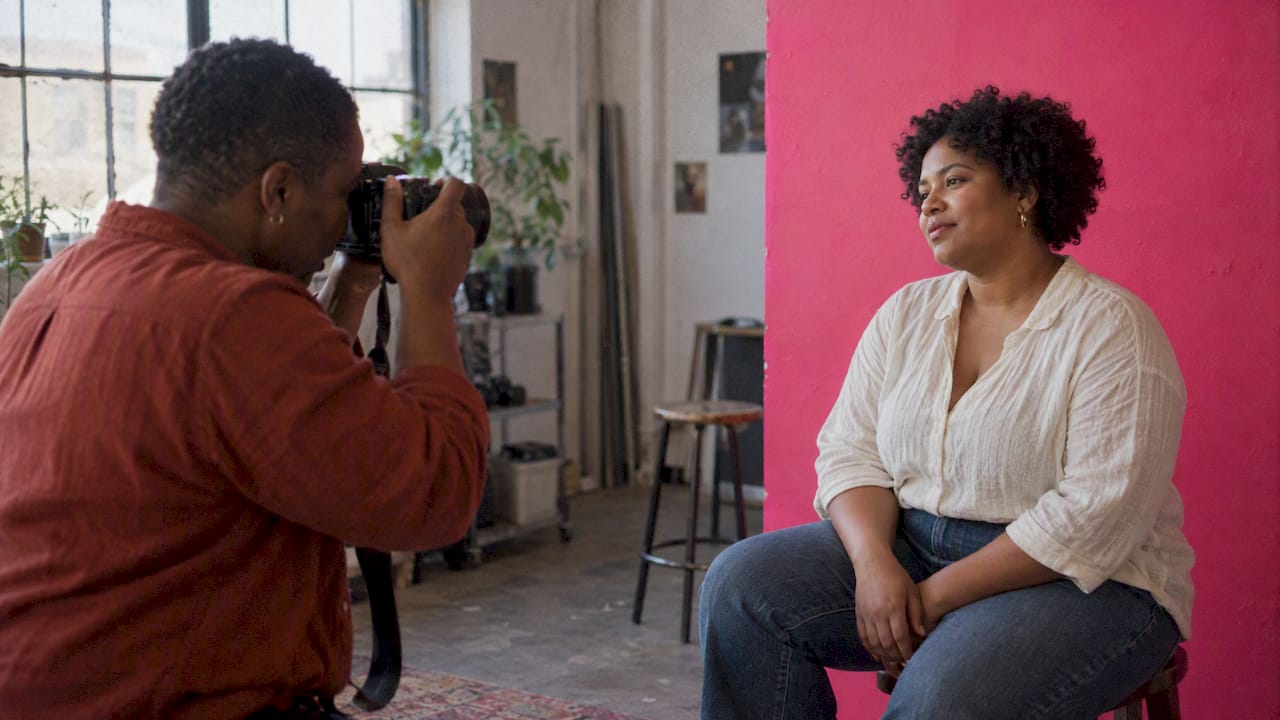
If you want your images to represent queer people, stock photos will only get you part of the way. They are cheap, quick and fine for plain filler. They struggle the moment you need a picture that is genuinely about someone: a particular person, a particular community, a particular room. Original photography, made with a photographer who understands the perspective you are trying to show, is what turns “we include everyone” into something a reader can believe.
This guide is for brand managers, event planners, creatives and couples in the UK weighing the two options. We will cover what each one gives you, where stock quietly goes wrong, what the law says about both, and how to decide.
TL;DR
- Stock photos are cost-effective and instant, but they are built for mass appeal and often fall back on tokenistic or stereotyped images of queer life.
- Original photography lets you show real people, real spaces and your actual work, and you can agree the licence, the credit and the boundaries up front.
- Under UK law, photographs are copyright works, and identifiable people in a photo are personal data. Both apply to stock and to commissioned work, so check your licence and your lawful basis.
- Use stock sparingly for abstract or background needs. Commission original work for anything that carries your message about people.
- Our agency matches you with a vetted queer photographer, often within 24 hours, by a real person rather than an algorithm.
Table of Contents
- What the two options actually are
- Where stock photography helps
- Where stock goes wrong for queer representation
- What original photography gives you
- Comparing them side by side
- The legal side, for both routes
- How to decide: a short checklist
- A realistic way to mix both
- Finding the right photographer
- Ready to replace the stock with something real?
- Common mistakes when moving away from stock
- FAQ
- Sources
What the two options actually are
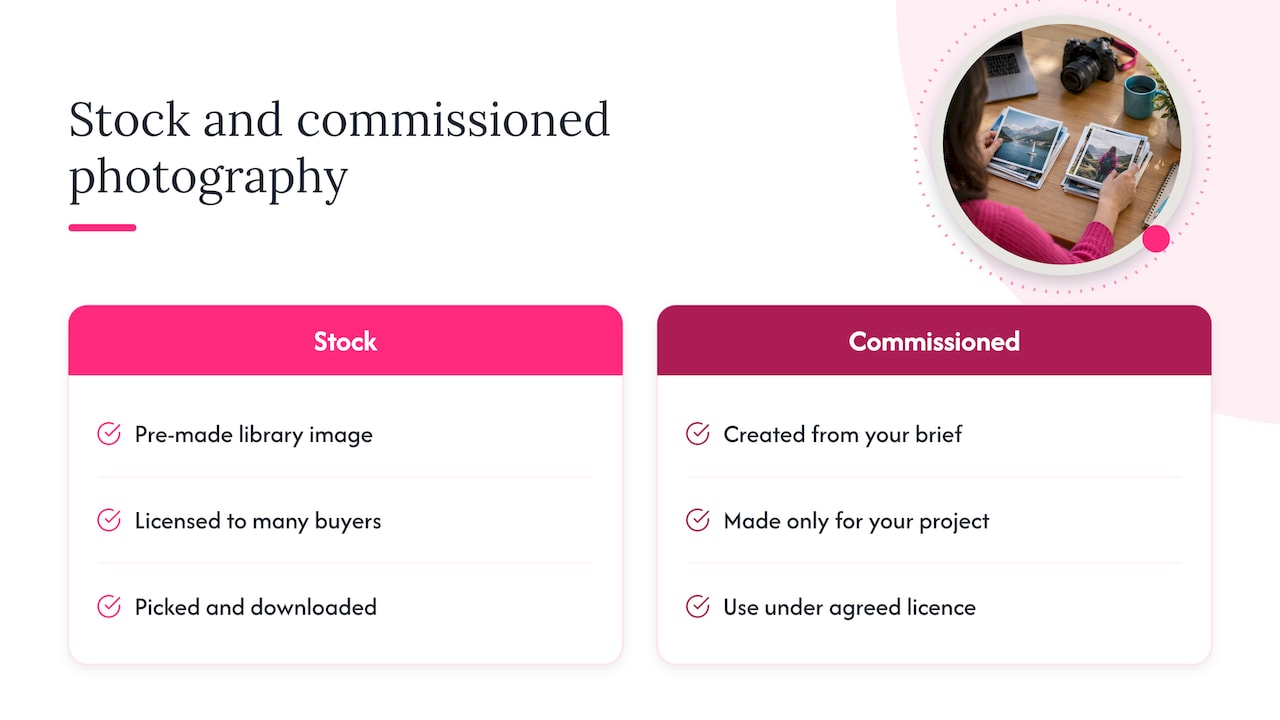
A stock photo is a pre-made image licensed to many buyers. You search a library, pick something close to what you imagined, pay a fee or use a free licence and download it. Nobody has asked what your brand is, who your audience is or who should be in the frame.
Original photography is commissioned. Someone listens to your brief, works out who should shoot it, turns up and makes images that exist only because of your project. The files are yours to use under a licence you have agreed.
“Representation” is the word that sits between them. In advertising research, it has been defined as the fair and proportional portrayal of diverse groups in a given promotional setting. Fair and proportional are the hard parts. A library photo can show a same-sex couple holding hands. It cannot tell you whether that picture is fair to the couples you actually serve.
Where stock photography helps
We would be dishonest if we pretended stock has no place. It does.
- Abstract backgrounds and textures. A sky, a street at dusk, a close-up of a desk. Nobody is being represented, so nothing can be misrepresented.
- Tight deadlines with no budget. If you need a placeholder for tomorrow, stock is quick.
- Illustrating a generic idea. A slide about “planning” does not need a bespoke shoot.
The problems start when stock is asked to carry people, identity or belonging. That is where the picture starts doing a job it was never made for.
Where stock goes wrong for queer representation
It is made for mass appeal
Stock libraries are curated to sell widely. An image that has to work for thousands of buyers will lean on the safest, most recognisable shorthand. For queer communities, that tends to mean a rainbow flag, a polished couple on a sofa or a group laughing at a picnic.
Research on diversity in advertising points to a real risk here. Consumers are increasingly alert to diversity efforts that feel inauthentic or tokenistic, and they can react badly to them. A generic image does not just miss the chance to connect. It can signal that you have not thought hard about who you are speaking to.
It tends to straighten queer life
Academic work on LGBTQ+ advertising describes how mainstream imagery often fits queer lives into straight-coded structures, sometimes called homonormativity. One study of corporate-sponsored visibility in London, looking at two high-profile advertising campaigns, examines how this kind of visibility can make difference profitable while narrowing what queer life is allowed to look like.
You see the effect in everyday imagery: the couple who look like every other couple, the “acceptable” version of queerness. Another analysis of LGBTQ+ adverts separates passive, conscious, tailored and integrative approaches, and the same paper notes how thin overt LGBTQ+ representation in advertising has been. Tailored work needs someone who knows the community, which a library search box cannot supply.
It puts people in the background
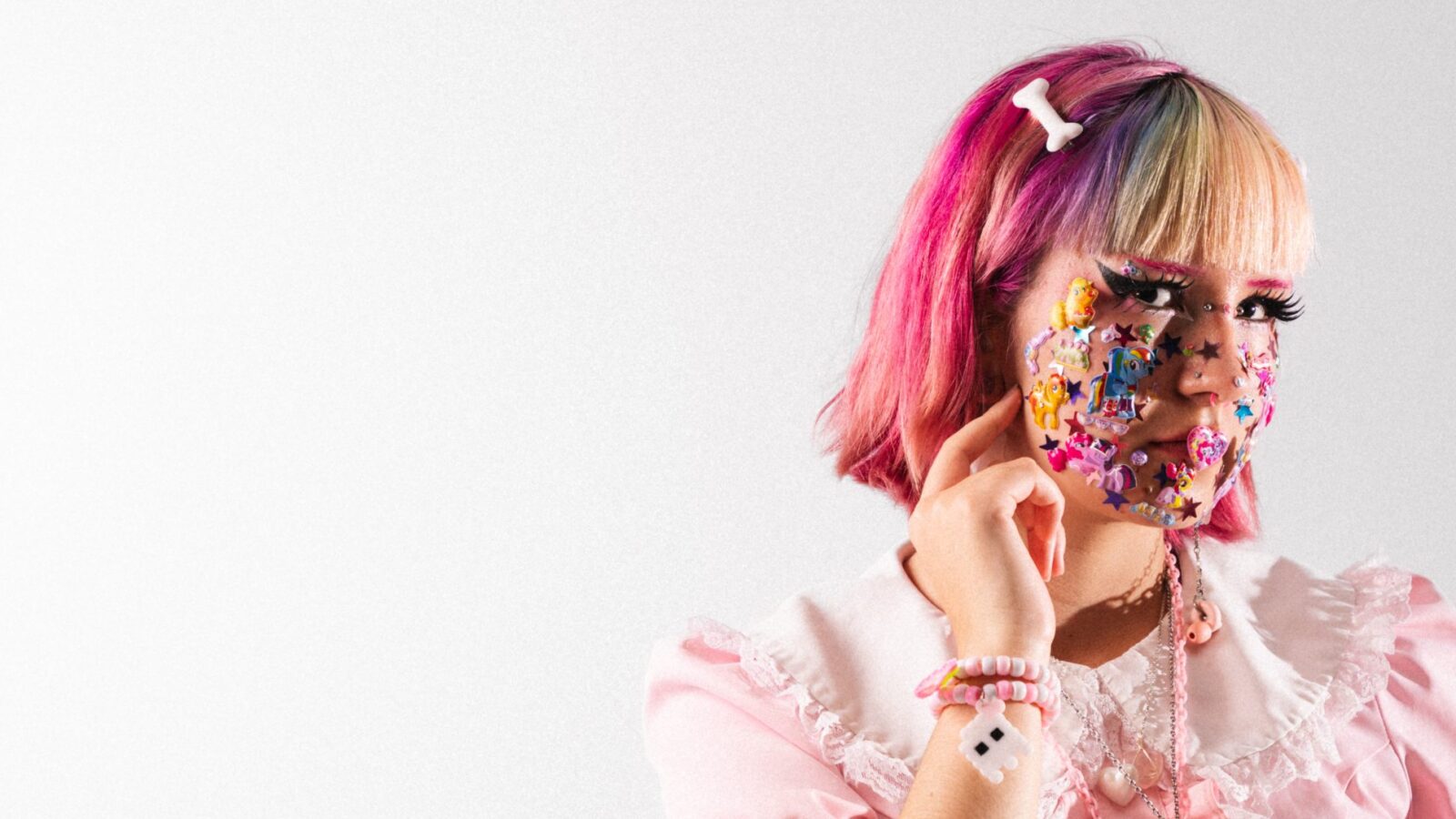
Stock queer imagery often relegates LGBTQ+ people to montages or background roles instead of making them the subject of a story. It can also miss the range inside the community: different ages, racial backgrounds, gender expressions, body types, class. When that range is missing, the people it excludes notice.
It cannot show your people
This is the plainest argument and the one that matters for most businesses. Stock cannot show your team, your venue, your event or your customers. If your site says “we are an inclusive workplace” over a picture of strangers who have never been near it, readers do the maths.
What original photography gives you
Specificity
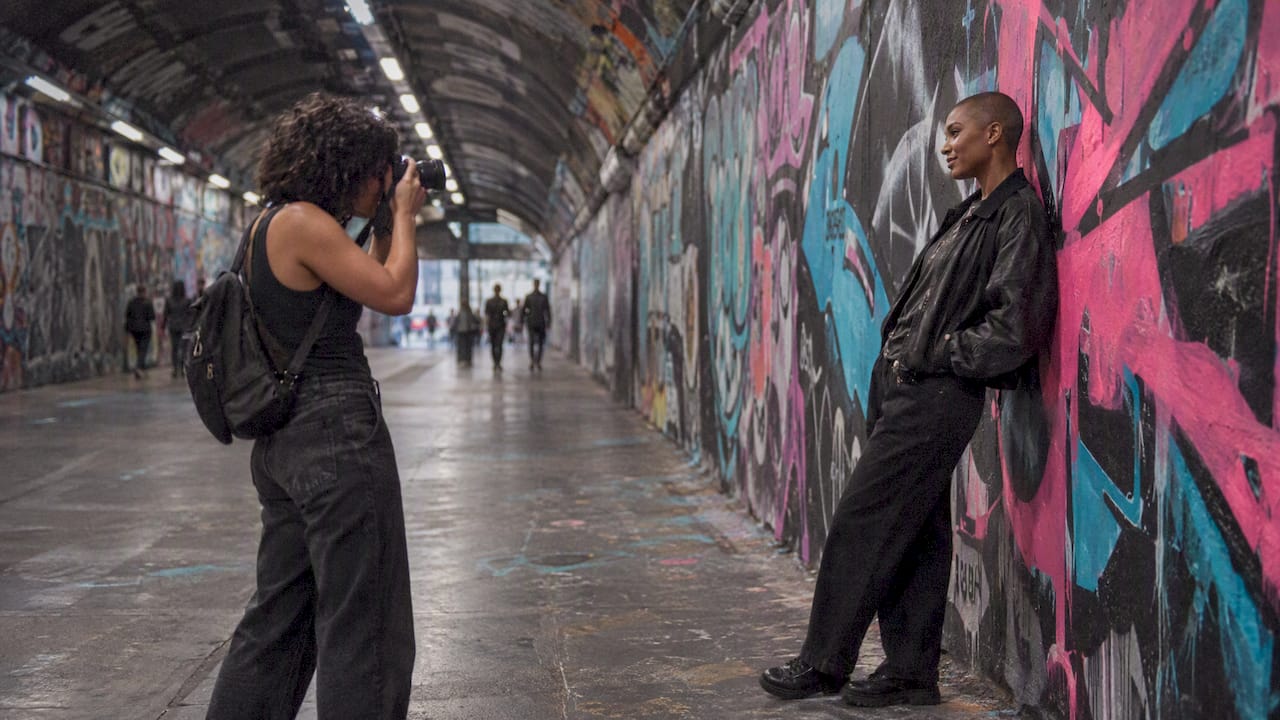
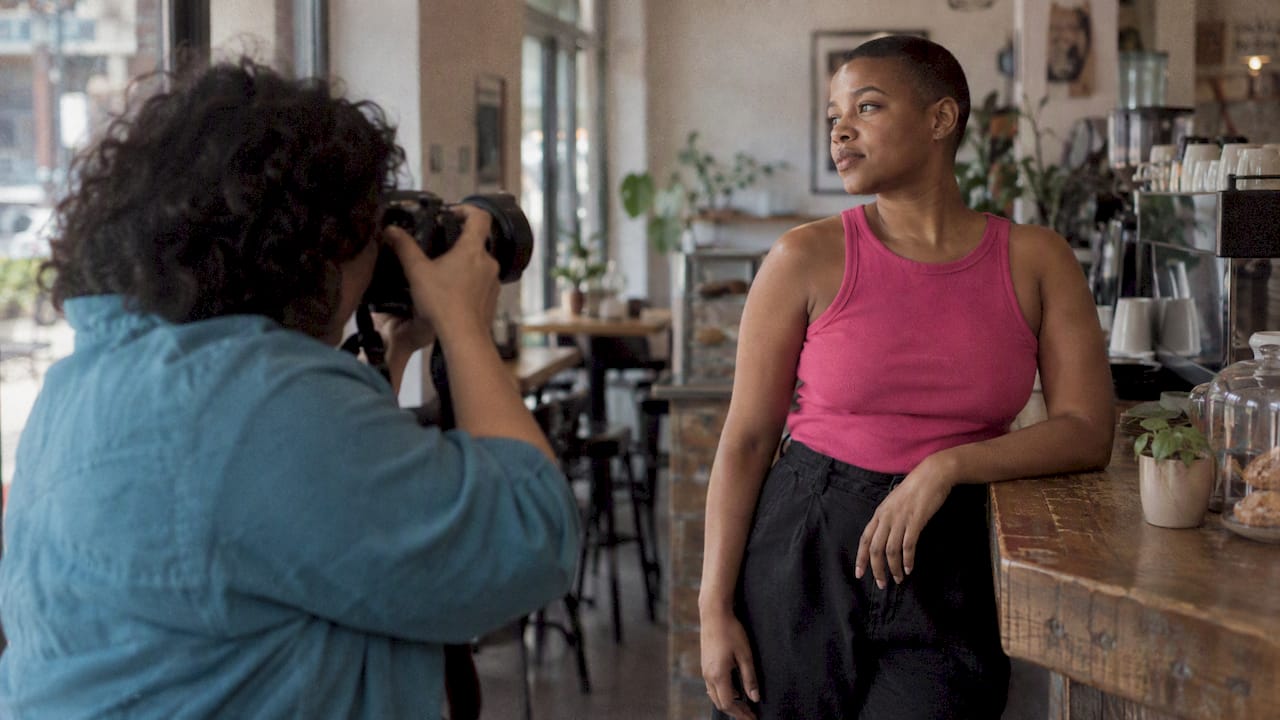
A photographer shooting your event captures the actual room, the actual speakers, the actual crowd at 9pm when the energy lifts. A portrait session captures a person as they would like to be seen. That specificity is what readers read as honesty. If you have no photos of your business yet and are wondering what to post without photos, the answer is rarely another library image. It is one properly planned shoot that gives you months of material.
The right perspective in the room
The most common mistake we see in briefs is choosing a photographer by style alone. Style matters, but perspective matters just as much. A photographer who is part of the community knows where to stand at a Pride after-party, how to photograph a wedding with two grooms without defaulting to a bride-and-groom template, and when to put the camera down. The result feels like an honest angle rather than an imitation of queer life.
A conversation about pronouns, boundaries and credit
Stock offers no dialogue. Original work does. Before a shoot you can agree how people are named, which pronouns are used in captions, what is off limits, and how the photographer is credited. That conversation is part of what makes people comfortable enough to look natural in front of a lens. It is also part of what separates a portrait of someone from a picture of a type.
A licence written for your use
Photographs are protected by copyright as artistic works from the moment they are created. As the GOV.UK copyright notice explains, a user will usually need the copyright owner’s permission to copy or share them. With commissioned work you agree in writing where the images can run, for how long and in which formats. With stock you accept the library’s standard terms, which may be broad or may restrict uses you assumed were fine, such as large-format print or paid ads.
Comparing them side by side
| Stock photos | Original photography | |
|---|---|---|
| Speed | Instant download | Booking and a shoot, then edits |
| Upfront cost | Low per image | Higher, but one shoot yields a full set |
| Uniqueness | Other brands can use the same image | Made for you alone |
| Showing your real people and place | No | Yes |
| Queer perspective | Depends on the library and the image | Depends on who you hire, and you can choose |
| Licence | Standard library terms | Agreed for your use |
| Consent and credit conversation | None | Part of the process |
| Risk of looking tokenistic | Higher when used for people | Lower when planned well |
Cost deserves honesty. Stock wins on price per image. The fairer comparison is price per useful image. If you buy ten stock photos and use two because the rest feel wrong, the saving shrinks. One half-day shoot can give you a library that you actually use.
The legal side, for both routes
Copyright
Whichever route you take, the starting point is the same. Copyright in a photograph generally belongs to its creator, and using it without permission is infringement. GOV.UK guidance on copyright is plain that you cannot copy or use copyright material without permission. Read the licence before you publish. If you are unsure whether a library image covers your use, ask the library in writing before launch.
People in your pictures are personal data
If someone can be recognised from a photograph, it is usually considered their personal data, as the ICO’s advice on taking photographs sets out. That advice was written for schools, but the principle holds for any organisation shooting identifiable people: you need a valid lawful basis.
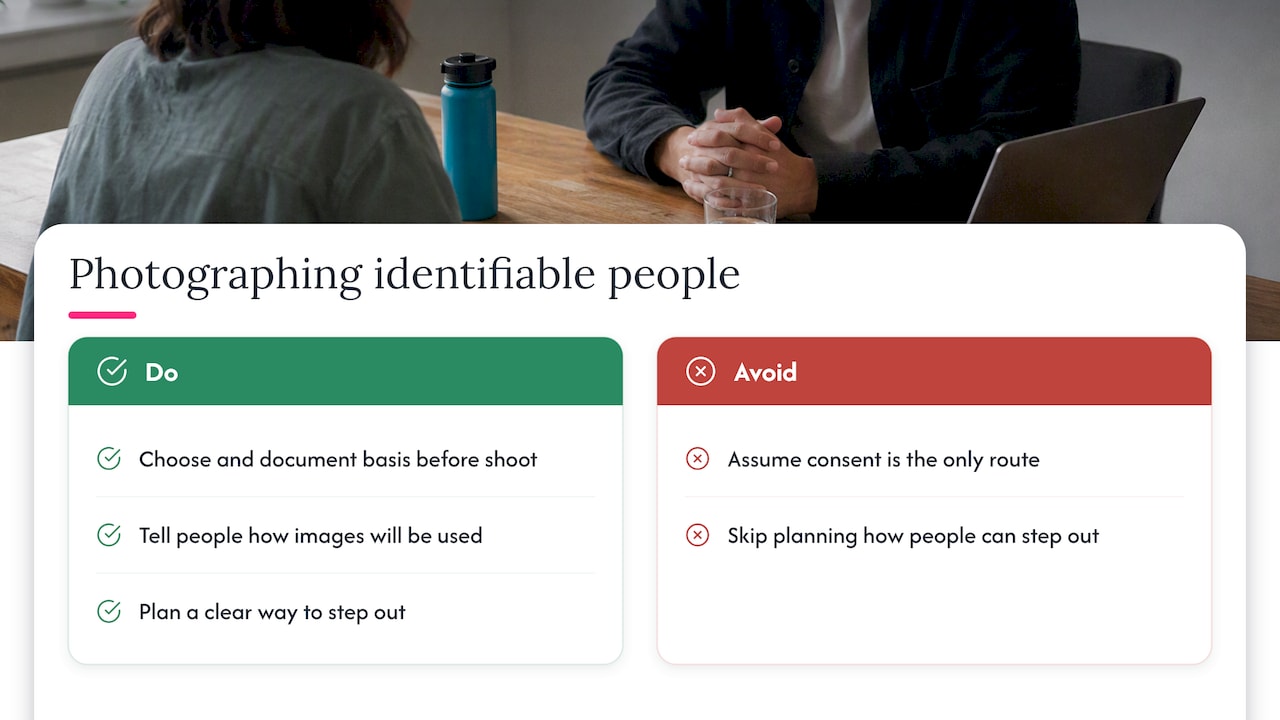
Many clients assume a signature on a consent form is the only route. It is not. The ICO is clear that consent is one lawful basis among several, and it will not always be the most appropriate one. Whatever basis you choose, decide it and document it before the shoot, and tell people how their image will be used. For some groups, such as people who are not out to everyone, a clear opt-out matters a great deal, so plan how someone can step out of frame without awkwardness.
If you are unsure which basis suits your project, your organisation’s data protection lead or a solicitor who handles data protection can advise. We cover event consent in more detail in our event photography shot list.
How to decide: a short checklist
Ask these questions about each image you need.
- Is a person the subject? If yes, lean towards commissioned work.
- Does the image claim something about your organisation? Team pages, “about us” sections, pride campaigns and recruitment pages all do.
- Would your audience recognise the scene as real? If a member of the community would roll their eyes, change it.
- Is anyone excluded by default? Check age, race, gender expression, body type and disability.
- Do you know where the image runs and for how long? If not, sort the licence before you pay.
- Could a competitor use the same file tomorrow? If it matters, commission it.
If you answer “yes” to the first three, stock is probably the wrong tool.
A realistic way to mix both
Most organisations do not need to drop stock entirely. A sensible split looks like this:
- Commission: homepage hero, team and customer pictures, event coverage, campaign imagery, anything representing queer people directly.
- Stock or in-house: abstract textures, generic office objects, background elements.
- Reuse: one commissioned shoot can supply a year of social posts, newsletters, decks and web pages if you plan the shot list and ask for the right licence.
For brands, a content day is often the most efficient way to build that bank in one go. If you also need motion, our guide to a vertical video workflow for brands shows how to plan stills and video from the same day.
Finding the right photographer
Choosing a name from a portfolio is only half of it. The better route is to describe what you want to say and who you want to say it to, then match the photographer to that brief. That is how we work at Queer.Photo, a London agency that represents a select roster of queer photographers. Every photographer is vetted and personally represented, and a real person matches you with the right specialist, often within 24 hours. All imagery is original, never stock or AI generated, and every shoot respects pronouns and personal boundaries, with proper credit for the photographer.
Depending on what you need, you might start with:
- Queer event photography in London, including Pride events and workplace Pride celebrations
- Brand photography for teams, products and campaigns
- Editorial work, including fashion editorial
- Documentary projects that follow a story over time
- Portraits for individuals and couples
If you are planning corporate events, our piece on avoiding token shots at corporate LGBTQ+ events goes through the brief in detail.
Ready to replace the stock with something real?
Our packages cover mini sessions through to full-day and full-event coverage, and the Personal brand package starts from £200 one-off. The other packages, from Standard and Half day to Elopement and Day rate, are listed on the same page. Tell us what you need to show and who you want to reach, and we will suggest a photographer. You can also look at all our photography and video services before you decide.
Common mistakes when moving away from stock
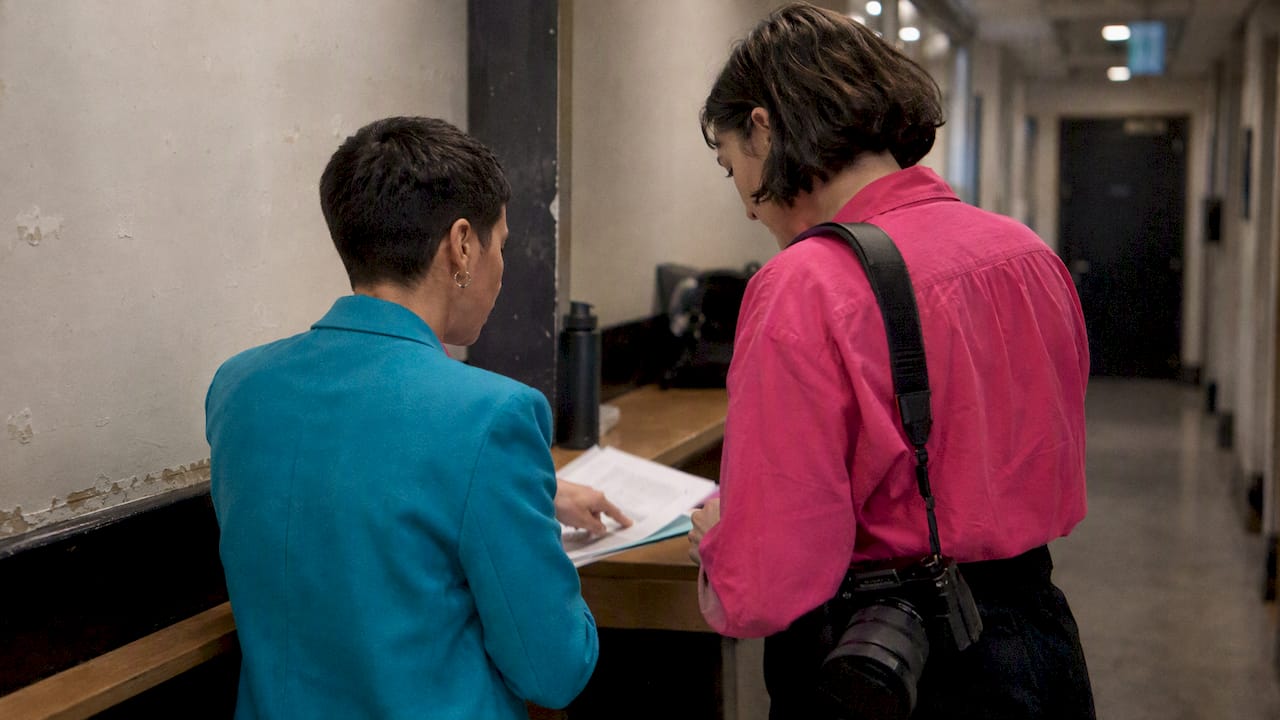
- Briefing for a look instead of a purpose. “Make it feel diverse” is not a brief. Say what the image needs to do on the page.
- Casting by assumption. Avoid asking one person to stand in for a whole community. Invite real staff and customers, make taking part optional and be open about where the images will run.
- Staging joy. Posed celebration reads as performance. Allow quiet time in the schedule for unposed moments.
- Forgetting the afterlife of the images. Agree the licence, the credit line and the retention period before the shoot, not after the first complaint.
- Over-editing. A photographer who smooths every difference into something more palatable removes the thing you hired them for.
FAQ
How can I tell if a photo is a stock photo?
Run a reverse image search with a tool such as Google Lens or TinEye, and see if the same picture appears on library sites or on other organisations’ pages. Telltale signs are a perfectly lit scene with no real context, models looking directly at the camera, and a setting that could be anywhere. A caption naming the person and the photographer is a good sign of an original.
Can you legally use stock photos for a business?
Yes, if your use falls within the licence. Photographs are protected by copyright, so you need permission, and a stock licence is that permission, with limits. Check the terms on advertising, print runs, resale and use by third parties. If people are identifiable, UK GDPR may also apply to how the image is processed, so ask the library what releases it holds.
Are original photos really better than stock for conversion?
Several marketing blogs report that real imagery outperforms stock, but figures vary and are rarely independent, so we would not promise a specific uplift. What we can say is that images of your real people, place and work show things stock cannot, and readers tend to trust specifics.
Do I always need written consent to photograph people?
Not always. Under UK GDPR, consent is one of several lawful bases, and the ICO says it will not always be the right one. Whatever you choose, document it before the shoot and tell people how the images will be used. For sensitive situations, speak to your data protection lead or a data protection solicitor.
Sources
- Diversity representation in advertising, Journal of the Academy of Marketing Science
- Making difference profitable: Extraordinary homonormativity and corporate queer visibility
- LGBTQ+ advertising approaches (Williams, 2021), Oxford Brookes
- Copyright notice: digital images, photographs and the internet, GOV.UK
- Using somebody else’s intellectual property: Copyright, GOV.UK
- Taking photographs: data protection advice, ICO
- When is consent appropriate?, ICO