

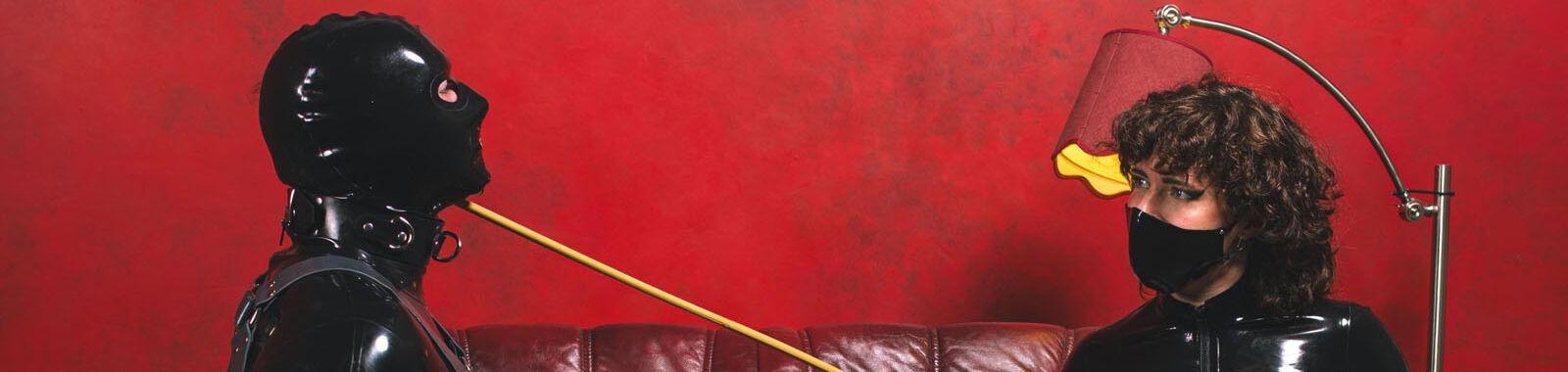
Long term documentary projects in London, stories told across years

Someone once asked me what the difference was between a documentary shoot and a documentary project, and the honest answer is time. A shoot captures a moment. A project lives alongside its subject for long enough to watch them change. I’ve followed work that unfolded over a single intense week and work that stretched across years, and the long ones reach something the short ones never can.
Long term documentary is the deepest, slowest, most committed form of the craft. It means returning again and again, building trust no quick visit could earn, and watching a person, a community, or a situation transform over real time. For queer stories, where change over time is so often what’s most worth recording about a life, the long form approach can hold what a single shoot would miss entirely.
It asks a lot of everyone involved, and it gives back accordingly.
What a long term project is
A long term documentary project follows its subject across months or years, returning repeatedly to build a body of work that shows change, depth, and the passage of time. It’s the form behind many of the photography books and exhibitions that actually last.
Unlike a single shoot, it isn’t trying to capture one decisive moment. It’s accumulating a sustained record, where the meaning comes from seeing how things develop, what stays, what shifts, who arrives and leaves. Time itself becomes the subject.
That accumulation is what gives long form work its particular weight and honesty.
Why time changes everything
Early frames in any project are surface. People are still aware of the camera, still presenting a version of themselves, still holding back. It takes many returns before that drops away and you reach the real, unguarded life underneath. A long term project is the only way to get there.
Time also lets you photograph change directly, a transition, a relationship, a community growing or struggling, an individual becoming who they’re going to be. That arc is impossible to fake or compress, and it’s the thing long form documentary alone can hold.
The patience is the method, and there’s no shortcut to what it produces.
Following queer lives over time
So many queer stories are stories of becoming, of transition, of finding community, of building a life against resistance. These unfold over years, and a long term project can witness them as they actually happen rather than reconstructing them afterwards.
Coming from inside the community, I can follow these stories with the trust and understanding they need across a long stretch. The subject knows I’m not going to flinch or sensationalise, which is what lets them stay open through years of being photographed.
Watching someone become themselves across a project is among the most meaningful work a photographer can do.
The commitment it asks
Long term work demands real commitment from the photographer and the subject. Repeated visits, often unpaid in the moment, sustained over a long period, with no guarantee of where it ends up. It’s a labour of love as much as a commission, and both sides have to want it.
I’m honest about that up front, because a project that fizzles halfway serves no one. We agree roughly what the commitment looks like and check in as it goes, so it stays sustainable rather than collapsing under its own ambition.
The projects that finish are the ones where everyone understood the length of the road before setting out.
Building toward something
A long term project usually has a destination, a book, an exhibition, an archive, a published essay, and shooting toward that shapes the work. Knowing the endpoint helps decide what to capture and how the eventual edit will hold together.
I think about the final form throughout, so the years of shooting build toward a coherent whole rather than an unwieldy pile. The edit of a long project is enormous work, distilling years into something a viewer can actually hold.
If you have an exhibition or a book in mind, we shoot with that shape in view from early on.
Trust across the long haul
Sustaining consent and trust across years is its own discipline. The relationship has to be maintained, the subject has to keep wanting to be part of it, and their right to withdraw or reshape their involvement stays live the whole way through.
For queer subjects, the care around outing and representation runs through every visit, and I keep checking rather than assuming the early agreement covers everything that comes later. People and circumstances change across years, and the consent has to move with them.
That ongoing honesty is what keeps a long project ethical as well as good.
Where in London
Long term projects root themselves wherever the subject’s life is, across the homes, communities, and spaces of the city, including the areas around Hackney with deep and changing queer histories. The project goes where the life goes, over time.
Where studio work fits, for portraits punctuating the documentary, I run one in east London called Lemon Shark Studio. Mostly, though, long form work belongs out in the real, shifting settings of the story.
For a sense of how I build sustained bodies of work, more of my photography is at LemonLens.
Funding and making it happen
Long term projects rarely have obvious budgets, since they don’t fit a standard commission. Some are funded by grants or arts bodies, some are self initiated and partly a labour of love, some are supported by an eventual book or exhibition. We work out a realistic structure together.
If a project has cultural or community value, there may be funding routes worth pursuing, and a clear proposal helps. For context on queer representation that can support a funding case, Stonewall has useful material.
The point is to find a way to sustain the work across its length rather than abandoning it for money halfway. It often helps to break a long project into fundable phases, so a first year’s work can stand on its own and also make the case for supporting the next. That way the project isn’t hostage to a single big grant, and there’s something to show for the effort even if the full vision takes longer than planned to fund. Photography funders and arts bodies also tend to trust a photographer who’s already proven they can sustain and finish a body of work.
What it costs
A long term project can’t be priced like a day’s shoot, because its cost depends on its length, intensity, and eventual form. We scope it around the real commitment, whether that’s a retainer, a grant funded structure, or a collaborative arrangement toward a book or show. It’s a conversation, not a fixed quote.
Every photographer on the queer.photo/ roster sets their own rate, so you'll see a starting figure on each profile, and longer work is shaped from there. You weigh the work against the price together.
For a project that becomes a book or an exhibition, the result is a lasting piece of culture, which is a different kind of value entirely.
Choosing the right photographer
Hire someone with the patience and commitment for the long haul, whose work shows sustained depth rather than one off highlights, and who understands queer lives from inside. A long project is a years long relationship, so choose someone you genuinely trust.
Tell us about the story you want to follow over time, and we’ll match you with someone from the roster who’s built for the distance. We aim to come back to you within a day.
Common questions
What makes a project “long term” rather than just a shoot?
Time. A shoot captures a moment, while a long term project returns repeatedly across months or years to build a sustained record that shows change and depth. The meaning comes from seeing how things develop, with time itself becoming the subject.
Why does shooting over years produce better work?
Because early frames are surface, with people still aware of the camera. It takes many returns before that drops away and you reach the real, unguarded life underneath, and time lets you photograph change, like a transition, directly as it happens.
How is consent managed across years?
As a live, ongoing relationship. The subject keeps wanting to be part of it and keeps the right to withdraw or reshape their involvement, and the photographer keeps checking rather than assuming an early agreement covers everything that comes later.
Can a long term project become a book or exhibition?
Yes, and that destination usually shapes the work. Knowing the endpoint helps decide what to capture, and the photographer thinks about the final form throughout so years of shooting build toward a coherent whole.
How much does a long term documentary project in London cost?
It can’t be priced like a single shoot. It’s scoped around the length, intensity and eventual form, whether a retainer, a grant-funded structure, or a collaboration toward a book or show. Each photographer lists a starting rate and longer work is shaped from there.
Ready when you are. see documentary options, or find a photographer.