Community documentary photography in London, made with people not about them
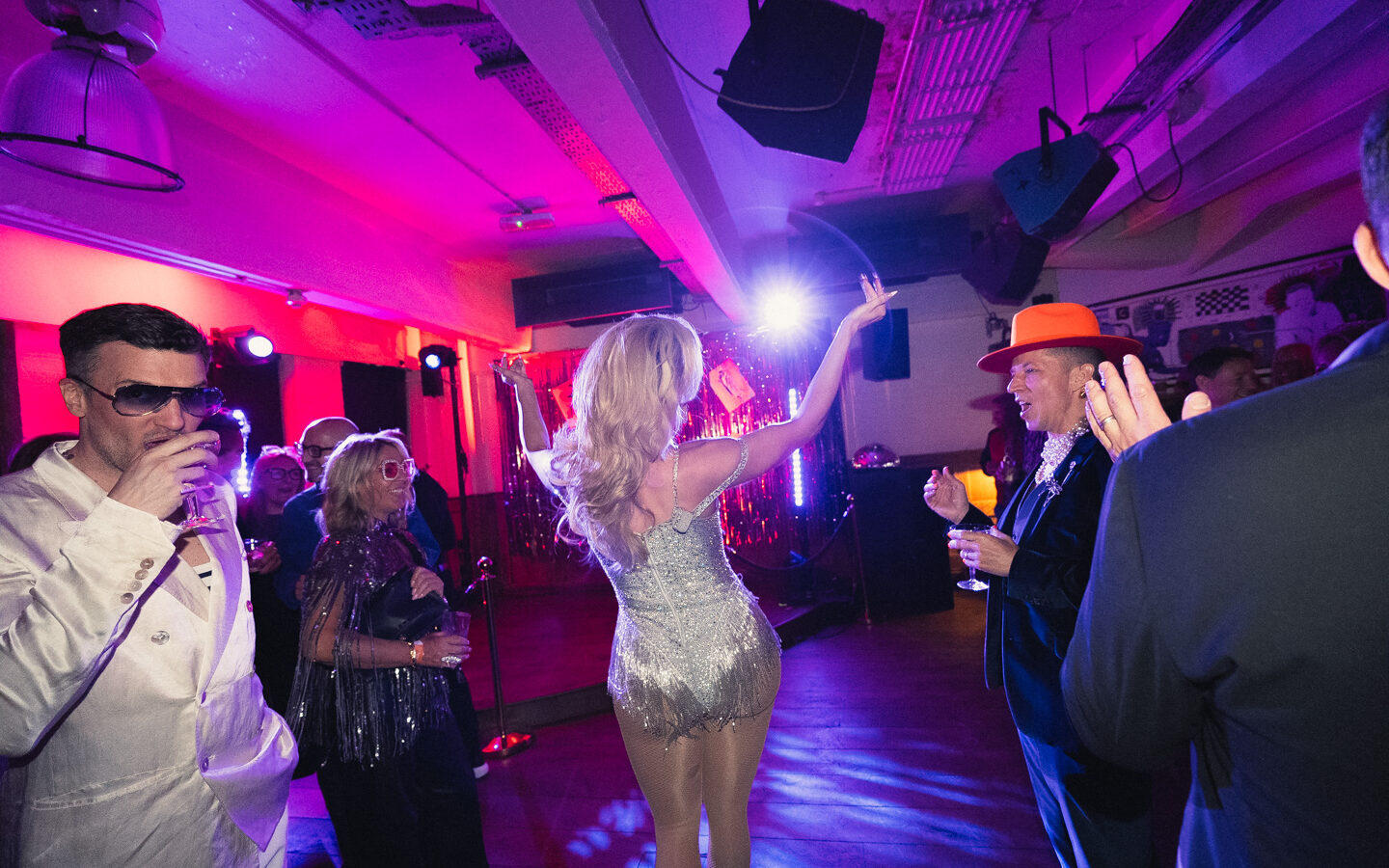
A grassroots queer collective asked me to document their space, and the first thing they said was that the last photographer had made it feel like a wildlife shoot. He’d observed them from a distance, never spoken to anyone properly, and produced images that were technically fine and completely alienating. The collective didn’t want to be observed. They wanted to be part of how their own story got told.
That distinction, between documenting a community and documenting with one, is the whole of this work. Community documentary at its best is collaborative, where the people being photographed have a real say in what’s shot, how they’re shown, and where it goes. For queer communities, who’ve been badly represented by outsiders for so long, that participation is the point.
The community is the author here as much as the photographer.
What community documentary means
Community documentary records the life of a group, a collective, a space, or a movement, with the aim of representing it fairly and usefully. It might serve the community’s own records, a funding case, an exhibition, or simply the desire to be seen properly.
What sets it apart from ordinary documentary is the relationship. The community isn’t a subject to be captured but a collaborator in how it’s represented, with a genuine voice in the process. That changes everything about how the work is made.
Done well, it leaves the community with something they value and recognise rather than something taken from them.
Working with, not on, a community
The collaborative approach means involving people from the start. Talking through what the project is for, what they want shown, what they’d rather keep private, and how they want to come across. The community shapes the brief rather than receiving the results.
I work this way because it produces better and more honest images, and because it’s the right way to treat people who are sharing their lives. A community that trusts the process opens up in a way that no amount of long lens observation can reach.
The photographs end up belonging to the relationship, which is what makes them true.
Why outsider documentary so often fails
Communities, especially marginalised ones, have been burned repeatedly by photographers who arrive, extract dramatic images, and leave, returning nothing and often misrepresenting what they saw. The results serve the photographer’s portfolio and the community’s discomfort.
Coming from inside the queer community, I understand why that wariness exists and work to earn trust rather than assume it. The aim is never to take a dramatic shot at the community’s expense, but to make work the community is glad exists.
The difference shows in whether people relax around the camera or brace against it.
Participation and shared authorship
Some community projects go further, into genuinely participatory work where community members help shoot, choose, or even make the images themselves. That can mean workshops, handing over cameras, or collaborative editing, depending on what the group wants.
This kind of shared authorship produces work with a perspective no single photographer could bring, because it comes from many people inside the experience. I’m glad to facilitate that rather than insist on being the sole author when a project calls for it.
The most powerful community documentation often has the community’s own hands all over it.
Serving the community’s actual needs
Community documentary should be useful to the community rather than only to whoever commissioned it. That might mean images for their own archive, for a funding bid, for a campaign, or for an exhibition that gives the group visibility on their terms.
I shoot toward the real need, and I make sure the community gets the images and a say in their use rather than handing everything to a funder and disappearing. The work should leave the group stronger, with material they can keep using.
Tell me what the community actually wants from this, and the project gets built around that.
Where in London
This work happens in community spaces, centres, streets, and events across the city, including the grassroots venues around Hackney where so much queer community life is rooted. I go to where the community already gathers rather than relocating it.
If portraits or a controlled element are needed, I run a studio in east London called Lemon Shark Studio, but the heart of community work is in the community’s own spaces.
For a sense of how I work with people and place, more of my photography is at LemonLens.
Consent, privacy and safety
Community work involves many people, and consent has to be handled clearly across all of them. Everyone should understand what’s happening and agree to it, with the option to stay out of frame. In queer spaces, outing risk means this is non negotiable.
I work with the group to agree how images can be used, who can be identified, and what stays private, and I hold to it. Protecting people’s safety always comes before any single image, however good.
For guidance on representing LGBTQ communities well, Stonewall offers thoughtful resources worth a read.
Leaving something behind
Good community documentary gives back. That means sharing the images with the people in them, crediting the community properly, and making sure the work serves the group beyond the photographer’s portfolio. The relationship should outlast the project.
I’d rather build something a community keeps drawing on and feels ownership of than collect images and move on. That’s the difference between extraction and contribution, and it’s the standard the work should be held to.
A community that feels well served by a project tends to keep telling its story, which is the best outcome there is.
The pace of community work
Community documentary can’t be rushed, and trying to do it fast is how it goes wrong. Turning up once with a camera and expecting honest images is like expecting a stranger to confide in you on a first meeting. The good frames come after people have got used to you being around, which takes more than a single afternoon.
So I’d usually rather spread the work across several visits than cram it into one day, even when budgets push the other way. A few shorter sessions where I become a familiar face produce far better and more honest images than one long session where I’m a stranger the whole time.
That pacing is worth planning for from the start. If a project genuinely only has one day, we focus it tightly and I’m upfront that the results will be warmer the more the group already knows me. Where there’s room to build the relationship over time, the work gets noticeably better, and the community ends up with something they actually feel part of rather than something done to them in an afternoon.
What it costs
Community documentary varies with scope, from a single day, usually starting around £300, to a longer participatory project priced around its length and the work involved. Grassroots budgets are a real and welcome conversation rather than a barrier.
Every photographer on the queer.photo/ roster sets their own rate, so you'll see a real figure on each profile before you book. You weigh the work against the price together.
For a community group, honest documentation can support funding and visibility in ways that more than repay the cost.
Choosing the right photographer
Hire someone who works collaboratively and clearly respects the communities they photograph, coming to queer spaces from inside rather than as a tourist. For this work, the relationship and the ethics are the whole foundation.
Tell us about your community and what you want from the project, and we’ll match you with someone from the roster who’ll make it with you rather than about you. We aim to come back to you within a day.
Common questions
What does it mean to document with a community rather than about it?
The community helps shape what’s shot, how they’re shown, and where it goes, rather than being observed from a distance. They’re a collaborator with a real voice in the process, which produces more honest images and treats people properly.
Why do outsider community projects often fail?
Because photographers arrive, extract dramatic images, leave, and return nothing, serving their own portfolio at the community’s expense. Coming from inside the community, the photographer works to earn trust and make work the group is glad exists.
Can community members be involved in making the images?
Yes. Some projects go fully participatory, with workshops, handing over cameras, or collaborative editing, depending on what the group wants. That shared authorship brings a perspective no single photographer could.
How is consent handled across a whole group?
Clearly and for everyone, with people understanding what’s happening, agreeing to it, and able to stay out of frame. In queer spaces outing risk makes this non-negotiable, and how images are used is agreed with the group and held to.
How much does community documentary photography in London cost?
A single day usually starts around £300, with longer participatory projects priced around their scope. Each photographer lists their own rate, and grassroots budgets are a real, welcome conversation rather than a barrier.
Ready when you are. see documentary options, or find a photographer.