Queer documentary photography in London, real life shot from the inside
A community group asked me to document a year of their work, and on the first day one of their members took me aside and asked, plainly, whether I was there to help them tell their story or to mine it for mine. It was a fair question, and it gets to the heart of documentary photography. The camera can witness a community or it can extract from it, and the difference is everything.
Documentary work is the most ethically loaded photography there is, because you’re representing real people’s lives, often people with less power than the photographer. When the subject is a queer community, that responsibility deepens, because queer lives have so often been documented badly, sensationally, or by outsiders who got it wrong. A queer documentary photographer comes to the work from inside, which changes what gets seen and how.
The aim is to witness honestly, with the people rather than at them.
What documentary photography actually is
Documentary photography records real life as it happens, without staging or directing it into something prettier. It might follow a person, a community, an event, or a slow change over time, and its value is its honesty. The photographer is a witness whose job is to see clearly and represent fairly.
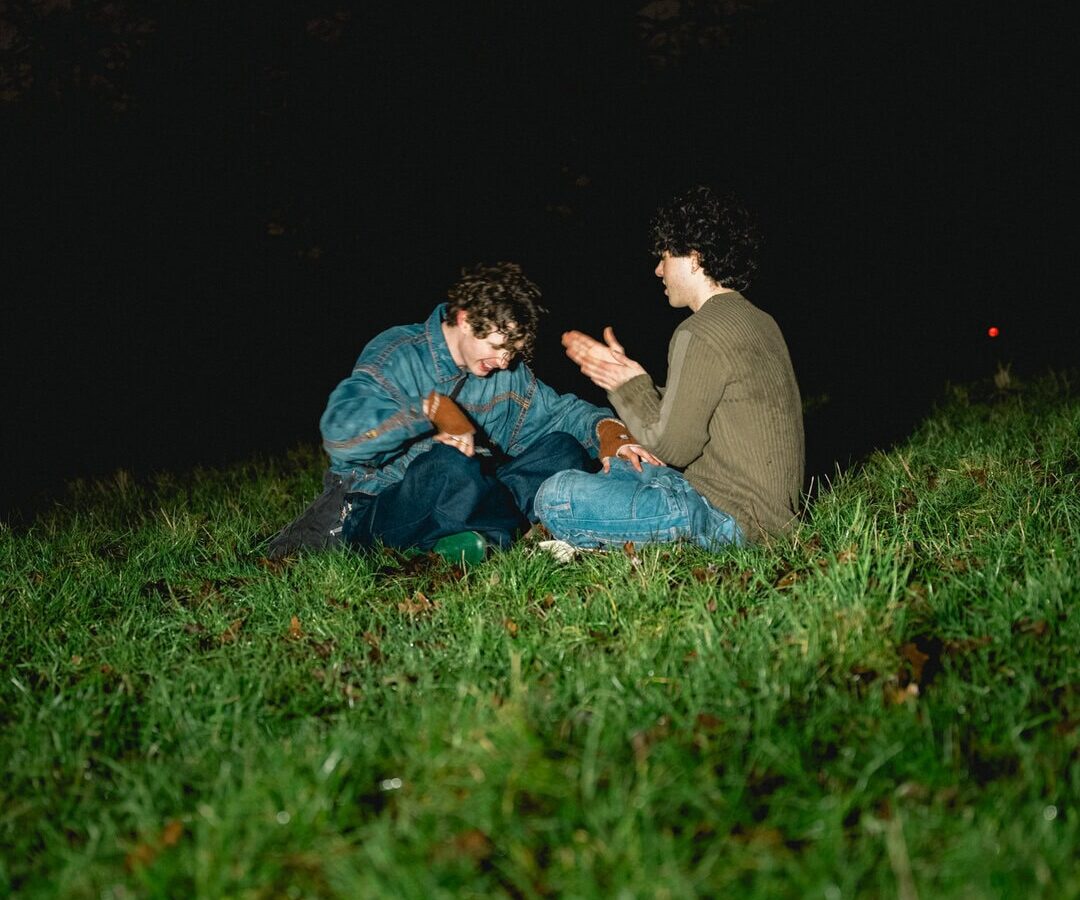
It sits apart from portrait or commercial work because nothing is arranged for the camera. The light is whatever the light is, the moment is whatever the moment is, and the skill is in being present enough to catch the true thing as it passes.
Good documentary holds a tension, shaping a story while staying faithful to what really happened, and that balance is the entire craft.
Why an inside view changes the work
Queer lives have a long history of being photographed by outsiders, framed as tragic, exotic, or as a problem to be examined. Even well meaning outside photographers tend to reach for the dramatic or the pitiable, because that’s the story they expect to find. The result flattens rich, ordinary, complicated lives into a single note.
A queer documentary photographer sees the texture an outsider misses. The humour, the boredom, the tenderness, the in jokes, the ordinary days that make up most of any life. They know which moments matter and which clichés to avoid, because they’ve lived inside the world they’re photographing.
That interior view is what lets the work feel true to the people in it rather than true to a stereotype about them.
Consent as the foundation
Everything in documentary work rests on consent. The people being photographed have to understand what’s happening, agree to it, and keep the right to change their mind. That’s a relationship, not a release form signed once and forgotten.
I work slowly and openly, so subjects know who I am and what the photos are for before any meaningful shooting happens. For queer subjects, outing risk makes this even more serious, so we agree clearly what can be published and where, and I hold to it absolutely.
A photo that harms its subject has failed, however strong it looks, so consent isn’t a constraint on the work. It is the work.
Building trust over time
The best documentary photographs come after the camera has stopped being a novelty, which only happens with time. People perform for a new camera, then forget it, then finally relax into being themselves while it’s there. Reaching that third stage is what separates real documentary from a quick visit.
So I invest the hours, showing up, hanging around, being a known and trusted presence rather than a stranger who parachutes in for a dramatic shot. Trust is earned slowly and it shows directly in the honesty of the frames.
For a community project especially, that patient relationship is what makes the work worth doing at all.
Shooting honestly, not prettily
There’s a temptation in documentary to make everything beautiful, to aestheticise hardship into something gallery friendly. I try to resist it, because over polishing real life can be its own dishonesty, turning someone’s reality into decoration.
That doesn’t mean the photos are ugly. It means the beauty comes from truth rather than from styling, from a real moment caught well rather than a scene arranged to look profound. The honesty is what gives documentary its weight.
The people in the photos should recognise their own lives in them, not a flattering fiction or a grim exaggeration.
Where in London
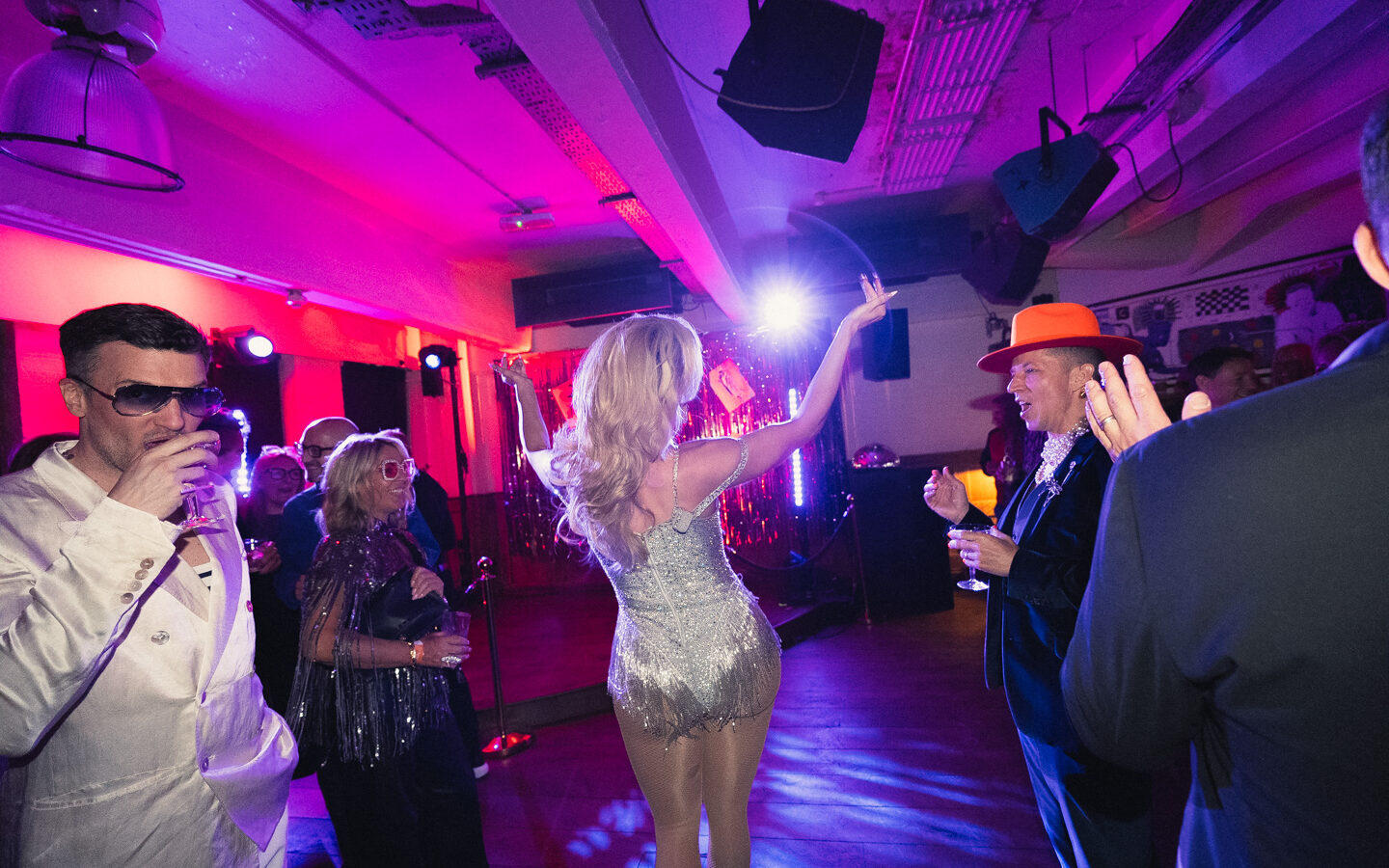
Documentary work happens wherever life is, in homes, on the street, at community spaces and events across the city, including the areas around Hackney with deep queer histories. The location is whatever is real to the story rather than somewhere chosen for the light.
London’s queer communities are spread across the city and constantly shifting, and documentary work means going to them on their terms. I shoot where the story actually lives.
For a sense of how I work with real moments and people, more of my work is at LemonLens.
Documentary for organisations
Charities, community groups, and arts organisations often need documentary photography to show their work honestly, for funding bids, reports, and their own record. That work has to be true rather than glossy, because funders and communities both see through staged positivity.
I shoot organisational documentary so it captures the real impact and texture of the work, the people it serves, the staff and volunteers, the ordinary effort behind the outcomes. Those honest images make a far stronger case than a stock photo of smiling strangers ever could.
If you need this for a bid or a report, tell me the deadline and the purpose so the work serves it. The strongest organisational documentary tends to come from a little embedded time rather than a flying visit, so where the budget allows, a day spent properly with the work beats an hour of grabbed shots.
Who owns the story
Documentary raises real questions about ownership and credit, especially when an outsider profits from an insider community’s image. I try to work in a way that keeps the people central, agreeing how images are used, sharing the work back with subjects, and crediting communities properly.
Where it fits, the people documented should have a say in and a copy of how they’re represented, rather than handing their image over and never seeing it again. That respect is part of doing the work ethically.
For wider context on representing LGBTQ lives well, Stonewall has thoughtful guidance worth reading.
What it costs
Documentary photography varies enormously with scope, from a single day covering an event to a project running over months. A day usually starts around £350, while a longer project is scoped and priced around its length and complexity. Community and charity budgets are a real conversation rather than a barrier.
Every photographer on the queer.photo/ roster sets their own rate, so you'll see a real figure on each profile before you book. You weigh the work against the price together.
For a one off event you’ll know the cost up front. For ongoing work, we build something that fits the project and the budget honestly.
Choosing the right photographer
Hire someone whose documentary work shows real depth and respect for its subjects, and who clearly comes to queer stories from inside the community. For work this sensitive, trust and ethics matter as much as the eye.
Tell us about the story or community you want documented, and we’ll match you with someone from the roster who’ll witness it honestly. We aim to come back to you within a day.
Common questions
What makes documentary photography different from a normal shoot?
Nothing is staged or directed. Documentary records real life as it happens, following a person, community, event or slow change, and its value is its honesty. The photographer is a witness whose job is to see clearly and represent fairly.
Why does a queer documentary photographer matter for a queer story?
Because they see the texture an outsider misses, the humour, tenderness and ordinary days, rather than reaching for the tragic or exotic story outsiders expect. The work ends up true to the people rather than to a stereotype about them.
How is consent handled, especially with outing risk?
As an ongoing relationship, not a one-off form. Subjects understand what’s happening and keep the right to change their mind, and what can be published and where is agreed clearly and held to absolutely. A photo that harms its subject has failed.
We’re a charity needing honest images for a funding bid. Can you help?
Yes. Organisational documentary captures the real impact and texture of your work, which makes a far stronger case to funders than staged positivity. Tell the photographer the deadline and purpose so the work serves it.
How much does queer documentary photography in London cost?
A day usually starts around £350, while longer projects are scoped around their length and complexity. Each photographer lists their own rate, and community and charity budgets are a real conversation, not a barrier.
Ready when you are. see documentary options, or find a photographer.