Non-Binary Boudoir Shoot in London, agreeing the words before the camera comes out
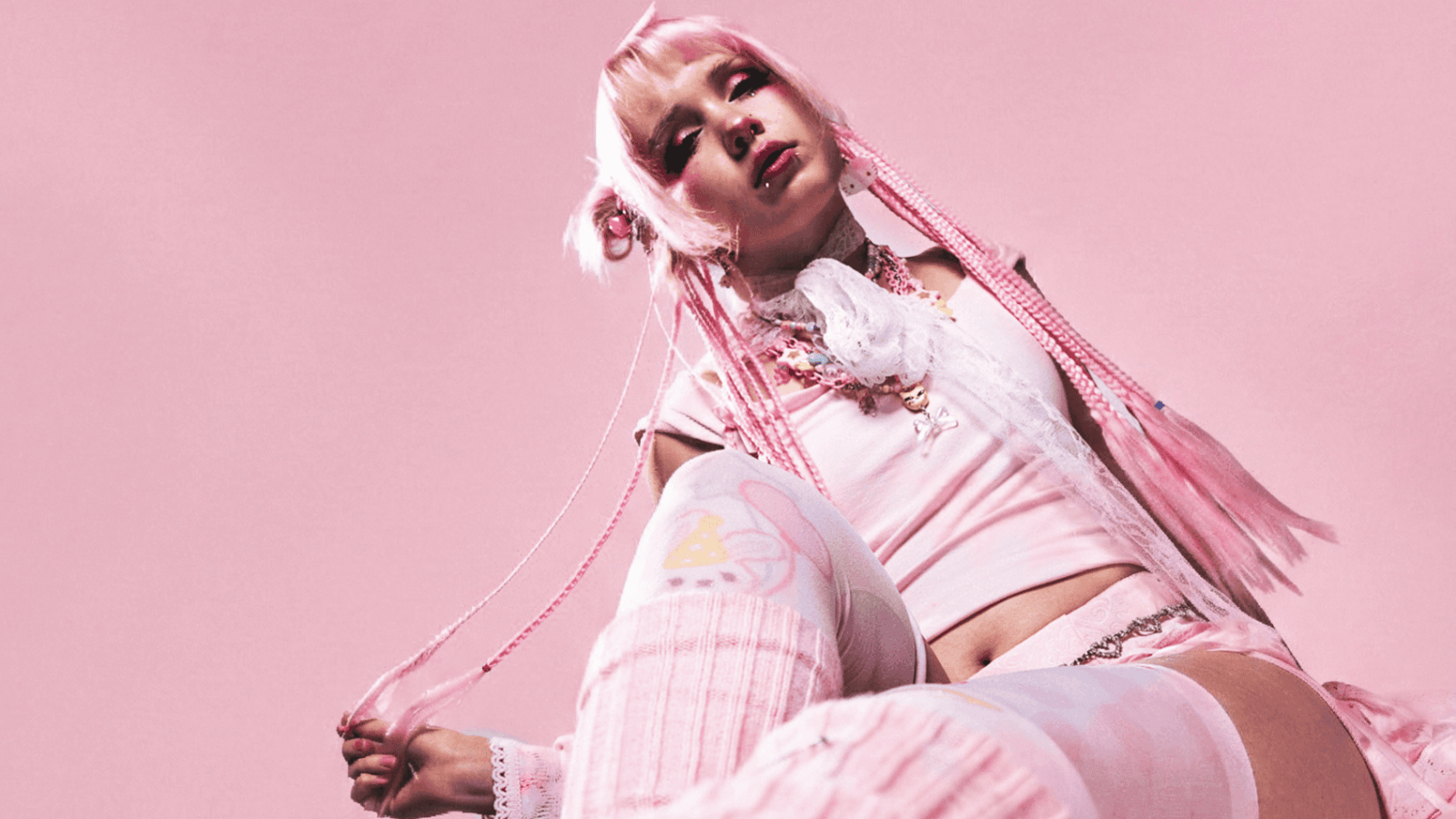
Somebody messaged me last spring about a boudoir session they’d booked somewhere else and then cancelled. The photographer had been perfectly nice about the whole thing. She’d also spent the entire consultation call saying “girl” and “sexy” and “us women”, and by the end of it they’d worked out that the afternoon was going to be a performance of somebody else’s idea of a body.
Booking a non-binary boudoir shoot in London hinges on that more than anything technical. Kit is kit and lighting is lighting. What changes the day is whether the person holding the camera has agreed in advance what they’re going to call your body while they’re directing you.
Get the words right and the rest is an afternoon in a warm room.
The words we agree on first
Before a shoot I ask what to call things. Chest or breasts, or neither, and whether “hips” is fine while “waist” isn’t. Some people want no anatomical words at all, so I direct by movement instead and say lean this way, or turn until you can feel the light on your cheek.
Write it down. A note on your phone with four words on it, sent the night before, does more for the session than any amount of Pinterest.
It takes two minutes, and it means nobody is improvising vocabulary at the exact moment you’re least able to correct them.
Being directed without being gendered
Most boudoir direction comes out of one very specific tradition. Arch the back, drop the shoulder, chin down, eyes up. Somebody built that for one kind of body doing one kind of femininity, and it falls apart the second the person in the room isn’t doing that.
What works instead is prompting rather than posing. Walk towards me and stop when you want to, or push your hands into the mattress and see what your shoulders do on their own. You end up with pictures of somebody moving through a room instead of somebody holding a shape they were told to hold.
Prompting is slower, though. Book the longer session if you can, because the first twenty minutes usually go on nothing except getting comfortable.
Chest, binders, and what happens if it comes off
Binding for a full session isn’t safe, and any decent photographer will raise it before you have to. Eight hours is the usual outside limit, and a shoot plus travel plus getting ready eats through that quickly.
So we plan around it. Shoot the bound pictures first while you’re fresh, break properly, then decide in the room whether anything happens unbound. Deciding no in the room is also fine, and the deposit doesn’t care either way.
Post-op clients sometimes want scars lit deliberately and sometimes want them softened. That’s a conversation rather than an assumption in either direction.
Who is actually in the room
Nobody else, usually. A boudoir session with an assistant sitting in the corner is a completely different experience, so ask early whether the photographer works alone on these.
Bring somebody if you’d rather. A partner or a friend in the next room changes how the whole thing feels, and a photographer who resists that has told you something useful about how they run a set. Lock the door, cover the window, and ask about both if the studio doesn’t raise them first.
Where these happen in London
Studios around Hackney Wick and Bethnal Green come in cheaper midweek and most have a proper private changing area. Ask whether the space is shared, because an open-plan studio with three other bookings that day is the wrong room for this.
Hotel rooms are the classic option and they photograph beautifully, though a decent one in zone 1 adds £150 or more to the day. Your own bed is free and familiar, and usually has better light than you’d expect, especially on an upper floor anywhere in Hackney or Peckham where the buildings stay low enough to let the sky in.
What you wear matters less than you think
People agonise over this for weeks and then shoot the best pictures of the day in a plain white vest and their own underwear. Bring whatever you feel armoured in. A binder, a suit jacket over nothing, a football shirt, the dressing gown you already own, and one thing you’d never normally risk wearing outside the house.
Lingerie is optional and always has been. Half the non-binary sessions I’ve shot didn’t involve any.
What a non-binary boudoir shoot in London actually costs
Boudoir usually starts around £500 in London for a shorter session with an edited private gallery. Longer sessions and studio hire push it up from there.
Every photographer on the roster publishes their own rate on their profile, so you can work out who’s within budget without emailing anybody and explaining yourself first. For a lot of people that part matters more than the number itself.
Ask whether the quote covers retouching or charges you per picture. That’s where boudoir prices quietly diverge from each other.
Choosing the right photographer
Look for non-binary and trans bodies in the work itself rather than on the about page. Somebody who has shot this before will have pictures where you genuinely can’t tell what the subject was assigned at birth, and that isn’t luck.
Then ask two things on the call: what will you call my body, and where do the files live afterwards. If either answer arrives vague, keep looking. Every photographer on the roster has answered both already, and there’s more on what happens to boudoir photos afterwards if that’s the part keeping you awake.
Common questions
What happens at a non-binary boudoir shoot?
You agree the language and the boundaries before the day, then shoot for one to three hours in a studio or at home. The photographer prompts you to move rather than posing you into shapes, and you see the edited pictures in a private gallery afterwards.
Do I have to get undressed?
No. Plenty of non-binary boudoir sessions happen fully clothed, and a vest and underwear is the most common wardrobe of all. You decide in the room, and you can change your mind at any point without losing the booking.
Can I stay bound for the whole session?
Eight hours is the usual safe outside limit for binding, so plan the bound pictures for the start of the session while you’re fresh and take a proper break in the middle.
Who else will be in the room?
Usually only the photographer. Ask whether they work alone on boudoir, because an assistant changes the room completely, and bring a partner or friend to wait nearby if that helps.
How much does a non-binary boudoir shoot in London cost?
Sessions usually start around £500 for a shorter shoot with an edited private gallery, and rise with session length and studio hire. Every photographer on queer.photo sets their own rate and shows it on their profile before you make contact.
What should I bring to wear?
Whatever you feel most yourself in, which is often a plain vest, a binder, an oversized shirt or a suit jacket rather than lingerie. Bring two or three options and decide once you’re in the room and can see how each one photographs under the light.
Ready when you are. see portrait options, or find a photographer.