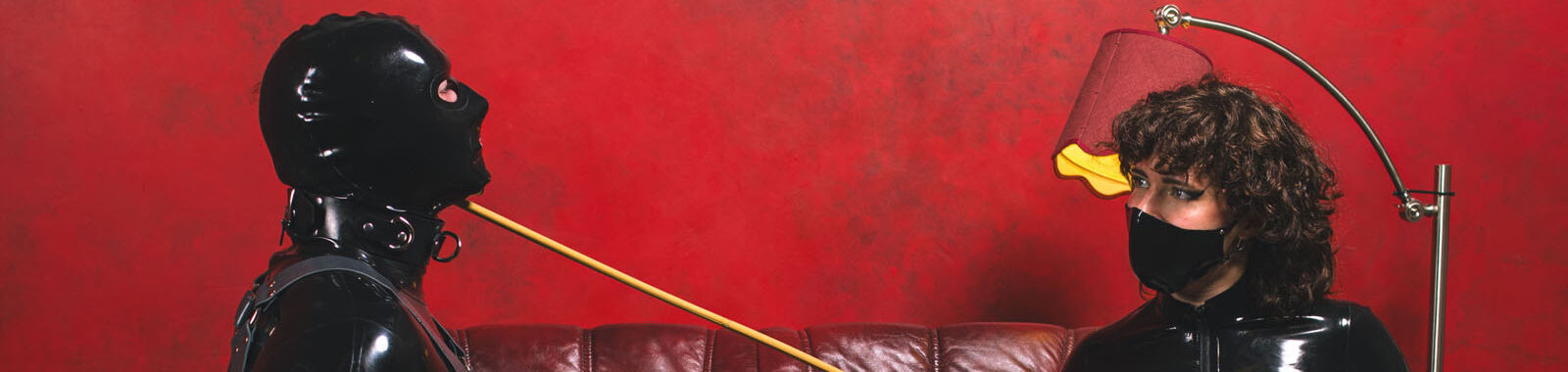
Queer Boudoir Photographer in London, and what happens to the photos afterwards
A client emailed me eleven months after her shoot to ask whether I still had the files. She’d changed her mind about one set of photos and wanted them gone, properly gone, rather than hidden behind a dead gallery link. It was a completely reasonable question and I could tell from how carefully she’d worded it that she’d been drafting it for a while.
She’d asked about lighting before the shoot. She’d asked about what to wear. Nobody tells you to ask what happens in month eleven.
Most people choosing a queer boudoir photographer in London compare portfolios and prices, then find out about file storage, portfolio rights and deletion policies afterwards, by accident, when it matters.
The afterwards is the part worth getting right, because it lasts a lot longer than the shoot does.
The question people ask last
Everyone asks whether they’ll feel comfortable on the day. Fair enough, and a good photographer will spend real time on that before you ever get in front of a camera.
Hardly anyone asks who’s holding the pictures in two years, on which drive, backed up to which cloud account, and under what agreement. Those answers exist whether or not you ask for them. You just get to choose between finding them out now or finding them out later.
Who actually holds your files
Here’s the bit that surprises people. Under UK law the photographer owns the copyright in the photographs, even though you commissioned them and paid for them. That’s been the position since the Copyright, Designs and Patents Act 1988 removed the old commissioning rule.
What you get instead is arguably better suited to boudoir. Section 85 of that Act gives anyone who commissions photographs for private and domestic purposes the right not to have them issued to the public, exhibited, or broadcast. So the photographer holds copyright, and you hold a statutory veto on publication. Neither party can act alone.
That’s the legal floor. A decent contract should sit above it, not lean on it.
What the contract should actually say
Find the portfolio clause and read it slowly.
Most photography contracts include permission to use images for promotion, which is unremarkable in a wedding contract and a considerably bigger deal in this one. The version you want is opt-in rather than opt-out, decided after you’ve seen the photos rather than before you’ve had the shoot.
Agreeing to portfolio use in January, when the images are hypothetical, is not the same as agreeing to it in March when you’re looking at a specific photo of your specific body. Any photographer who does this a lot will already offer you the March version.
You should also see a retention period in writing. How long do the files stay on their system, and what happens at the end of it.
Deleting the ones you hate
Ask this directly, and listen for whether the answer includes backups.
Plenty of photographers will happily delete an image from your gallery and genuinely believe the job is done, while a versioned cloud backup quietly keeps a copy for another ninety days because that’s what versioned backups are built to do. It isn’t malice, just that nobody thought about it until you asked.
The answer you want sounds like a process rather than a reassurance. Working file deleted, backup version purged, gallery expired, confirmation sent.
Where in London this happens
Studio or home makes more difference to comfort than most people expect. East London has the density of hireable daylight studios, particularly around Hackney and Bethnal Green, which usually means a private room, a locked door and nobody wandering through. South London tends toward smaller independent spaces where you may be sharing a building.
Plenty of clients would rather shoot at home in Peckham or Walthamstow, in their own light, with their own dressing gown on between setups. That’s a legitimate choice and often the more relaxed one, though you’ll want to check whether your photographer charges travel and whether your flat gets any usable window light before three in the afternoon.
Ask where they’d suggest, then ask why. The reasoning tells you more than the location.
What it costs
Sessions on queer.photo usually start around £500 and climb with the length of the shoot and the number of edited images you take away. Boudoir tends to sit in the middle of that, partly because it needs a longer runway; nobody relaxes in the first twenty minutes.
Every photographer on the roster sets their own rate and it’s on their profile, so you can rule people in or out before you write a word to anyone.
Ask what’s included in the delivered set and whether extra edits are billed separately. That’s where quotes diverge most.
Prints, albums and the box under the bed
A lot of people want these images physically rather than digitally, for a reason that turns out to be practical rather than sentimental. A printed album lives in a drawer, under your control, offline. The folder on your laptop lives on a device that gets lent out and eventually sold on.
If privacy is your main concern, prints are the safer format and it isn’t close.
Choosing someone you’d trust with the files
Comfort in the room is half of it. The other half is admin, which nobody puts on a website because it photographs badly, and which is nonetheless the half you’ll still be thinking about a year from now.
Ask a photographer how they handle deletion requests and you’ll learn a lot from how quickly they answer. Someone who’s thought about it has a policy. Someone who hasn’t will improvise, and you can hear the improvising. The same instinct shows up in how they talk about consent during the shoot itself, which I went into properly in the piece on the pre-shoot conversation.
Every photographer on the roster answers questions like this before you book, not after.
Common questions
Who owns the photos from a boudoir shoot in the UK?
The photographer owns the copyright, even though you commissioned and paid for the shoot. Under section 85 of the Copyright, Designs and Patents Act 1988 you hold a separate right to stop photographs commissioned for private and domestic purposes being published or put on public display. In practice that means neither of you can put them in front of an audience without the other agreeing.
Can I ask a photographer to delete my photos?
Yes, and you should ask how before you book rather than after. A proper answer covers the working files, any cloud backup versions, and the expiry of your online gallery, with written confirmation once it’s done.
Will my photos end up on their Instagram?
Only if you agree to it. Ask for a portfolio clause you opt into after seeing the images rather than one you sign before the shoot. Any photographer who does a lot of boudoir will already work this way.
How much is a queer boudoir session in London?
Sessions usually start around £500 and rise with shoot length. Each photographer publishes their own rate on their profile.
Is it better to shoot at a studio or at home?
Studios give you a private room and light you can count on regardless of the weather, and east London has plenty of them to hire around Hackney and Bethnal Green. Home is often more relaxing and usually costs less, provided your space gets decent daylight before mid-afternoon and you don’t mind your photographer travelling to you. Most people who are nervous about the shoot itself do better at home; most people who are nervous about being seen do better in a studio with a door that locks.
Can couples book a boudoir session together?
Yes, and many do. It changes the pacing more than the pricing, since there’s usually less of the nervous first twenty minutes when there are two of you.
Ready when you are. See portrait options, or find a photographer.