Queer surrogacy photographer in London, and the two shoots that make one story
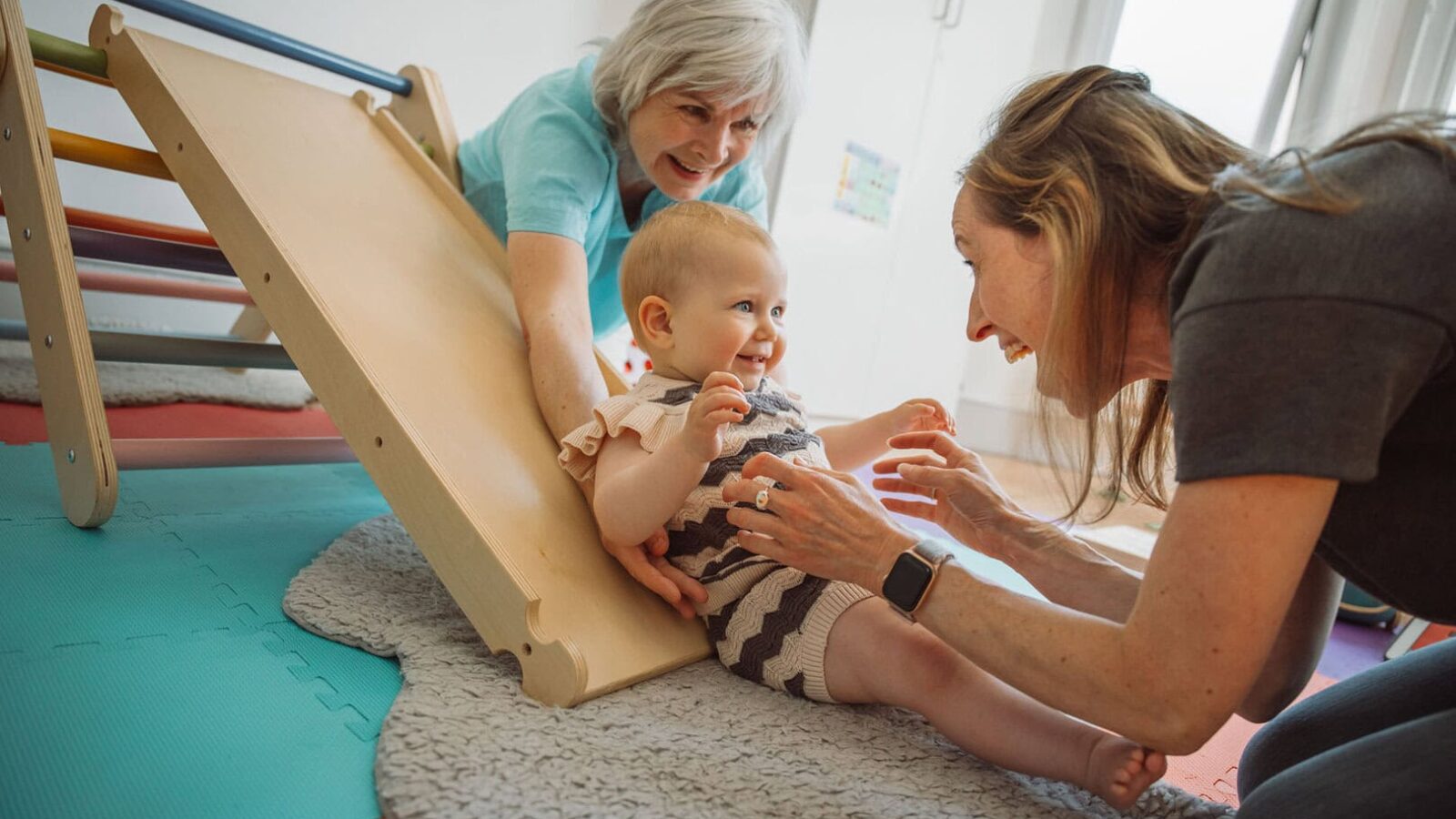
Two dads in Camberwell showed me their phone gallery from the year their son arrived, and there was a gap in it roughly four months wide.
They had scans. They had a hospital corridor at two in the morning, shot badly and half out of focus. Then nothing at all until the christening.
The missing stretch was the whole of the surrogacy. Every drive to Nottingham, every appointment they sat in on, the woman who carried him, none of it photographed by anybody.
They weren’t careless. They were busy, and frightened, and nobody had suggested that this was a thing you could book someone for.
Surrogacy is one long story told in two halves, and most families only ever photograph the second one.
Two shoots, and they belong to different people
Hiring a queer surrogacy photographer in London realistically means hiring for two separate occasions, months apart, with different subjects at the centre of each.
The first sits somewhere in the last trimester and the surrogate is the subject of it. She is the one whose body is doing the work and whose face should be in most of the photographs, with the intended parents alongside her rather than posed in front of her. Get that emphasis wrong and the pictures curdle a bit when you look at them years later.
The second happens after the baby is home, and by then the surrogate may or may not want to be in it. Both answers are normal. A photographer who assumes either one is making your decision for you.
She almost certainly doesn’t live in London
Surrogacy pairings in the UK rarely happen within the M25. The matches I’ve seen go London to Leeds, London to Cardiff, London to somewhere outside Norwich, because the pool of surrogates is small and geography doesn’t get a vote.
Which means the pregnancy half of this is a travel job.
Somebody drives three hours each way for a ninety minute shoot in a house they have never seen, and that lands on the invoice as mileage rather than as extra photography.
Worth asking a photographer directly whether they’d rather travel to her or hand that half to somebody local. Plenty will say travel, and mean it. Some will be honest that a photographer forty minutes from her front door will get a warmer session out of a woman who has never met either of you with a camera present.
Nobody photographs the handover
The day the baby comes to you is the least documented day of the entire process, and it’s the one people describe to me most often when they explain what they wish they had.
Hospitals are awkward about photography for good reasons, and the emotional load in that room is enormous anyway.
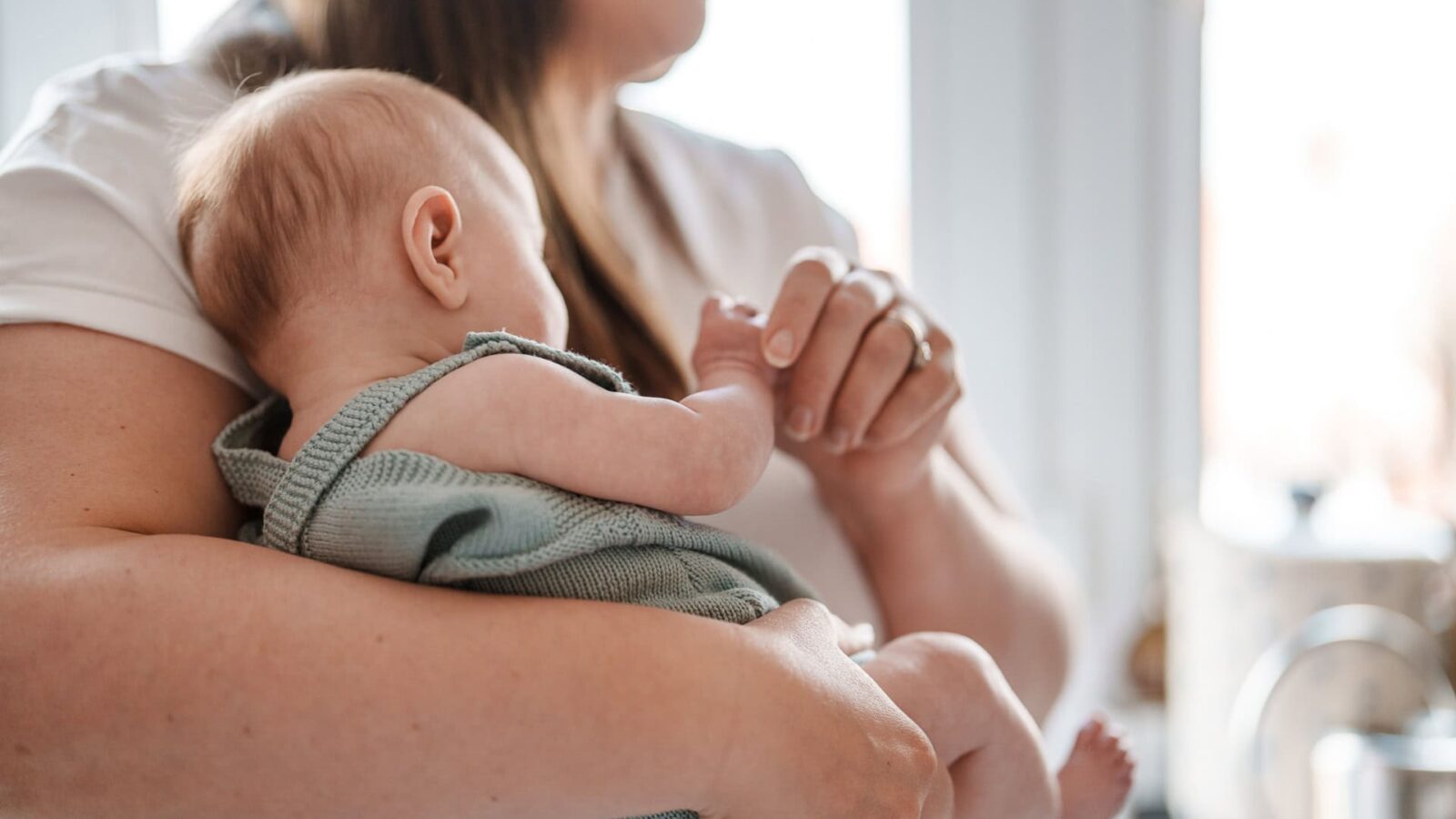
What tends to work is booking someone for the afternoon at home instead, a few hours after you’ve walked in with the car seat. Nothing staged. Coats still on, kettle going, everybody slightly stunned.
Those photos aren’t pretty and they’re the ones families print.
Two families, one decision about what goes public
The surrogate has a life, a family, sometimes children of her own who go to school with people who don’t know any of this. Her appetite for these photographs appearing on Instagram may be very different from yours.
Settle it before the shoot rather than in a group chat afterwards. The version that works: everybody gets the full gallery privately, and a smaller set gets agreed for anywhere public, with her holding a veto over anything she’s in.
A photographer who has done this before will ask you about it unprompted. Take that as a good sign.
The months when the paperwork hasn’t caught up
Under UK law the surrogate is the child’s legal mother at birth, and the intended parents only become the legal parents when the family court grants a parental order afterwards. Cafcass explains the process plainly if you want the detail, on their parental orders page.
So there’s a stretch where you’re doing all the parenting and none of the paperwork says so. Families describe that period as unreal, and the photographs from it end up carrying more weight than anyone expected at the time.
Book the newborn session inside that window rather than after it. You can’t restage a feeling.
Where in London this happens
Home sessions beat studios here every time, and most of the ones I’ve been part of happened in Camberwell or Walthamstow, with a couple around Crystal Palace, in flats big enough to hold a room you’re prepared to let a stranger photograph. Anyone booking through the east London side of the roster tends to want the same thing: their own sofa, their own light, no drive with a two week old in the back.
Say when you enquire which room gets sun in the morning. That single detail decides the whole schedule.
What it costs
Portrait work through queer.photo usually starts around £500 for a single session, and a surrogacy commission is two sessions plus travel, so plan for it as two bookings rather than one.
Photographers on the roster publish their own rates on their profiles, and most will price the pair together if you tell them upfront that both halves are coming. Have a look at the portrait options for a sense of the range before you message anyone.
Mileage to a surrogate two hundred miles away is the line that surprises people, so ask about it in the first email.
Choosing the right fit
What matters more than portfolio here is whether somebody can hold a room containing two intended parents, a surrogate, and occasionally her partner and kids, without defaulting to the assumption that the pregnant woman is the mother.
Ask any photographer you’re considering how they’d introduce themselves to her. The answer tells you almost everything. If it sounds like a version of what they’d say at any maternity shoot, keep looking, because this isn’t a maternity shoot and she isn’t going home with the baby.
The same instinct shows up in ordinary queer family portrait work, where the trap is deciding which adult is the real parent. Read a few profiles on the roster and pick the person whose words about families sound like they’ve been in one of these rooms.
Common questions
How much does a queer surrogacy photographer in London cost?
Portrait sessions on queer.photo usually start around £500, and surrogacy work is normally two sessions rather than one, so budget for both plus travel to the surrogate. Every photographer sets and publishes their own rate on their profile, and most will quote the pair together if you say upfront that you want both halves covered.
Should the surrogate be in the photographs?
That is entirely her decision and it should be settled before the shoot, not afterwards. Some surrogates want to be central to the pregnancy session and absent from the newborn one, some want to appear in both, and a photographer who has worked with surrogacy families will raise the question without being asked.
Can you photograph the birth or the hospital handover?
Hospitals restrict photography and the handover itself is rarely a practical shoot. Booking a session at home a few hours later works better, while the day is still raw and nobody has changed out of what they arrived in.
Who owns the photos when two families are involved?
The intended parents commission the work and receive the full gallery, but good practice is to give the surrogate the same private gallery and a veto over anything containing her that goes public. Agreeing that in writing before the first session prevents an uncomfortable conversation later.
When is the best time to book the newborn session?
Within the first few weeks of the baby coming home, which usually falls before the family court has granted the parental order that makes the intended parents the legal parents. Families consistently say that stretch is the one they most wanted photographed, and it cannot be recreated afterwards.
Ready when you are. See portrait options, or find a photographer.