Decide Your Wedding Photo Style: UK checklist and queer photographer match
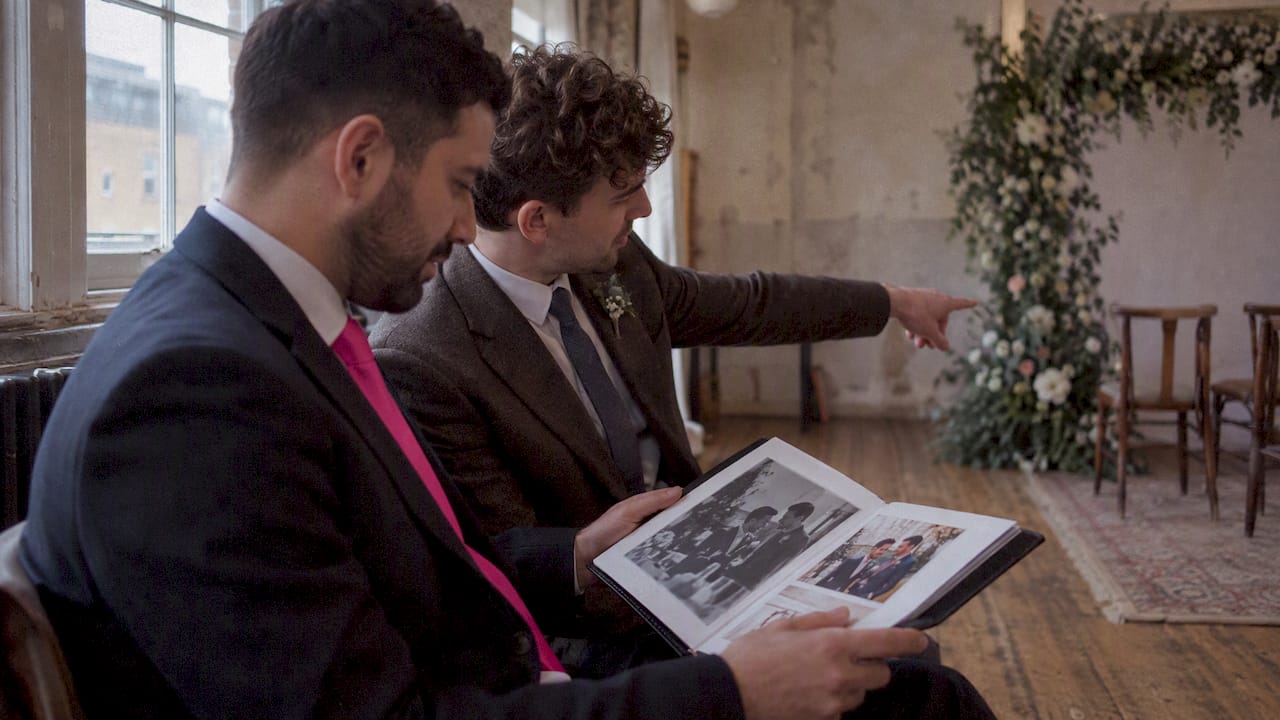
If you’d rather forget the camera is there, documentary photography suits you best. If you love the idea of posed, polished portraits, traditional suits you. Most couples land somewhere between the two, because most photographers now blend both styles across a single wedding day. The checklist further down will help you work out your own mix.
TL;DR:
- Pricing generally averages around £1,484, with additional costs for extras like second shooters, printed albums, or travel expenses.
- Photographers typically retain copyright rights, providing couples with a license to print and share images, so verifying usage rights beforehand is essential.
- For couples prioritizing inclusivity, vetted queer photographers provide authentic representation within documentary or hybrid coverage options.
- Clear communication about desired shots, hours, and style preferences via the checklist ensures the photographer’s approach aligns with the couple’s expectations.
Table of Contents
- How documentary and traditional photography differ in practice
- Pros and cons of documentary wedding photography
- Pros and cons of traditional (posed) wedding photography
- The hybrid approach: how most photographers blend styles and how to brief them
- How to choose: checklist and exact questions to ask photographers
- Pricing and copyright: what couples should budget for and check
- Queer.Photo as an inclusive option for documentary or hybrid wedding coverage
- Ready to book documentary or hybrid coverage with us
- FAQ
- Sources
How documentary and traditional photography differ in practice
The real difference comes down to who’s directing the moment: you, or your photographer. With documentary wedding photography, the photographer steps back and observes, following the day as it happens rather than arranging it. With traditional photography, the photographer takes the lead, grouping people, setting poses and building portraits with intention.
That difference shows up most clearly in timing. Documentary coverage rarely pauses the day for portraits beyond a short couple’s session, while traditional coverage often sets aside a dedicated block for family groups and formal shots. The editing style tends to follow suit too: documentary galleries lean towards natural light and candid expression, traditional galleries towards consistent, polished colour grading across every portrait.
Each style also favours different parts of the day:
- Documentary tends to shine during the ceremony, speeches and dancing, when emotion is unscripted.
- Traditional tends to shine during the portrait window, when light and composition can be controlled.
- Getting-ready moments can work either way, depending on how much direction you want.
- Receptions usually end up documentary by default, since few couples want posed shots once the party starts.
Pros and cons of documentary wedding photography
Documentary photography captures what actually happened: the look between you during vows, your mother’s reaction, the joke that made the room laugh. Because there’s less directing, the moments tend to feel genuinely yours rather than staged for the camera.
The trade-off is control. Family group shots can be missed if nobody’s gently organising them, and camera-shy guests sometimes slip out of frame entirely.
- Strongest for relaxed couples who find posing awkward.
- Strongest for weddings with a lot of unscripted personality, like big families or theatrical guests.
- Weakest for couples who want guaranteed, specific group combinations.
Pro Tip: Ask your documentary photographer to spend ten minutes gathering key family groups near the ceremony exit, so you still get the shots that matter without losing the natural flow.
Pros and cons of traditional (posed) wedding photography
Traditional photography gives you controlled, polished portraits and makes sure every important family combination gets covered, aunt by uncle by godparent. For couples who want a classic album to pass down, that reliability matters more than spontaneity.
The cost is time. Posed sessions interrupt the day, pulling you away from guests for twenty minutes or more, and can feel stiff if the photographer doesn’t put people at ease.
- Strongest for couples who want a complete, guaranteed set of family portraits.
- Strongest for formal venues or traditions where posed portraits are expected.
- Weakest for couples who find posing uncomfortable or want to stay with guests throughout.
Older relatives in particular tend to prefer this approach, since it mirrors the wedding photography they grew up with.
The hybrid approach: how most photographers blend styles and how to brief them
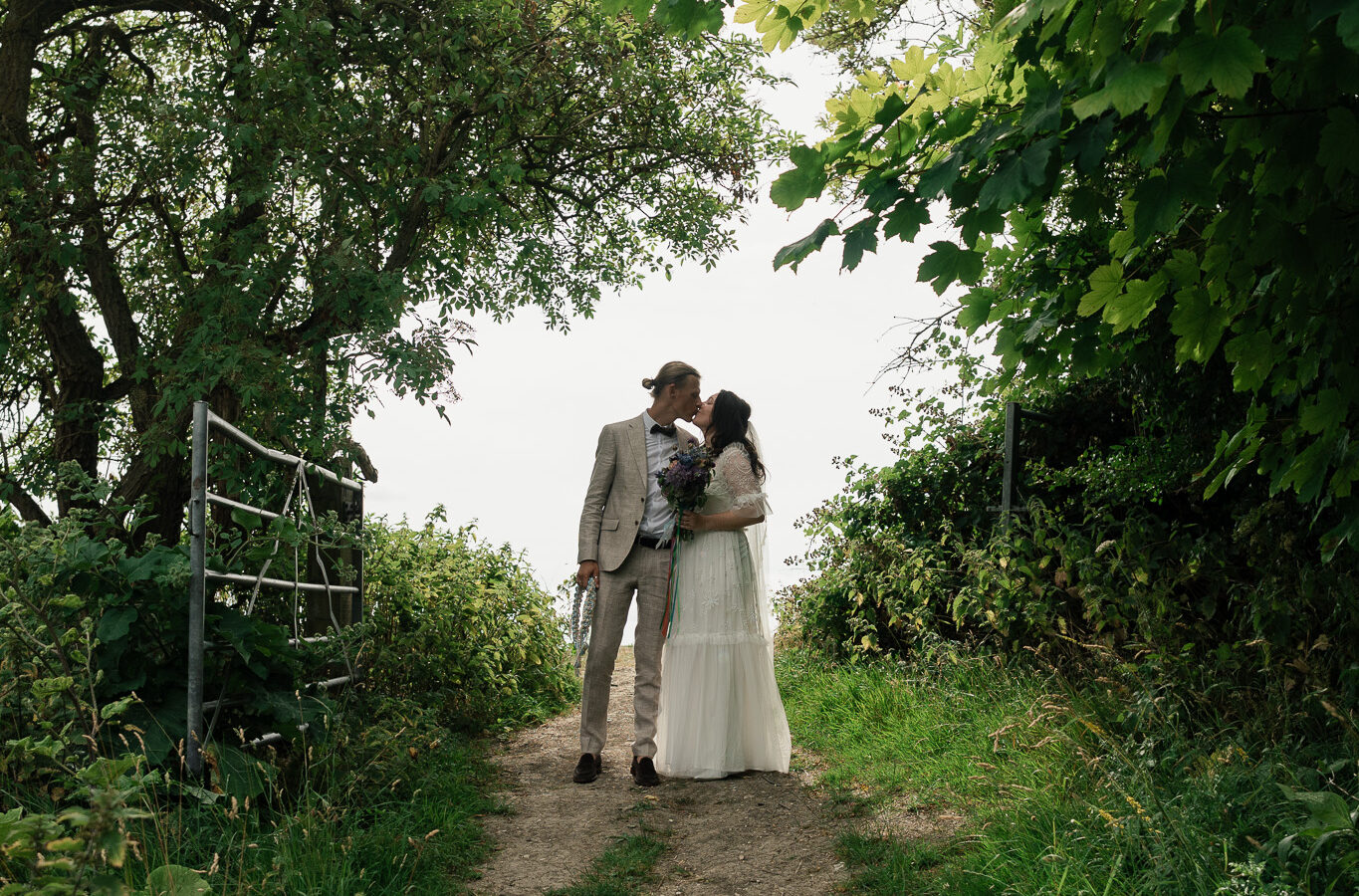
Pure documentary with no intervention at all is rare in practice. Most UK wedding photographers work a hybrid model, offering gentle direction for group shots while shooting candidly for the rest of the day. A typical split might look like:
- Thirty minutes of posed portraits for couple and family groups, usually straight after the ceremony.
- The remaining hours shot documentary style, covering getting ready, the ceremony, speeches and dancing.
- A short “walk and talk” couple’s session, directed just enough to get flattering light without feeling stiff.
To protect the candid time, brief your photographer on exactly which family combinations you need and set a firm time limit for them. Reviewing a photographer’s full galleries, rather than their highlight reel, shows you how that blend actually plays out across real weddings, not just their best five minutes.
How to choose: checklist and exact questions to ask photographers
Once you know roughly where you sit between documentary and traditional, use a short checklist when you contact photographers:
- Ask how many hours of coverage are included and whether a second shooter is available.
- Ask how they handle family group shots within a documentary-led day.
- Ask for their turnaround time on edited galleries and what’s included in the final delivery.
- Ask to see two or three full, unedited galleries rather than a highlights reel.
Each question matters for a reason: hours and second shooters affect how much of the day gets covered simultaneously, turnaround time affects your planning for albums or thank-you cards, and full galleries reveal consistency across lighting, venues and quiet, unglamorous moments. A photographer who’s reluctant to show a complete gallery, or who won’t commit to deliverables in writing, is worth a second look before you book.
Pro Tip: Request the contract terms in writing before paying a deposit, including usage rights and the number of edited images you’ll receive.
Pricing and copyright: what couples should budget for and check
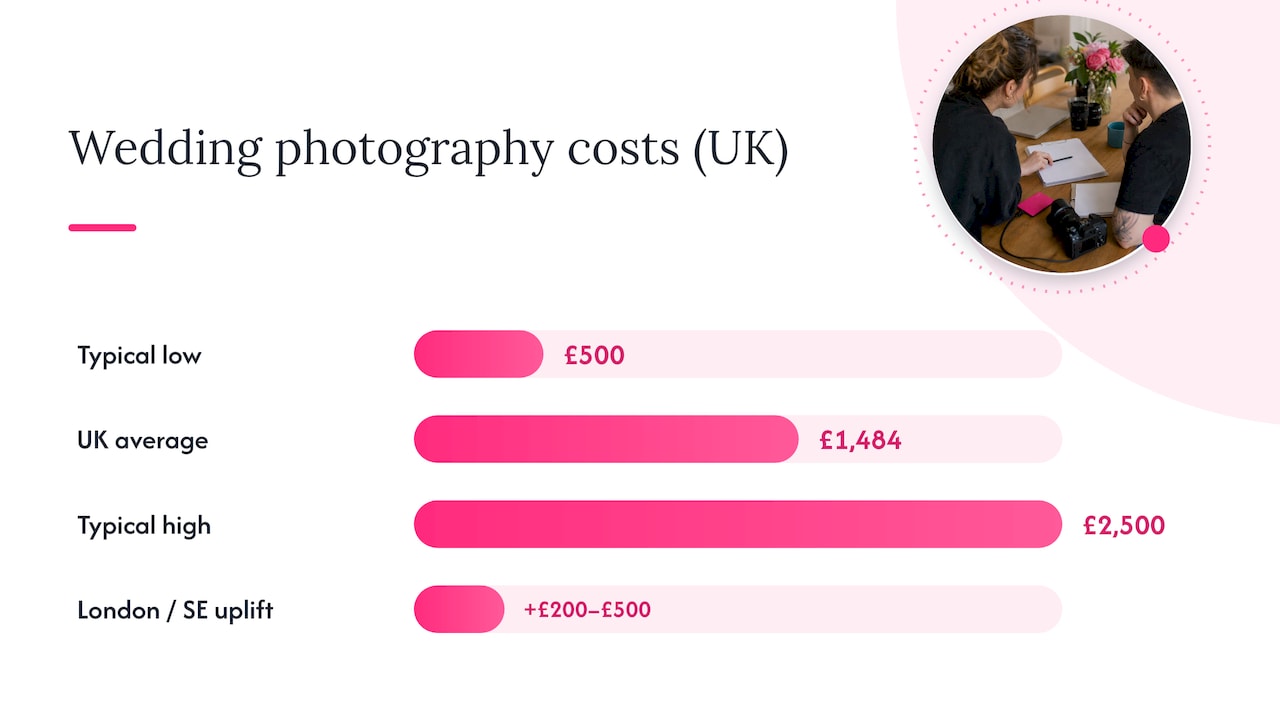
The average wedding photographer in the UK costs £1,484, with typical prices ranging from £500 to £2,500; London and the South East tend to run £200 to £500 higher. A common rule of thumb is to set aside roughly 10% of your total wedding budget for photography and videography combined, though this varies by priority.
Several extras push the price up:
- A second shooter, useful for larger weddings or simultaneous getting-ready coverage.
- A printed album, often sold separately from digital files.
- Travel costs for venues outside a photographer’s usual area.
On copyright, UK law normally makes the photographer the first owner of copyright in the images they create, unless a written agreement assigns it elsewhere. You’ll typically receive a licence to print and share your photos rather than full ownership, so it’s worth confirming usage rights before you sign anything.
Queer.Photo as an inclusive option for documentary or hybrid wedding coverage
If representation matters to how your wedding gets told, we match you with a vetted queer photographer within 24 hours, rather than leaving you to scroll through generic listings. Every image we deliver is original, never stock or AI generated, and every shoot respects pronouns and personal boundaries from the first conversation.
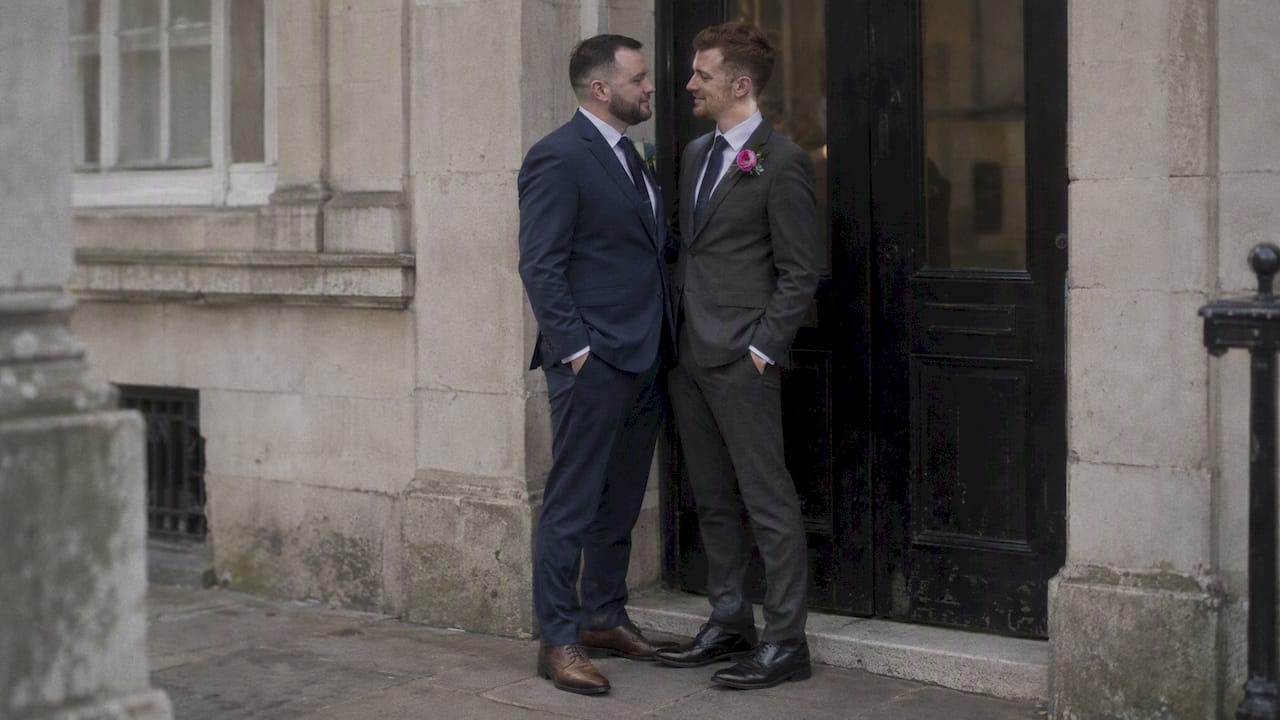
Our wedding packages cover a range of options for celebrations of various sizes, alongside shorter bookings for couples who want lighter coverage. This tends to suit same-sex couples, queer-led celebrations and anyone who wants a photographer who already understands the day they’re walking into, documented in a style that fits London’s queer weddings without having to explain themselves first.
Ready to book documentary or hybrid coverage with us
Once you’ve worked through the checklist above, the next step is simple: tell us your style preference, your hours and your must-have shots, and we’ll match you with a photographer who fits within 24 hours. Our pricing page lists package options including Mini, Standard and Personal brand sessions, with Personal brand starting from £200 one-off, alongside Full day, Elopement and Content day coverage for weddings of every size.
If you’re outside London or want to check availability further afield, our UK-wide service page covers that too. Bring the questions from the checklist to your enquiry, and we’ll talk you through exactly how we’d cover your day.
FAQ
What’s the main difference between documentary and traditional wedding photography?
Documentary photography observes the day as it unfolds with little direction, while traditional photography poses and arranges portraits with the photographer leading. Most couples end up with some blend of both across a single wedding.
How much does a wedding photographer typically cost?
The average UK wedding photographer costs £1,484, with typical prices ranging from £500 to £2,500, and London or the South East often running £200 to £500 higher. Extras like a second shooter, printed albums or travel can add to that figure.
Who owns the copyright to our wedding photos?
Under UK copyright law, the photographer is normally the first owner of copyright in the images they take, unless a written agreement says otherwise. Couples usually receive a licence to print and share the photos rather than full ownership, so it’s worth checking the contract before booking.
Where can I find documentary style wedding photography with queer representation?
We match couples with vetted queer photographers for documentary and hybrid wedding coverage, typically within 24 hours of enquiry. Our packages range from Elopement and Half day bookings through to Full day coverage, with full pricing listed on our prices page.
What’s the difference between editorial and documentary wedding photography?
Editorial photography borrows techniques from fashion and magazine shoots, often using more deliberate lighting and composition even within candid moments, while documentary photography prioritises capturing events exactly as they happen with minimal direction. Many photographers blend elements of both depending on the brief.
Sources
- Wedding photography prices UK: How much does a wedding photographer cost? — Bridebook
- Wedding photography styles explained — WeddingsHub
- Copyright notice: assignment of copyright — UK government