Avoid Token Shots: Corporate LGBTQ+ Event Photography for Planners
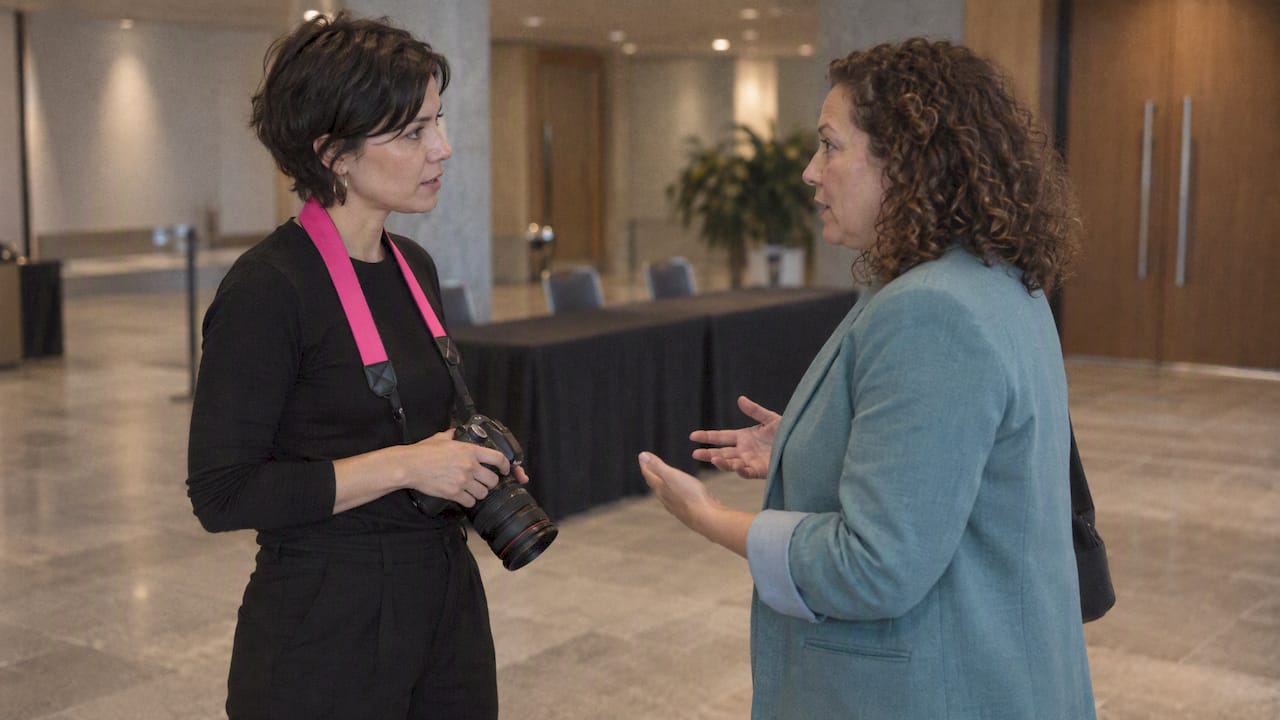
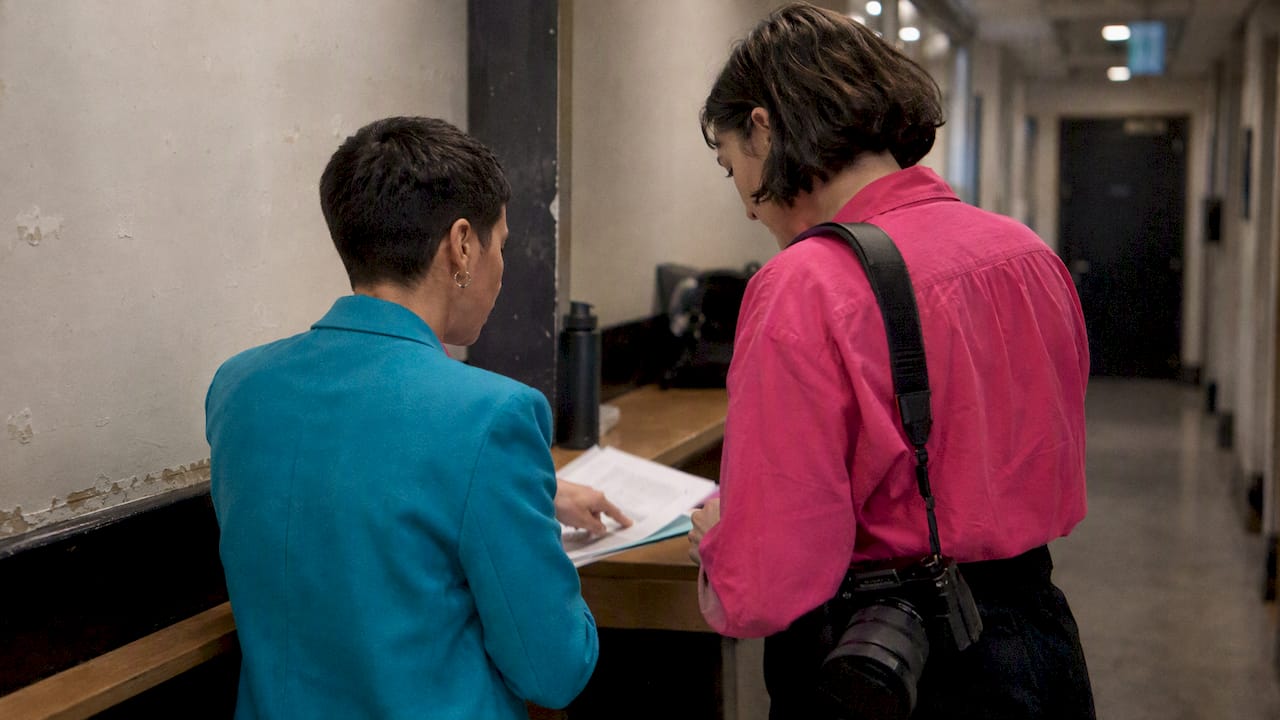
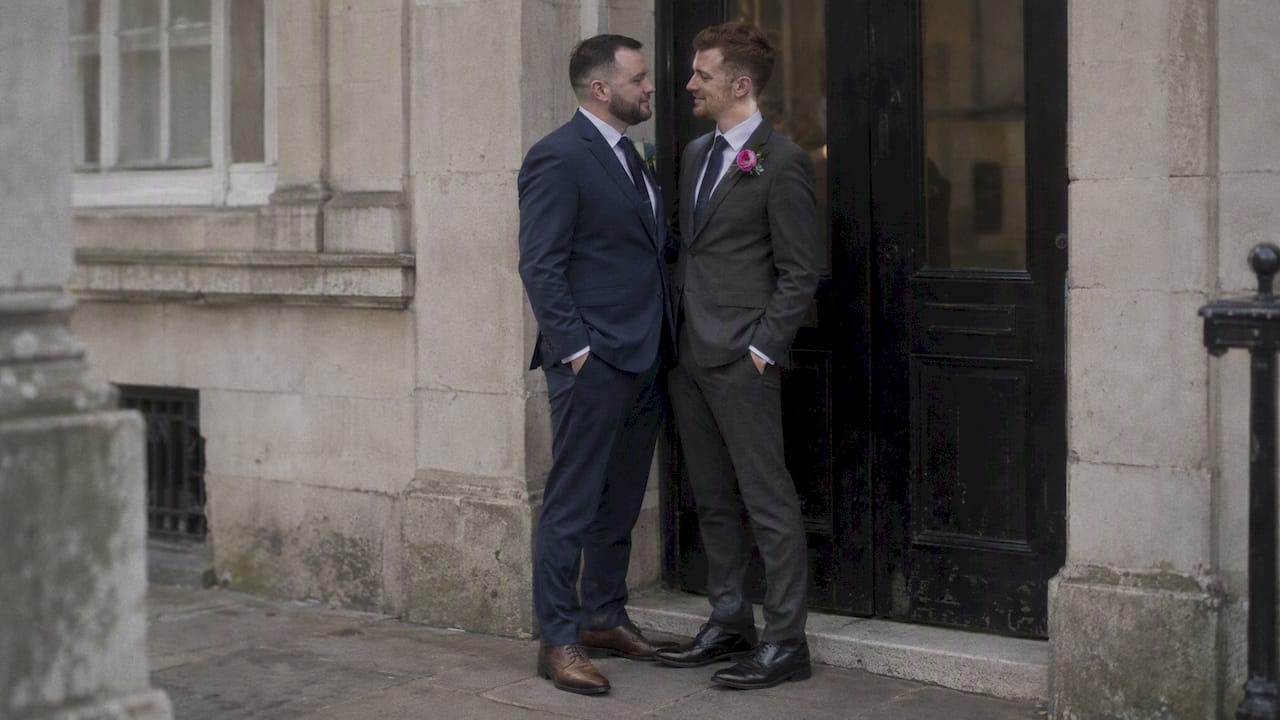
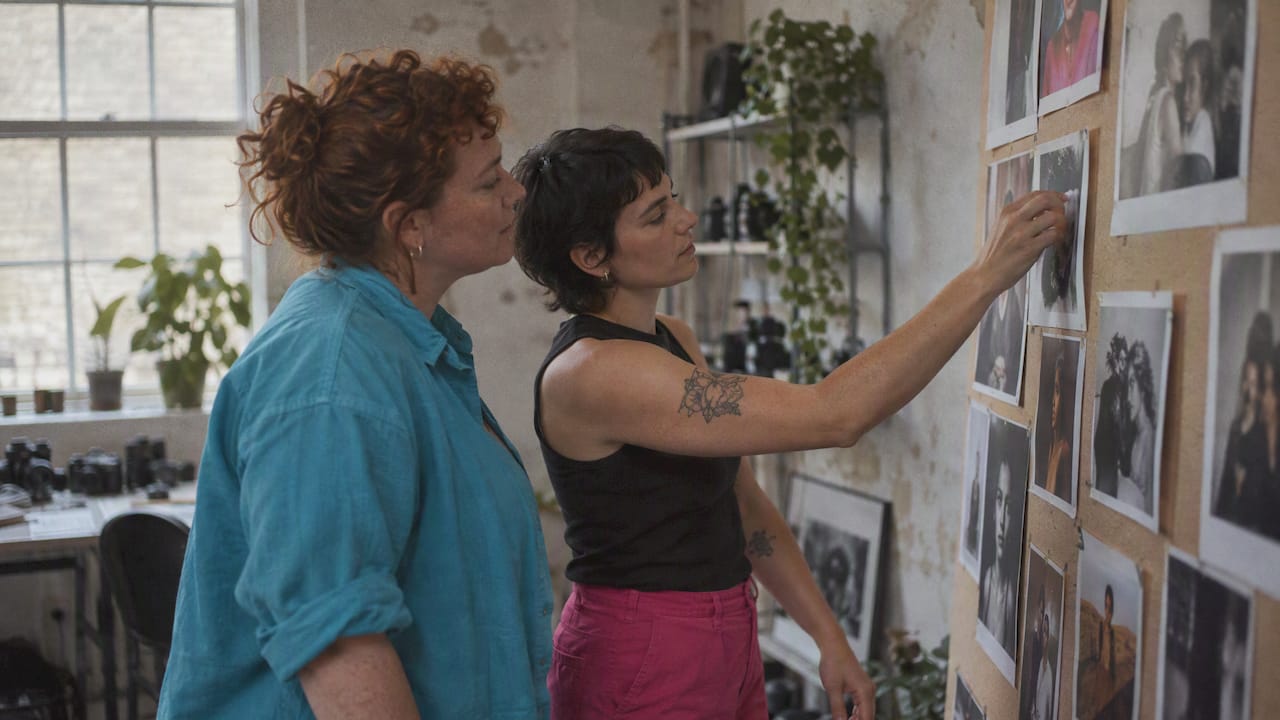
Hire a photographer who already understands LGBTQ+ inclusive events, not just a generalist with a long client list. Look for cultural literacy alongside technical skill, agencies such as Queer.Photo exist for exactly this reason. From there, the real work is choosing well, briefing clearly, handling consent properly and checking accessibility before the day starts. The sections below walk through each step.
TL;DR:
- Hiring a photographer with experience in LGBTQ+ events ensures they notice important moments like pronoun use and accessibility features, not just capturing standard shots.
- Clear briefing, especially with a detailed shot list and cues for quiet inclusion, results in more authentic coverage that reflects the event’s diversity and tone.
- Obtaining legal consent through signage and opt-out options, along with proper record-keeping, protects organizations under data protection rules while respecting attendee privacy.
- Accessibility considerations, such as step-free routes and captioning, should be included in the shoot plan to foster a welcoming environment for all participants.
- Agencies like Queer.Photo expedite matching with vetted queer photographers and offer packages for ongoing or large-scale event coverage, saving time and improving authenticity.
Table of Contents
- Who to hire: experience and credentials to prioritise
- How to brief your photographer: shot list, tone and quiet-inclusion cues
- Consent and data protection: practical steps for events
- Accessibility and inclusive practice when photographing events
- Pricing and time expectations for corporate LGBTQ+ event coverage
- Delivering and using images: rights, captions and accessible publishing
- How Queer.Photo helps: matching you with a queer photographer for authentic corporate coverage
- Sources
- FAQ
Who to hire: experience and credentials to prioritise
A technically brilliant photographer who has never worked an LGBTQ+ inclusive event can still miss the moments that matter most: a trans colleague being introduced with the right pronouns, a prayer room sign next to a gender-neutral toilet, the quiet confidence of someone who finally feels safe at work. Lived experience and cultural literacy are not nice extras. They shape what a photographer notices in the first place.
When you review portfolios, look past the hero shots of keynote speakers. Check for genuine group coverage, candid documentary moments rather than stiff line-ups, and portraiture that avoids stereotype. Someone who photographs LGBTQ+ events well tends to capture people mid-conversation, mid-laugh, not posed and performing inclusion for the camera.
Before you book, ask a few direct questions:
- How do you handle pronouns on the day, and do you ask in advance?
- What LGBTQ+ or DEI-focused events have you covered recently?
- Can you share references from event organisers, not just couples or brands?
- What is your approach if someone asks not to be photographed?
In-house photography can work for low-stakes internal moments, a team lunch or a small meeting. For a conference, summit or anything with external attendees and public-facing output, a specialist agency brings the judgement that in-house staff rarely have time to build.
How to brief your photographer: shot list, tone and quiet-inclusion cues
A strong brief does more work than a talented photographer left to guess. Set it out clearly and you will get coverage that reflects the event you actually ran, not a generic stock-photo version of it.
- List the core shot categories first: plenary sessions, panel discussions, breakout groups, candid networking, and signage or accessibility features.
- Name the “quiet inclusion” cues you want captured: pronoun badges, prayer room signs, step-free routes, accessible seating, gender-neutral facilities.
- Set the tone: mostly candid, with posed portraits reserved for leadership shots or requested headshots. Avoid staged “diversity” groupings that feel tokenistic.
- Confirm logistics: a named liaison for the photographer, arrival time, power and access needs for equipment, and a backup plan if a speaker or session changes last minute.
A shot list that names specific groups, older attendees, wheelchair users, trans staff members, works far better than one that simply asks a photographer to “capture diversity”. Vague instructions produce generic results.
Pro Tip: Share your brief with the photographer at least a week ahead and ask them to flag anything unclear before the event, not during it.
Consent and data protection: practical steps for events
Photographing people at a corporate event sits squarely within data protection rules, and getting the lawful basis right matters as much as getting the shot. Organisations typically rely on one of three bases: consent, legitimate interests, or occasionally public task, with the choice depending on how the images will be used. ICO guidance on photography and data protection recommends transparency and clear record-keeping whichever basis you choose.
In practice, this means:
- Clear signage at entry points stating that photography will take place.
- Registration notices with an opt-out box or a visible marker (a sticker, a lanyard colour) for anyone who prefers not to be photographed.
- A short script for the photographer to use if someone asks to be excluded.
- A record of opt-outs and any removal requests, kept alongside the event file.
Legitimate interests paired with a clear opt-out route is the basis most organisers rely on for general event photography, according to ICO guidance, which keeps promotional use proportionate without demanding individual sign-off from every attendee.
Written consent is still the safer route for close-up portraits or anything used in sensitive contexts, a trans staff member’s headshot used in an external campaign, for instance. If someone asks for an image to be taken down after publication, act on it and update your records so the same image is not reused elsewhere.
Accessibility and inclusive practice when photographing events
Photography should make an event feel more open, not create another barrier. The CIPR’s inclusive events guidance sets out checklists covering physical access, accessible content and image use, and it is worth building these into your photography brief directly rather than treating them as a separate accessibility workstream.
A working checklist for planners and photographers together:
- Step-free access routes and accessible seating captured as part of the shot list, not an afterthought.
- Live captions, BSL interpretation and quiet spaces documented where they exist.
- Sightlines checked so photographers do not block captioning screens or interpreters.
- Alt text prepared for every image before it goes anywhere public.
Representation also needs more than one dimension. A shot list focused only on gender identity can still miss race, age, disability and faith. Build in cues across all of these so the final gallery reflects the actual mix of people in the room, not a single visible marker of diversity.
On the day, small adjustments help enormously: giving a neurodivergent attendee notice before a flash is used, checking in with anyone using mobility aids about camera positioning, and briefing stage managers so lighting changes do not disrupt lip-reading or interpretation.
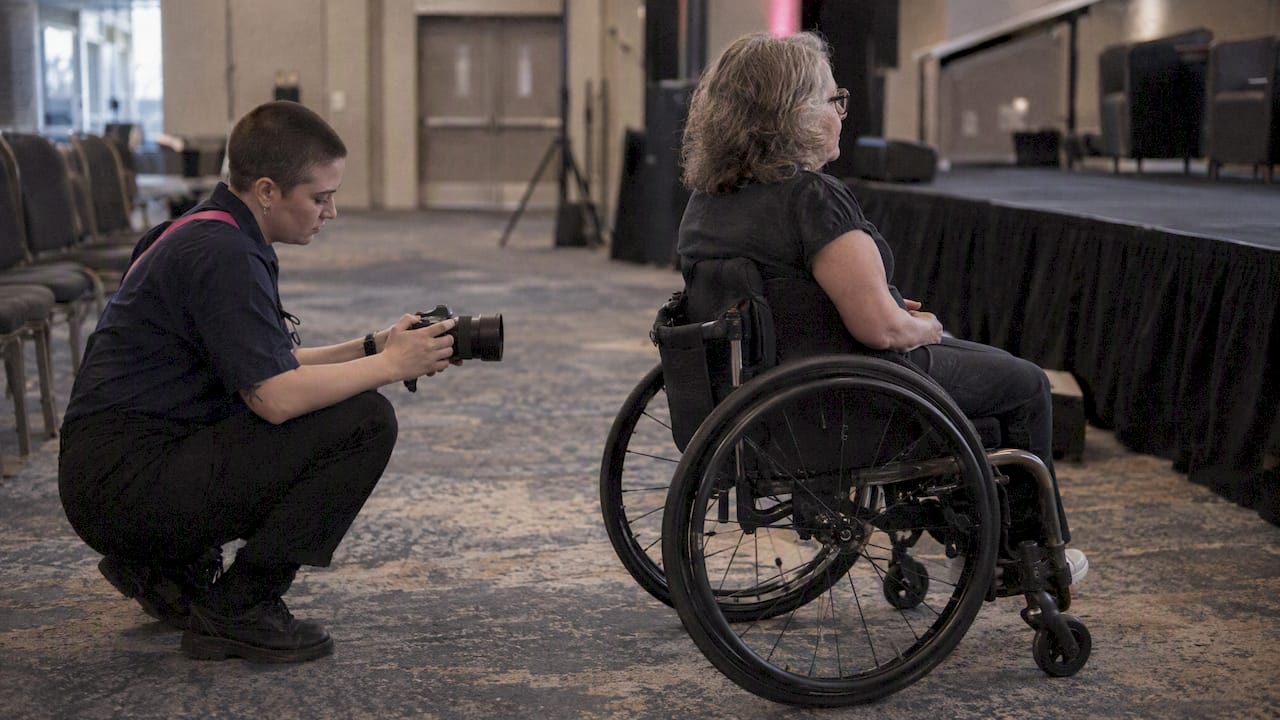
Pro Tip: Ask your photographer to do a five-minute walkthrough with your access coordinator before doors open, it catches problems no brief can anticipate.
Pricing and time expectations for corporate LGBTQ+ event coverage
Corporate event photography is usually quoted as an hourly rate, a day rate, or a fixed package such as a half day, full day or content day. Hours roughly map to deliverables: a two-hour booking suits a single panel or launch moment, while a full day covers a multi-track conference with breakouts, networking and closing remarks.
What drives the price up or down:
- The photographer’s experience with LGBTQ+ or DEI-focused events specifically.
- The scope of usage rights, internal use only versus broad marketing and social use.
- Rush turnaround for same-week or next-day edits.
- Whether a second shooter or additional lighting equipment is needed.
When comparing proposals, ask for the same information from each supplier: expected image count, licence scope, turnaround time, and what happens if you need extra edits afterwards. A proposal that is vague on any of these is harder to compare fairly, whatever the headline price looks like.
Delivering and using images: rights, captions and accessible publishing
Before the shoot, clarify what the licence actually covers. Promotional use, editorial use and social media use are not automatically the same thing, and some photographers charge differently depending on exclusivity and how long you can use the images.
For publishing, accessibility should carry through to the final output:
- Write alt text for every image used online, not just the hero shot.
- Caption images in a way that reflects the people in them accurately and respectfully.
- Credit the photographer, it is both good practice and often a contractual expectation.
- Confirm file formats, resolution and crop variants you will need across channels before the shoot, not after.
If someone opted out or asked for an image to be withdrawn, make sure that restriction travels with the file wherever it is stored, so it is not accidentally reused in a later campaign.
How Queer.Photo helps: matching you with a queer photographer for authentic corporate coverage
Finding the right photographer usually takes longer than planners expect, chasing portfolios, checking references, hoping someone understands the brief without a lengthy explanation. Some agencies shorten that search by matching clients with vetted queer photographers quickly, so you spend less time vetting and more time on the parts of the event only you can run.
Packages cover event coverage, team headshots and content days for organisations that need a steady stream of usable images across the year. Photographers are typically briefed on pronouns and inclusion, and images delivered are original, not stock or AI generated.
If you are planning a conference, summit or workplace pride event, the services page outlines what is available, including combined stills and video packages, and the pricing page lists current packages so you can see what fits your event before you request a match.
Sources
For planning accessible, respectful event photography, the CIPR’s inclusive events guidance offers checklists on accessibility and inclusive communication. The ICO’s photography guidance covers lawful bases and record-keeping. For briefing photographers on brand alignment, Influenna’s blog has practical guides on building a creative brief.
- CIPR: Diversity & Inclusion — Inclusive events guide
- ICO: Taking photographs — data protection advice
FAQ
What is the “20/60/20 rule” in photography?
It is a loose framework rather than a fixed standard, and a good photographer will adjust the balance to suit your event.
What are some creative ideas for event photography?
Beyond standard panel and networking shots, consider capturing quiet-inclusion details such as pronoun badges, accessible seating and prayer room signage, these show inclusion in action rather than just stating it. Candid reaction shots during panels and behind-the-scenes moments with organisers also add depth most corporate galleries lack.
How much should a photographer charge for event work?
Pricing varies by experience, usage rights and turnaround speed, with half-day, full-day and content-day packages being common structures. Queer.Photo, for example, lists packages such as its personal brand service from £200 as a one-off; other event packages are available on request.
What is corporate photography?
Corporate photography covers images taken for a business’s professional use, including events, headshots, branding and internal communications. For LGBTQ+ inclusive events specifically, it extends to capturing accessibility features and quiet-inclusion cues alongside standard event coverage.