Pride Month Campaign Photography: Plan It, Shoot It, Mean It
Good Pride Month campaign photography starts months before June. You brief a photographer who understands the community you are photographing, you shoot real people in real places, and you plan to keep showing up after the flags come down. This guide covers how to do that in the UK: what to shoot, how to brief, what the rules say, and what to ask for.
We are Queer.Photo, a London agency that matches clients with vetted queer photographers. Everything below is what we would tell a friend who has been handed the Pride budget and told to make it good.
TL;DR
- Book early and brief specifically. Pride coverage asks for different shots from a standard corporate day: people, spaces, moments and a few quiet portraits.
- Authenticity is judged on consistency. Nielsen research reported by Marketing Week found 65% of LGBTQ+ consumers expect brands to back causes all year, so shoot a library, not a one-month burst.
- Work with queer photographers and the queer people in your own organisation. It shows in the pictures and protects you from tone-deaf choices.
- Know the guardrails: the ASA’s Pride guidance on stereotypes, and clear, upfront consent for everyone you photograph.
- Original images beat stock and AI every time. Nobody believes a rainbow made of pixels.
Table of Contents
- What Pride Month campaign photography is actually for
- Why consistency matters more than a rainbow
- Pride photoshoot ideas that feel real
- Content ideas to build around the photography
- Brief the photographer properly
- Working with the community, not just photographing it
- The rules: ASA, consent and privacy
- Stock, AI or a real photographer?
- Booking Pride coverage with Queer.Photo
- A simple timeline
- FAQ
- Sources
What Pride Month campaign photography is actually for
In the UK, Pride Month is June, but the calendar is looser than that. Pride in London’s parade, for example, took place on Saturday 4 July in 2026, and local Prides run through the summer and into autumn. So your photography may need to serve several moments, not one date.
Campaign photography usually has to do four jobs at once:
- Social content for the month itself: portraits, behind the scenes, team moments.
- Owned assets: website banners, internal comms, newsletters, recruitment pages.
- Event coverage: your Pride march contingent, a panel, a party, a staff gathering.
- Evergreen imagery you can use in September, February and next June without it looking like a seasonal leftover.
The fourth is the one most teams forget, and it is the one that answers the biggest criticism brands face. More on that below.
Why consistency matters more than a rainbow
The Marketing Week report on the Nielsen and JCDecaux UK research is worth reading in full. Two figures stand out: 65% of LGBTQ+ consumers expect brands to support causes they care about year-round, and 46% of LGBTQ+ participants say the authenticity of an out-of-home ad depends on whether the representation feels consistent, not limited to Pride Month. The same research found 49% are more likely to buy from brands that feature the LGBTQ+ community.
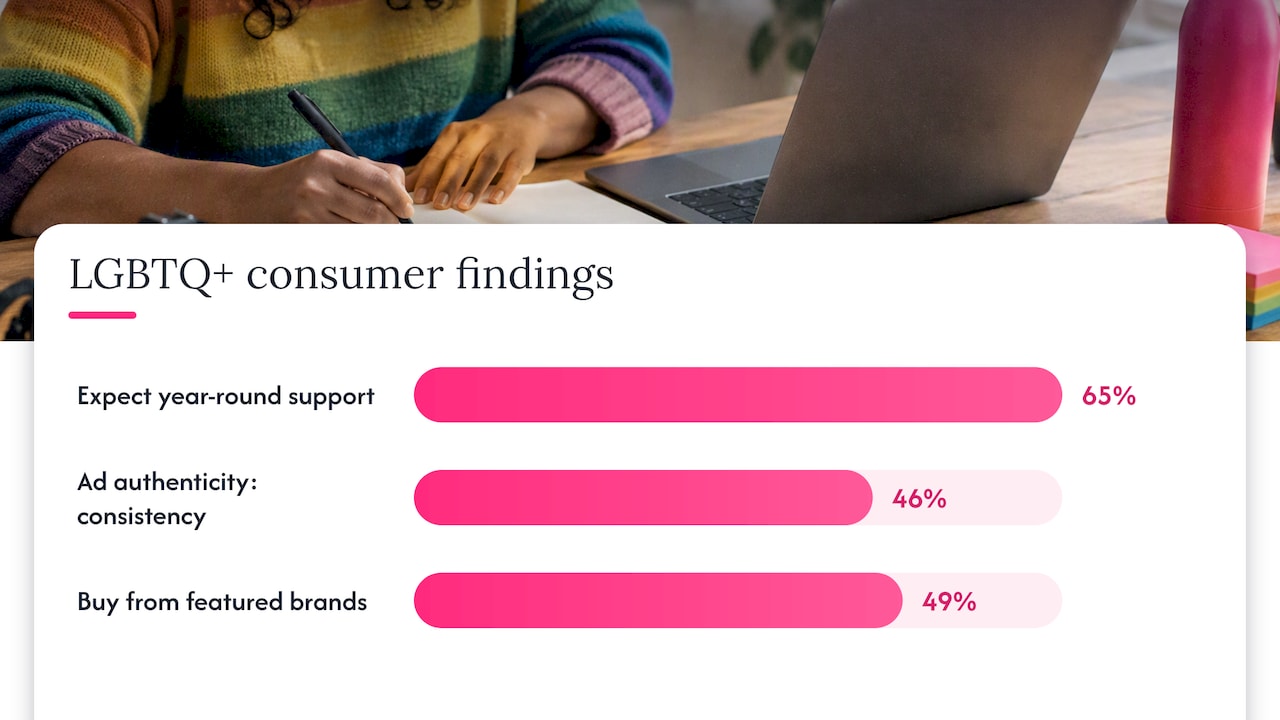
For a photography plan, that has a practical meaning. Commission more than you will publish in June. A single day of shooting, planned well, can give you Pride-specific images and a bank of everyday, inclusive images for the rest of the year. If you are already planning that kind of day, our content day format is built for it.
The JCDecaux UK and Diversity Standards Collective Pride in Posters guide is also useful if your campaign will run on poster sites.
Pride photoshoot ideas that feel real
The ideas below work because they start with people, not props. Pick three or four, not all of them.
Portraits with room to breathe
A portrait of someone who works for you, or with you, in a space they chose. Let them pick the corner of the office, the café, the studio, the garden. Keep the flag optional. Some people want it in frame; plenty do not, and a portrait that is genuinely theirs will always outperform one they were posed into.
If you need a portrait series for staff networks, our LGBTQ portrait photography page explains how sessions run.
Chosen family and couples
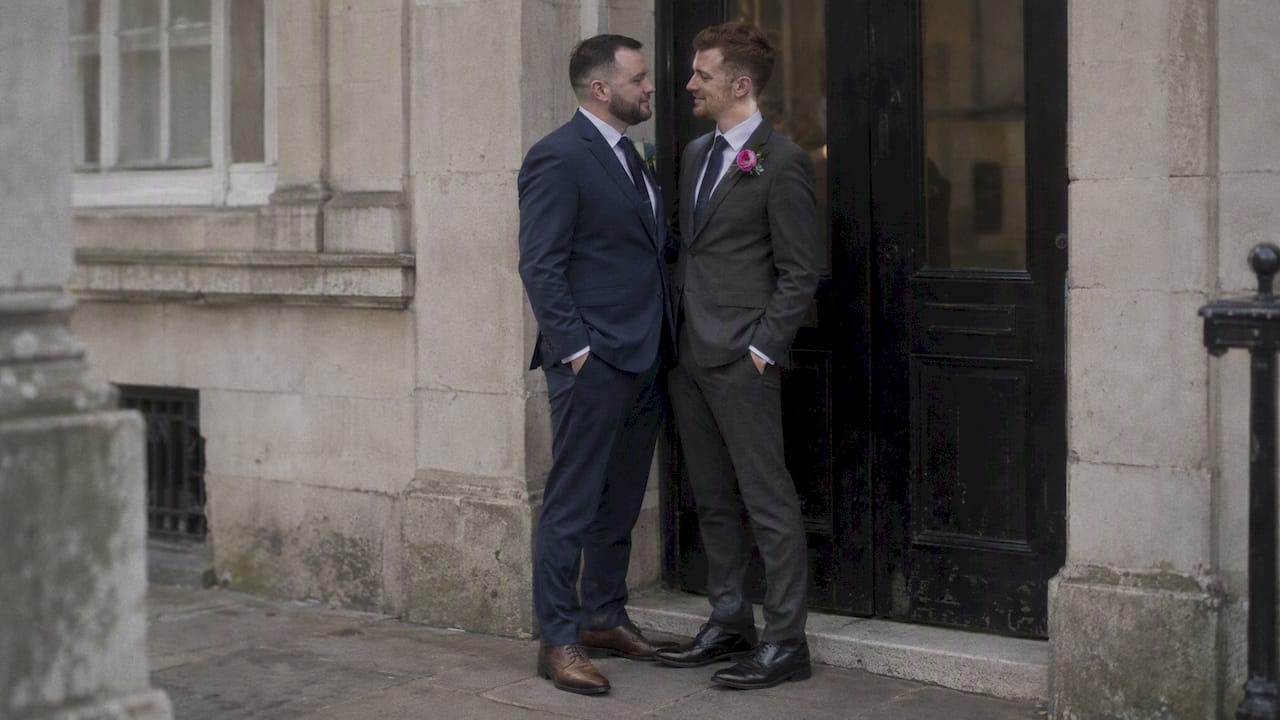
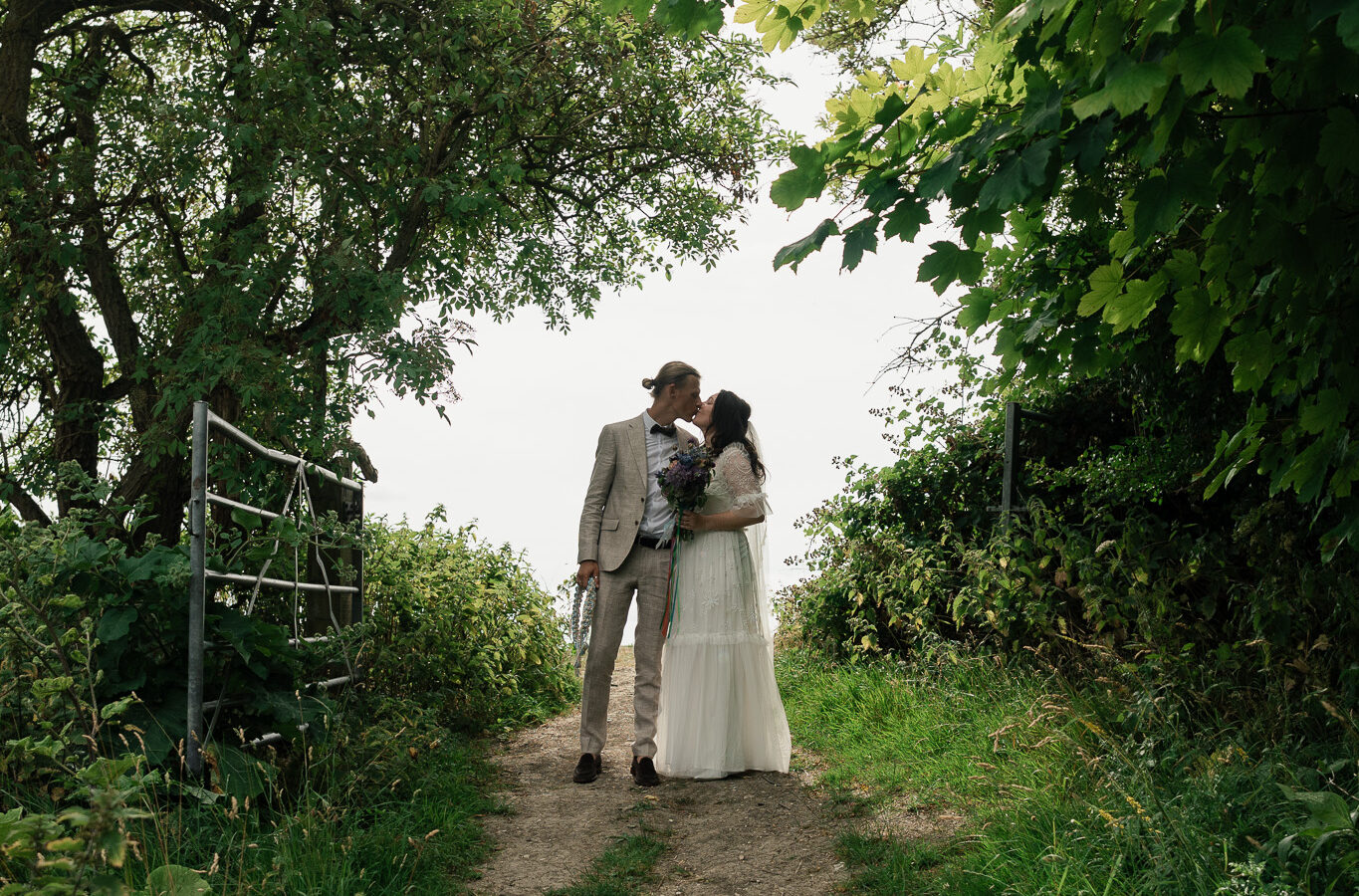
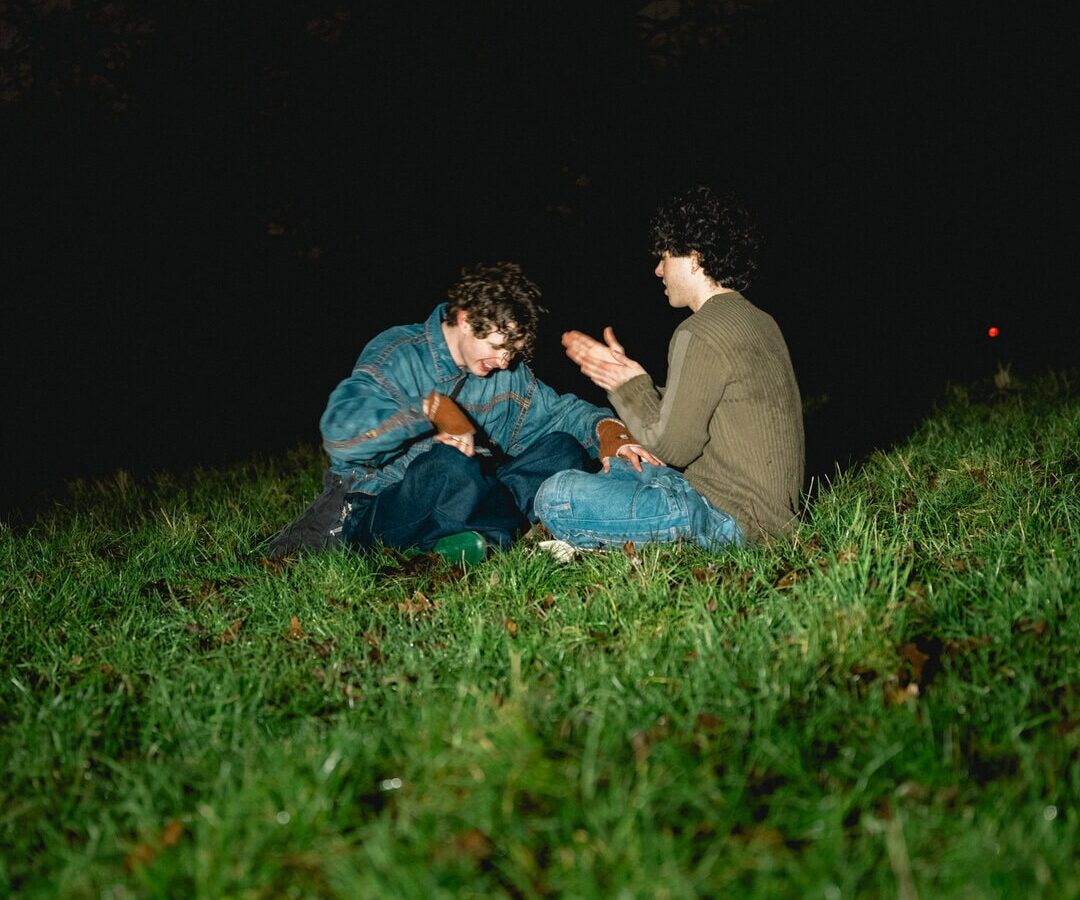
Couples, friends, flatmates, the people who turn up for each other. Shoot them doing ordinary things: cooking, walking home, getting ready. The images that land best are warm and slightly unposed. If your campaign features couples, see how we work on queer couples photography.
Your people at the event
A staff network breakfast, a march contingent, a panel evening. Coverage here is about candid moments: the laugh before the speech, the hand-painted sign, the person who arrived nervous and left with new friends. A short, clear shot list saves time on the day, and our event photography shot list is a good starting point for corporate events.
Small businesses and community spaces
If you are a brand with ties to a neighbourhood, photograph the places that matter: a queer-owned bookshop, a community centre, a pub with a long history. Ask permission, credit the people, and consider paying them for their time.
Detail and texture
Hands holding badges, hand-sewn patches, a lanyard in the right colours, light through a window onto a bookshelf. Detail shots make good backgrounds for text, carousels and email headers, and they are easy to reuse.
Creative colour work
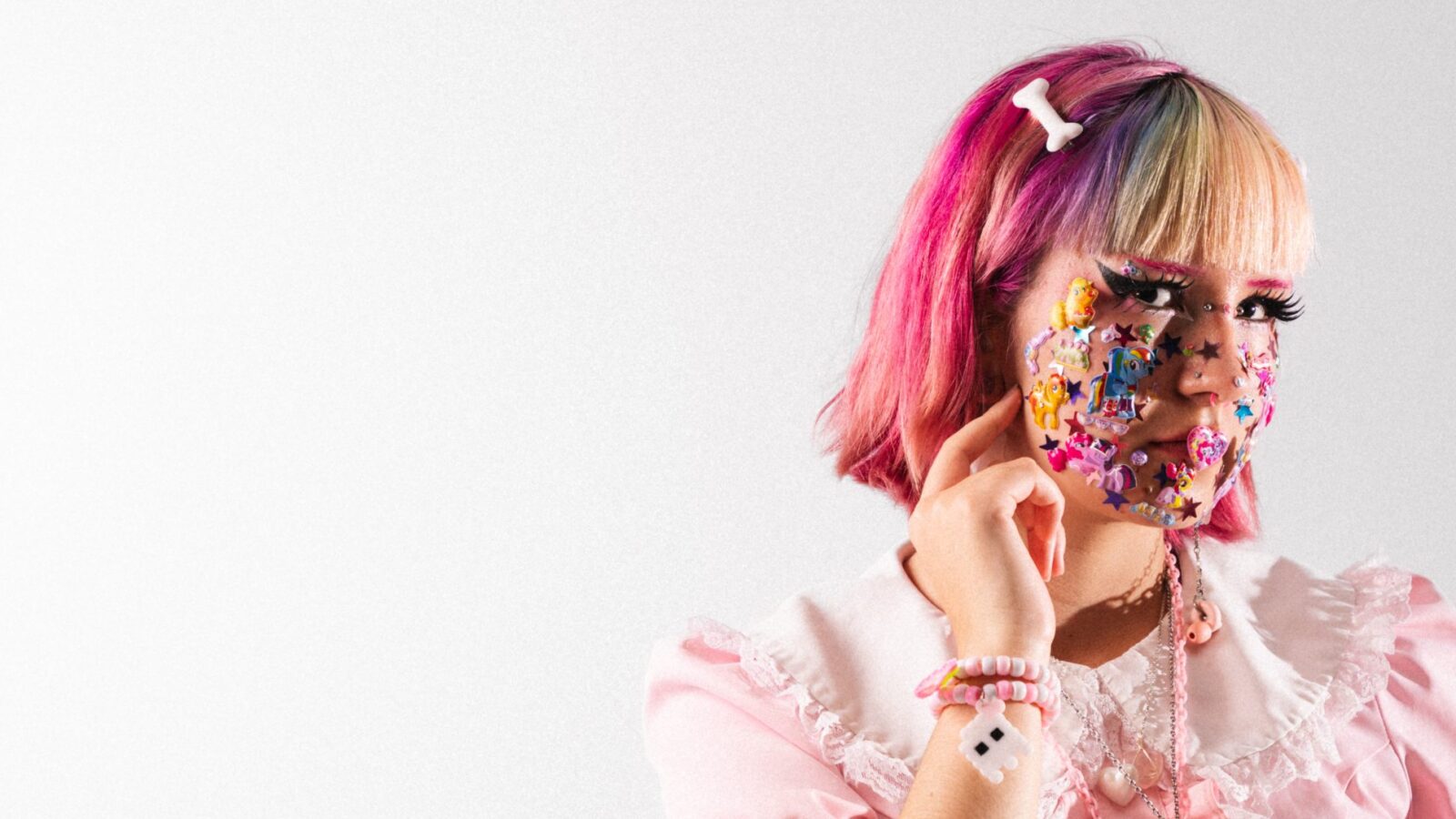
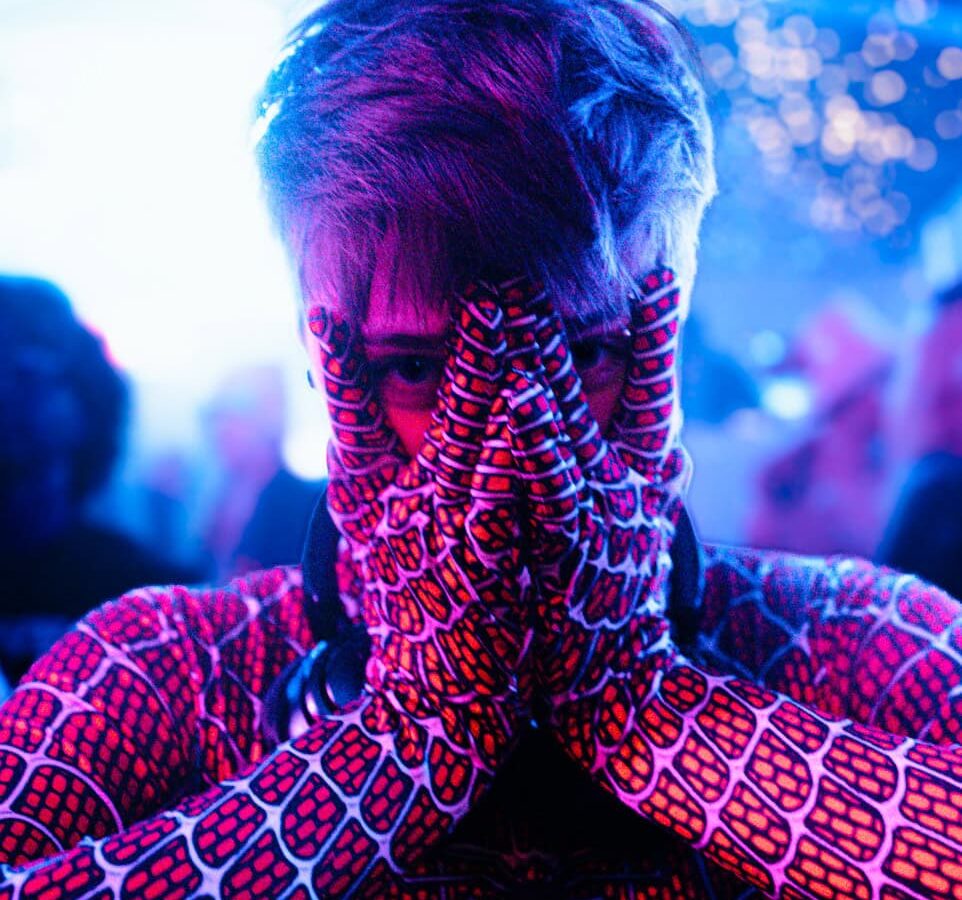
If you want a bolder, graphic look, coloured light gels and a wide lens can give vivid, dynamic results without a flag in sight. Treat it as a stylistic choice, not a substitute for people. For editorial or fashion-led work, we have a separate page on LGBTQ fashion editorial photography.
Memorial and remembrance
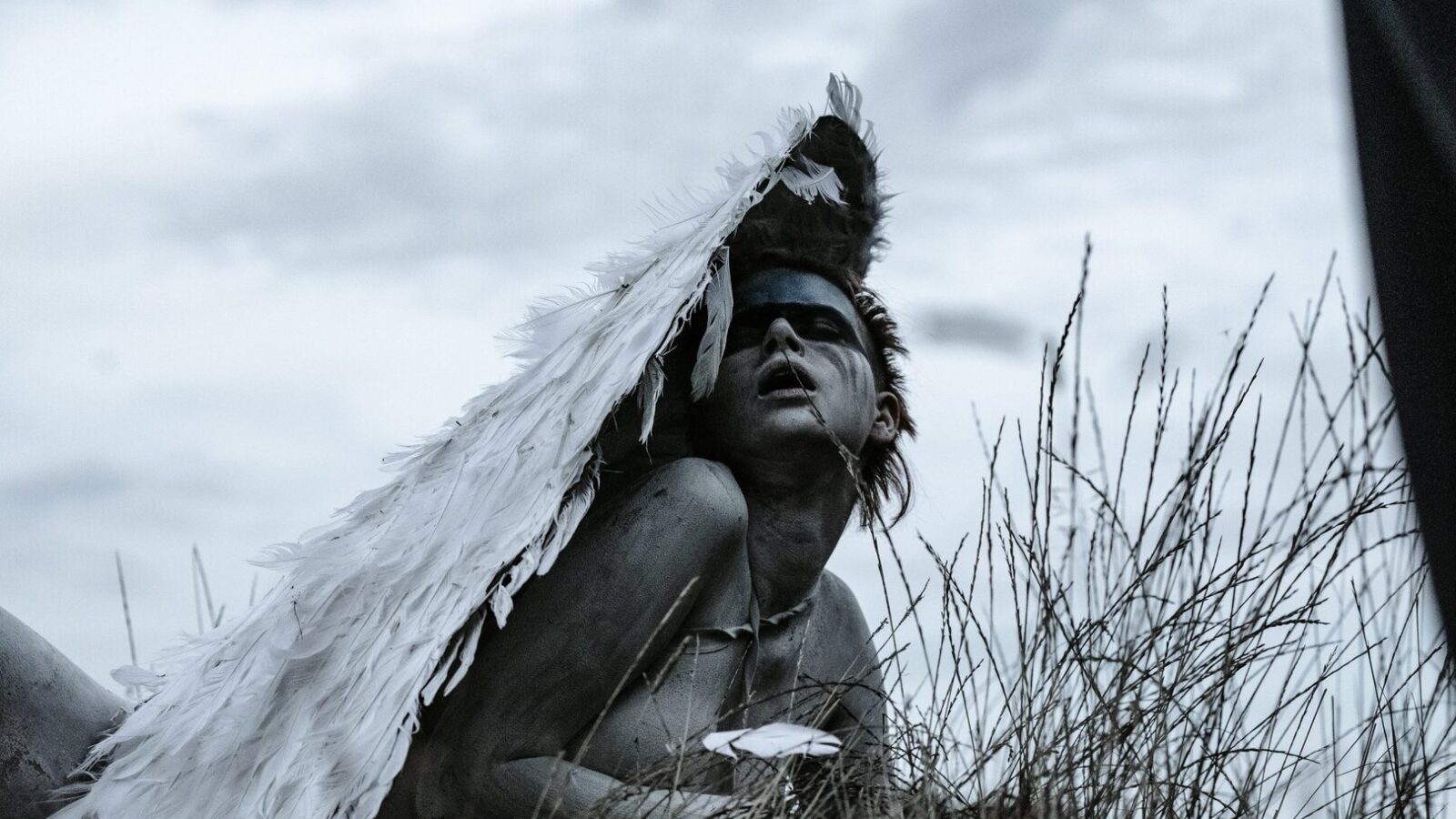
Pride is also a protest and a remembrance. If your campaign touches on history or loss, it needs a different pace and a lot of care. Our memorial photography page sets out how we approach it.
Content ideas to build around the photography
Once you have images, the content follows. Some formats that suit Pride Month:
- A story-led series: one person per post, in their own words, with a portrait. Short, human and easy to schedule across the month.
- A behind-the-scenes set: the day of the shoot, the people involved, the credit given to the photographer.
- A before-and-after of your commitments: what you did last year, what you are doing this year, with images to match.
- Recruitment content: team portraits for careers pages, which are more useful than a single June post.
- Short vertical video: cut-downs for stories and reels. If video is part of your plan, our vertical video workflow for brands explains how to shoot a 9:16 master that serves several platforms.
Brief the photographer properly
A good brief is the difference between a pleasant day and usable images. Include:
- The purpose: where the images will appear, for how long, and in what sizes.
- The people: who will be photographed, whether they are staff, volunteers or models, and what they have agreed to.
- The mood: three reference images, plus anything you want to avoid.
- The logistics: venue, access, timings, quiet spaces, who the contact is on the day.
- The delivery: how quickly you need the first edits, and in what format.
- The follow-up: whether you want a bank of evergreen images as well as June content.
Then leave room for the photographer’s eye. You hire a specialist for their perspective, not to tick off a list.
Working with the community, not just photographing it
The Windō analysis of LGBTQ+ brand authenticity draws on Outvertising and agency voices to make a clear point: authentic campaigns need internal investment that matches the external message, and co-creation with queer people matters more than surface-level colour. The Outvertising Advocacy Playbook starts in the same place, by looking at LGBTQIA+ equity inside your own organisation before you go public.
In practice, that means:
- Involve your LGBTQ+ staff network in the brief, and pay or credit them if they take part beyond their day job.
- Hire queer creatives, from photographer to editor to copywriter.
- Do not ask individuals to appear if they would prefer not to be public.
- Plan what you will say and do in July, October and February.
If you want more ideas on collaborating with communities in your marketing plan, this piece on community-led marketing is a useful read for the planning side.
The rules: ASA, consent and privacy
Advertising standards
If your images appear in ads, the ASA’s Pride Month guidance is the place to start. It says marketing must not contain content likely to cause serious or widespread offence, and it warns against stereotypes or derogatory framing. Ads that ridicule identity, even as a joke, are likely to be ruled offensive. The ASA also notes that tone and execution matter, and suggests consulting LGBTQ+ support groups during production. If you plan anything provocative, take advice from your legal team or the CAP Copy Advice service before you publish.
Consent and data protection
People in your photographs are identifiable, so tell them upfront how images will be used. The ICO’s guidance on photography, written for schools but built on the same principles, explains that you need a lawful basis for using photos, that consent is only one option, and that offering an opt-out is good practice. For a Pride shoot, we would go further: use a clear, written release, say where and for how long images will run, and make it easy for anyone to withdraw. Speak to your data protection lead or a solicitor if you are unsure which basis applies to your campaign.
On our shoots, pronouns and personal boundaries are respected, and photographers are properly credited.
Stock, AI or a real photographer?
| Stock | AI-generated | Specialist queer photographer | |
|---|---|---|---|
| Originality | Shared with other brands | Synthetic, unrepeatable | Yours alone |
| Representation | Often generic | Often uncanny or stereotyped | Real people, real context |
| Rights | Licence terms vary | Unclear for many uses | Agreed in the booking |
| Speed | Immediate | Immediate | Matched within 24 hours with us |
| Trust | Low with the audience you want | Low | High, when the community is involved |
Stock and AI have a place in some internal documents. For a campaign meant to show your relationship with the queer community, they are the weakest choice. Everything we deliver is original, never stock and never AI-generated.
Booking Pride coverage with Queer.Photo
We are a representation agency, not a directory. Every photographer on our roster is vetted and personally represented, and a real person, not an algorithm, matches you with the right specialist, often within 24 hours.
Which service you need depends on the plan:
- Pride coverage for a company: see corporate Pride photography in London or our Pride campaign photographer page.
- Events and parties: Pride event photography or workplace Pride events.
- Brand and content: our brand photography and queer brand photographer pages.
- Founders and creatives: personal branding sessions start from £200, one-off. Details are on our prices page.
- Video: see our services.
If you are not sure which format fits, tell us the purpose and the date, and we will suggest one.
A simple timeline
| When | What to do |
|---|---|
| 3 to 4 months out | Agree the purpose, budget and people. Speak to your LGBTQ+ staff network. |
| 2 months out | Brief and book the photographer. Send consent information to participants. |
| 4 to 6 weeks out | Finalise shot list, locations and schedule. |
| 2 to 3 weeks out | Shoot, so that edits are ready before the month starts. |
| June | Publish, credit, and engage with responses. |
| July onwards | Use evergreen images in everyday communications. Review what worked. |
This leaves room for the unexpected, and it keeps the content calendar from collapsing in the last week of May.
FAQ
How far in advance should I book a Pride campaign photographer?
As early as you can, ideally two to three months before June. Pride is the busiest period for queer photographers, and your team will want time for consent forms, approvals and edits. If you are inside that window, get in touch anyway and we will tell you honestly what is possible.
What should I shoot if I don’t want to use flags?
Shoot people and places. Portraits in spaces people chose, team moments, community partners and candid event coverage all carry the message without relying on symbols. Detail shots such as badges, hand-made signs and lanyards add texture.
Do I need written consent from everyone in the photos?
You need a lawful basis and you must tell people upfront how images will be used. The ICO notes that consent is not the only basis, but offering an opt-out is good practice. For Pride content we recommend written, specific releases, and you should check with your data protection lead.
Can we only run Pride content in June?
You can, but audiences notice. Nielsen’s research suggests LGBTQ+ consumers judge authenticity on consistency, so shoot images that you can use all year.
Sources
- Brands need to be consistent in supporting LGBTQ+ consumers, Marketing Week
- Take Pride in your ads for Pride Month 2025, ASA and CAP
- Taking photos in schools, ICO
- From Ad to Action: LGBTQ+ Brand Authenticity Examined, Windō
- The Outvertising Advocacy Playbook, Conscious Advertising Network
- Pride Parade 2026, Greater London Authority
- Pride in Posters guide, JCDecaux UK