Cut Quote Delays: 5-Point Photography Brief Template for UK Clients
A photography brief template is a client-completed document that tells a photographer what to shoot, where and how to use the images. Use it to get accurate quotes, avoid rights disputes and give your photographer everything they need before they arrive. A good brief covers objectives, shot lists, logistics, deliverables and usage rights, plus the UK copyright and consent basics we cover below, with a checklist you can fill in today.
TL;DR:
- A clear project title, objectives, target audience, and intended use channels ensure the photographer understands the purpose and scope of the shoot.
- Providing specific visual references, prioritized shot lists, and wardrobe or prop instructions minimizes misunderstandings and reduces on-site revisions.
- Location details, access, timing, permits, and safety notes must be confirmed in writing to avoid unexpected costs and delays.
- Precise deliverable specifications, file formats, number of images, and deadline expectations help prevent post-shoot disputes and clarify the final product.
- Defining usage rights, model releases, and budget expectations upfront ensures legal clarity and reduces the risk of licensing disputes and scope creep.
Table of Contents
- What fields should a photography brief include?
- How do you turn style preferences into a usable shot list?
- What logistics does a photographer need before the shoot?
- What should you specify about deliverables and file formats?
- What are your usage rights and consent obligations?
- How much should your brief say about budget and contracts?
- Ready to send your brief? Use this checklist first
- How Queer.Photo turns your brief into a booked shoot
- FAQ
- Sources
What fields should a photography brief include?
Every brief starts with the same backbone: what this shoot is for, who it’s for, and what success looks like. Skip this and your photographer is guessing, which usually means a longer shoot, more revisions, or a set of images that technically match the request but miss the point entirely.
Start with a project title and a one-sentence summary. “Autumn product launch hero images for the website homepage and paid social” tells a photographer more in eight words than three paragraphs of adjectives ever could.
Then set out your fields clearly:
- Objectives and success measures: what the images need to achieve (a brand refresh, a campaign launch, a record of an event) so the photographer can propose the right coverage.
- Target audience: who will see these images, since a brief for LinkedIn headshots reads very differently from one for a dating profile or a Pride campaign.
- Intended uses by channel: website, print, paid ads, press, each with its own technical demands.
- Key messages and tone: what you want viewers to feel or do after seeing the images, whether that’s booking a consultation or simply recognising a face.
Sector guidance from organisations such as CharityComms recommends stating objectives, audience, references and intended uses explicitly, rather than leaving a photographer to infer them from a mood board alone. If you’re briefing a personal branding or editorial shoot, our queer editorial photographer page shows how this translates into a working shot list for that specific genre.
Keep this section honest rather than aspirational. If you genuinely don’t know your audience yet, say so, and ask the photographer to help you define it during a pre-shoot call rather than inventing a target you’ll abandon by the edit stage.
How do you turn style preferences into a usable shot list?
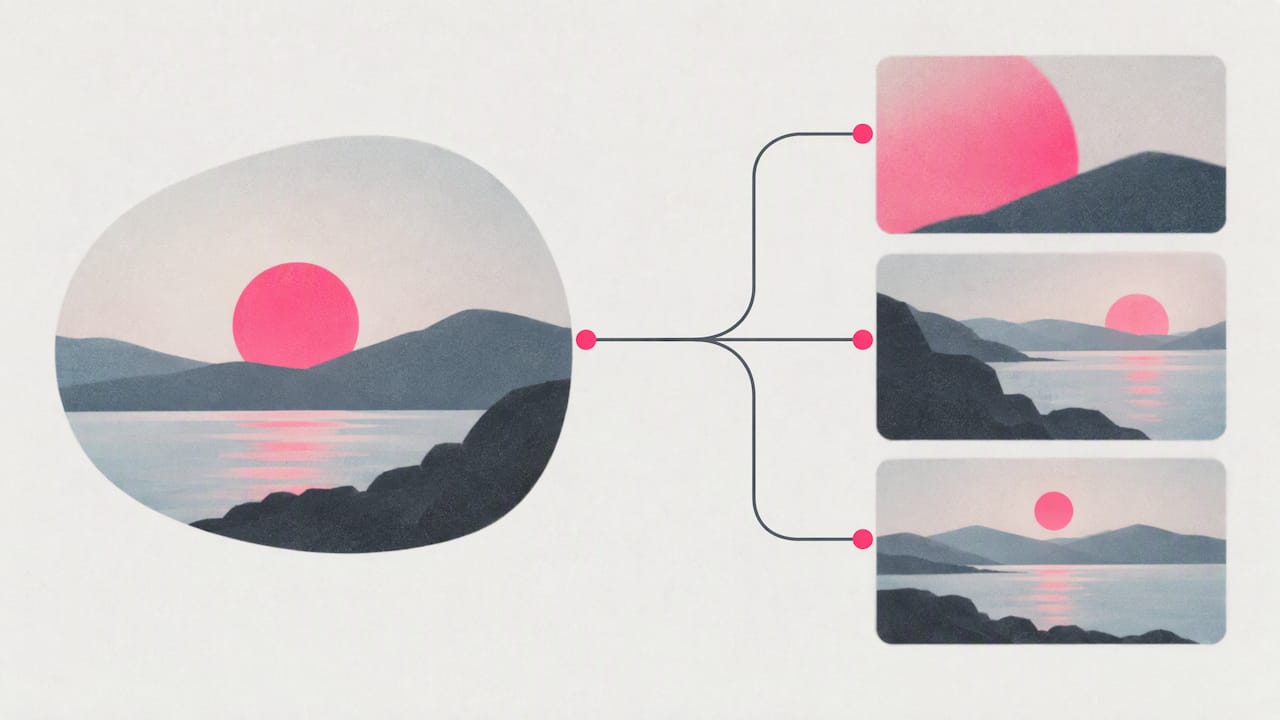
Vague references cost time on the day. “Something editorial but warm” means five different things to five different photographers, so pin it down with examples and a prioritised shot list rather than adjectives alone.
- Gather three to five reference images from existing campaigns, Pinterest boards or past shoots, and note what you like about each one specifically (the lighting, the framing, the colour grade, not just “the vibe”).
- List hero shots first, the two or three images the whole shoot depends on, then supporting coverage, then optional extras that can be dropped if time runs short.
- Note wardrobe, props and casting instructions, including any inclusive casting needs, pronoun preferences, or specific representation you want reflected on set.
This structure matches what sector bodies such as CIOF recommend in their own downloadable briefing templates: shot list examples, guidance on using real subjects, and format notes rather than open-ended mood language.
Pro Tip: Describe the feeling you want from one image rather than the whole shoot: “this one should feel like a candid conversation” gives a photographer more to work with than “natural”.
What logistics does a photographer need before the shoot?
Location, access and timing decide whether a shoot is straightforward or expensive, so put the practical facts in writing rather than leaving them for a phone call the week before.
- Location and access: full address, parking availability, lift or stair access for equipment, and a named on-site contact.
- Timeline: arrival time, lighting set-up window, the shoot itself, and a contingency slot if weather or a venue overruns.
- Permits and specialist handling: note anything that needs separate permission, such as filming in a public venue, using a drone, or photographing inside a listed building.
- Health and safety notes: uneven ground, restricted areas, or anything that might need extra insurance or planning time.
For music, performance or event shoots, these details change shape entirely: stage access, set times and a tech rider matter as much as the shot list itself, which our music artist photography page sets out in more detail. Leaving logistics vague is one of the most common reasons a quoted price changes after the first site visit.
What should you specify about deliverables and file formats?
Ambiguity about deliverables is where most post-shoot friction starts, so the brief should state exactly what arrives, in what form, and by when.
- File formats and resolution: high-resolution JPEGs or TIFFs for print, web-optimised files for online use, and the aspect ratios each channel needs (square for social, landscape for a website hero).
- Number of final images: state whether this means fully retouched finals, whether alternate crops count separately, and how many rounds of revision are included.
- Delivery method and milestones: a secure download link, a cloud folder, or a gallery with a defined handover date, agreed before the shoot rather than negotiated after.
Ecommerce and product briefs are especially sensitive to this, since inconsistent aspect ratios or colour profiles across a catalogue create real extra work later. Our inclusive ecommerce photography page shows how a consistent spec sheet keeps a whole product range looking like one shoot rather than several. Campaign work benefits from the same discipline: as the marketing partner Blistr points out, photography delivers best when the wider use case, not just the images themselves, is defined upfront.
What are your usage rights and consent obligations?
In the UK, the photographer who creates an image is normally its first legal owner under copyright law, even when you’ve commissioned and paid for the shoot, unless a written assignment says otherwise. That makes the rights section of your brief essential, not optional.
- State your intended channels, duration and exclusivity: website use only, or website plus paid social for twelve months, or full assignment of copyright.
- Ask whether sublicensing is included: important if a partner agency or client of yours will also use the images.
- Collect model releases for anyone recognisable in the images, and keep a record of consent as evidence under GDPR, as IPO guidance on photography and data protection recommends.
How much should your brief say about budget and contracts?
State a budget band or a precise fee expectation rather than leaving the photographer to guess, and flag the deposit terms you expect so there are no surprises on the invoice.
- List likely extras: travel, studio hire, an assistant, retouching time, and licensing fees for extended usage.
- Separate the brief from the contract: a brief sets creative and logistical expectations, but it is not a legally binding document.
- Reserve rights, indemnities and cancellation terms for the contract: as legal guidance on photography contracts makes clear, a written contract is what actually assigns or licenses copyright and sets out what happens if either side cancels.
Treat the brief as the working document that makes quoting fast and accurate, and the contract as the paperwork that protects both sides once you’ve agreed to proceed.
Ready to send your brief? Use this checklist first
Before you send a brief to any photographer, run through this quick list to catch the gaps that usually cause delay.
- Objectives, audience and intended channels are all named.
- A prioritised shot list and at least three visual references are attached.
- Location, access, parking and timings are confirmed.
- Budget band, deposit terms and likely extras are stated.
- Usage rights and model consent requirements are specified.
| Brief element | What to check before sending |
|---|---|
| Objectives | Stated in one sentence, tied to a measurable outcome |
| Shot list | Hero shots ranked above supporting coverage |
| Logistics | Access, parking and a named contact confirmed |
| Rights | Channels, duration and exclusivity specified |
| Budget | Band or figure stated, deposit terms agreed |
Once your checklist is ticked off, attach your references and any permissions, then send the brief when requesting quotes, ask for a sample contract clause covering rights and cancellation, and book a short pre-shoot call to confirm the details in person.
How Queer.Photo turns your brief into a booked shoot
Send us your completed brief and we match you with a vetted, personally represented queer photographer suited to your project, often within 24 hours rather than days of searching. Every image we deliver is original, shot specifically for your brief rather than pulled from stock, and every shoot respects the pronouns and boundaries you’ve set out.
- We use your shot list, logistics and rights section directly to scope an accurate quote.
- Pricing for packages such as Personal brand is detailed on our pricing page.
- Video and mixed-media briefs are covered through our services overview.
- Event, portrait, couples and brand briefs each have a dedicated specialist, from our queer event photographer listings to queer couples photography.
Submit your brief through our booking page and we’ll come back with a matched photographer and a quote built around what you’ve actually asked for.
FAQ
What should a photography brief template include?
A photography brief should cover objectives, target audience, a prioritised shot list, visual references, location and timing details, deliverable specs, usage rights and your budget band. Leaving any of these vague is the most common cause of quote delays and post-shoot disputes, as sector templates from CharityComms consistently recommend.
Is a photography brief the same as a contract?
No. A brief sets out creative and logistical expectations, while a signed contract is what legally assigns or licenses copyright, sets payment terms and covers cancellation. Treat the brief as the planning document and the contract as the legal protection.
Who owns the copyright in commissioned photographs?
In the UK, the photographer generally owns the copyright in the images they create, even when you’ve paid for the shoot, unless a written assignment transfers it to you. Your brief should state the usage rights you need so the contract can reflect them accurately.
Do I need model releases for people in my photos?
Yes, if anyone is recognisable in images you intend to publish, you should collect a model release and keep evidence of their consent, particularly given GDPR obligations around personal data. This matters most for public-facing campaign or event photography where subjects may not be staff or clients.
How much does a photography brief help with pricing accuracy?
A detailed brief lets a photographer quote against your actual shot list, location and deliverables rather than a generic day rate, which tends to reduce costly scope changes later. Specifying usage channels and duration also helps avoid separate licensing negotiations after the shoot.
Sources
- Gov
- Photography contracts in the UK — key clauses, rights and common pitfalls (Sprintlaw UK)
- Setting up the creative brief and commissioning relationship (CharityComms)