Queer editorial photography in London, stories shot with a point of view
An editor briefed me once for a feature on queer nightlife and asked, almost as an afterthought, that the photos avoid the usual two things. No neon and rainbow flag cliches, and nobody made to look like a tragic case study. She’d run the piece before with a photographer who delivered exactly those, and the subjects had hated the result because it flattened a rich, funny, complicated scene into a stock idea of what queer is meant to look like.
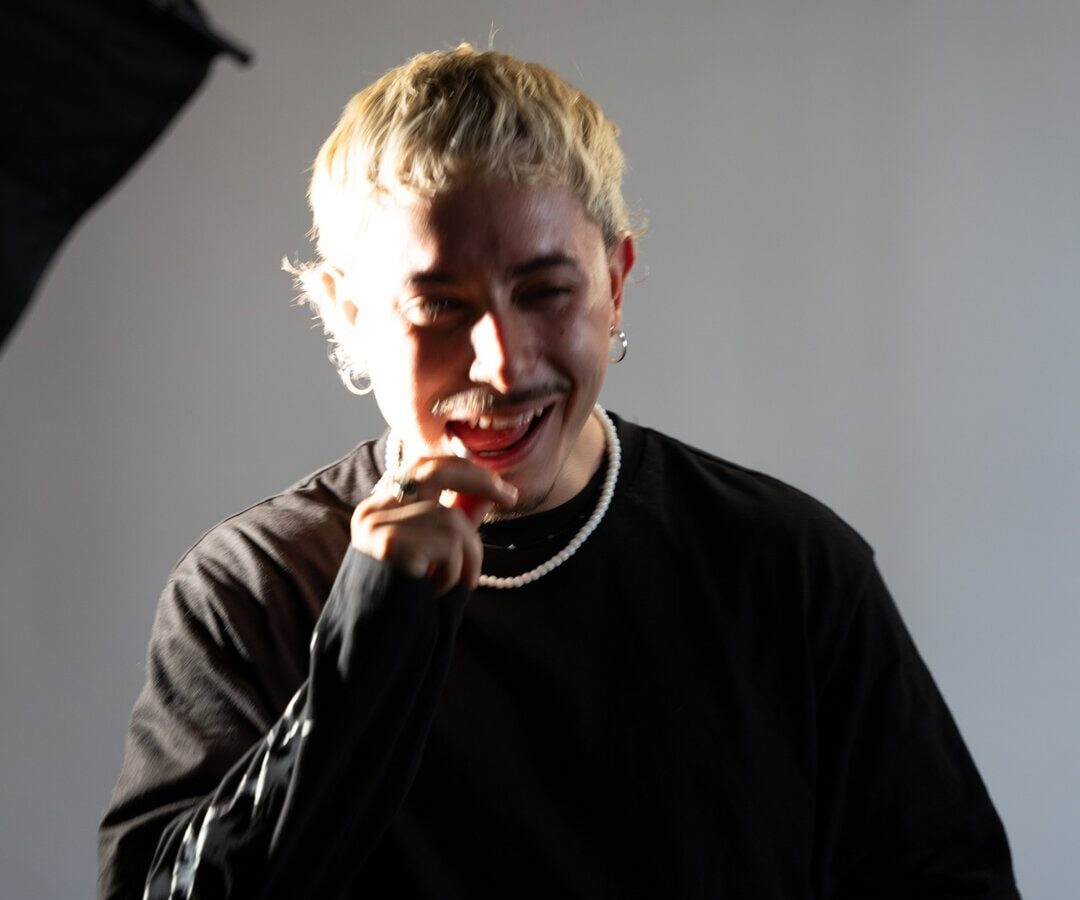
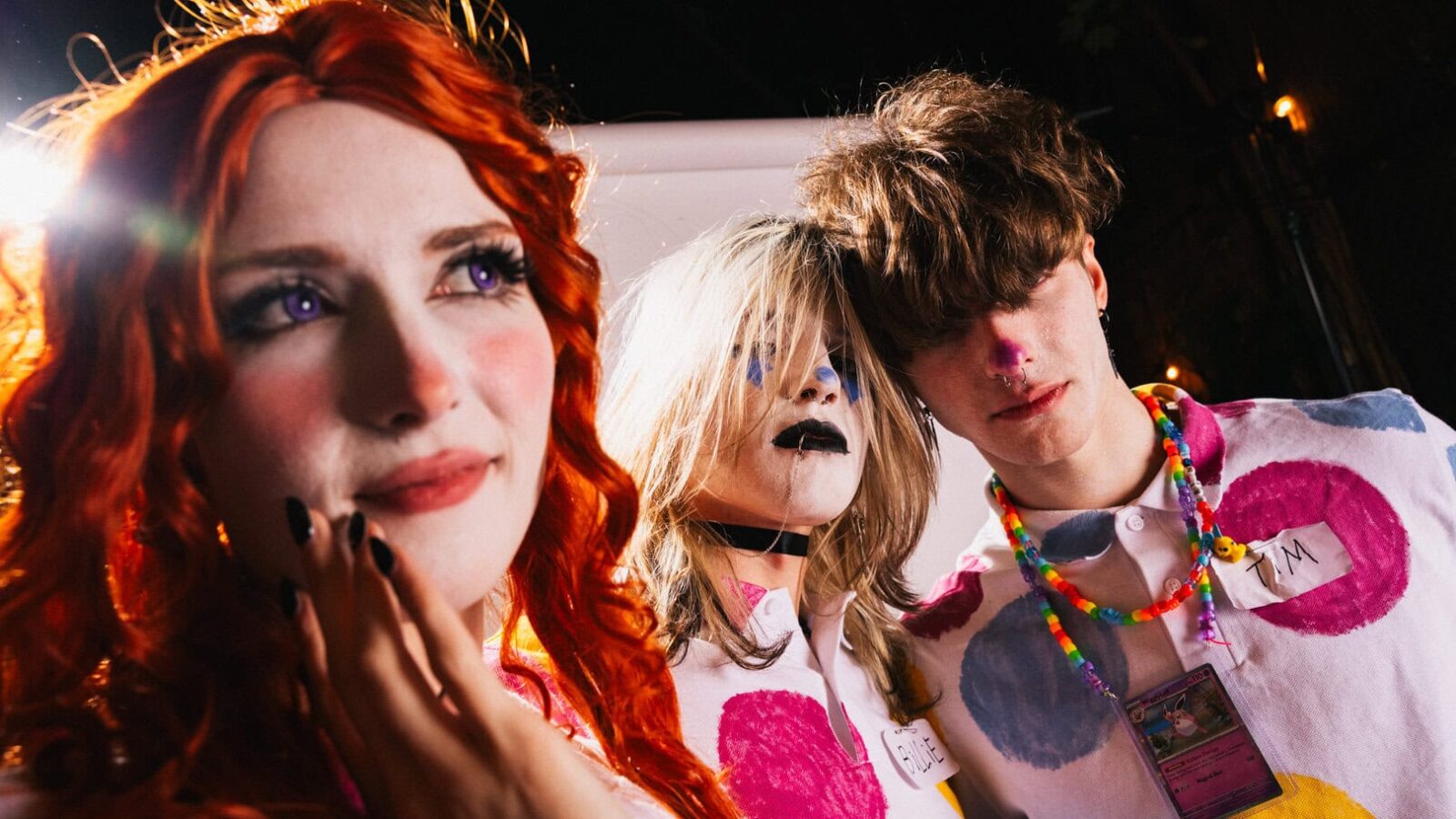
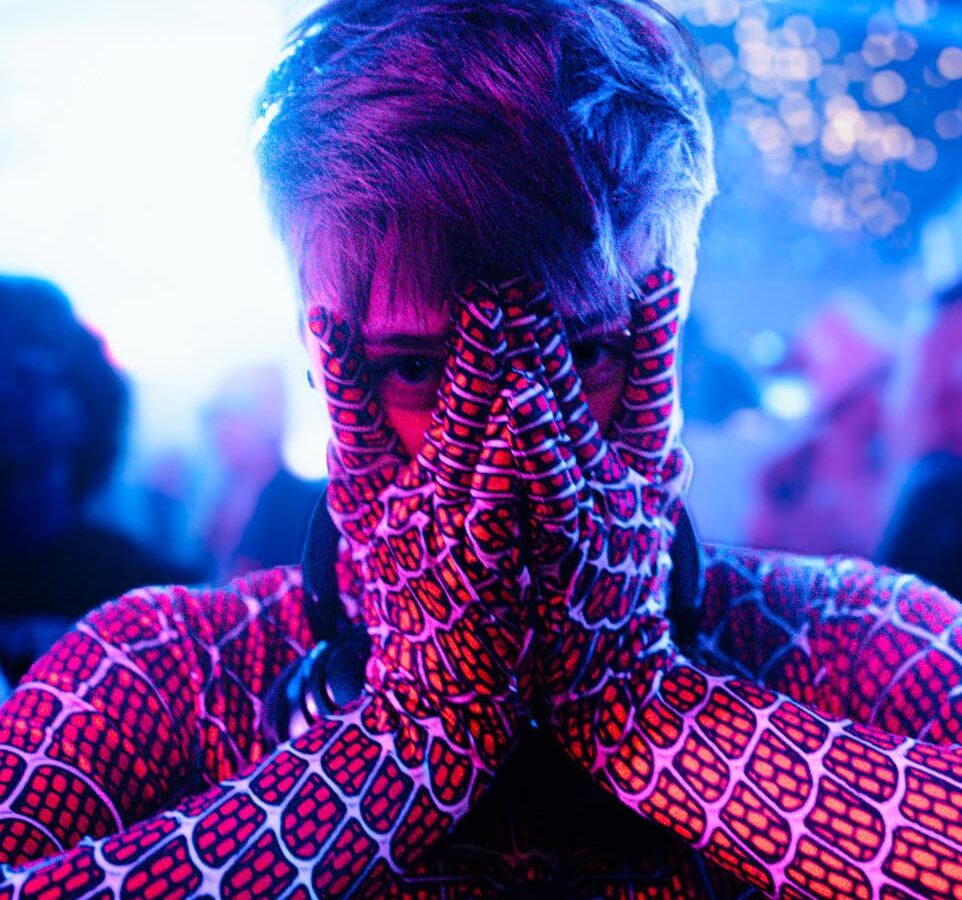
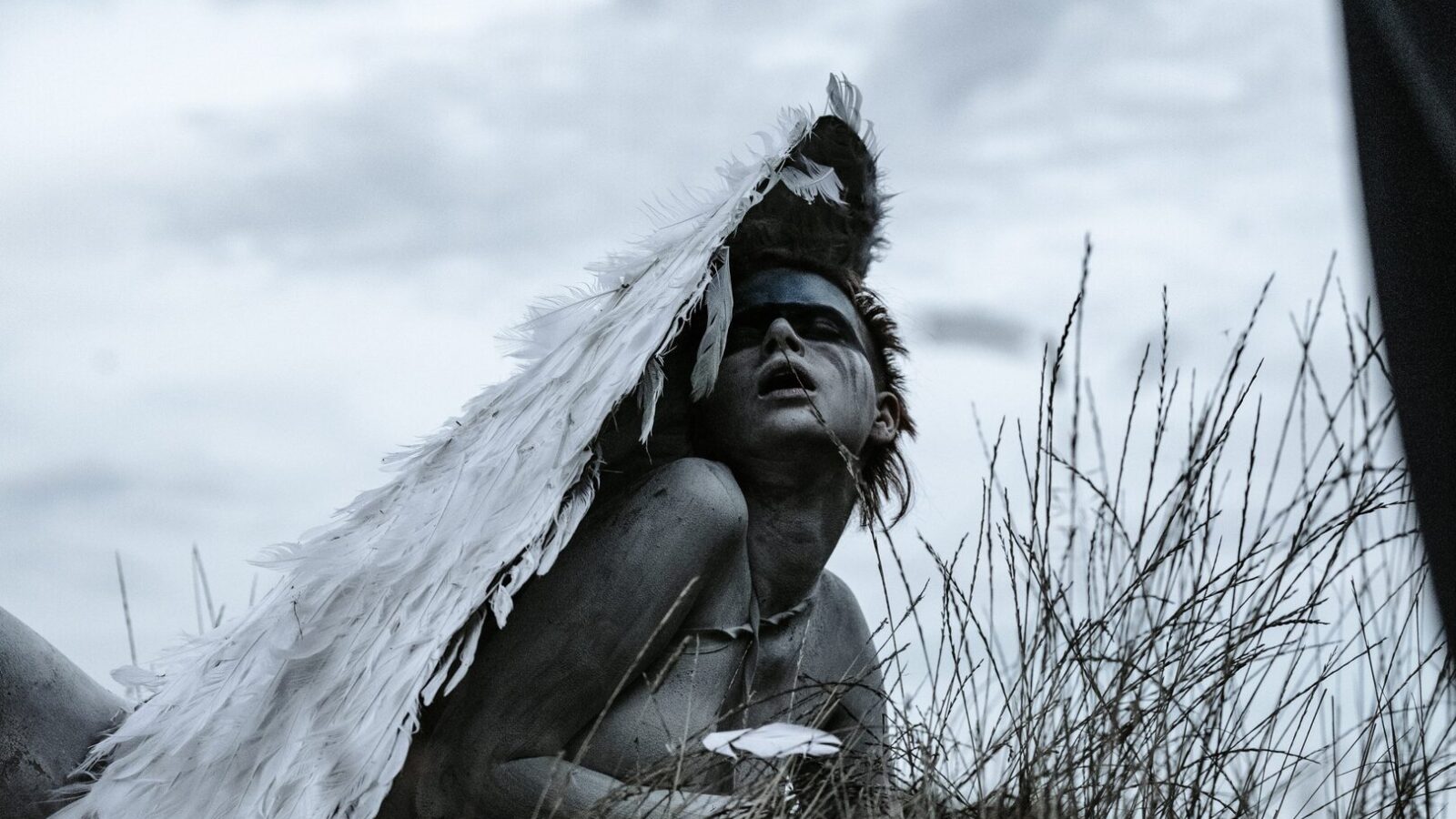
That brief stuck with me because it names the whole job. Editorial photography is about having a point of view and serving a story, and a queer editorial photographer brings a view that comes from inside the world being photographed rather than gawping at it from outside.
The difference is visible in every frame, and editors who care can tell within one image.
What editorial photography actually is
Editorial work serves a story. A magazine feature, a brand’s campaign with a narrative behind it, a profile of an artist, a fashion piece with an idea driving it. It’s different from a straight portrait or a product shot because the image has to say something beyond this is what this person or thing looks like.
That means concept, mood, and a deliberate look that fits the publication and the piece. The photographer is part author, shaping how the story reads rather than only recording it.
It’s the most creative end of commercial photography, and it lives or dies on point of view.
Why a queer eye changes the work
When a queer subject or story is shot by someone outside the community, even a skilled photographer, something is often slightly off. The framing exoticises, the styling leans on cliche, the subject is positioned as a curiosity for a presumed straight reader. It comes from looking at rather than looking with.
A queer editorial photographer photographs from inside the world. They know which references are tired, which are loaded, and which actually mean something. They shoot people as full and specific rather than as representatives of an idea.
For a publication that wants its queer stories to land with queer readers, that interior view is the whole value.
Building the concept with you
Strong editorial starts before the shoot, in the conversation about what the story is and how it should feel. I like to work from the actual angle of the piece, the thing the writer is getting at, so the images and the words pull in the same direction rather than sitting awkwardly side by side.
We talk references, mood, location, and styling early, and I’ll usually bring ideas rather than waiting to be told. An editorial photographer who has no opinions is missing the point of the role.
By the time we shoot, we both know what we’re making, which is what lets the day stay loose and creative.
Working with a team
Editorial shoots often run with a small crew, a stylist, hair and makeup, maybe an art director or the writer on set. Coordinating that so everyone serves the same vision is part of the craft, and a good photographer keeps the set calm and focused rather than chaotic.
If you’re a small publication without a budget for a full team, I can work lean and pull more of those roles together, or suggest collaborators from the wider queer creative world in London. Plenty of us work across each other’s projects.
The team should make the work better, so I’d rather a tight crew who get it than a big one who don’t.
Shooting fashion and styling editorially
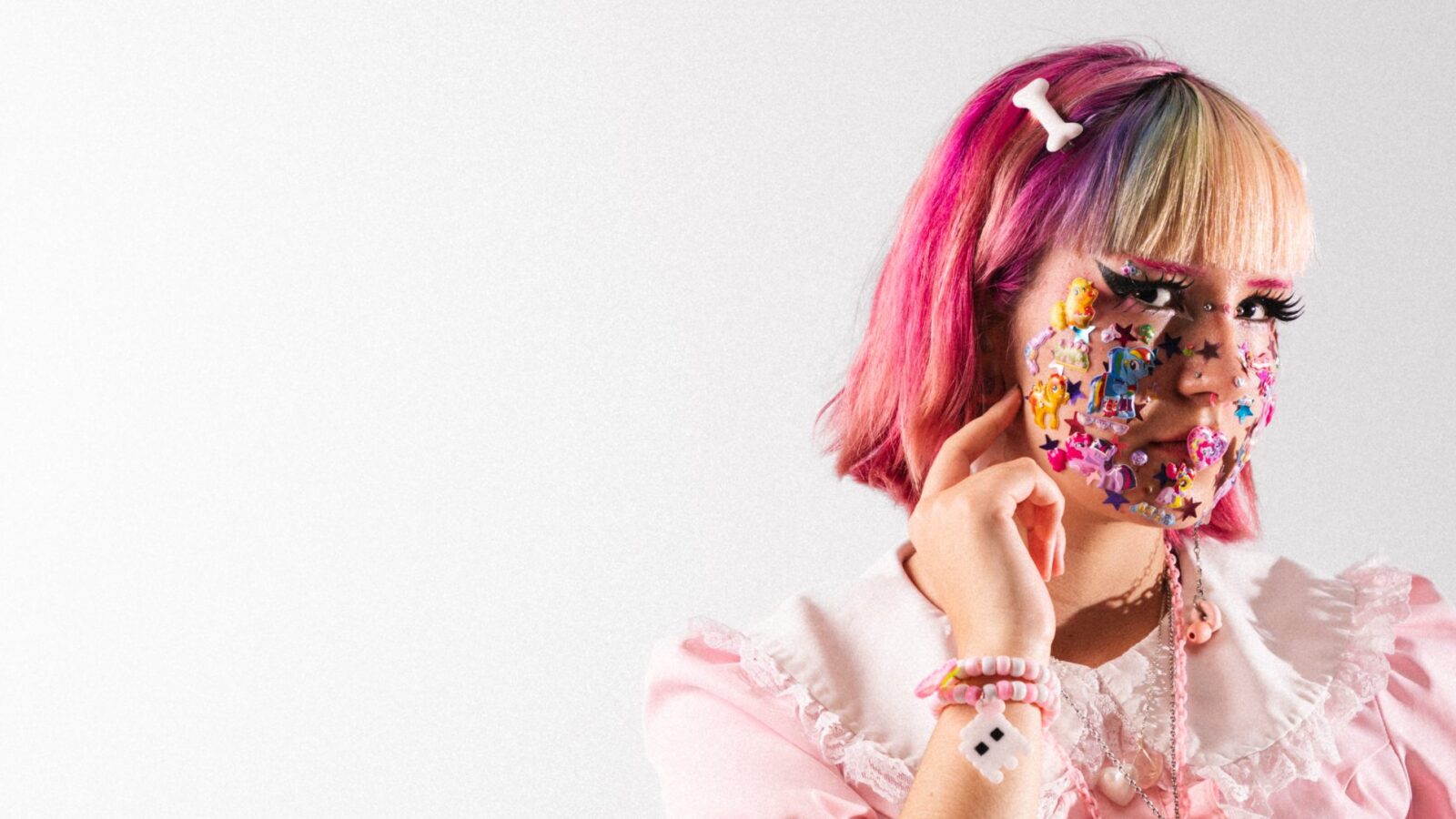
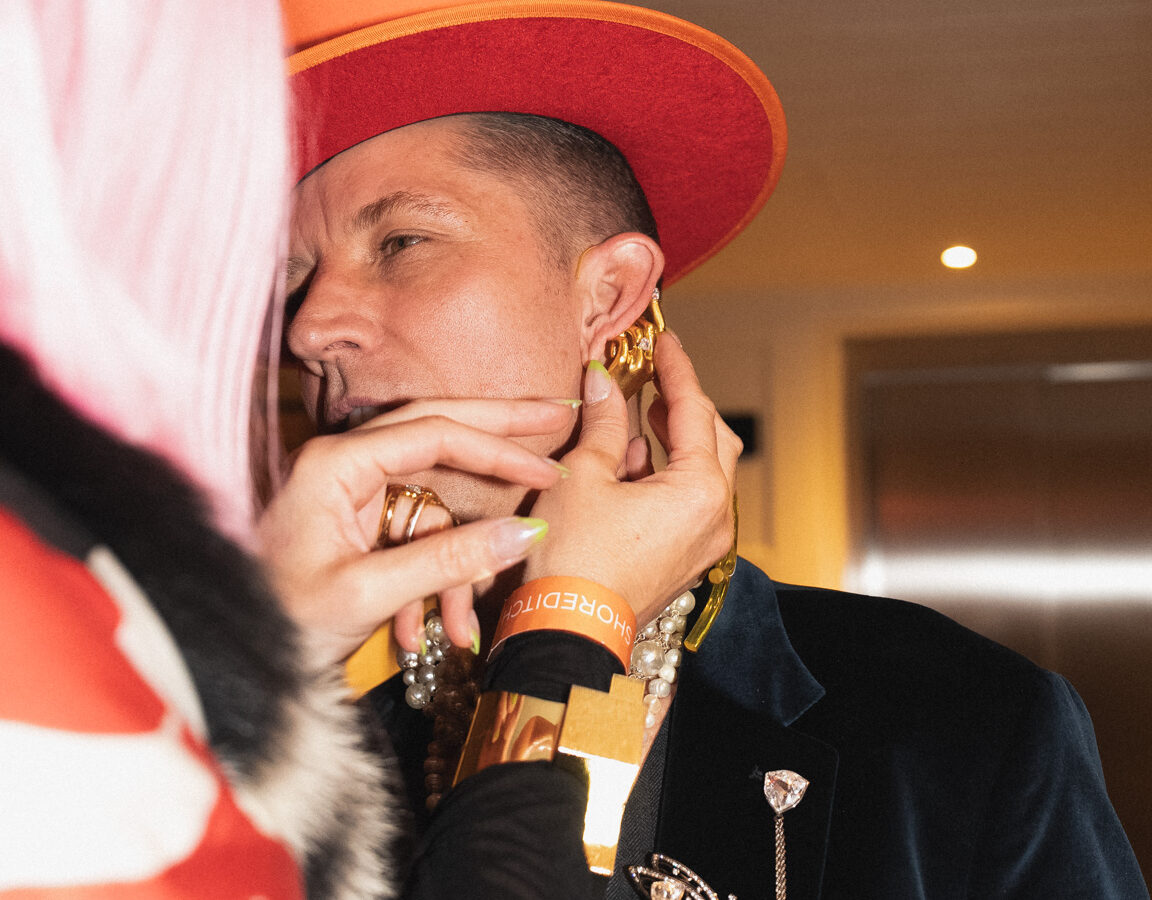
A lot of editorial work involves clothes, and shooting fashion for a queer story is its own skill. The styling carries meaning, gender presentation is often part of the point, and the photographer has to light and frame so the look reads the way it’s meant to.
I work closely with stylists so the clothes land as intended, whether the brief is high fashion, street, or something that refuses category. The body in the clothes is a person with a presentation, and respecting that is what separates good fashion editorial from flat catalogue work.
If your piece is fashion led, tell me early so we build the whole shoot around the looks.
Where in London
I shoot editorial across the city, in studios, on location, and in the kind of characterful spaces around Hackney that suit a lot of queer stories. The location is part of the concept, so we choose it for what it says rather than for convenience.
If you need a controlled studio, I run one in east London called Lemon Shark Studio where we can build a set from scratch. For grittier or more specific looks, the city itself is the set.
For a sense of how I shoot concept led work, more of my portfolio is at LemonLens.
Serving the publication’s needs
Editorial has practical demands beyond the creative ones. A cover needs space for a masthead and cover lines. A spread needs frames that work across a gutter. A digital feature needs different crops to the print version. A photographer who ignores these hands the designer a headache.
I shoot with the layout in mind, leaving room where text will go and giving the editor options for how the story can be built. It’s the unglamorous part of editorial, and it’s what makes an editor want to book you again.
Tell me the format and I’ll shoot to fit it.
Turnaround for deadlines
Publications run on deadlines, and editorial photography has to respect them. I agree the delivery date up front and hit it, with a selection of edited frames in the format you need. A photographer who’s late on an editorial job has burned the relationship.
If the piece is time sensitive, news adjacent, or tied to an event, I can turn work around fast without letting the quality drop. We just plan for it.
You get the images in a way that fits your workflow, ready to drop into the page.
Building a relationship with an editor
The best editorial work comes from photographers and editors who trust each other. The first commission is always a bit cautious, both sides feeling out how the other works. By the third, the editor briefs in a sentence because they know what you’ll bring, and the work gets braver because the safety net is there.
I try to make the first job easy to say yes to, hitting the brief and the deadline cleanly so the editor’s risk in trying someone new pays off. Reliability is what earns the more interesting commissions later, the ones with room to actually create.
For a publication, finding a photographer who gets your readership and can be trusted to deliver is worth holding onto. It’s why editors tend to build a small stable of people they go back to rather than casting around each issue. If you’re an editor looking for someone who understands queer stories from the inside, that’s exactly what the roster is for.
What it costs
Editorial coverage in London varies widely with the scope, but a focused shoot usually starts around £400 and rises with a full crew, multiple looks, locations, or a campaign sized brief. Concept and styling work takes more planning than a simple shoot, which the figure reflects.
Every photographer on the queer.photo/ roster sets their own rate, so you'll see a real figure on each profile before you book. You weigh the work against the price together.
For a publication, the right images do real work for the piece and the issue, which makes them worth getting right.
Choosing the right photographer
Hire someone whose editorial work has a clear voice and who clearly understands queer stories from the inside rather than reaching for cliche. The point of view in their portfolio is the thing you’re actually commissioning.
Tell us about the story and the publication, and we’ll match you with someone from the roster who’ll bring a real eye to it. We aim to come back to you within a day.
Common questions
What’s the difference between editorial and a normal portrait shoot?
Editorial serves a story rather than just recording a likeness. It carries concept, mood and a deliberate look that fits the publication and the piece, so the photographer is part author shaping how the story reads rather than simply recording it.
Why does a queer editorial photographer matter for a queer story?
Because they shoot from inside the world rather than gawping at it from outside. They know which references are tired or loaded, avoid exoticising the subject, and photograph people as specific rather than as stand-ins for an idea.
We’re a small publication with no budget for a crew. Can you still help?
Yes. The photographer can work lean, pulling together more of the roles, or suggest collaborators from London’s queer creative scene. A tight crew who get the story beats a big one who don’t.
Can you shoot for a cover and a spread?
Yes, and it’s planned for. Covers need space for the masthead and cover lines, spreads need frames that work across the gutter, and digital needs different crops. Tell the photographer the format and they’ll shoot to fit it.
How much does queer editorial photography in London cost?
A focused shoot usually starts around £400, rising with a full crew, multiple looks, locations, or a campaign brief. Each photographer lists their own rate, so you see the number before booking.
Ready when you are. see editorial options, or find a photographer.