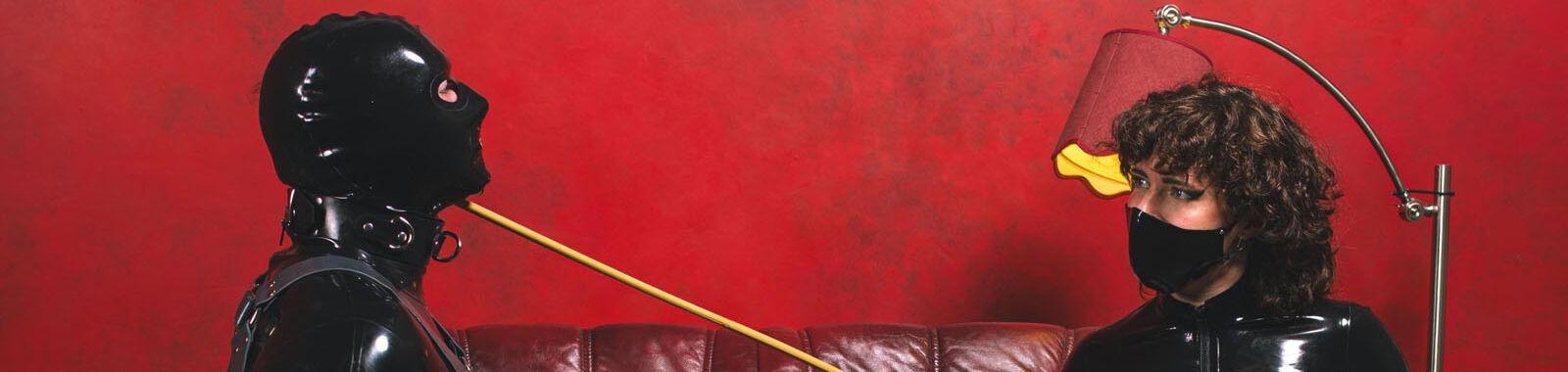
Zine photography in London, images made for print and made to mean something
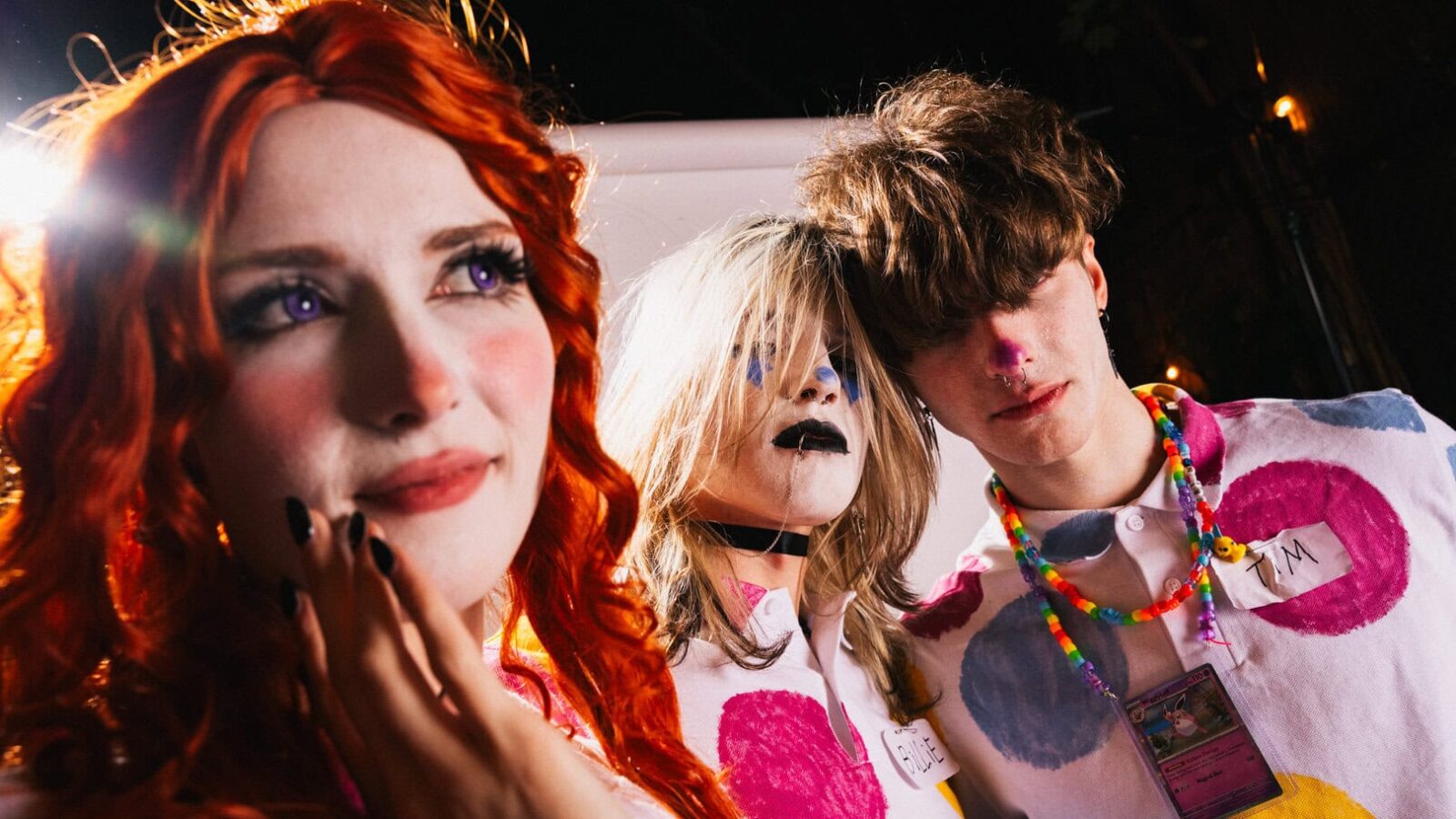
Someone messaged me wanting photos for a zine about queer swimmers, the early morning pond crowd who show up year round in all weather. No budget to speak of, a riso printer borrowed from a mate, and a fierce clear idea of what the thing should feel like. It was one of the most satisfying projects I’ve done, because a zine has none of the compromise of commercial work and all of the freedom.
Zines are where a lot of the best queer image making actually happens. Cheap, fast, uncompromised, and made by the people the work is about. Shooting for one is different from shooting for a glossy magazine, and I love the difference.
Print on cheap paper has its own honesty, and good zine photography leans into it.
Why zines matter for queer image making
The mainstream press has always been slow and skittish about queer stories, so the community made its own. Zines have carried queer photography, writing, and art for decades precisely because they answer to nobody. No editor watering it down, no advertiser to please, no presumed straight reader to explain yourself to.
That independence is the whole point. A zine can be as specific, as horny, as political, as tender as it wants, because the only people it has to satisfy are the ones making it and the small crowd who’ll treasure it.
Photographing for one means serving that freedom rather than dulling it.
Shooting for print, not screens
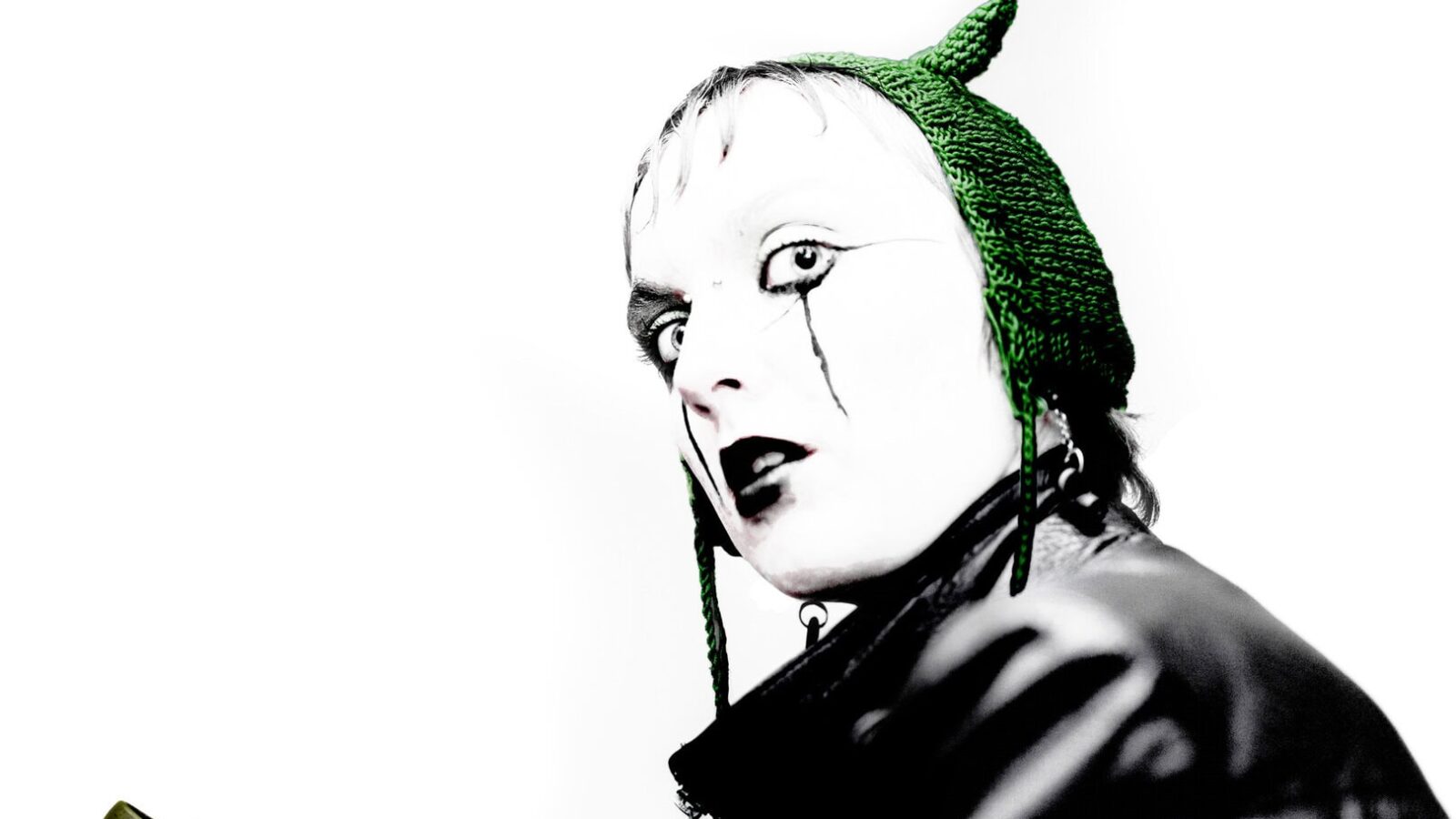
A zine lives on paper, often cheap paper run through a riso or a photocopier, and that changes how you shoot. High contrast holds up where subtle gradients turn to mud. Grain becomes texture rather than a flaw. The image has to survive a printing process that’s rough by design.
I shoot with the final print in mind, thinking about how the photo will read once it’s halftoned onto newsprint or split into two riso colours. An image optimised for a glossy screen can fall apart on a photocopier, and the reverse is also true.
Knowing the output before the shoot is what makes zine photography work.
Working with riso and DIY printing
Riso printing splits an image into spot colours and layers them, which gives that distinctive grainy, slightly misregistered look people love. Shooting and preparing images for it is a specific skill, thinking in separations and embracing the happy accidents the process throws up.
If your zine is riso or photocopier based, I can prepare the images so they print well rather than handing you files that look great on a laptop and terrible on the page. The medium is part of the art, so the photography should be made for it.
If you’re new to riso, I can talk you through what the images need before you get to the printer.
Photo stories with a beginning and end
Many zines are photo stories, a sequence that builds rather than a set of unrelated nice pictures. That means shooting with the edit and the running order in mind, getting the openers, the quiet beats, the closer, so the zine has a shape when it’s bound.
I think about sequence on the shoot itself rather than only afterwards, so we come away with the frames a story actually needs. A photo essay that’s all peaks and no breath doesn’t hold a reader across the pages.
We can plan the arc together if you have a narrative in mind, or find it in the edit if the project is looser.
Collaborating with self-publishers
Zine makers usually wear every hat, editor, designer, printer, distributor, and a photographer has to fit into that DIY way of working rather than imposing a commercial process. I work flexibly, on real budgets, with people doing this for love rather than money.
That might mean a barter, a credit, a small fee, or a collaboration where we both own the work. The queer zine scene in London runs on this kind of mutual support, and I’m glad to be part of it.
Tell me what your project is and what you can manage, and we’ll find a way to make it work.
Where in London
Zine shoots happen wherever the subject is, on the street, in homes, at the ponds and parks and venues around Hackney and across the city. The DIY spirit means we shoot where it’s real rather than renting a polished set.
If a project does want studio control, I run one in east London called Lemon Shark Studio, but most zine work belongs out in the world.
For a sense of how I shoot documentary and story led work, more is at LemonLens.
Owning the work and crediting it
Zines run on trust and credit rather than contracts, but it’s still worth being clear who owns what and how everyone’s credited. I sort that out plainly at the start so there’s no awkwardness later, especially if the zine does well or gets reprinted.
Usually the maker gets to use the images in the zine and its promotion, and I keep the right to show the work in my portfolio. Anything beyond that we just agree up front.
Clear and friendly beats vague and assumed, even among friends.
Why a zine outlasts a post
There’s a quiet argument for print in an age where everything queer scrolls past in a second and vanishes. A zine is a physical object that sits on a shelf, gets lent to friends, turns up in archives years later. The photos in it have a permanence that an Instagram post, gone the moment the feed refreshes, never gets.
Queer history has been lost over and over because so much of it lived in passing, undocumented or deliberately destroyed. A zine is a small act against that, a thing that says we were here, this is what it looked like, hold onto it. The images in it are doing more work than they might seem.
That’s part of why I take zine commissions as seriously as any glossy job, sometimes more. The print run might be fifty copies, but those fifty copies can outlive everything I shoot for a brand with a hundred times the budget. The work going into a small queer zine is often the work that matters most in the long run, long after the commercial jobs have been forgotten and the platforms that hosted everyone’s posts have changed beyond recognition or shut down entirely.
What it costs
Zine photography is the most budget flexible work I do, because the projects rarely have commercial money behind them. A shoot can range from a barter or a small fee for a passion project up to a proper rate for a funded or commercial zine. We scope it to reality.
Photographers on the queer.photo/ roster set their own rates and many are happy to talk through what's possible for a community project. You won't be quoted a corporate figure for a DIY zine.
Tell us the project and the budget, honestly, and we’ll find someone who wants to make it.
Choosing the right photographer
Hire someone whose work shows a real feel for print and story rather than only glossy commercial polish, and who clearly cares about the zine tradition rather than slumming it. The right person treats your DIY project with full seriousness.
Tell us what your zine is about and how you’re making it, and we’ll match you with someone from the roster who’ll get it. We aim to reply within a day.
Common questions
How is shooting for a zine different from a magazine?
A zine answers to nobody, so the work can be far more specific and uncompromised, and it lives on cheap paper rather than glossy screens. That changes how you shoot, favouring high contrast and texture that survive a rough printing process.
Can you prepare images for riso or photocopier printing?
Yes. Riso splits an image into spot colours and layers them, which needs images prepared with that in mind rather than files that look great on a laptop and fall apart on the page. The photographer can sort the separations and prep.
My zine is a photo story, not random images. Can you shoot for sequence?
That’s the aim. The photographer thinks about the edit and running order on the shoot itself, getting the openers, quiet beats and closer, so the zine has a real shape when it’s bound rather than being all peaks and no breath.
I have almost no budget. Is it still worth asking?
Yes. Zine work is the most budget-flexible photography there is, ranging from a barter or small fee for a passion project to a proper rate for a funded one. Many photographers on the roster actively want to make community work.
How much does zine photography in London cost?
It ranges widely, from a barter or small fee for a DIY passion project up to a full rate for a funded or commercial zine. Each photographer sets their own rate and will talk honestly about what’s possible.
Ready when you are. see editorial options, or find a photographer.