Brand portraits for queer therapists and coaches in London
A queer therapist told me her practice was quiet and she couldn’t understand why. Her training was excellent, her approach was genuinely good, and her website photo was a stiff corporate headshot against a grey wall that made her look like a bank manager. The clients she wanted, queer people nervous about opening up, took one look and felt nothing. The photo was quietly turning away the exact people she was best placed to help.
For a therapist, coach, or any practitioner whose work depends on trust, the photo isn’t decoration, it’s the first therapeutic act. A potential client decides in seconds whether they’d feel safe in a room with you, and they decide largely on your face. For queer practitioners serving queer clients, a warm, real, visibly safe image is the difference between a full practice and an empty calendar.
People book a person they trust, so the photo has to earn that trust before a word is read.
Why your photo is part of the work
Therapy and coaching are intimate, and choosing a practitioner is an act of vulnerability. A prospective client is asking themselves whether they could be honest with you, whether you’d judge them, whether they’d feel safe. Your photo answers those questions before they ever message you.
A cold or generic image leaves them unsure, and unsure people don’t book. A warm, grounded, human photo lets them exhale and think yes, I could talk to them, which is exactly the feeling that turns a browser into a client.
The image is doing real work in the decision, so it deserves the same care as the rest of your practice.
Warmth and trust in a portrait
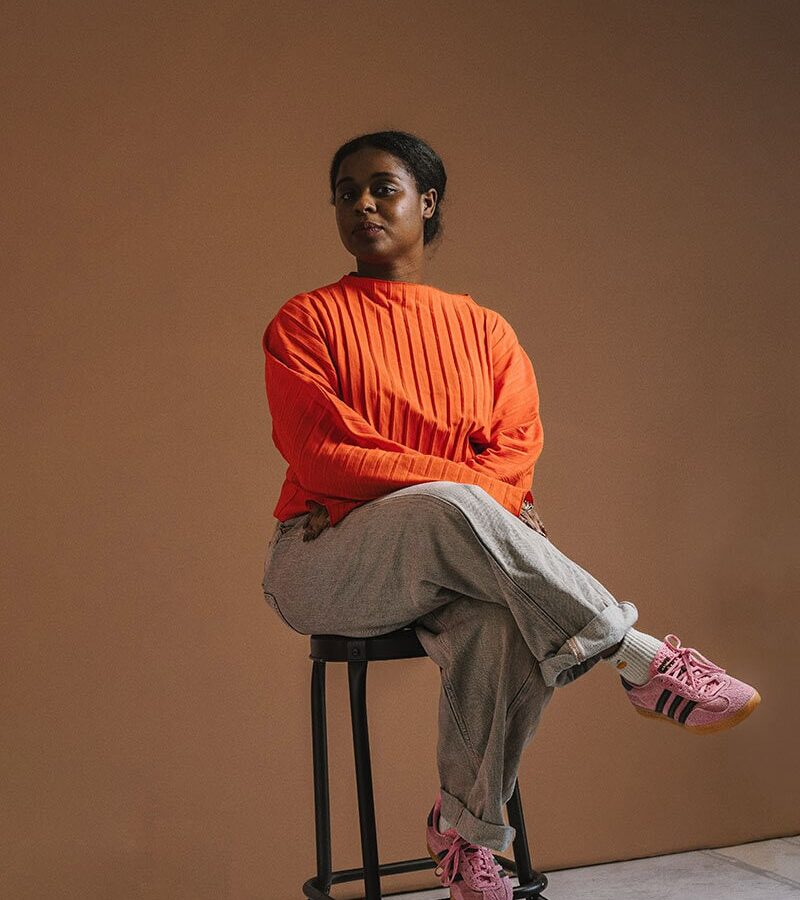
The goal is a portrait that feels safe and human rather than slick or corporate. Soft, kind light, a genuine and settled expression, an openness that reads as I’m someone you could be honest with. That feeling is specific, and it has to be coaxed rather than posed.
I work to get you genuinely relaxed and present, because a forced professional smile reads as a mask, and clients seeking a therapist are very good at spotting masks. The warmth has to be real to land.
We’re aiming for the version of you that a nervous client would feel relieved to meet.
Why a queer practitioner needs a queer eye
If your practice serves queer clients, your imagery has to signal that you actually are a safe space rather than just claiming it on an about page. Queer clients are practised at reading whether a professional truly gets them, and the photos are part of that read.
A photographer who understands queer clients shoots you in a way that quietly signals safety to the people you want to reach, without it ever becoming a gimmick. The authenticity comes through because it’s real on both sides of the camera.
That signal is part of what brings the right clients to your door rather than the wrong ones.
Building a small library for your practice
A practitioner needs more than one headshot. A warm portrait for the homepage, a few for the about page, images of your space if you have one, and frames with room for text for socials and articles. Together they build a coherent, trustworthy presence.
I plan the shoot around where the images go, so you leave with enough to carry your website and your content without scraping the barrel. A consistent set makes a solo practitioner look as established and considered as a larger clinic.
We map out what you actually need before the day so the session is efficient and the library is complete.
Shooting your space
If you see clients in a room, online, or a calming space of your own, photographing it helps a prospective client picture being there. Seeing the actual setting lowers the anxiety of the unknown, which matters enormously for someone nervous about a first session.
I shoot practice spaces to feel warm and safe rather than clinical, so the environment reinforces the same trust your portrait builds. For online practitioners, we can create a sense of the calm, considered setting your sessions happen in.
The space and the portrait should tell one consistent story about what it’s like to work with you.
Where in London
I shoot practitioners in their own space, on location, or in studio across the city, including the calm, characterful spaces around Hackney. Your own room often works best because it’s already the setting clients will know.
If your space isn’t right for photos, I run a studio in east London called Lemon Shark Studio where we can build a warm, soft set that suits this kind of work.
For a sense of how I shoot people warmly, more of my work is at LemonLens.
Looking professional and human at once
There’s a balance to strike between credible and approachable. Too casual and you don’t read as a serious professional. Too corporate and you don’t read as someone a vulnerable person could open up to. The right portrait holds both, competent and kind at the same time.
I shoot toward that balance, so you look like someone who knows what they’re doing and who you’d also trust with something tender. For practitioners that combination is the whole brief.
It comes from genuine warmth shot with proper craft, rather than either polish or casualness alone.
Refreshing as your practice grows
As your practice develops, a rebrand, a new specialism, a new space, the imagery should keep pace. Many practitioners come back periodically to keep their photos current and consistent as they grow into the work.
That ongoing relationship means the same warm, coherent feel carries through your visuals over time, which builds recognition and trust with returning visitors. A patchwork of different styles makes even a good practice feel scattered.
If you’re evolving how you work, it’s worth shooting around the change so the images reflect where you’ve reached.
What to wear, and being yourself
The clothes should be what you’d actually wear seeing clients, because the photo is a preview of meeting you. If your style is soft knits and no tie, wear that, because turning up to a session in a suit you’d never normally wear reads as a costume, and clients sense the gap. Authenticity is the entire currency here.
Bring a couple of options in colours that suit you and that feel calming rather than stark, since the mood of the image matters as much as the clothes. Soft, warm tones tend to support the safe, approachable feeling we’re after better than hard corporate black and white.
Beyond that, the best thing you can do is come willing to be yourself rather than a polished professional persona. The whole point is that a client meets the real you in the photo and decides they could open up to that person, so the more genuinely you the image is, the better it does its job.
What it costs
A brand portrait session for a practitioner in London usually starts around £300 for a focused half day with a working set of images, rising with your space, multiple looks, or a larger library. The more the shoot has to cover, the more time it takes to shoot and edit.
Every photographer on the queer.photo/ roster sets their own rate, so you'll see a real number on each profile before you book. You weigh the work against the price together.
For a practice that depends on trust, imagery that earns it tends to pay for itself in clients who felt safe enough to book.
Choosing the right photographer
Hire someone whose portraits feel warm and human rather than corporate, and who understands queer clients so the safety in your image is real. The ability to coax genuine warmth is exactly what you’re paying for here.
Tell us about your practice and who you want to reach, and we’ll match you with someone from the roster who’ll make you look like someone worth trusting. We aim to come back to you within a day.
Common questions
Why does my photo matter so much as a therapist or coach?
Because choosing a practitioner is an act of vulnerability, and a prospective client decides whether they’d feel safe with you largely on your face, before reading a word. A warm, human photo lets them exhale and book, while a cold one quietly turns them away.
How is this different from a normal headshot?
It’s built for trust rather than corporate polish. The aim is a warm, settled, genuinely present portrait that reads as someone you could be honest with, plus a small library covering your about page, your space, and your content.
Why does a queer practitioner need a photographer who gets it?
Because queer clients read whether a professional truly is a safe space rather than just claiming it. A photographer who understands queer clients shoots you to signal that safety authentically, which brings the right clients to your door.
Should I have my practice space photographed too?
If you have one, yes. Seeing the actual calming setting lowers the anxiety of the unknown for someone nervous about a first session, and shooting it warm rather than clinical reinforces the same trust your portrait builds.
How much do brand portraits for a practitioner in London cost?
From around £300 for a focused half day with a working set, rising with your space, multiple looks, or a larger library. Each photographer lists their own rate, so you see the number before booking.
Ready when you are. see portrait options, or find a photographer.