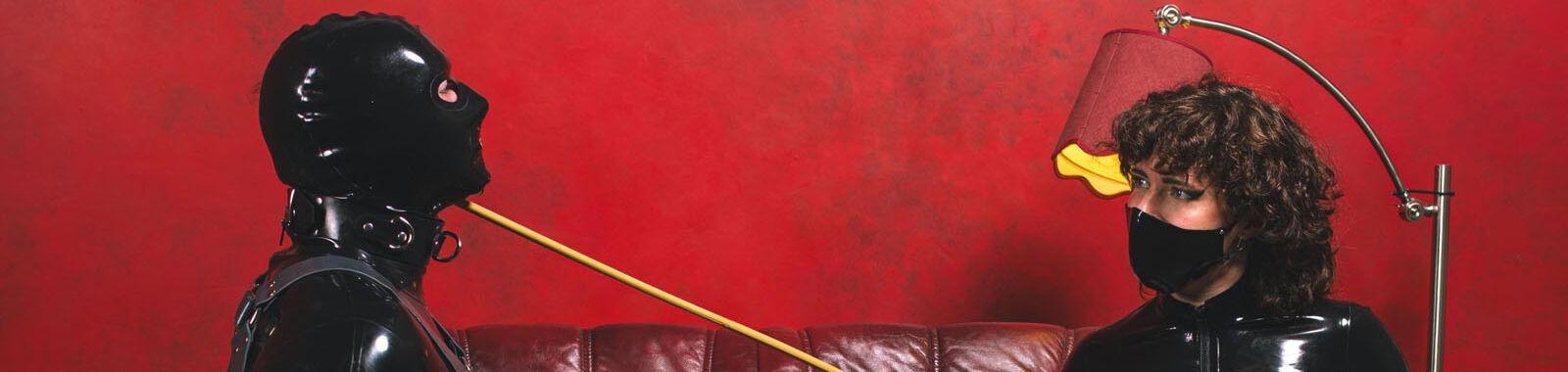
Queer boudoir and intimate portraits in London, on your own terms
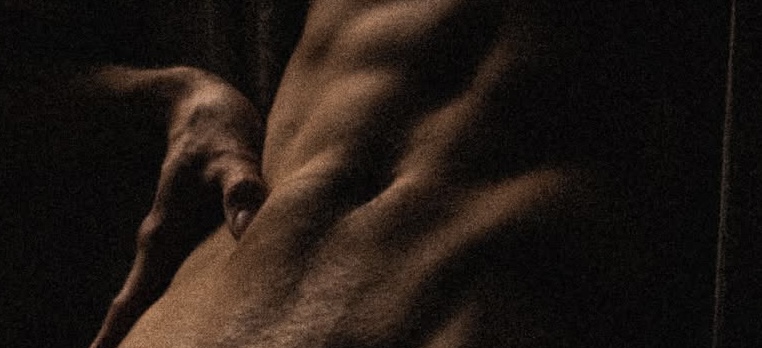
Someone booked an intimate session and spent the first part of our chat explaining, almost defensively, that they didn’t have a boudoir body. They’d only ever seen the genre as one thing, a thin cis woman posed for a man’s eyes, and they couldn’t see themselves anywhere in it. By the end of the shoot they were looking at the back of the camera with an expression I see a lot in this work, surprise at recognising themselves as someone worth photographing.
Boudoir and intimate portraiture have a narrow, gendered history, and that history has shut a lot of people out. Queer and trans people, fat people, older people, anyone whose body the mainstream genre ignored. Reclaiming this kind of photography on your own terms, free of the male gaze and the single approved body, is genuinely powerful, and it’s some of the most rewarding work I do.
This is your body, your shoot, your gaze.
Reclaiming a narrow genre
Traditional boudoir was built to present women’s bodies for men, in a very particular shape and style. Even when the subject is meant to be doing it for themselves, the visual language often still serves that old gaze, which is why it leaves so many people cold.
Queer intimate portraiture starts somewhere else entirely. It asks what you want to feel and see, rather than what’s conventionally sexy, and builds from there. The result can be sensual, tender, powerful, playful, or quiet, depending entirely on you.
Taking this genre back is part of the point, and it changes what the photos are for.
Consent and control throughout
Intimate work demands the highest standard of consent, and I treat it that way. You set every boundary before we start, we agree exactly what we’re shooting and what we’re not, and nothing happens that you didn’t ask for. You can stop or change direction at any moment without explanation.
You see the images as we go, so you’re never wondering what’s being captured. Control of the gallery is yours absolutely, and we agree clearly that nothing is shared anywhere without your explicit say so.
That safety is what lets people actually relax into this kind of shoot, which is when the real images happen.
Shooting queer and trans bodies well
Photographing queer and trans bodies for intimate work takes understanding rather than only technical skill. Knowing how to light and frame so a person sees themselves the way they want to be seen, working with or around the parts of the body that carry complicated feelings.
For trans clients especially, this can be tender territory, and I shoot with care for dysphoria, favouring the framing you feel strong in and skipping what doesn’t feel like you. The aim is images that affirm rather than expose.
A photographer who gets this makes the difference between a session that feels empowering and one that feels like an ordeal.
Body positivity that’s real, not a slogan
Body positive gets used as a marketing word, but in this work it has to be actual practice. That means knowing how to photograph every body so it looks and feels good, fat bodies, scarred bodies, disabled bodies, ageing bodies, bodies that don’t match anyone’s template.
I light and pose to flatter the actual person in front of me rather than forcing every body toward one ideal. The point is that you look at the photos and like what you see, which for many people is a rare and moving experience.
Everyone deserves to be photographed as desirable, and this work takes that seriously.
Where we shoot in London
Intimate work needs privacy above all, and I run a studio in east London called Lemon Shark Studio where it’s just us, with no chance of anyone walking through. A private, calm space is essential for this kind of session.
Home can work too if you feel most yourself and safest there, surrounded by your own things. Some people prefer the neutrality of a studio, others the comfort of home, and either is right depending on what relaxes you.
For a sense of how I handle light on skin, more of my portrait work is at LemonLens.
What to bring, and what to wear
Wear whatever makes you feel powerful or beautiful or yourself, which might be lingerie, might be a binder and boxers, might be a favourite shirt, might be nothing at all. There’s no dress code for this, only what feels right to you.
Bring a few options so we can play, and bring anything that’s part of how you see yourself, your tattoos, your jewellery, an item that means something. The shoot should reflect you rather than a generic idea of sexy.
If you’re unsure, we talk it through beforehand so you arrive with a plan rather than anxiety.
Who these shoots are for
People book intimate sessions for all sorts of reasons. To mark a transition milestone, to celebrate a body after illness or surgery, as a gift to a partner or to themselves, or simply to see themselves as desirable for once. All of those are good reasons.
Some want the images entirely private, made for themselves alone, and some want to share them with a partner. Both are completely valid, and the privacy settings flex around whatever you intend.
There’s no requirement to justify wanting this. Wanting to see yourself well is reason enough.
Feeling comfortable on the day
Nerves are normal, and I build the session to ease them. We start clothed and relaxed, talk as we go, and move at your pace rather than rushing toward the more exposed frames. By the time we get there, if we get there, you’re warmed up and comfortable.
You’re in charge throughout, and there’s no pressure to do more than you want. Many people find they relax far faster than they expected once they realise they’re genuinely in control.
The whole shoot is built so you feel safe enough to actually enjoy it.
The photos, and what you do with them
What happens to intimate images afterwards is entirely yours to decide, and worth thinking about before you book. Some people want them purely for themselves, a private affirmation they look at when they need reminding of something. Some make a small print for a partner, or a single image for their own wall.
Because the work is sensitive, I’m careful about delivery and storage, handing the images over securely and keeping nothing beyond what we’ve agreed. You’re never wondering where your photos have ended up, because the answer is only ever where you put them.
If you do want to share any publicly, perhaps to mark a milestone on your own terms, that’s your call and we agree it explicitly. The default is total privacy, and anything beyond that happens only because you chose it, in writing, image by image if you like.
What it costs
An intimate or boudoir session in London usually starts around £250 and rises with a longer session, more looks, or a larger set of edited images. The careful, unhurried nature of the work is part of what the figure reflects.
Every photographer on the queer.photo/ roster sets their own rate, so you'll see a real number on each profile before you book. You weigh the work against the price together.
For something this personal, the value is in feeling safe and seen, which the right photographer delivers.
Choosing the right photographer
Hire someone whose intimate work shows a real range of bodies shot with care and clearly outside the old male gaze, and who you’d feel genuinely safe being vulnerable in front of. Trust matters more than anything else here.
Tell us what you want from the session and any concerns you have, and we’ll match you with someone from the roster who’ll make it feel safe and affirming. We aim to reply within a day.
Common questions
I don’t have a “boudoir body”. Is this still for me?
Yes, completely. The narrow idea of one approved body is exactly what queer intimate portraiture rejects. The photographer knows how to light and pose every body so you look and feel good, and seeing yourself as worth photographing is often the whole point.
How is consent and privacy handled?
To the highest standard. You set every boundary before starting, see the images as you go, and control the gallery absolutely, with nothing shared anywhere without your explicit say-so. You can stop or change direction at any moment.
I’m trans and nervous about dysphoria. Can the shoot work for me?
Yes. The photographer shoots with care for dysphoria, favouring the framing you feel strong in and skipping what doesn’t feel like you. The aim is images that affirm rather than expose, and you stay in control throughout.
What should I wear?
Whatever makes you feel powerful or yourself, from lingerie to a binder and boxers to a favourite shirt to nothing at all. There’s no dress code, only what feels right, and you can bring a few options to play with.
How much does a queer boudoir session in London cost?
From around £250, rising with a longer session, more looks, or a bigger edit. Each photographer lists their own rate, so you see the number before booking.
Ready when you are. see portrait options, or find a photographer.