Non-Binary Portrait Shoot in London, for the photos that finally look like you
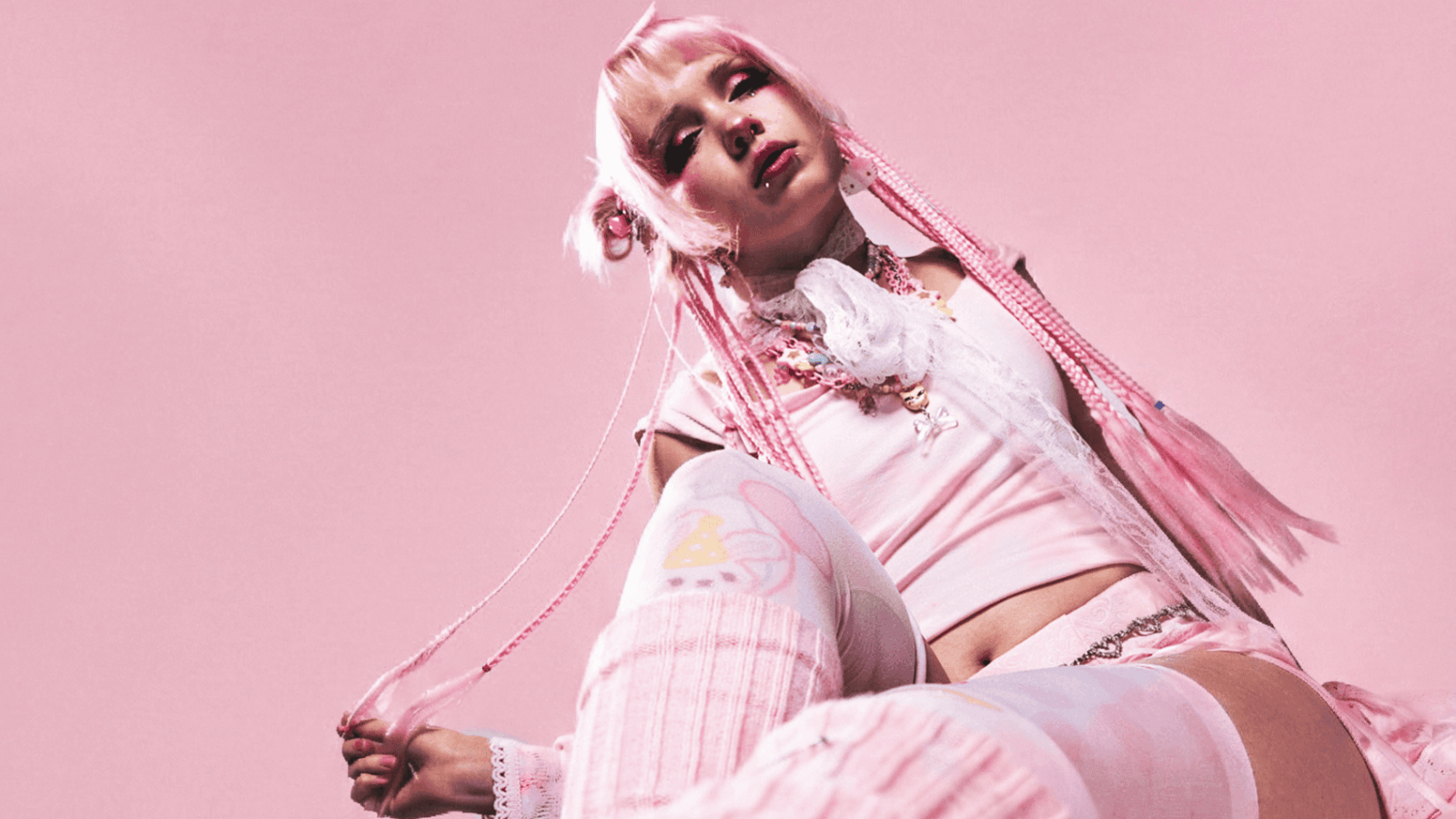
A client told me once that the last time they’d booked a professional portrait session, the photographer had spent the first twenty minutes trying to work out whether to direct them towards “strong and powerful” or “soft and natural.” Neither of those things was what they were.
The photos came out fine in the way a shirt two sizes off is technically a shirt. Fine, but nothing you’d actually put on.
That’s a common story among non-binary people who’ve tried professional photography and found it didn’t land. The problem usually isn’t the photographer’s skill with light or composition. It’s that default posing language assumes a binary, and when you don’t map onto either side of that binary, the whole session can feel like guesswork dressed up as direction.
A non-binary portrait shoot in London done properly starts before the camera comes out.
Why professional portraits often go wrong for non-binary people
Most portrait photographers have a vocabulary of maybe thirty poses, and photographers built that vocabulary around two categories: the ones that read “feminine” and the ones that read “masculine.” The strong jaw, the open posture, the turned hip, the weight shifted onto one leg. Every one of these defaults to a gender assumption.
When a photographer doesn’t question that vocabulary, they end up pushing a non-binary client into whichever category they’ve unconsciously assigned them, and the photos show it.
Good photography of a non-binary person starts somewhere else. It starts with a conversation about how that specific person carries themselves on a good day and what the photos are for.
That conversation takes time. It’s not optional.
What a non-binary portrait session actually involves
The session varies depending on the photographer and your brief, but a few things tend to hold. Most sessions start with time settling in before shooting begins.
A studio like Lemon Shark in east London, or a location you’ve chosen together, rather than somewhere you’ve never been. Time to try things and see what’s landing before committing to a full series.
The photographer should take direction from you as much as giving it. If a pose feels wrong, you say so. A session works when both people are problem-solving together, not when the photographer is running through a checklist.
Non-binary headshots and professional portraits
One use case that comes up often is headshots: the kind used for a LinkedIn profile or a speaker bio. The standard headshot format has the same binary problem as portrait work generally, but the brief is actually clearer. You want to look like yourself, approachable, like someone a person would want to meet.
That’s a goal a good photographer can work towards regardless of your gender presentation. If headshots are what you’re after, the portraits section lists photographers who include headshots in their work. The guide to queer portrait photography in London also covers what to look for in a photographer for this kind of brief.
Where in London
Hackney and Shoreditch have a good concentration of studio spaces, including smaller independent studios that are easier to book than bigger production spaces. Dalston and Peckham both have photographers who work from home studios or use the area as location. Hampstead Heath and Soho are popular outdoor options for people who want something less formal.
The photographers on the queer.photo roster are London-based, and most will quote for travel to a specific location if you want to shoot somewhere that means something to you.
What it costs
A non-binary portrait session in London usually starts around £500 for a few hours. The price rises with the length of the session and the number of edited images you take away. Each photographer on the queer.photo roster sets their own rate, shown on their profile before you make contact.
One thing worth factoring in: a first session with a new photographer often includes more time upfront for the conversation and settling in. That extra time is the session doing its job.
How to tell if a photographer will actually get it
Ask before you book. The question is: how do you approach sessions with non-binary clients? If the answer is something like “I treat everyone the same” or “I just let people be themselves,” that’s a sign they haven’t thought about it.
A photographer who gets it will have a more specific answer. They’ll mention the pre-session conversation. They’ll say something about how they adapt their posing approach to the individual.
Every photographer on the queer.photo roster is queer-led or explicitly queer-inclusive. Mermaids has resources on gender-affirming practices for service providers if you want to think through what good inclusion looks like before vetting a photographer outside the roster.
Choosing the right fit
Look at the work before you look at the bio. Does the portfolio include people who look like they could be you? Does the posing feel specific to each person, or does everyone in the portfolio carry the same energy?
The photographs are evidence of how the photographer actually works. They’re more useful than any statement about values.
When you’ve found someone whose work looks right, check whether their way of describing sessions matches what you want. Some photographers are structured; some are more exploratory. Browse the roster to compare approaches and rates before making contact.
Common questions
How much does a non-binary portrait shoot in London cost?
A non-binary portrait session in London usually starts around £500 for a few hours, rising with the length of the session and the number of edited images delivered. Each photographer on the queer.photo roster sets their own rate, shown on their profile before you make contact.
Will I need to explain my pronouns or gender presentation to the photographer?
No. Every photographer on the queer.photo roster is queer-led or explicitly queer-inclusive. Send a brief note with your pronouns and how you’d like to present in the photos, and they’ll take it from there.
Where do non-binary portrait sessions take place in London?
Sessions take place wherever suits you. A studio in east London, a location that means something to you (a park, your neighbourhood, your home), or anywhere else that feels right. Most photographers offer both options; check their profiles for details.
How long is a non-binary portrait session?
Most portrait sessions run one to three hours. The length depends on how many looks you want to cover and how the shoot develops. A longer session gives more time to settle in and try things.
What should I wear to a non-binary portrait shoot?
Wear what feels like you, or bring a few options if you’re unsure. If you want guidance, ask the photographer ahead of time. Most are happy to talk through outfits before the day.
Ready when you are. See portrait options, or find a photographer on the roster.