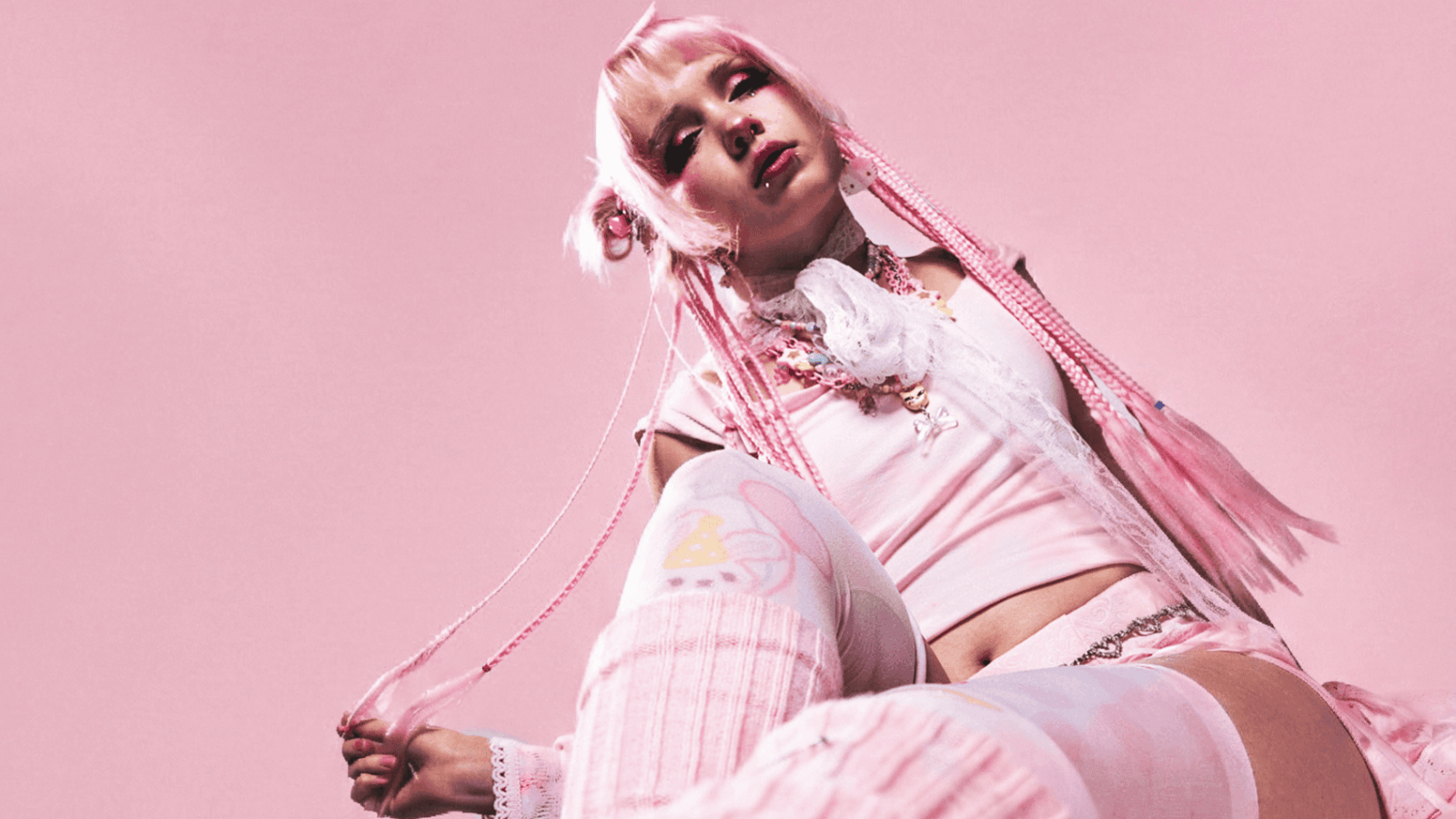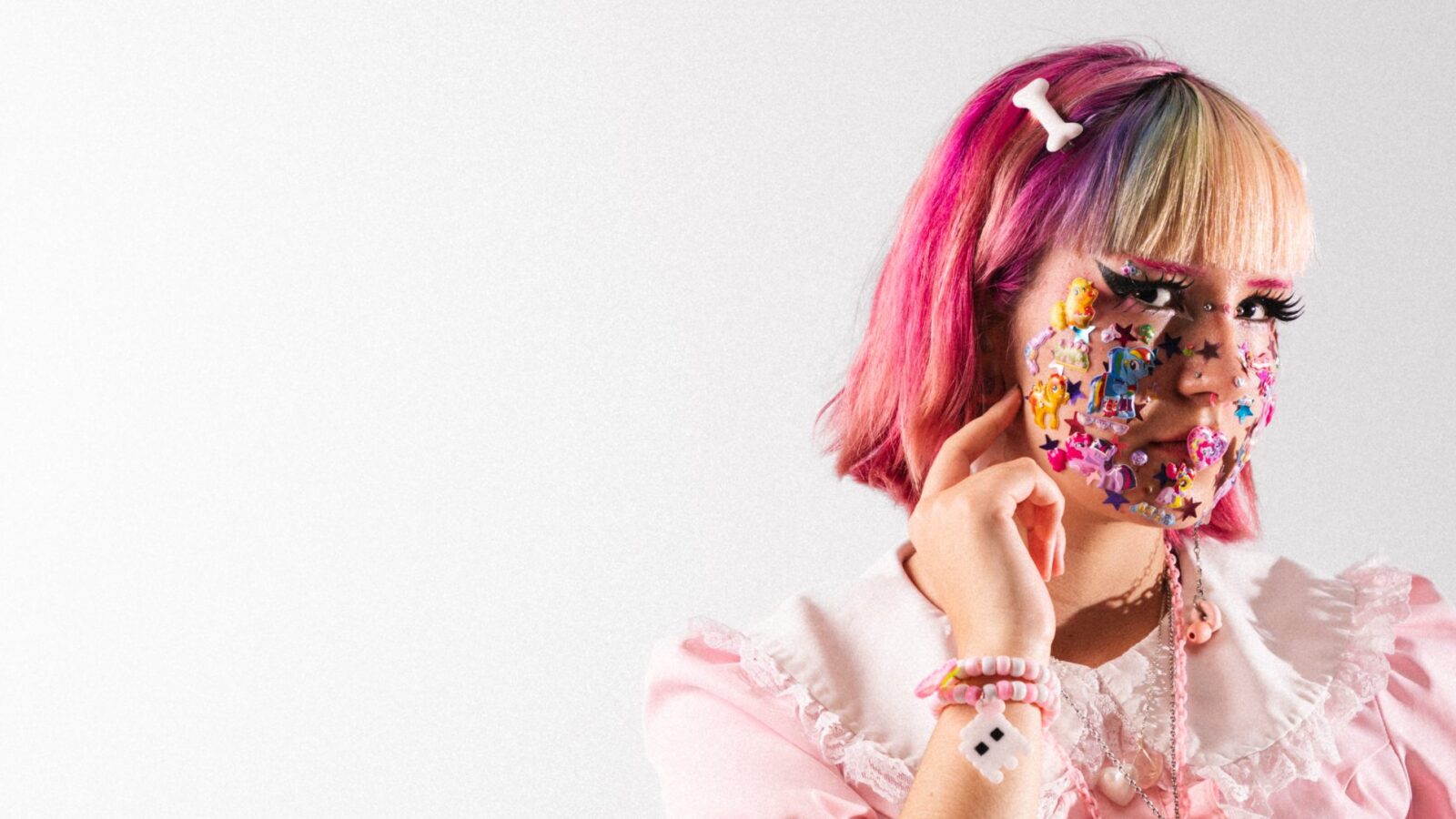
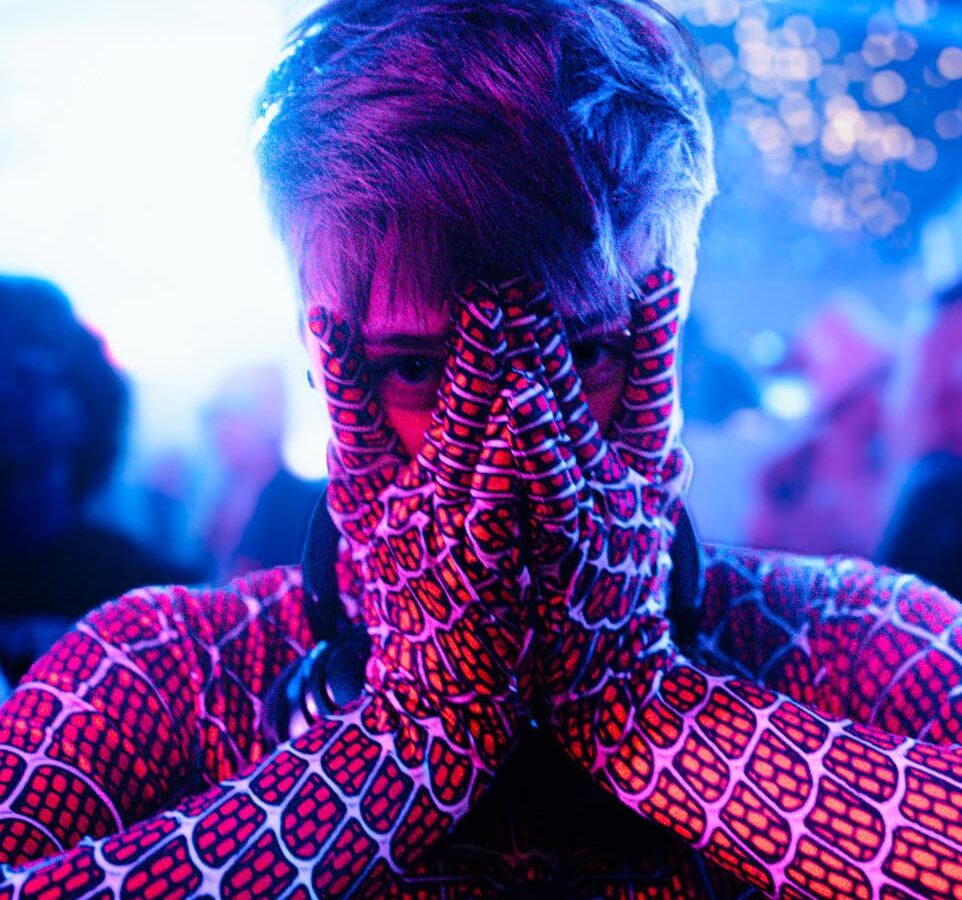
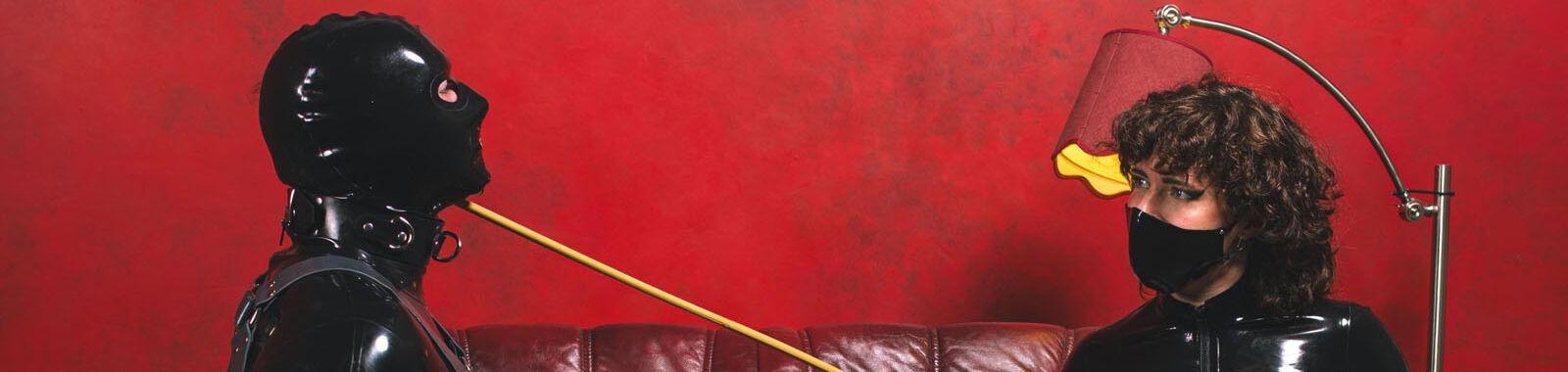
Non-binary portrait photography in London, shot without a gendered template
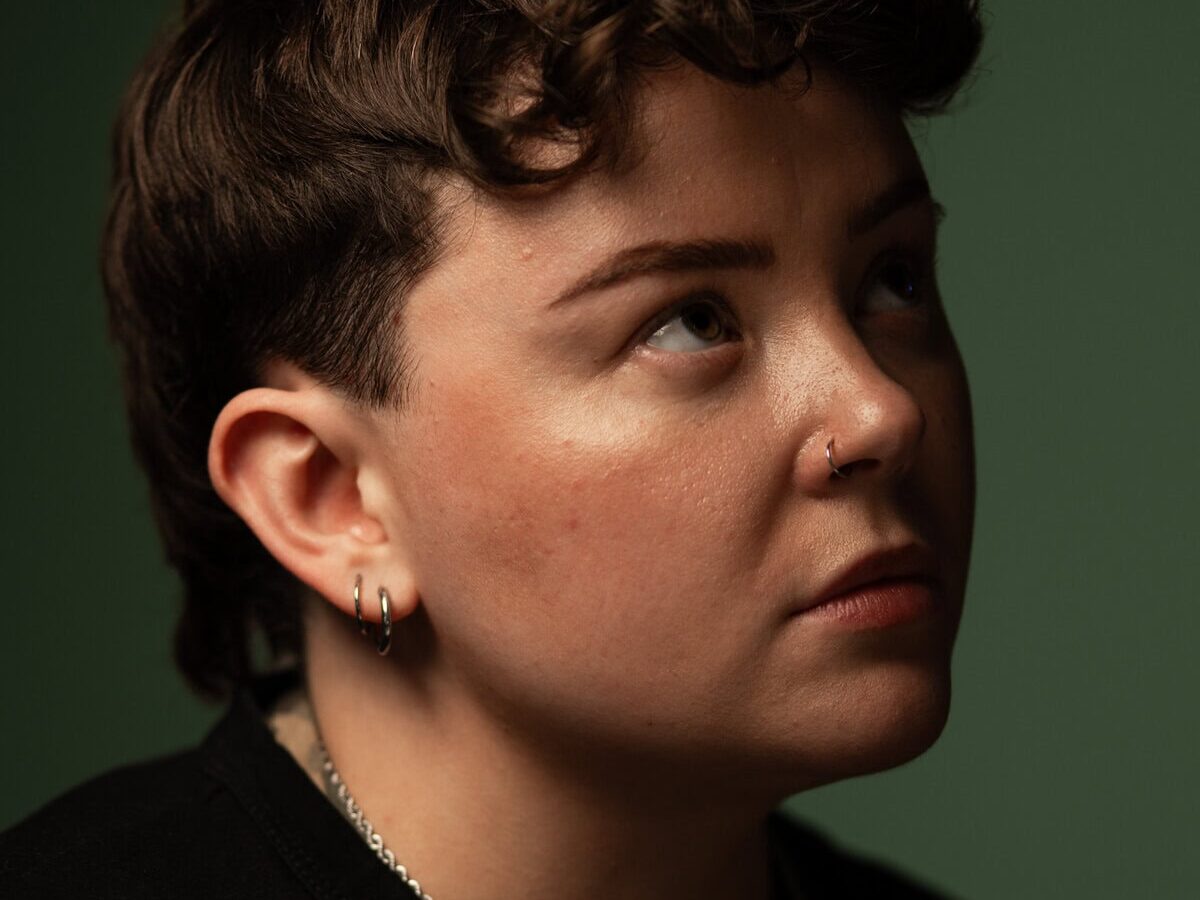
A client told me they could tell within two frames whether a photographer had quietly decided what gender they were going to shoot. They’d had it both ways. Softened into a woman with a tilted chin and a hand on the collarbone, or hardened into a man with a wide stance and a jaw they didn’t recognise. Either way, the photographer had picked a lane before the session started, and the photos were of someone else.
That’s the thing most non-binary people walk in braced for. Not rudeness, just a template snapping into place the moment the camera lifts. A non-binary portrait photographer throws the template out and starts from the actual person in front of them, which sounds simple and is the whole job.
We look at you, and we build from there.
Why the gendered template fails non-binary portraits
Most portrait posing runs on a binary. There’s a stack of moves photographers learn for women and a different stack for men, and the craft runs on knowing which to deploy. The trouble starts when neither stack fits.
A photographer on autopilot will still reach for one, because the alternative is admitting they don’t have a ready answer. You end up looking like a slightly off version of a gender you’re not, and you can feel it happening in real time.
A photographer who shoots non-binary people regularly has unlearned the reflex. They build the pose off your face and your body as they actually are, rather than off a pile they memorised years ago.
What we talk about first
Before the camera comes out, I want to know how you see yourself on a good day. Not a label for my paperwork, just the version of you that you’d want a stranger to meet. That tells me more than any reference image.
Some people want androgyny held in careful balance, some want the masculine turned up on a day they’re feeling it, some want a softness they don’t usually show strangers. There’s no right answer and I’m not grading you. I’ll also ask what you can’t stand in photos of yourself, because people always know.
Once I know that one thing you hate, I can steer around it for the whole shoot without you having to flinch through it.
Light and angle do the gendered work
A lot of what reads as masculine or feminine in a photo is just lighting and lens choice. Hard light from the side carves a face and reads harder. Soft light from the front fills it out and reads softer. That’s useful, because it means we can shift the feel without changing your face.
If you want the jaw to come forward, I light for it. If you’d rather it recede, I move the light and it recedes. A longer lens flatters and flattens, a wider one pushes features forward, and you don’t need to know any of this.
You just tell me which way feels like you, and the kit does the rest.
Pronouns and language on the day
I use your pronouns from the first email and keep using them while directing you, which matters more than people expect. Hearing the right words while a camera’s on you settles something, and hearing the wrong ones does the opposite, visibly, in your shoulders.
Anyone assisting gets briefed before you arrive, so you never have to come out or correct someone mid session. That’s my job to handle, not yours. If you’re early in working out your own language, that’s fine too, and we keep it loose.
You don’t owe me certainty about anything.
Clothes, binding, and what you bring
Bring whatever makes you feel most like yourself, and a second option in case the first fights the light. A binder, a tailored jacket, a soft knit, all of it works on camera and none of it surprises me.
If you bind, tell me, because it affects how long we shoot in one stretch and when we break. I’d rather build the day around your comfort than push through and leave you sore for a frame. Plain backgrounds and considered colour keep the focus on you, which is usually the point of a portrait.
If you want something busier going on, we’ll talk it through first so nothing competes with your face.
Where we shoot in London
A private studio gives the cleanest control over how gendered the light reads, and I run one in east London called Lemon Shark Studio where we can take our time with no audience. That privacy matters if being watched makes you self conscious.
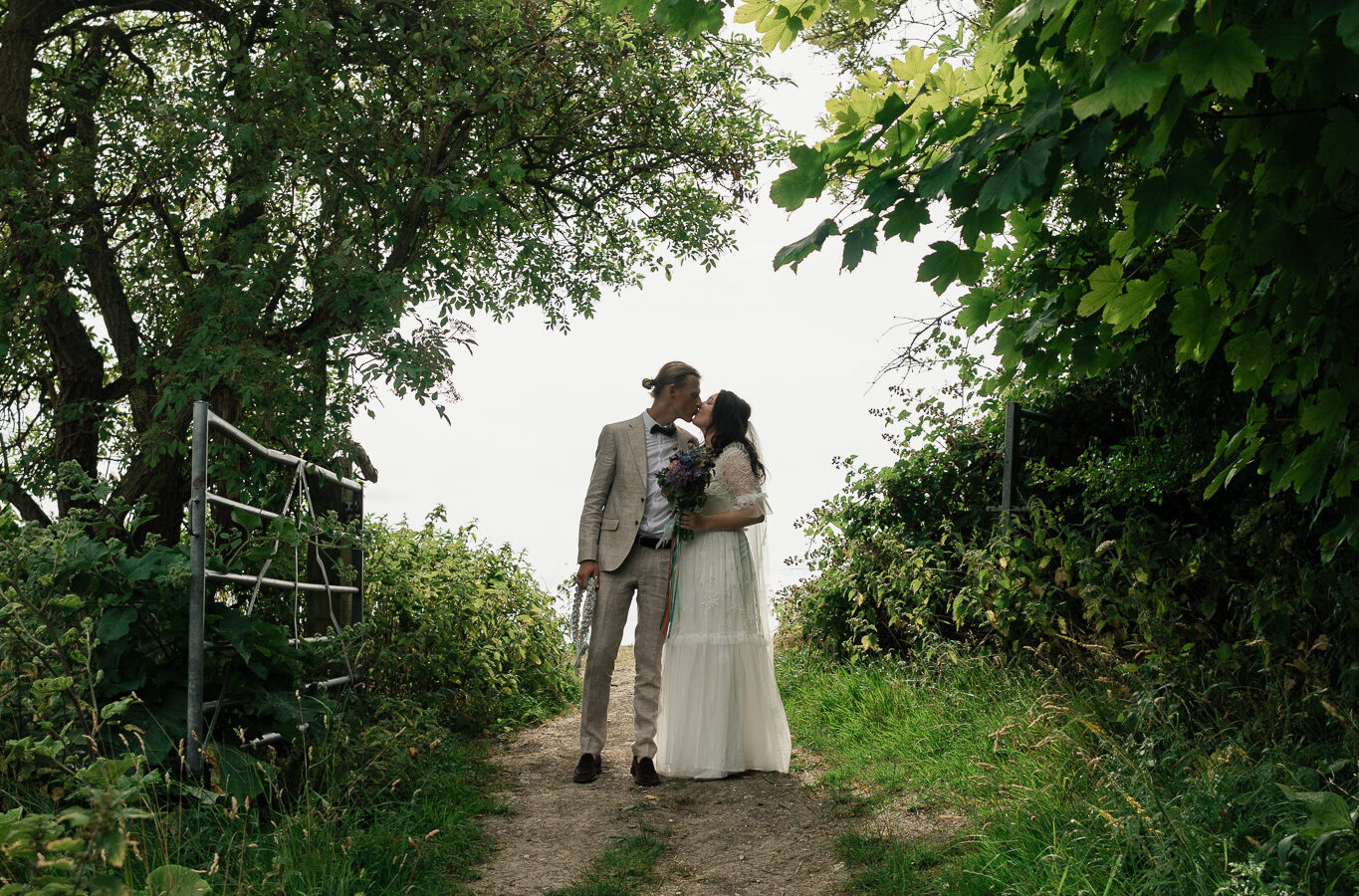
Outdoors works beautifully too. The backstreets and green spaces around Hackney give texture without a crowd, and the late afternoon light there is kind to almost everyone.
For a sense of how I handle natural light, more of my work is at LemonLens.
Headshots that aren’t quietly gendered
Plenty of non-binary people need a clean professional headshot and dread the corporate version, which defaults hard to one gender presentation. A work photo shouldn’t out you or flatten you, and it doesn’t have to.
We can shoot something polished that still looks like the person you are at work, in the clothes you actually wear, lit so you recognise yourself. It reads as confident rather than as a costume. For guidance on presenting professionally as a trans or non-binary person, Stonewall has sensible workplace resources.
A headshot that looks like you on a Tuesday is entirely achievable.
Seeing the photos as we go
You check the back of the camera throughout, and for a lot of non-binary clients this changes everything. The dread isn’t really about the shoot, it’s about the gallery landing later and not looking like you. Checking as we go means that can’t happen.
We course correct in the moment. If a frame reads wrong to you, we bin it and try another way before we’ve built a whole set on the wrong footing. By the end you already know there are photos in there you like.
No two week wait wondering whether the magic came through.
How the session is paced
I keep these unhurried, because the relaxed frames are the ones that look like you, and relaxation takes a little while to arrive. The first ten minutes are usually stiff for everyone, which is expected rather than a sign anything’s wrong.
We often start with the look you feel safest in and move toward bolder ideas once you’ve warmed up and trust that I’m watching the things you asked me to watch. By the middle of the session you’ve usually forgotten the camera’s there, which is exactly when the good work happens.
An hour suits a single look comfortably, while two or three presentations want a little more time so nothing gets rushed. If being looked at tires you, say so and we take a proper break rather than pushing through a frame that won’t land anyway.
What it costs
A relaxed non-binary portrait session in London usually starts around £180 and climbs with extra looks, a second location, or a larger set of edited images. A quick headshot sitting costs less than a full creative session.
Every photographer on the queer.photo/ roster sets their own rate, so you'll see a real figure on each profile before you commit. You weigh the work against the price rather than guessing.
If your shoot is tied to a deadline, a casting or a new job, say so when you book so we can plan the turnaround around it.
Choosing the right photographer
Hire someone whose existing work makes you feel something and who clearly photographs people outside the binary as a matter of course rather than a one off. The absence of a default template is the thing you’re looking for.
Tell us how you see yourself and what you need the photos for, and we’ll match you with someone from the roster who shoots non-binary clients without a gendered template waiting in the wings. We aim to reply within a day.
Common questions
Will the photographer try to make me look more masculine or feminine?
Only if you ask them to. The default is to shoot you as you are, building the pose and lighting off your actual face rather than pushing you toward either side of a binary. You set the direction and the photographer follows it.
I bind. Does that change the session?
Tell the photographer when you book and they’ll plan breaks and the length of each stretch around your comfort. Binding is completely normal on a shoot and won’t surprise anyone here.
Will my pronouns be used?
From the first email and all the way through, including while directing you. Anyone assisting is briefed before you arrive, so you never have to come out or correct someone mid session.
Can I get a professional non-binary headshot that won’t out me?
Yes. We shoot something polished in the clothes you actually wear, lit so you recognise yourself, that reads as confident rather than as any particular gender presentation. It looks like you on a normal day.
How much does a non-binary portrait shoot in London cost?
From around £180 for a relaxed session, more with extra looks, a second location or a bigger edit. Each photographer lists their own rate, so you see the number before booking.
Ready when you are. see portrait options, or find a photographer.