Editorial Portrait Ideas: 8 Prompts, Poses, and UK Image Rights
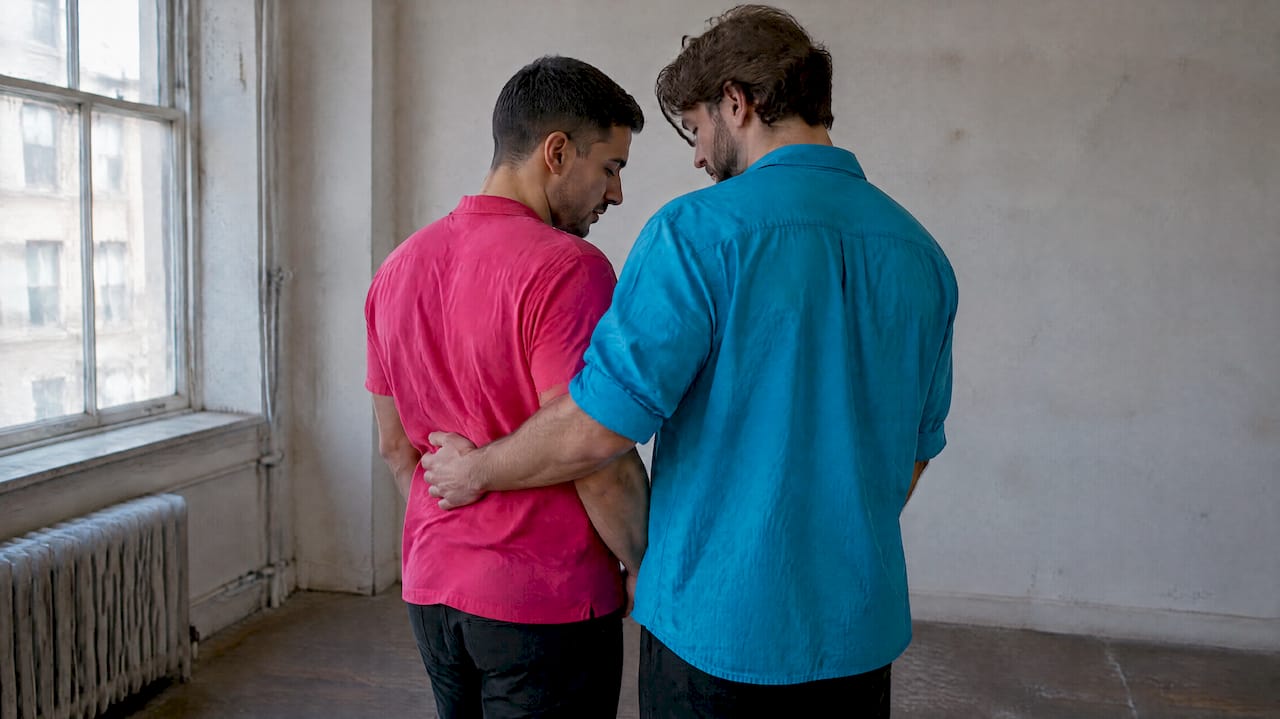
Editorial portrait ideas give you ready-made narratives and poses to craft magazine-style portrait series. An editorial portrait is a picture built around a story, not just a face. We give you grouped prompts, quick posing cues and a short planning checklist, plus a practitioner habit (playing jazz on set) and the copyright basics set out by Gov.
TL;DR:
- Build a mood board with three to five anchors, write a one line concept, and list hero, detail, environmental, movement, and sequence shots.
- Ask your sitter to bring five outfits and a favorite accessory, then select two options that fit a palette of two or three colors.
- Window light gives soft, directional shaping, while golden hour adds warmth; scout the location and available light before the shoot begins.
- Apply the same grade across every image, keep skin natural, and sharpen only the eyes and fabric texture after global contrast and tone adjustments.
- UK photographs receive automatic copyright protection without registration; commissioned photographers generally retain rights unless a signed written contract transfers them.
Table of Contents
- 1. Themed editorial portrait ideas you can shoot this week
- 2. Posing and direction that reads editorial
- 3. Styling, wardrobe and props that support the story
- 4. Lighting and location ideas that create editorial mood
- 5. A planning checklist and shot-list template
- 6. Post-processing touches that make a set feel editorial
- 7. Practitioner notes and image-rights essentials
- 8. How we can help you shoot editorial portraits
- FAQ
- Sources
1. Themed editorial portrait ideas you can shoot this week
True editorial work is a set of intentional decisions made before the shutter is pressed, so each prompt below pairs a concept with a camera cue, a pose and one styling note.
- High-fashion minimalism: one figure against a plain wall. Shoot wide with generous negative space. Pose: weight on one hip, chin slightly lifted. Style: a single sculptural garment in one colour.
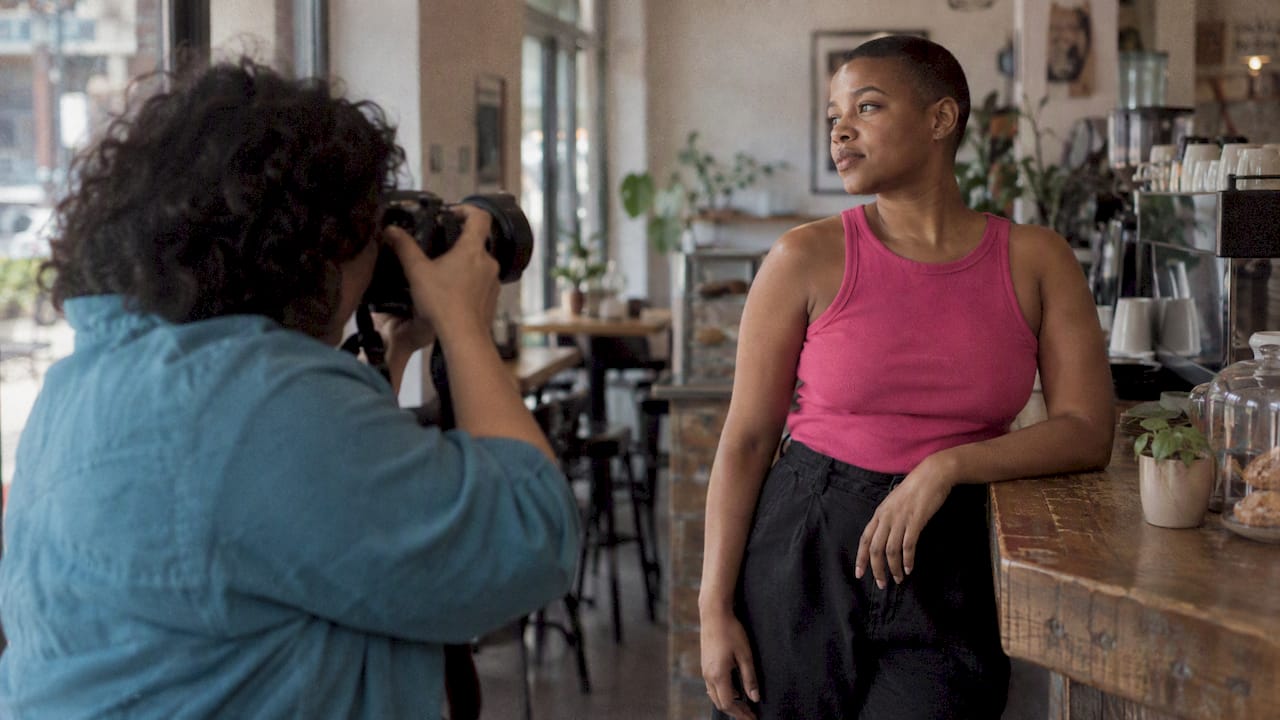
- Documentary-style portrait: your subject at work, mid-task. Shoot from eye level and let them ignore you. Pose: hands busy, gaze elsewhere. Style: their own working clothes, untouched.
- Cinematic series: three frames that read like film stills. Use a long lens and a shallow focus. Pose: a turn towards a doorway. Style: a trench coat or a rain-dark jacket.
- Art-inspired portrait: borrow the lighting and composition of a painting you love. Pose: a three-quarter turn with folded hands. Style: drapery, velvet or a heavy collar.
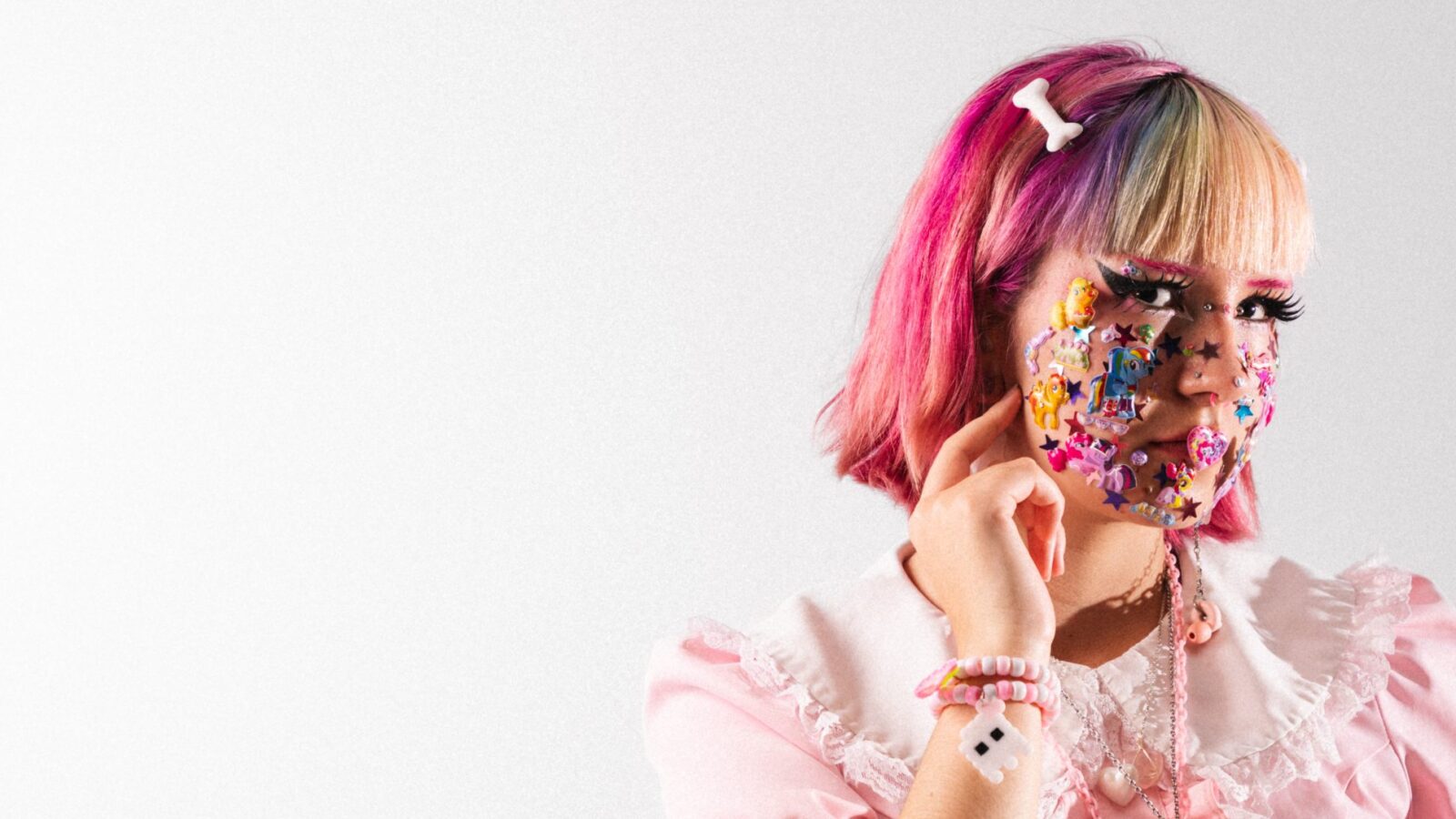
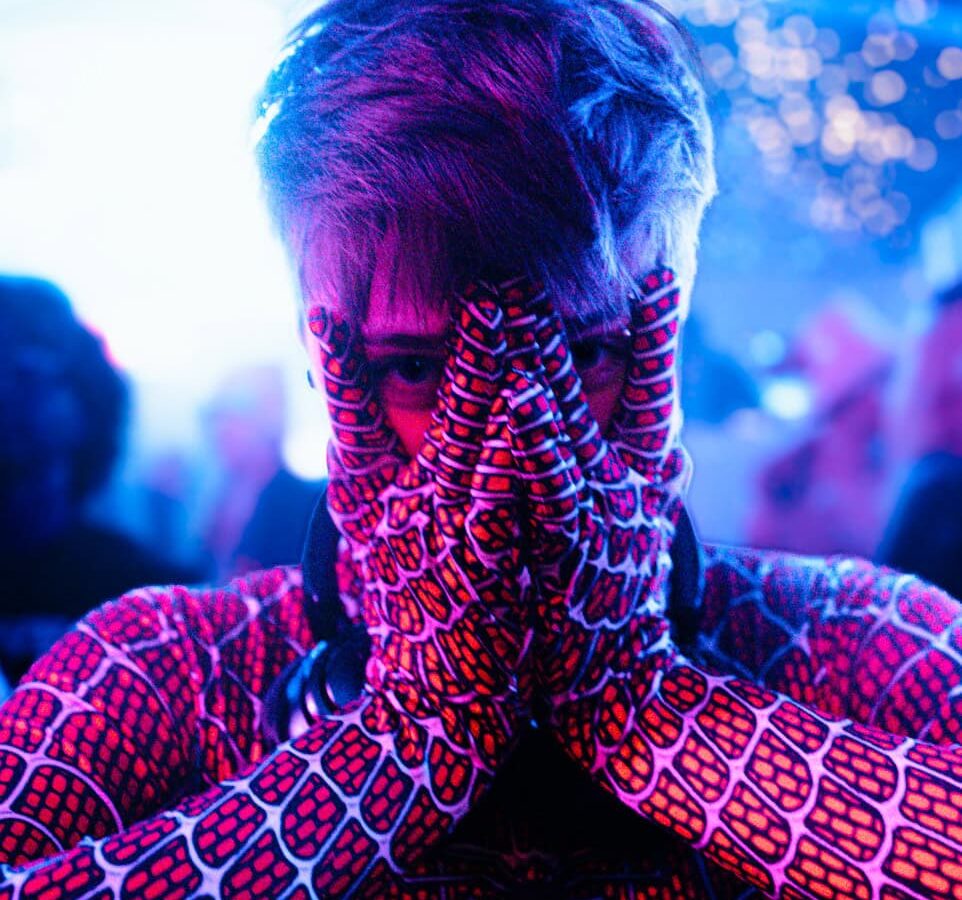
- Colour focus: build the frame around two or three related hues. Shoot tight and flat. Pose: face half hidden by a colour-matched object. Style: monochrome wardrobe with one clashing accessory.
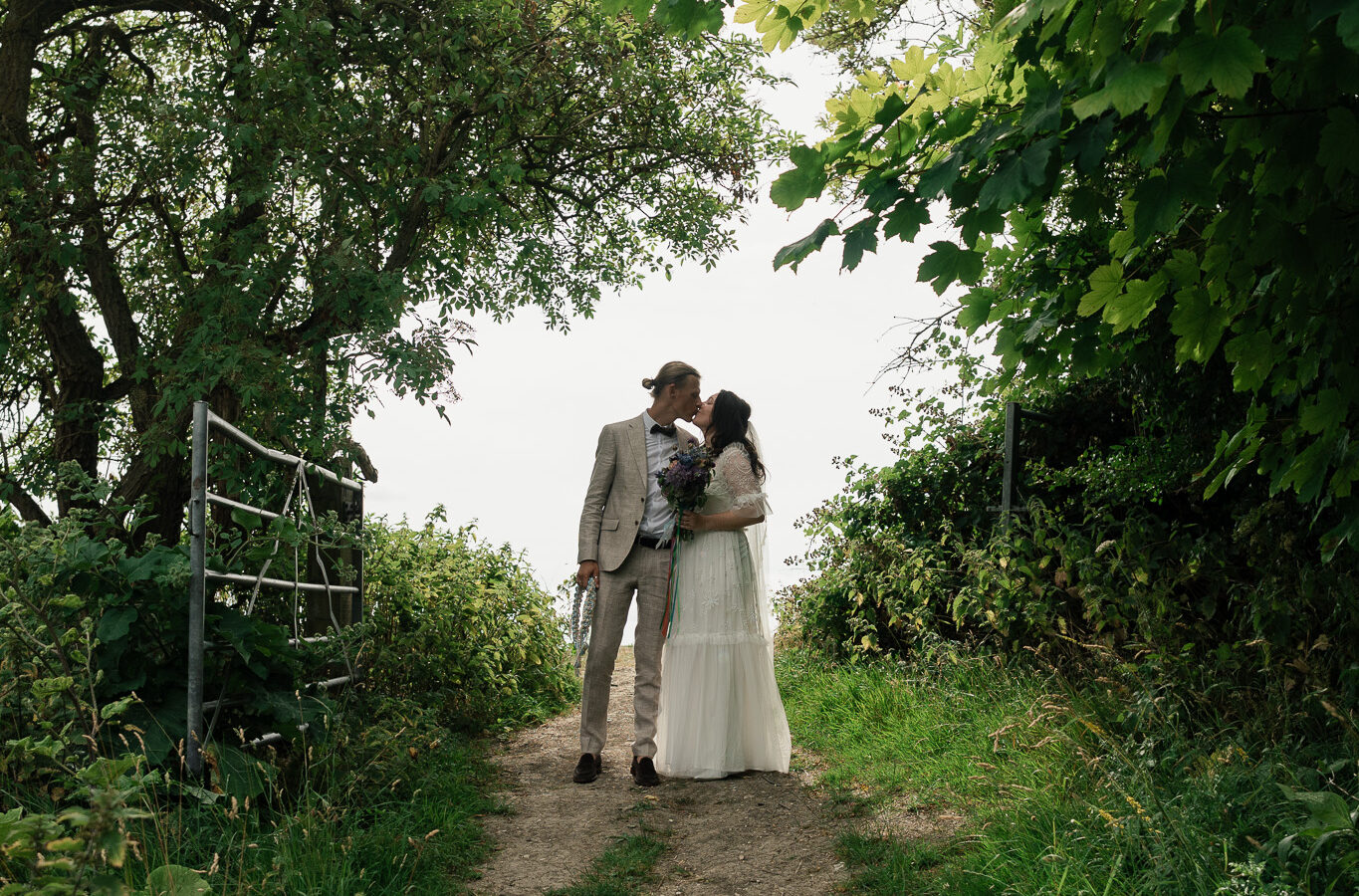
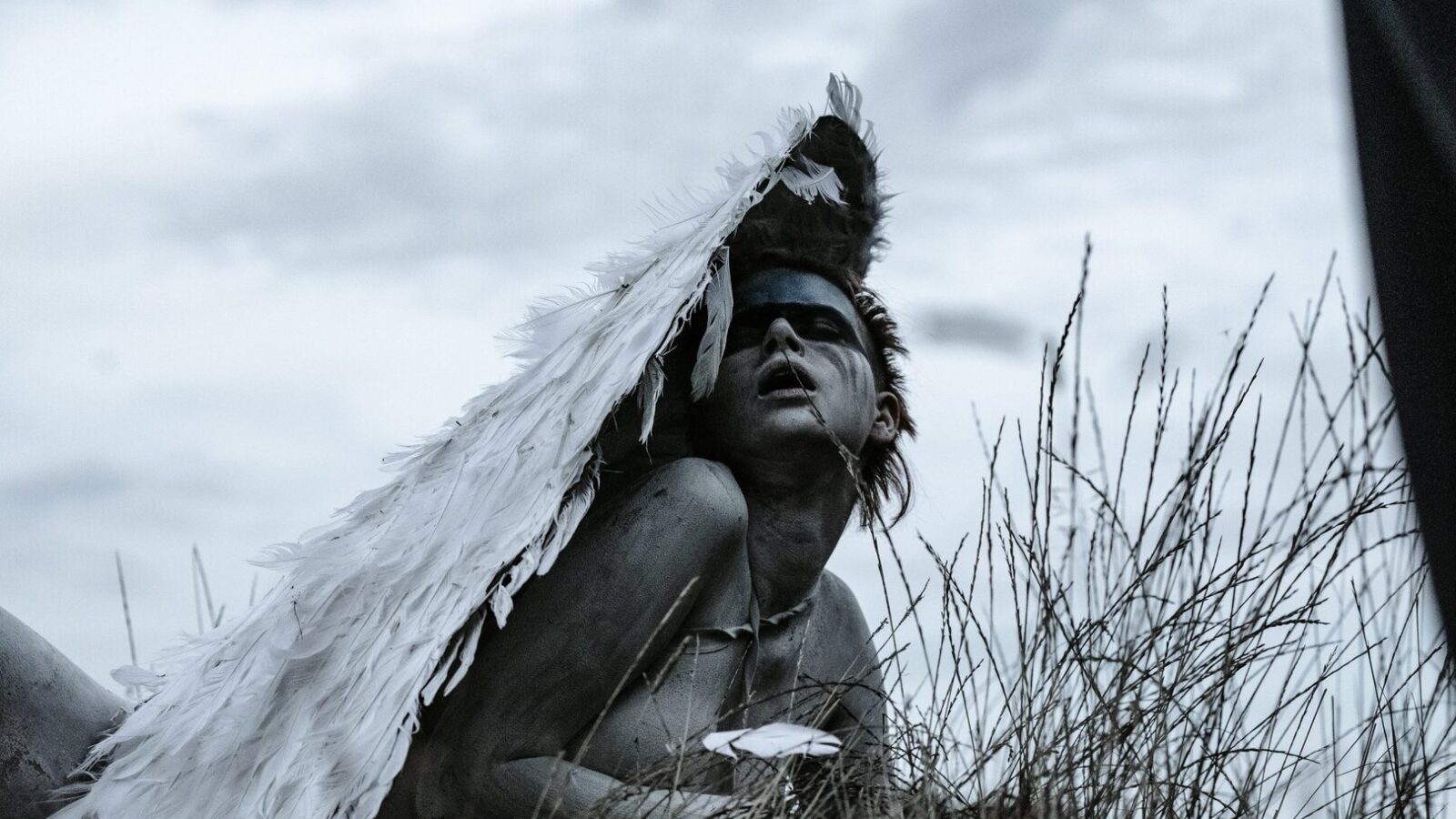
- Nature meets fashion: couture in a wild setting. Shoot low and let foliage frame the figure. Pose: seated on rock or grass. Style: structured fabric against soft greenery.
- Urban and architectural: use stairwells, glass and concrete as geometry. Shoot with strong leading lines. Pose: small figure, big structure. Style: bold shoes or a long coat that catches the wind.
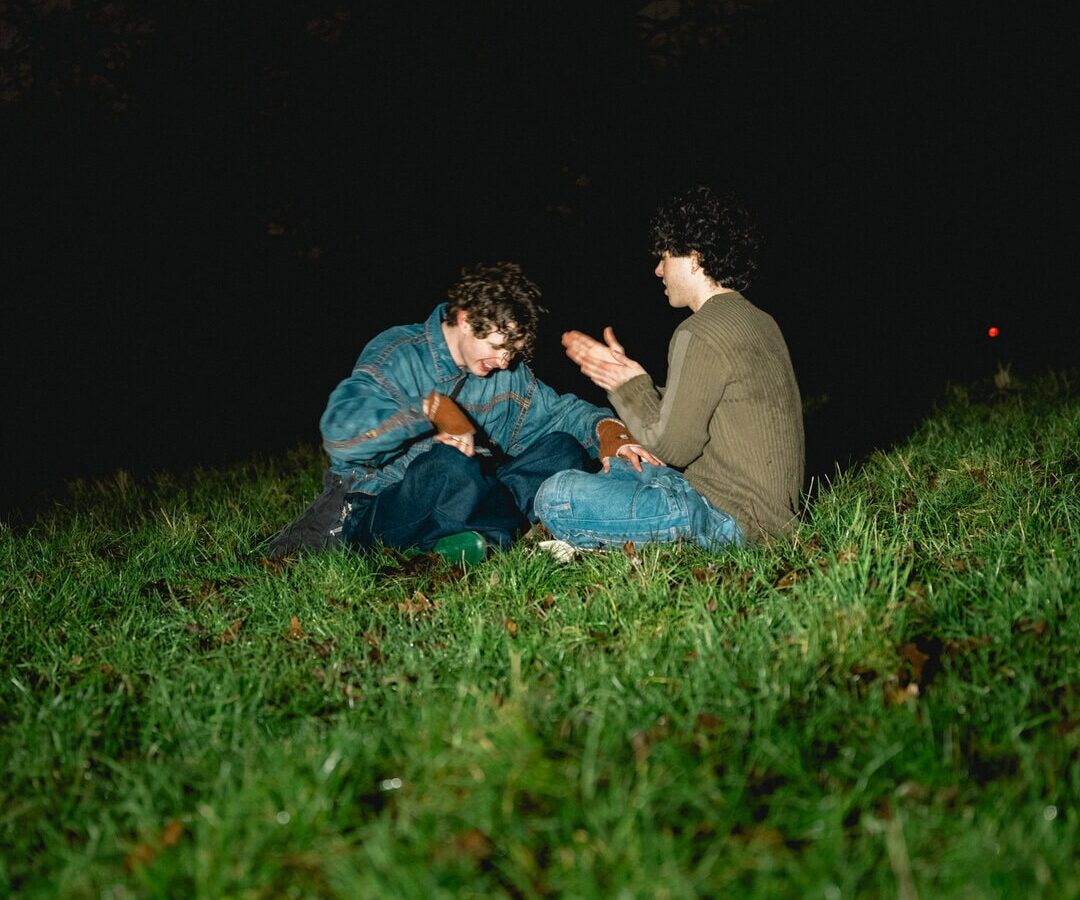
- Collaborative and subject-led: ask your sitter what they want to say, then build the frame around it. Shoot what they suggest first. Pose: their choice. Style: an object that matters to them.
2. Posing and direction that reads editorial
Editorial posing feels purposeful, never stiff. Give short, physical cues, not abstract ones.
- Seated lean: elbows on knees, shoulders dropped, eyes to camera.
- Standing contrapposto: one leg soft, torso turned slightly away.
- Walking through: ask for a slow stride towards you and shoot the third step.
- Hands at the face: fingertips near the jaw, never covering the eyes.
- Profile pause: chin level, gaze off frame, ear and jaw line crisp.
- Close crop: frame from forehead to collarbone and let the eyes carry it.
- Corner portrait: wedge your sitter into a corner of the room or frame, which creates tension and off-centre balance. Modernist practice, as Tate’s A-Z of modernist photography shows, favoured inventive cropping and unexpected poses over literal depictions.
Pro Tip: Put on a playlist your sitter chose, or give them a small improv prompt (“you’ve just heard good news”), and shoot between the poses.
3. Styling, wardrobe and props that support the story
Keep the palette tight: two or three colours, then add depth through texture (silk against wool, matte against gloss). Wardrobe should serve the narrative, not compete with it.
- Choose one hero prop per frame, such as a chair, a bouquet or a vintage camera, and place it on a diagonal to the face.
- Let props sit at the edges of the frame, where they hint at the story without stealing focus.
- Without a stylist, ask your sitter to bring five outfits and a favourite accessory, then pick the two that match your mood board.
- Steam everything. Creases read as accidents, not intent.
4. Lighting and location ideas that create editorial mood
You do not need a complex rig. Use window light for soft, directional shaping, and golden hour for warmth; golden hour field notes offer advice on timing sunrise and sunset sessions.
- Minimal studio: one key light, one rim light and a reflector opposite. Add a coloured gel to the rim for emphasis.
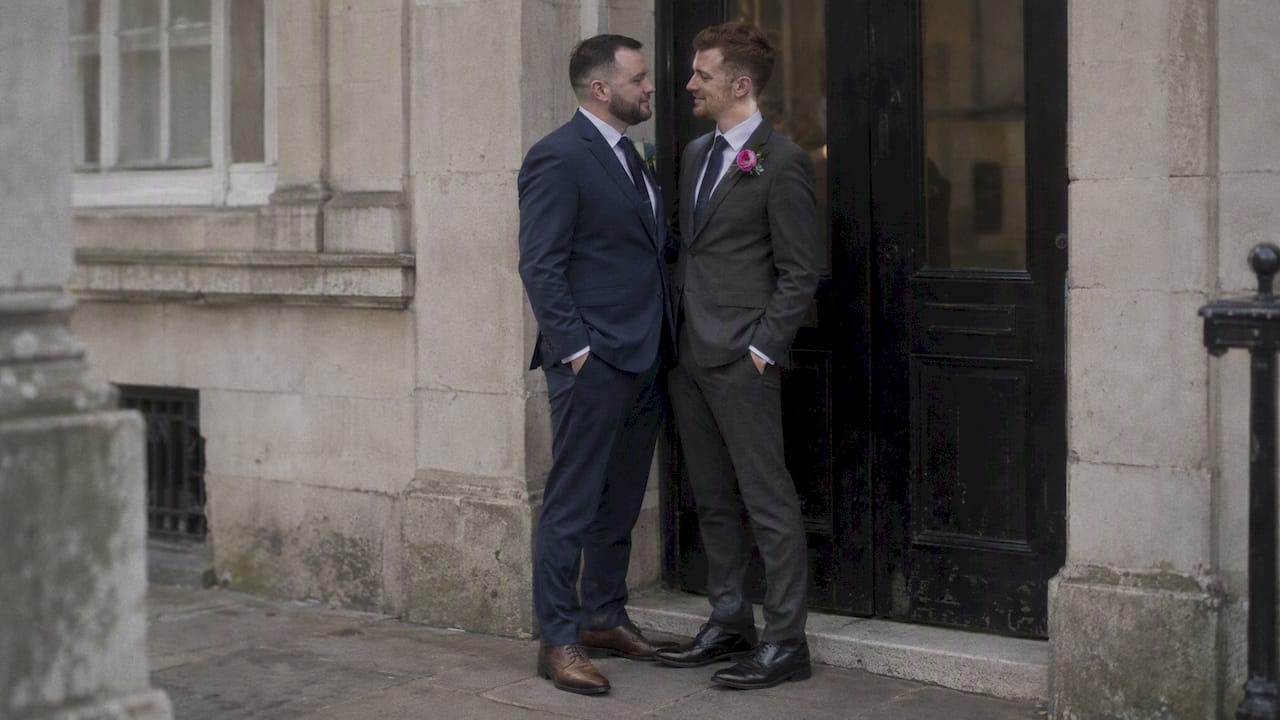
- Urban architecture: use shadows from railings and stairwells as natural patterns.
- Intimate interiors: shoot near a single window and let the room fall dark behind your sitter.
- Landscape backdrops: keep the figure small and the horizon low.
Seasoned photographers’ standing advice is to be prepared for light, so scout your window times before the day.
5. A planning checklist and shot-list template
Start with three to five mood-board anchors so everyone shares one picture. Our guide to a photoshoot mood board shows how.
- Brief: write a one-line concept and share it with your sitter.
- Shot list: hero portrait, detail, environmental frame, movement shot, then a sequence for the series.
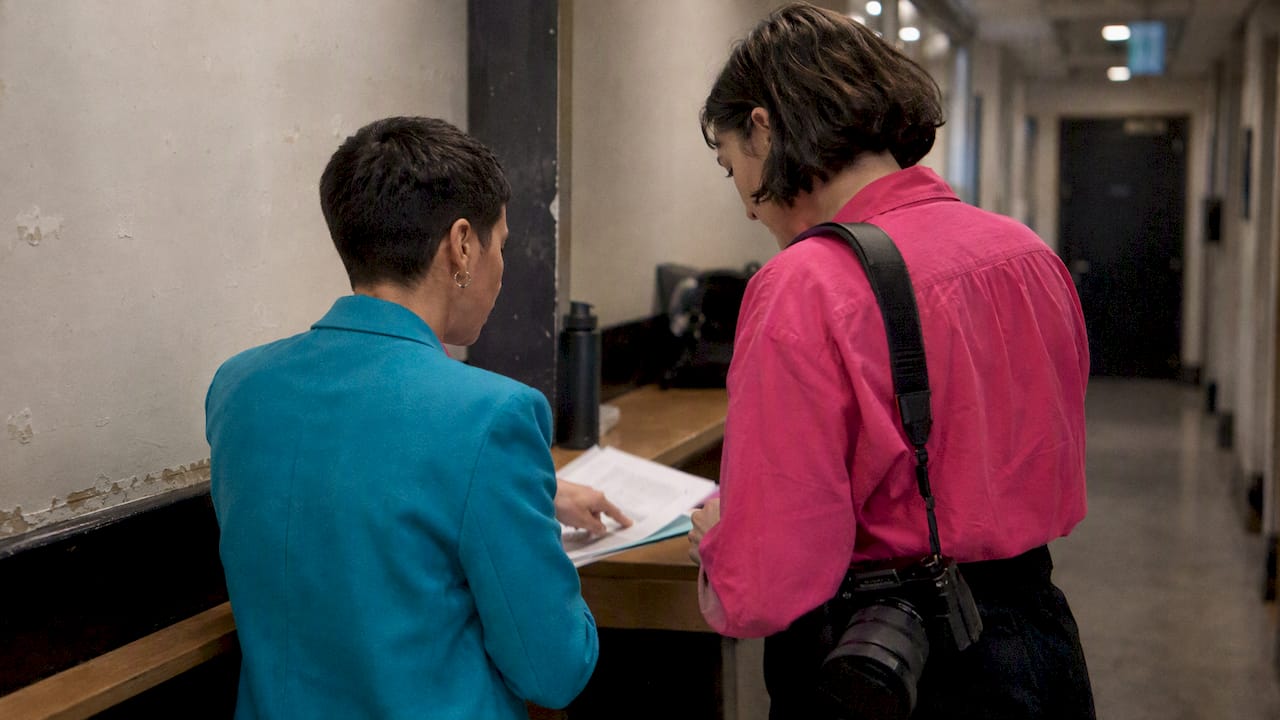
- Logistics: confirm wardrobe, props and any permits or location permissions.
- Rights: when you are commissioned, copyright generally stays with the photographer unless a signed written contract transfers it. Our note on image usage rights covers the terms to record.
6. Post-processing touches that make a set feel editorial
Start with global moves: a touch more contrast, gentle selective desaturation, and a film-style tone curve. Then work locally. Dodge and burn to deepen mood, and sharpen the eyes and fabric texture only. Leave skin natural. Most importantly, apply the same grade across the whole series so it reads as one story.
7. Practitioner notes and image-rights essentials
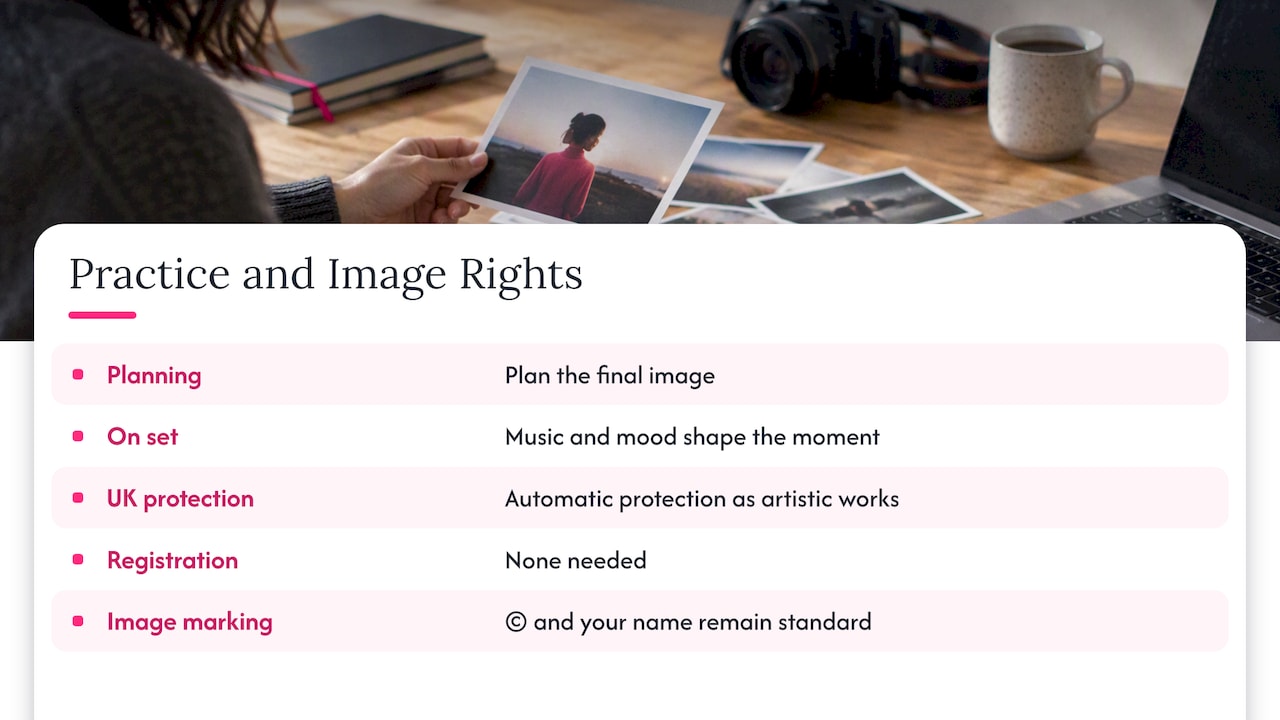
Preparation and improvisation work together. Miller Mobley describes planning the final image, then letting music and mood shape the moment, which is the “play jazz on set” idea in practice. In the UK, photographs are protected automatically as artistic works, with no registration needed, and marking images with © and your name remains standard practice.
8. How we can help you shoot editorial portraits
We represent queer editorial photographers and match you with the right specialist. We aim to provide original images rather than stock or AI-generated ones.
- See our editorial photographers in London and their portfolios.
- Compare packages on our prices page, where Personal brand starts from £200.
- Send us your concept and request a quote.
FAQ
What does editorial portrait mean?
An editorial portrait is a photograph made to tell a story, usually for a magazine, website or campaign. It relies on concept, lighting and composition chosen deliberately rather than a simple likeness.
Can you give me an example of an editorial picture?
A subject at work in their own space, framed in a corner with dramatic window light, is a classic example. Modernist photographers such as Irving Penn used unexpected cropping and poses to turn sitters into iconic images.
What are some portrait styles?
Common styles include environmental, documentary, high-fashion, cinematic, art-inspired and conceptual portraits. Each can be adapted for editorial use by adding a clear narrative.
How to make a photo look more editorial?
Plan the concept first, limit your colour palette and direct your subject with specific cues. Finish with consistent grading across the whole set so the images read as one story.
Sources
- Gov
- Adobe
- What I wish I’d known: Nine golden tips from some of the world’s best photographers | Creative Boom