30 Inclusive LGBTQ+ Engagement Photo Ideas and a Simple Brief
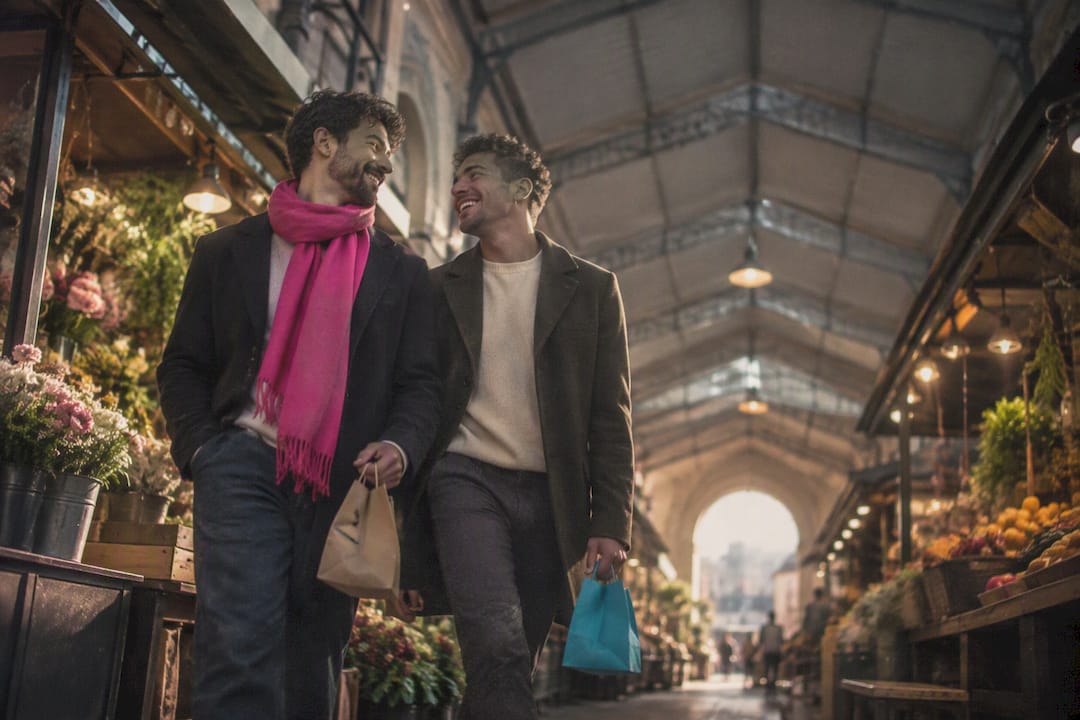
The best LGBTQ+ engagement photos come from authentic moments, meaningful locations and a photographer who has been properly briefed on who you are, not from forcing two people into staged poses. Before you book anyone, gather one or two props or spots that actually mean something to you and write a short brief you can hand over. That single step changes everything about how the day feels.
TL;DR:
- Authentic, meaningful locations and props that reflect your relationship are more impactful than generic or scenic backdrops.
- Prompts that encourage movement and interaction, such as walking or whispering, produce more natural and genuine expressions than fixed poses.
- Choose shooting times like golden hour or overcast afternoons to achieve soft, flattering lighting and reduce reliance on artificial light.
- Clearly communicate your pronouns, accessibility needs, and preferred images in a detailed brief to ensure an inclusive and personalized shoot experience.
- Select wardrobe tones and props that genuinely represent you, avoiding busy prints and logos to keep the focus on your faces and connection.
Table of Contents
- 1. Thirty creative engagement photo ideas grouped by mood
- 2. Poses and prompts that feel natural, not staged
- 3. Choosing locations and handling permits without the stress
- 4. Building an inclusive photographer brief
- 5. Styling your shoot: wardrobe, props and colour
- 6. Timing your shoot for the best light
- 7. How Queer.Photo can help you plan the shoot
- Sources
- FAQ
1. Thirty creative engagement photo ideas grouped by mood
Rather than one long list of poses, think in moods. Pick the ones that sound like an ordinary Tuesday with each other, because those tend to photograph the truest.
For candid, day-in-the-life moments, try:
- Making coffee together in your kitchen, mid-conversation.
- Cooking a shared favourite meal, hands overlapping on the same spoon.
- Reading side by side, feet tangled on the sofa.
- Walking the dog on a familiar route.
- Getting dressed together before you head out.
For cosy, at-home warmth:
6. A blanket fort with fairy lights for texture.
7. Headphones split between you, dancing badly to a shared playlist.
8. Reading notes or letters you have written each other.
9. A quiet forehead touch, eyes closed, no audience needed.
10. Doing the crossword or a puzzle in bed.
For a playful city wander:
11. Browsing market stalls, one of you holding the bags.
12. Candid shots on a bus or train, caught mid-laugh.
13. A café window reflection with the street behind you.
14. Window shopping somewhere you have an inside joke about.
15. Splitting a pastry on a bench.
For nature escapes:
16. Standing at the edge of a lake, backs to the camera.
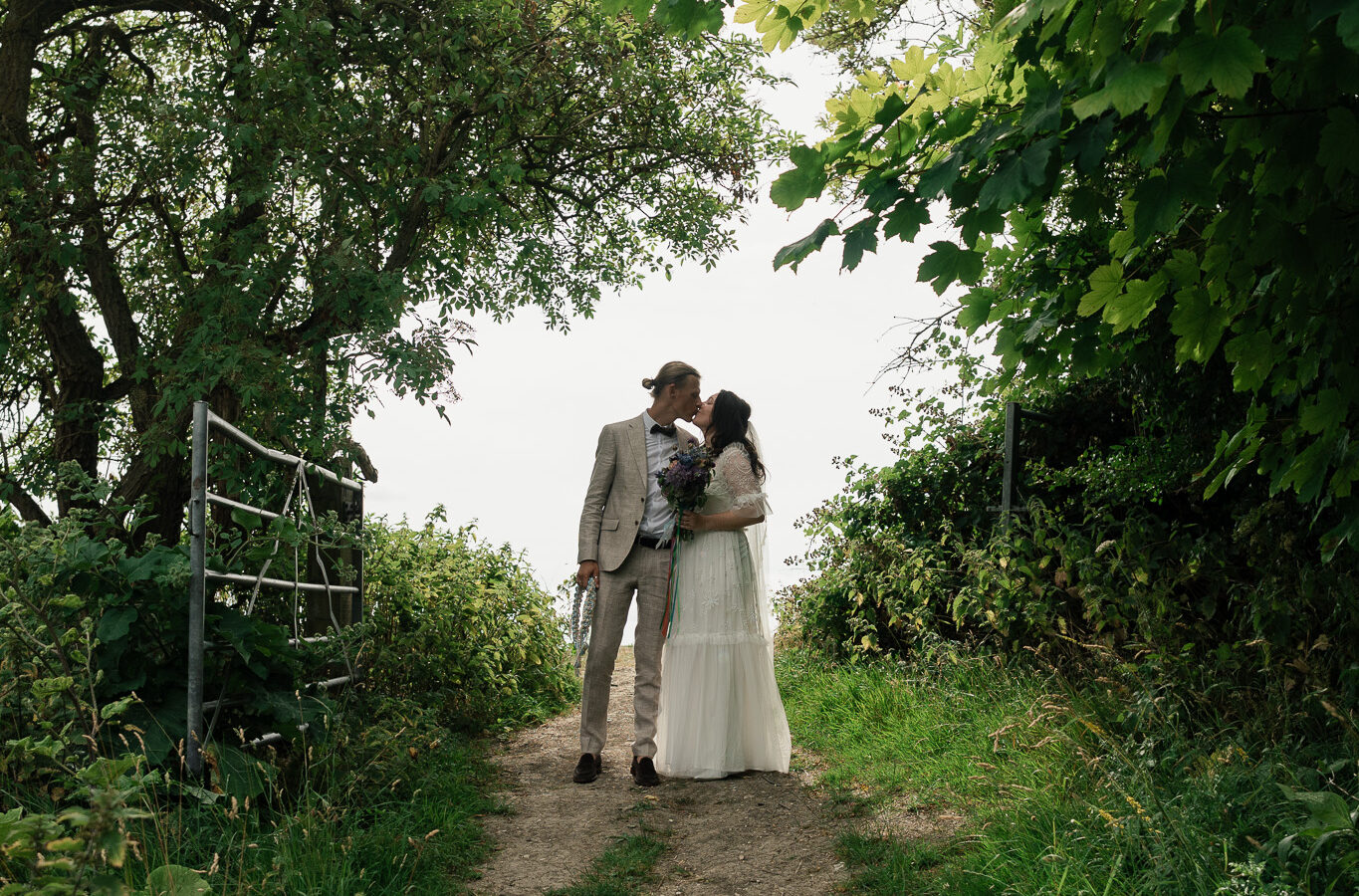
17. A woodland path shot from behind, walking away and then turning back.
18. Coastal cliffs with the wind actually moving your hair.
19. A garden picnic with a blanket you already own.
20. Climbing over a stile or gate together, mid-laugh at the awkwardness.
For moody, night-time frames:
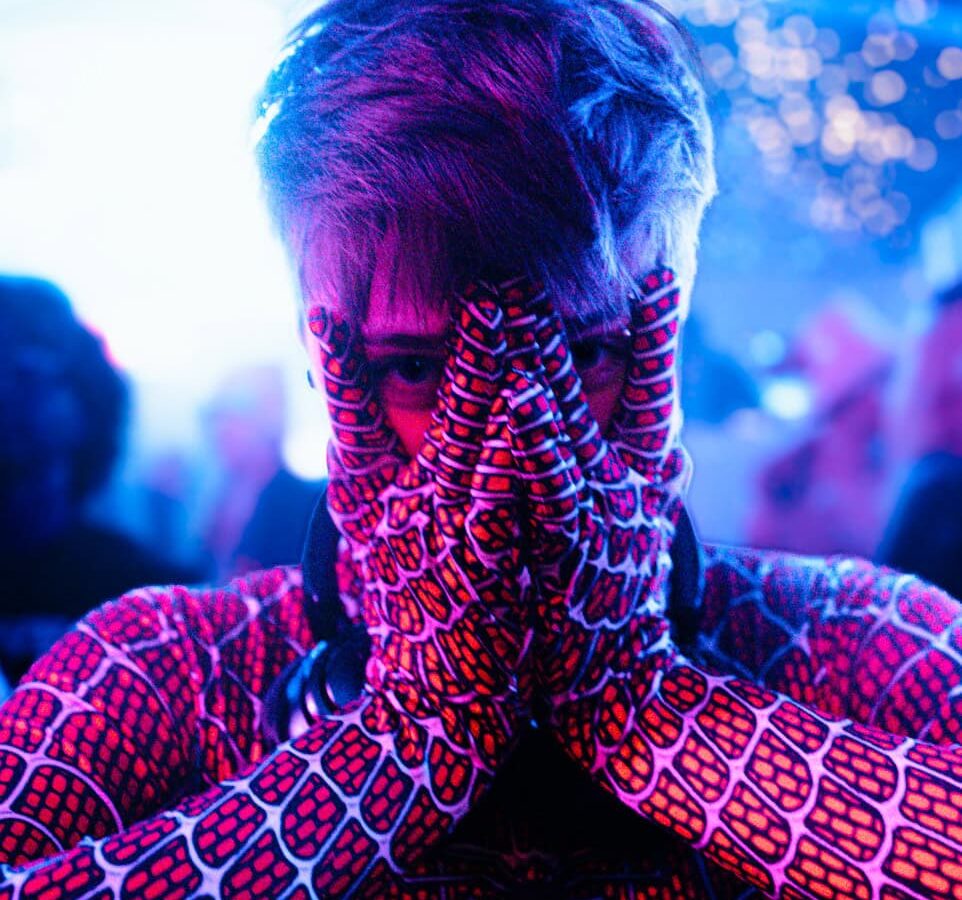
21. Under neon signage, one colour wash across both faces.
22. String lights strung between trees or a balcony.
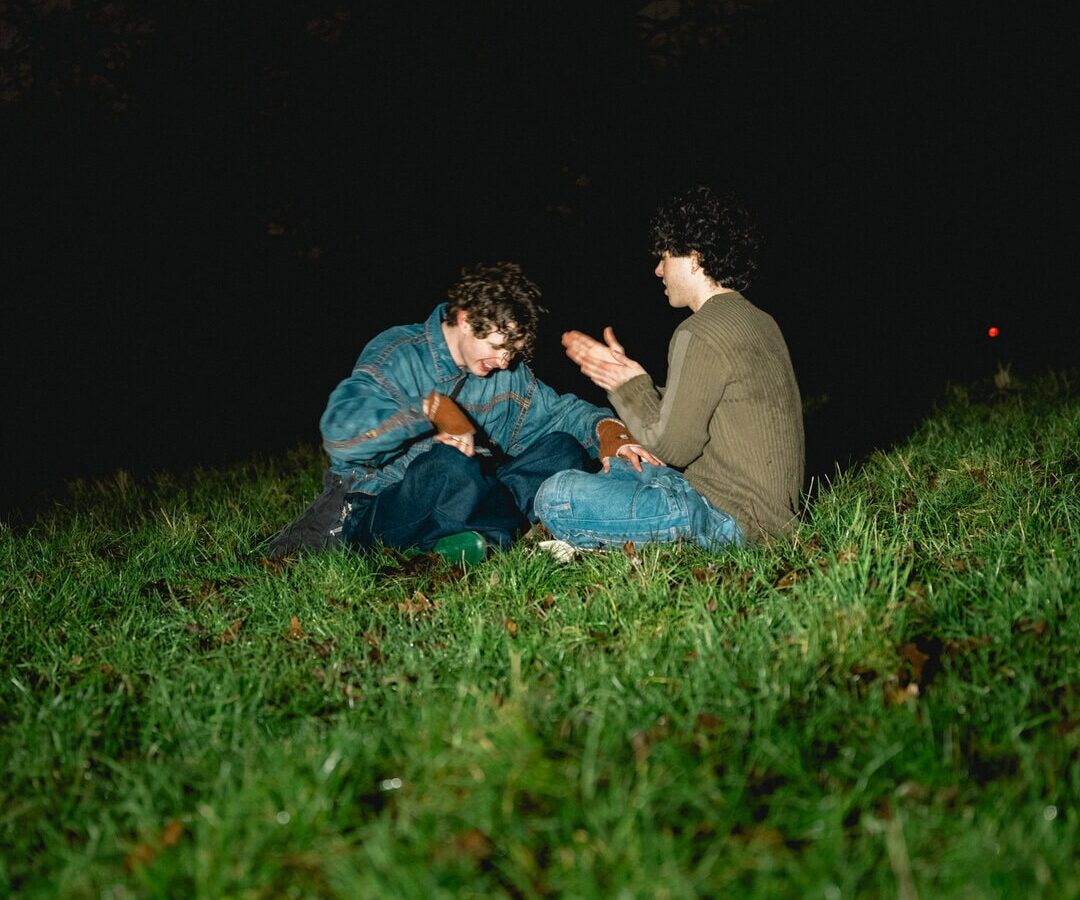
23. Dusk portraits using a single handheld light for a soft glow.
24. City lights blurred behind you on a bridge.
25. A late walk home, streetlamps doing the work.
For celebratory, personal touches:
26. Holding a well-loved book you have read to each other.
27. An instrument one of you actually plays.
28. A family keepsake, a ring, a watch, something with history.
29. A Pride flag used with intention, wrapped around shoulders rather than waved for the camera.
30. A handwritten vow or note, held loosely, not performed.
Every idea here can flex for mobility needs, sensory sensitivities or different body types: swap standing prompts for seated ones, trade a long walk for a doorway moment, and let comfort dictate the pace rather than a shot list.
Pro Tip: Build your own version of an interest board, a simple collection of scenes and objects you already love, rather than a tightly themed mood board. According to engagement shoot advice from The Gay Wedding Guide, this approach tends to produce far more natural results than forcing a theme onto two people.
2. Poses and prompts that feel natural, not staged
Fixed poses ask your body to hold a shape. Prompts ask you to do something, and the shape follows on its own. A photographer saying “walk towards me holding hands” gets a truer result than “stand here and smile,” because you are focused on each other rather than the camera.
Prompts worth asking for, whichever way your relationship works:
- Walk towards the camera holding hands, talking about something unrelated to the photos.
- Whisper something that actually makes the other person laugh.
- Look at a map or a phone together, heads close, genuinely lost.
- Slow dance for a few seconds with no music playing.
- One partner adjusts the other’s collar or hair, eyes on the task.
- Stand back to back, then turn towards each other on a count.
- Share a snack and catch each other mid-bite.
- Walk in step but at different heights or paces, whatever is true to you.
Small direction makes a bigger difference than a bigger pose: ask for slow breaths before a still shot, a slight weight shift onto one hip, a glance just past the camera rather than into it, and a pause of a beat or two after anything funny is said, since that is usually when the real laugh lands.
Pro Tip: Photographers who work this way tend to keep wardrobe simple and lean on natural light, since staging less leaves more room for the moment itself, a point echoed in engagement shoot guidance from The Gay Wedding Guide.
3. Choosing locations and handling permits without the stress
A location that means something, your first flat, the park bench where you had a difficult conversation that turned into a good one, will usually outshoot an iconic backdrop chosen because it photographs well on someone else’s Instagram. Iconic spots can still work, but they come with more rules.
Some public parks in London require a permit for wedding and lifestyle photography, and The Royal Parks issues these for one-hour slots in selected areas rather than open access. If a permit is not practical, plan for off-peak times and a small footprint so you are less likely to be asked to move on.
Before you shoot in public, check:
- What time of day gives you the fewest crowds and the calmest atmosphere.
- Whether you are comfortable being watched or photographed by strangers nearby.
- What you are happy to have shared publicly, and what stays private.
- A backup plan for weather, since a covered spot ten minutes away can save the whole session.
4. Building an inclusive photographer brief
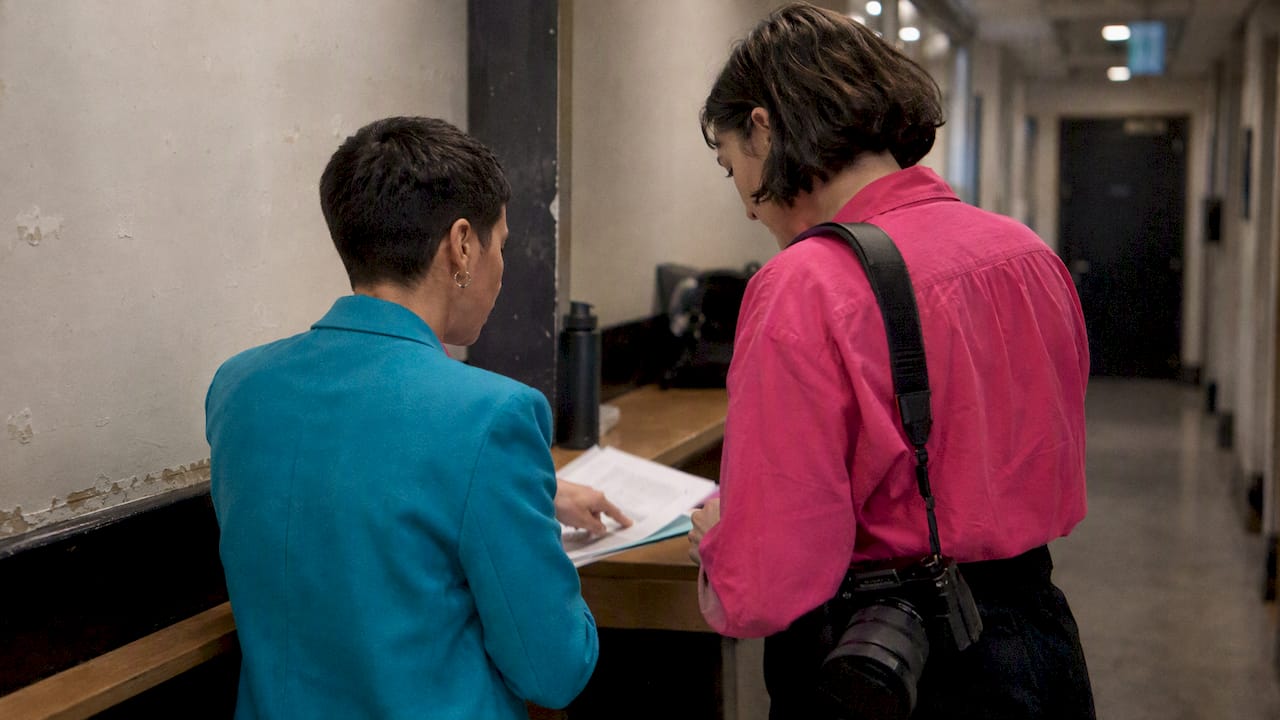
A written brief, even a short one, does most of the work of a good shoot before anyone picks up a camera. Cover your pronouns, any accessibility needs, the two or three shots you actually want, any props with meaning, and exactly what you are comfortable having shared online afterwards.
When you are choosing who to book, it is fair to ask directly about their approach. Guidance on inclusive photography practice from Adventure Instead Academy recommends looking for photographers who use inclusive language, move away from rigidly gendered posing, and reconfirm your permission before anything goes public.
Questions worth asking before you book:
- Do you have queer couples visible in your existing portfolio?
- How do you handle posing for couples who do not fit traditional gendered roles?
- Will you check with us again before posting anything publicly?
- How do you check that a venue or vendor will actually be welcoming on the day?
Many inclusive photography agencies work from this starting point: photographers on the roster are vetted and personally matched to a couple’s brief, rather than assigned by algorithm. You send the brief, a real person finds the right fit, and the shoot happens with your pronouns and boundaries already understood before the camera comes out.
A good brief means nobody has to explain themselves twice.
5. Styling your shoot: wardrobe, props and colour
The goal is looking like yourselves on a good day, not a costume version of a couple. Coordinate tones rather than matching outfits exactly, add texture through layers, and skip logos or busy prints that pull the eye away from your faces.
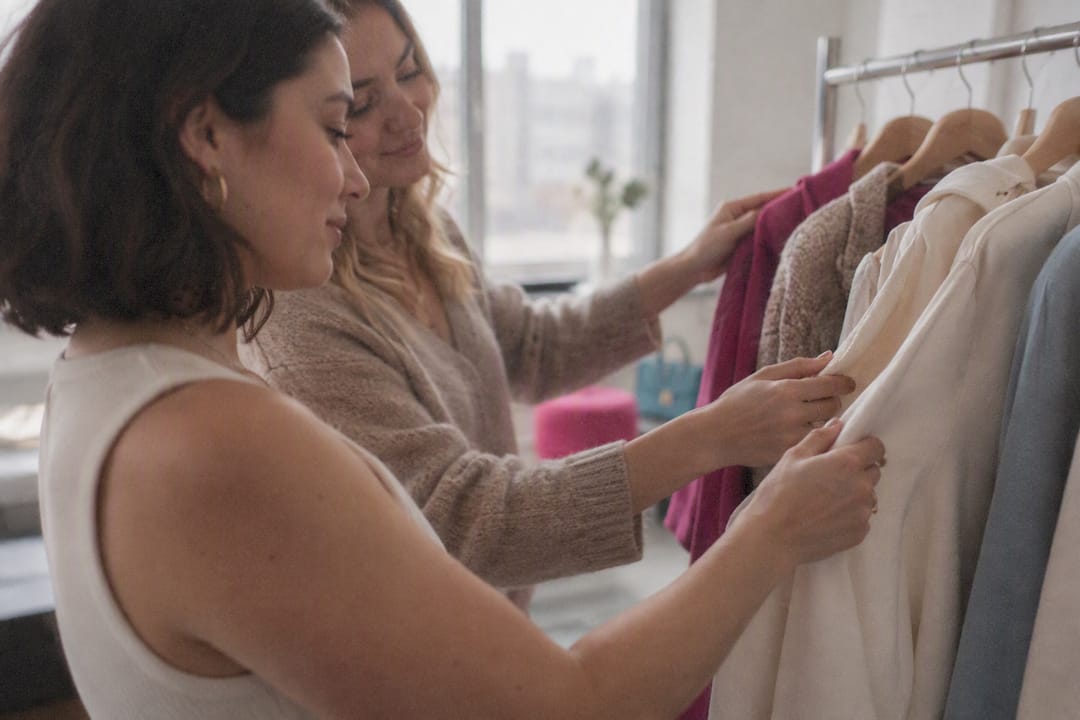
For props, choose what genuinely belongs to you: a pet who already follows you around, a grandparent’s watch, a small flag draped rather than brandished, an instrument one of you actually plays. Let one prop lead the frame rather than piling several in at once.
For colour, warm tones sit well against autumn foliage and brick, while cooler tones lift against greenery or coastal light. In winter, deeper colours and layered coats read better than pastels against grey skies.
6. Timing your shoot for the best light
Golden hour, the stretch just after sunrise or before sunset, gives the softest, most flattering light and is worth building your schedule around when you can. In winter, that window shrinks fast, so an overcast afternoon or a well-lit indoor space is often the more reliable choice.
If you are mixing in artificial light, a single small light or reflector used gently tends to look more natural than anything harsh or direct.
Worth bringing on the day:
- A portable battery pack for phones.
- A spare pair of comfortable shoes.
- A small touch-up kit, blotting paper, a comb, lip balm.
7. How Queer.Photo can help you plan the shoot
If you want the planning handled rather than pieced together yourself, a photography service can match you with a vetted queer photographer promptly, with packages built for engagement shoots, from shorter sessions to full-day options or elopement packages. A good first message just states your names, pronouns, the vibe you are after and any locations already on your mind.
Full package details sit on the pricing page, and if you would rather see engagement work first, the queer engagement photographer page has examples and session details. Get in touch and ask for a sample brief if you want a starting point before you write your own.
Sources
- How to Look Natural in Photos: Engagement Shoot Tips You’ll Love
- How to be an LGBTQIA+ inclusive photographer
- Wedding & lifestyle photography | The Royal Parks
FAQ
What are the top engagement photo poses to try?
The strongest results tend to come from prompts rather than fixed poses: walking towards the camera holding hands, a slow dance with no music, or one partner adjusting the other’s collar. These give you something to do together, so the moment reads as real rather than arranged.
What engagement photo trends should couples expect in 2026?
Expect a continued move away from staged, symmetrical poses towards candid, prompt-led direction and locations chosen for personal meaning rather than popularity. Inclusive practice, checking pronouns, avoiding gendered posing defaults and reconfirming consent before posting, is increasingly part of a standard inclusive photography brief.
What are some creative ideas for an LGBTQ+ wedding?
Beyond the ceremony, couples are leaning into personal touches: a flag draped rather than waved, a shared instrument or keepsake in portraits, and locations tied to their own history rather than generic backdrops. The same authenticity-first approach used for engagement photos applies well here.
What makes a good engagement photo pose?
A good pose usually is not a pose at all, it is a small action, a glance, a whispered joke, a shared task, captured mid-movement. Keeping wardrobe simple and light natural is one of the more consistent pieces of advice from photographers for timeless results.
How do I brief a photographer for an inclusive shoot?
Write a short brief covering your pronouns, accessibility needs, two or three must-have shots, meaningful props and what you are comfortable sharing publicly. Queer.Photo uses this kind of brief to match couples with a vetted photographer within 24 hours, so the fit is right before the shoot even begins.