LGBTQ foster family photographer in London, and the photos that can’t leave the house
A couple in Walthamstow asked me, halfway through booking, whether they were even allowed to do this. They’d had a nine year old with them since March, their supervising social worker had said something vague about photographs, and neither of them wanted to push. Five months in, the only picture on the wall was a school photo in a cardboard folder.
They were allowed. Every LGBTQ foster family photographer in London hits this question early, and the answer is nearly always yes with conditions attached. Their borough took four days to confirm it.
Fostering doesn’t stop you having family photographs. It changes where those photographs are allowed to go.
What an LGBTQ foster family photographer in London needs from the borough first
A photograph of a looked-after child counts as personal data under the Data Protection Act 2018, so somebody holding parental responsibility has to agree before a camera comes out. In practice that’s the local authority, sometimes alongside a birth parent, and the NSPCC’s guidance on photographing children is the framework most fostering services build their own forms on top of.
The part carers rarely hear is that permission is tied to use. Agreeing to a print in your hallway is a different agreement from agreeing to a post on Instagram, and a borough that says yes to one can say no to the other in the same email.
Ask before you book. Four days is normal and two weeks isn’t unusual, and any photographer worth hiring will wait for it.
Which is why you leave with two galleries
Once the answer comes back, it usually comes back split. The family gets everything privately. What can be shared publicly is narrower, and that’s the set worth planning for rather than discovering afterwards.
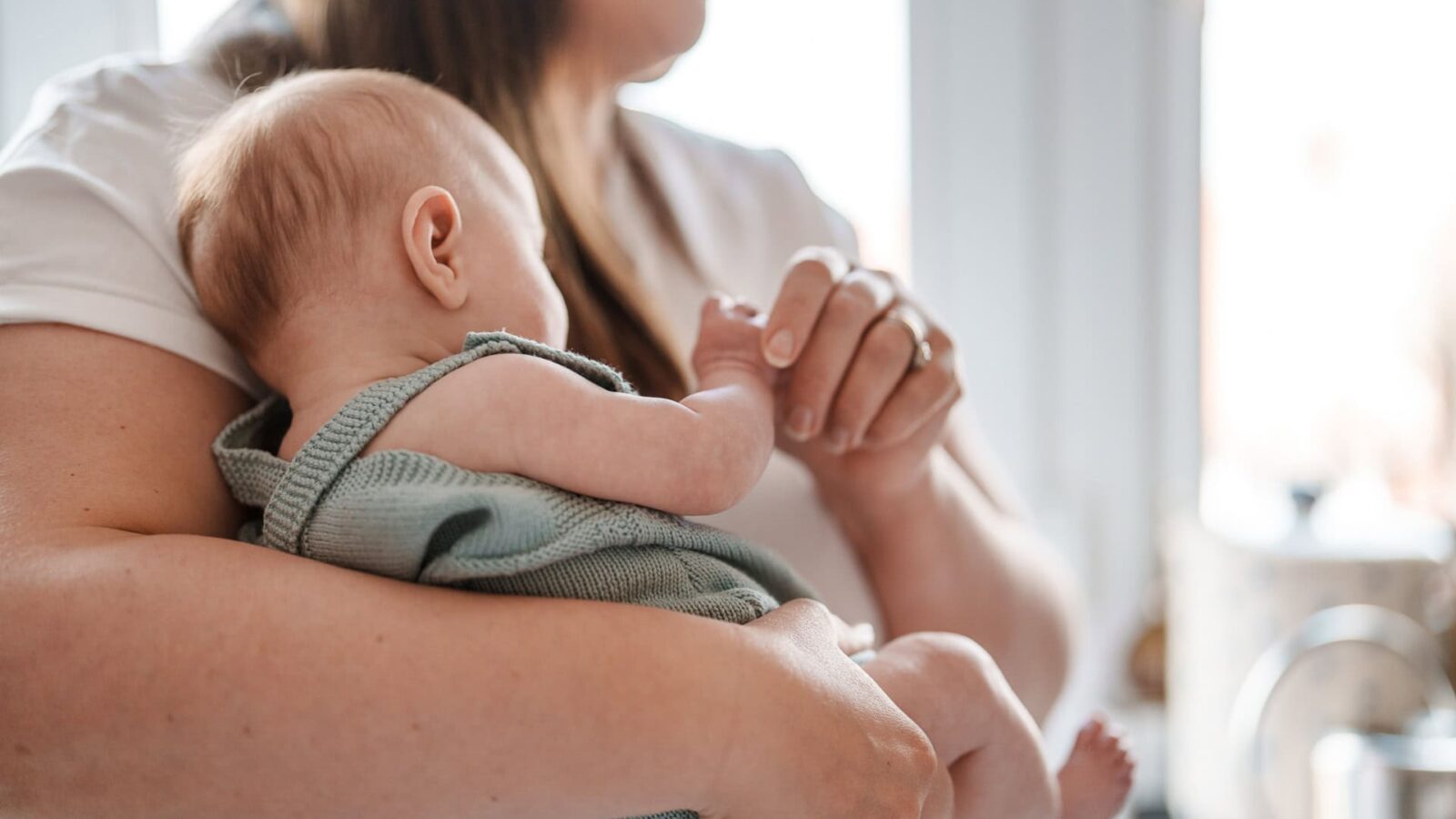
So I shoot for both. The full gallery has the child’s face in it, delivered privately, downloadable by the carers and nobody else. Then there’s a second, much smaller set built deliberately without an identifiable face. The back of a head against a window. One small hand held inside a bigger one.
Fifteen or so photos, usually taken in the last twenty minutes once everyone has stopped performing. Those are the ones that end up going to grandparents and going online, and they’re the ones people are most surprised to love.
Book it early in the placement, not once things have settled
Carers keep telling me they’ll sort photographs out once things calm down. Placements don’t reliably arrive at a calm point.
The families who are happiest with what they’ve got are the ones who booked at week six, when the house was still loud and nothing matched. Those pictures are honest about what that period actually looked like.
Waiting for a better version of your household is how people end up with none.
Your kitchen beats a studio nearly every time
A child who has recently come into care has usually been walked through a run of unfamiliar buildings by unfamiliar adults. Adding a photography studio to that list is a strange thing to do to them.
Home works better. Their own bedroom, or the kitchen table halfway through breakfast. A photographer who shoots this way turns up with one camera and no lighting stands, because a stranger assembling equipment in your living room undoes an hour of settling in about four seconds.
Bring the shoot to the child. Not the other way round.
Where in London this comes up
Hackney, Lewisham, Waltham Forest, Croydon and Southwark all run their own fostering services, and each one has its own consent paperwork with its own wording. Croydon’s form is not Hackney’s form. If you’re carers in Hackney and your supervising social worker sits in a different borough, the form that governs your photographs is theirs, not the one your neighbour showed you.
Queer carers across the city keep telling me the same thing about their assessment: it took longer, and they were asked more. Whether that’s fair or not, it means most of them arrive at a photo session already fluent in paperwork, which honestly makes this bit easier.
Two carers, and the form that keeps asking which one is the main one
Fostering paperwork loves a primary carer box. Same-sex couples get funnelled into it constantly, and it quietly seeps into how a family gets photographed: one adult always the one holding the child, the other standing half a step back, present but not quite in the picture.
Planning fixes it. Good intentions don’t. I make sure both adults get their own photos alone with the child, doing something ordinary and useful rather than standing beside the sofa smiling.
You’ll notice it later, when you’re choosing prints and one of you is barely in them. Better to head it off on the day.
What it costs
Sessions through the roster usually start around £500 and climb with length of session and how much gets delivered. A short home session with the split gallery sits near the bottom of that; a longer half day with a second visit later in the placement sits higher.
Every photographer on queer.photo sets their own rate, shown on their profile before you enquire, so you’re comparing real numbers rather than waiting on a quote. Say up front that it’s a fostering household and that a borough consent form is coming, because it affects delivery and it should be priced in, not bolted on.
Nobody here charges extra for the second gallery. Ask anyway, so you know.
Choosing someone who has read one of these forms before
Two questions sort this quickly. Have you delivered a split gallery for a fostering family before, and will you sign our borough’s media consent form as it’s written?
A photographer who has done it will answer both in a sentence. One who hasn’t will start negotiating the wording of the form, which tells you everything. You can also ask what happens to the files afterwards, because a photographer who keeps a fostered child’s images in a public portfolio has misunderstood the entire arrangement.
Browse the roster and ask both questions in your first message. A two minute filter, that one.
Common questions
Can foster carers have professional family photographs taken?
Yes. A professional session is allowed while a child is in foster care, provided whoever holds parental responsibility agrees to it first, which usually means the local authority and sometimes a birth parent too. That permission covers how the photographs get used, not only whether they’re taken.
Do I need the local authority’s permission to photograph a fostered child?
Yes. Images of a looked-after child count as personal data under the Data Protection Act 2018, so consent comes from whoever holds parental responsibility. Ask your supervising social worker first.
Can I post the photographs on social media?
Only if that specific use has been approved. Permission to have photographs taken and printed at home is not permission to publish them online, and most fostering services refuse identifiable images on social media altogether. The second gallery exists for exactly that reason.
How much does a foster family photo session cost in London?
Sessions usually start around £500 and rise with length of session and travel. Each photographer on queer.photo sets their own rate, shown on their profile before you enquire. Mention the consent paperwork early, so the split gallery sits inside the quoted price rather than turning up later as an extra line.
What happens if the placement ends before the photographs arrive?
The photographs still go to the family who commissioned them, under whatever terms the local authority set. Agree in advance what happens to the files if the placement changes, and ask the photographer to delete their working copies on request. Carers who sort that at booking never have to think about it again, and the ones who don’t tend to be chasing a photographer months later over email.
Ready when you are. See portrait options, or find a photographer who has done this before.