Queer family portrait photographer in London, and the parent who ends up half out of the picture
A woman rang me last spring about a family session and spent the first two minutes explaining her family structure. Who carried, whose name went on the birth certificate. She was doing it pre-emptively, the way you brace for a question you already know is coming.
Halfway through she stopped and said, sorry, you probably don’t need any of this.
She didn’t. A queer family portrait photographer in London has no reason to know which parent is biologically related to which child, because it changes nothing about where anyone stands or how the light falls.
The question gets asked anyway.
The question that keeps getting asked
Which one of you is the real mum. Most people asking it think they’re being friendly. They want to place you, and the vocabulary they’ve got for families only stretches one way. That isn’t malice, but it’s still a question that makes a parent do admin in the middle of what was supposed to be a nice morning.
A photographer asking it is a different matter, because they’re about to spend two hours deciding who goes where. Start from a guess about which of you counts as the parent and the pictures inherit the guess.
What actually changes when there are kids in the picture
Very little about the equipment. Quite a lot about the clock.
A child under four gives you roughly forty minutes of genuine cooperation before the session turns into a negotiation. Older ones stretch it, though never by as much as parents hope. Anything that needs both adults looking calm and present has to happen inside that window.
Which quietly reorders the whole session.
Why the two of you get photographed first
Most family shoots run the other way round. Everyone together while the clothes are clean, then the kids get let loose, then the parents last if there’s time. There’s rarely time.
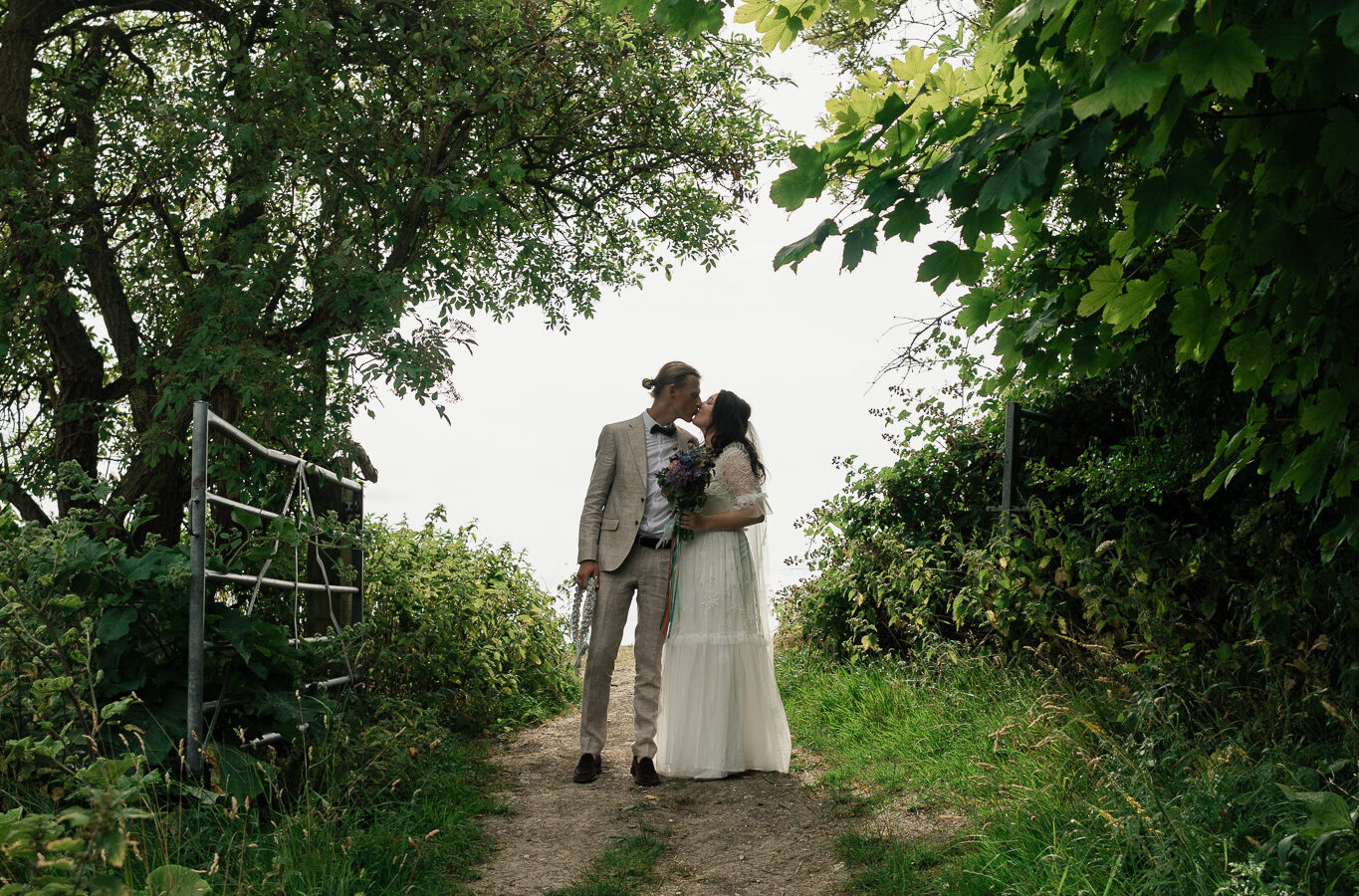
A session that’s been planned properly puts the couple portraits in the first fifteen minutes, before your child has decided they’re bored. You get the pictures of the two of you while you both still look like people rather than crowd control.
It feels backwards on the day. It isn’t.
The parent who ends up half out of the picture
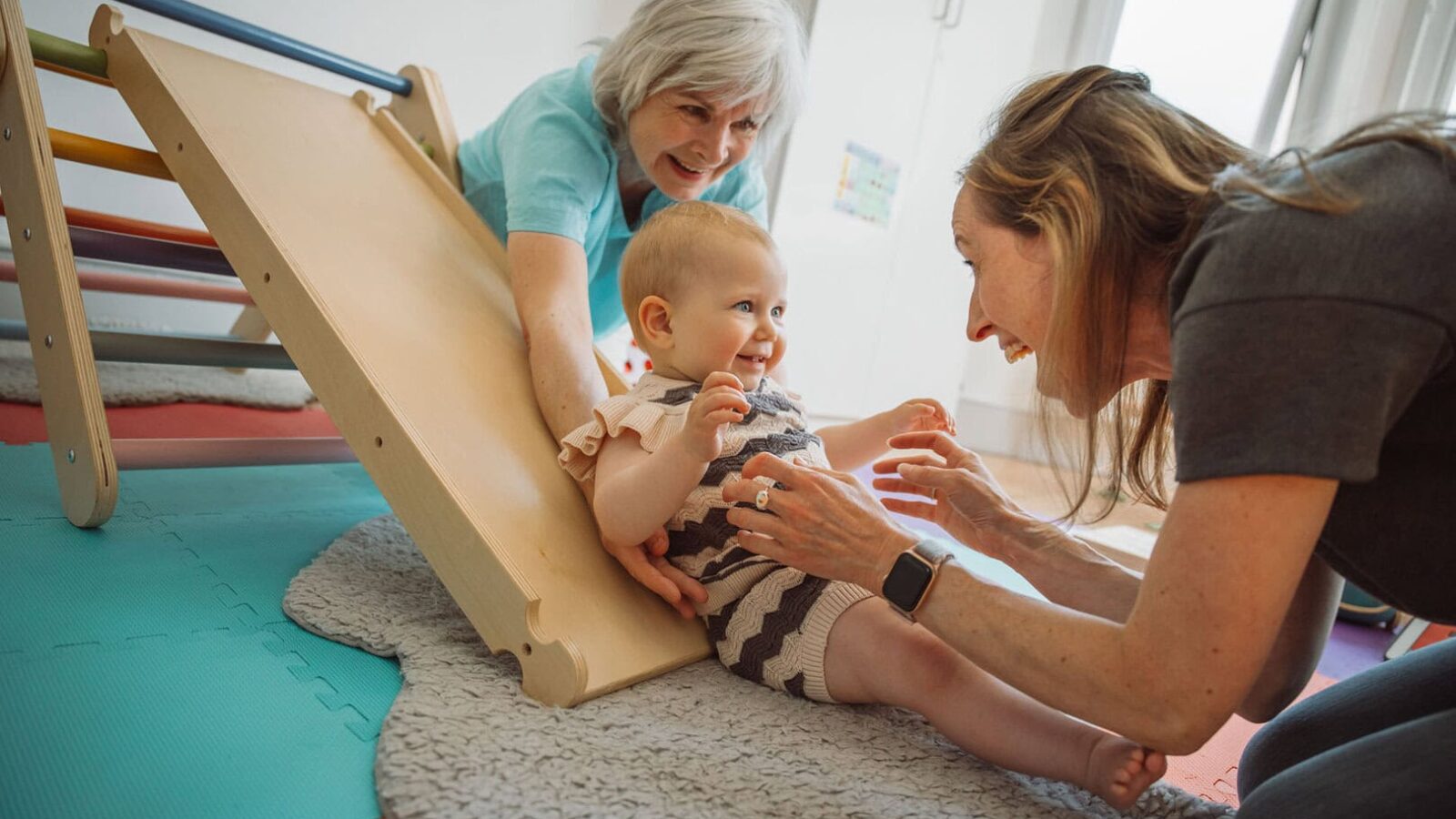
Small children pick a favourite and physically go to them. Not permanently, and not for any reason worth reading into, but on a given Saturday one of you is the one being climbed on and the other is standing eighteen inches to the left, smiling, holding a coat. It swaps round by the following month, usually for no reason either of you can identify.
Shoot that honestly for two hours and you end up with a gallery where one parent has the child in almost every shot and the other is a background figure. You were both there the whole time. Only one of you is in the photographs.
Anyone who’s worked with families more than a handful of times swaps it deliberately. Partway through, the child gets handed over. There’s also a separate run of pictures with each parent and the kids on their own, so neither of you is only ever a supporting character in your own album.
Ask about this before you book. The answer tells you more than the portfolio does.
Where in London you’d actually shoot
Sessions on the roster run right across the city, and where you go matters less than how far it is from your front door with a buggy in tow.
Hackney and the fields around it get used a great deal, partly because there’s shade in August and somewhere to buy an emergency ice lolly. Photographers on the roster also shoot regularly across Peckham and Walthamstow, in Brockwell Park, and up on Hampstead Heath when somebody wants the view. There’s a Hackney page if that’s your end of town.
If you’d rather stay local, say so. The corner of the park you take your kids to anyway will photograph better than the famous one, because your children already know how to behave in it. I’ve written separately about finding an LGBTQ family photographer across the UK if you’re outside the capital.
Home sessions deserve more consideration than they get, especially with a baby. Your flat already has the toys in it.
Nobody needs to match
The instinct is to put everyone in a white shirt and jeans. Resist it.
Matching outfits flatten a family into a unit, which does the exact thing you were hoping to avoid: it makes the picture about a category rather than about the four of you. Agree a loose range of colours that sit together and let everyone dress like themselves inside it.
Children should wear something they’ve already worn. New clothes make children behave like they’re in new clothes.
What it costs
Family sessions on queer.photo usually start around £500. That covers a shoot of an hour or two, an edited gallery, and the licence to print the results however you like.
The number moves with scope. A second location adds to it, and so does asking for the gallery back before somebody’s birthday. Every photographer on the roster sets their own rate and shows it on their profile, so you can see the figure before you get in touch rather than after.
Nobody here charges extra for a family that needs explaining. There’s nothing to explain.
Choosing the right fit
Portfolios are a weak signal in this particular case, because every family photographer’s portfolio is full of happy families. Look instead at whether queer families turn up in the ordinary run of the work rather than fenced off into their own section at the bottom of the page.
Then have a short conversation. You want somebody who doesn’t need the backstory and doesn’t flinch when they get it anyway. If you catch yourself explaining your family for longer than about ninety seconds, that’s your answer.
I check everyone listed on queer.photo for precisely this, so you can go straight to the roster and pick on the strength of the pictures. The portraits page shows the range.
Common questions
Do we have to explain our family to the photographer?
No. Nobody on the queer.photo roster needs to know who gave birth or whose name is on the birth certificate in order to take the photograph. The useful things to share are names and ages, plus anything a child finds difficult first thing in the morning.
How long is a family portrait session in London?
Most run between one and two hours. With a child under four, expect around forty minutes of reliable cooperation, which is why a good photographer shoots the parent portraits early instead of saving them until the end.
How much does a queer family portrait photographer in London cost?
Family sessions usually start around £500 for a one to two hour shoot with an edited gallery. Rates rise with a longer booking or a faster turnaround. Each photographer on queer.photo sets their own price and shows it on their profile.
Can we make sure both parents appear in the photos equally?
Yes, and you should ask for it directly. Children gravitate towards one parent on the day, so an unmanaged session produces an album where one of you is holding the child in almost every shot. Ask the photographer to swap who is holding partway through, and to shoot a separate run with each parent.
Should the whole family wear matching outfits?
No. Matching clothes make the picture about the group rather than the people in it. Agree a loose colour range and let everyone dress like themselves. Children should wear something they have already worn, because new clothes change how they behave.
Do photographers travel to our home for the session?
Many on the roster do, and home sessions work particularly well with babies and toddlers, because the toys and the nap schedule are already there. Say where you’d like to shoot when you first make contact.
Ready when you are. see portrait options, or find a photographer.