LGBTQ couples photographer in the UK, the photo you never got round to
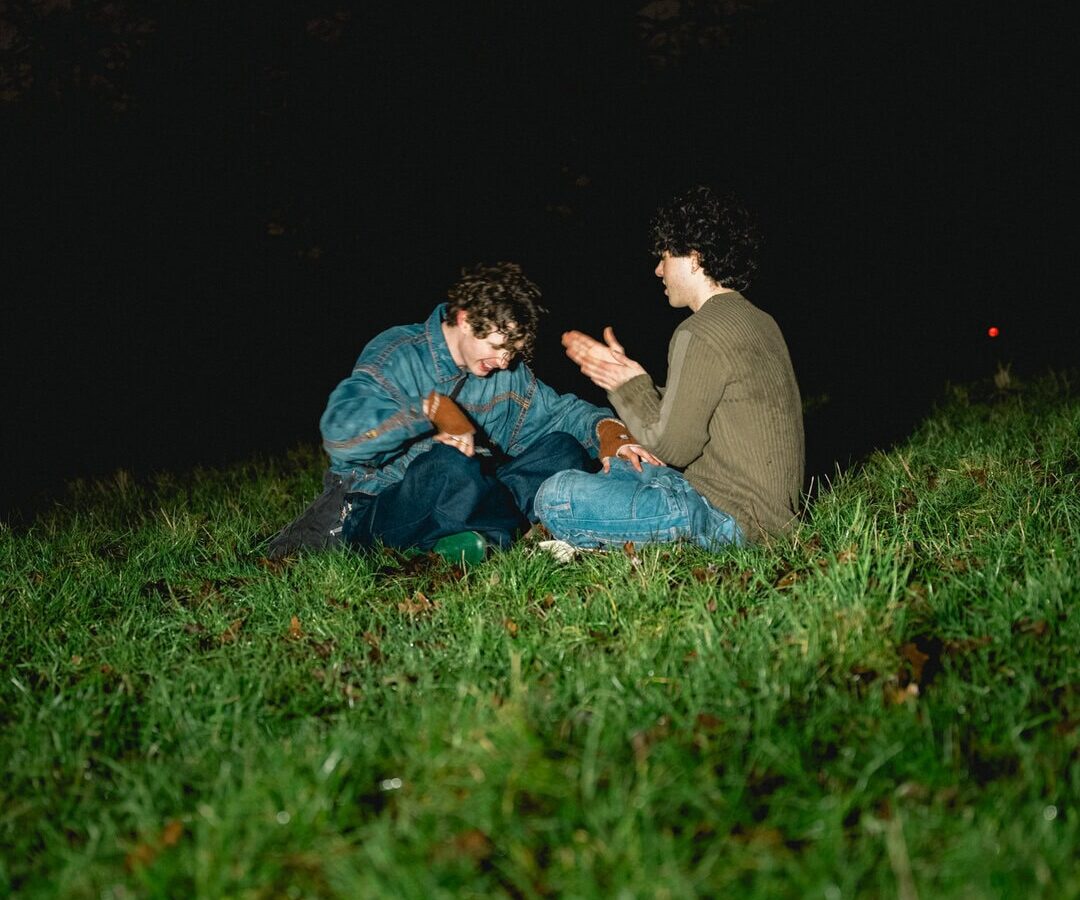
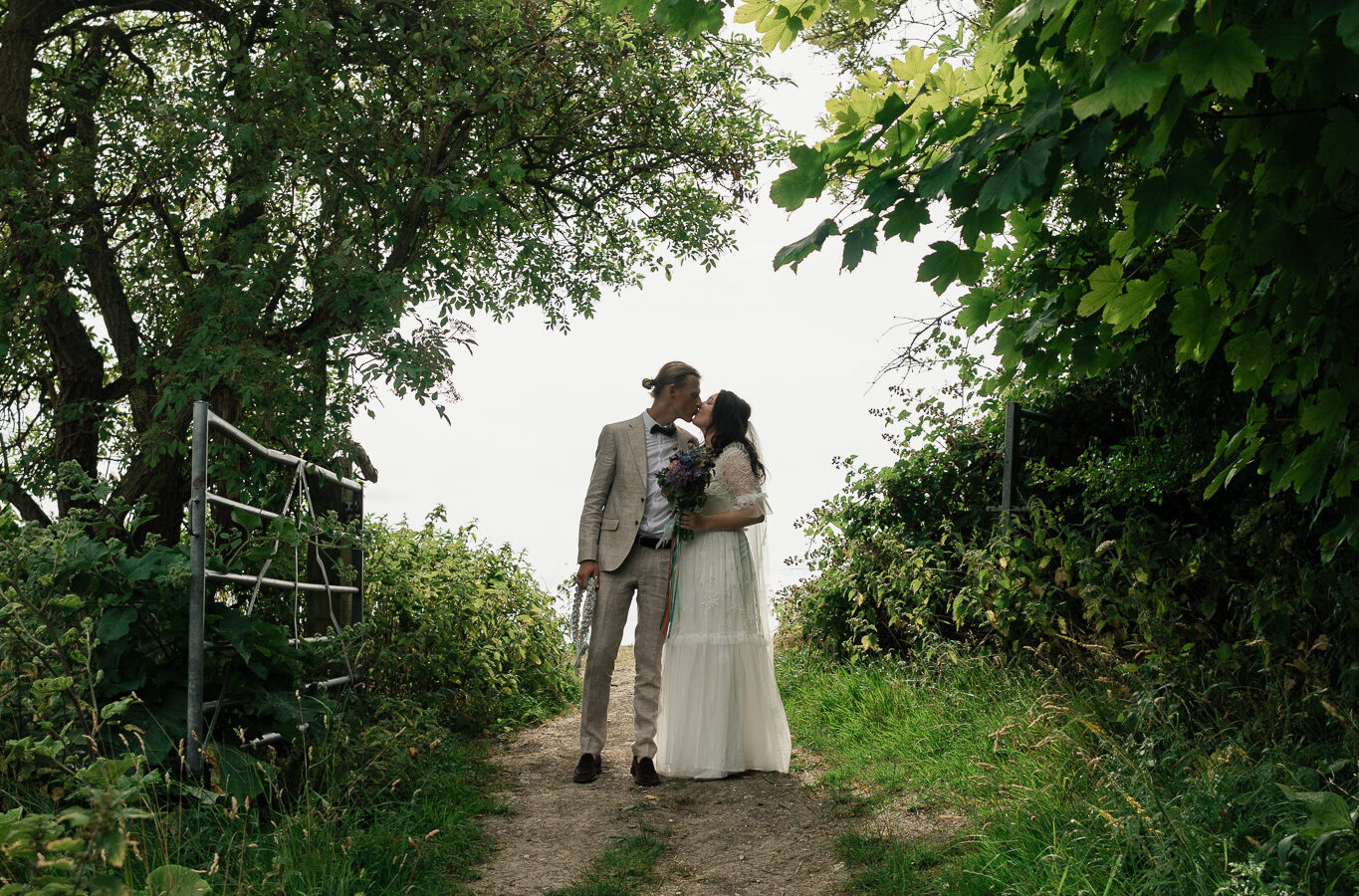
A couple in Leeds worked out, while they were filling in the enquiry form, that they had been together nine years and owned no photograph of the two of them that wasn’t a selfie taken at arm’s length. There was one from a friend’s wedding where they’re both slightly out of focus behind someone else’s hat.
Nine years. That was the thing that got me, and it comes up constantly when people go looking for an LGBTQ couples photographer in the UK, because the reason is almost never money.
Nobody books the session because there’s no occasion attached to it.
The photo you don’t have
Weddings get photographed. Babies get photographed. Two people who have simply been together for years and are fine have no obvious trigger, so the years accumulate and the only evidence is a phone camera held out at the end of an arm.
You don’t need a reason. A Tuesday works.
Why standard posing falls apart
Most of what photographers are taught about couples assumes a height difference and a quiet lead-and-follow arrangement. One person stands behind, one in front. One person’s hand goes on the other’s waist and the picture organises itself around that.
Take away the height difference and a lot of that instruction stops working. Two people of similar build, dressed similarly, standing still, will end up looking like a passport photo of a band.
The way round it is to keep both of you moving, which sounds like the sort of thing photographers say to sound relaxed, but it’s mechanical rather than spiritual. Walking, turning to say something, reacting to what the other one just said. Movement produces a natural asymmetry that no amount of arranging people will give you, and neither person has to be assigned the front.
Ask any photographer you’re considering how they’d handle it. The good answer involves what you’ll be doing. The weaker answer involves where you’ll be standing.
Do you travel?
Yes. Most of the roster is London based and travels for work, and a fair number live elsewhere in the country, which is usually the better option if you’re outside the south east.
Travel is normally added at cost rather than marked up, so a train to Bristol adds a train fare rather than a fee. What matters far more than the distance is the time of year, and almost nobody mentions that until you’ve already booked.
The daylight problem
Sunset in Manchester at the end of December is just before four in the afternoon. At midsummer it’s just before ten at night.
For an outdoor couples session that’s the entire ball game, because the hour before sunset is when everything looks the way you want it to look. A December shoot in Leeds or Glasgow means starting at half past two, which rules out anyone travelling up from London that morning unless they’re on a genuinely early train.
Book a winter session and ask what time it starts before you agree anything else. Book a June session and you’ve got the opposite problem, where the good light lands at half past nine and nobody has eaten.
Outside London
Manchester and Brighton get the most enquiries after London by a wide margin, and both are easy days out from anywhere. Bristol has better light than either of them in my opinion, because the harbour throws it back up at you late in the day.
Glasgow and Leeds are where the gap is widest between how many queer couples live there and how many photographers advertise to them. If you’re in either, you’ll find the roster thinner and the photographers who are on it noticeably keener.
Somewhere near you counts for something, but not as much as people think. A photographer who knows your city will show you the same three spots everyone gets shown. Somebody arriving fresh will ask you where you actually go, which is a better question, and it’s how you end up with photographs taken outside your own front door rather than in front of a mural.
What it costs
Sessions through queer.photo usually start around £500 and rise with length and how much of the day you want covered. Every photographer on the roster sets their own rate and displays it on their profile, so you can compare properly before contacting anybody.
Travel outside London is added at cost. Ask for it as a number, not as a policy.
What to wear
Wear something you already own and have worn before. New clothes photograph like new clothes, and you spend the session adjusting them instead of forgetting about them.
Aim for colours that sit together rather than colours that are the same. Two people in identical outfits looks like a uniform, and two people in wildly clashing shades makes the photograph about the clothes instead. Pick a rough temperature and let both of you sit inside it.
Bring a second option if the shoot is longer than an hour. Not a costume change, just something that reads differently, so the gallery doesn’t look like one long moment.
Choosing the right fit
Look for couples in their portfolio who look like they’re enjoying themselves rather than performing being in love. The difference is visible immediately and it’s the only real quality signal in a portfolio.
Then read their profile for what they say about queer clients specifically. Vague inclusivity language is easy to write. Somebody who mentions how they handle a session where nobody wants to be positioned as the bride is telling you they’ve done it before. I went into that in more depth for couples sessions in London, and most of it applies wherever you are. Have a look through the roster and pick on the pictures.
Common questions
Do you travel outside London for couples shoots?
Yes. Most photographers on the queer.photo roster are London based and travel across the UK, and several are based in other cities, which usually works out better if you’re a long way north. Travel is normally added at cost rather than as a marked-up fee, so ask for the figure as an actual number rather than as a policy before you book anything.
How much does an LGBTQ couples photoshoot cost in the UK?
Sessions usually start around £500 and rise with length and the number of locations. Each photographer shows their own rate on their profile.
How long does a couples session take?
Most couples sessions run between one and two hours, which is long enough to move between a couple of locations without anybody getting cold. The first twenty minutes are usually the stiffest, which is normal and worth planning for rather than worrying about.
What should we wear?
Wear clothes you already own and can move in, and pick colours that sit together rather than matching exactly. Bring one alternative if the session runs over an hour.
We’re both awkward on camera. Does that matter?
No, and it’s what most people say before a session. A photographer who works through movement rather than static posing will get past it within the first half hour, which is one of the reasons sessions are booked by the hour rather than the photograph.
When is the best time of year for an outdoor session?
Spring and early autumn give you good light at a civilised hour, roughly between five and seven in the evening. Winter sessions need an early afternoon start because the light goes before four, and midsummer pushes the best light close to ten at night.
Ready when you are. See portrait session options, or find a photographer.