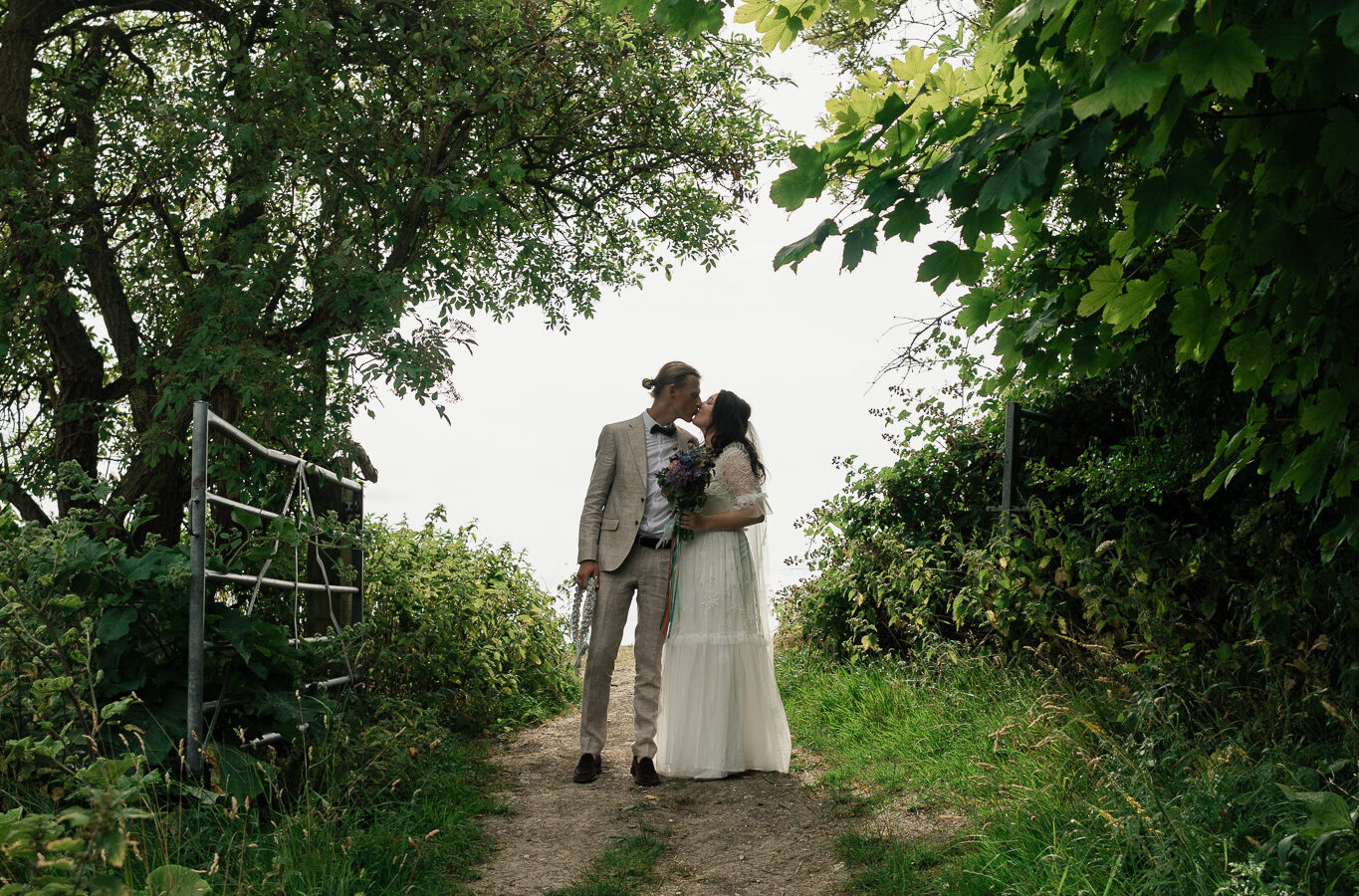
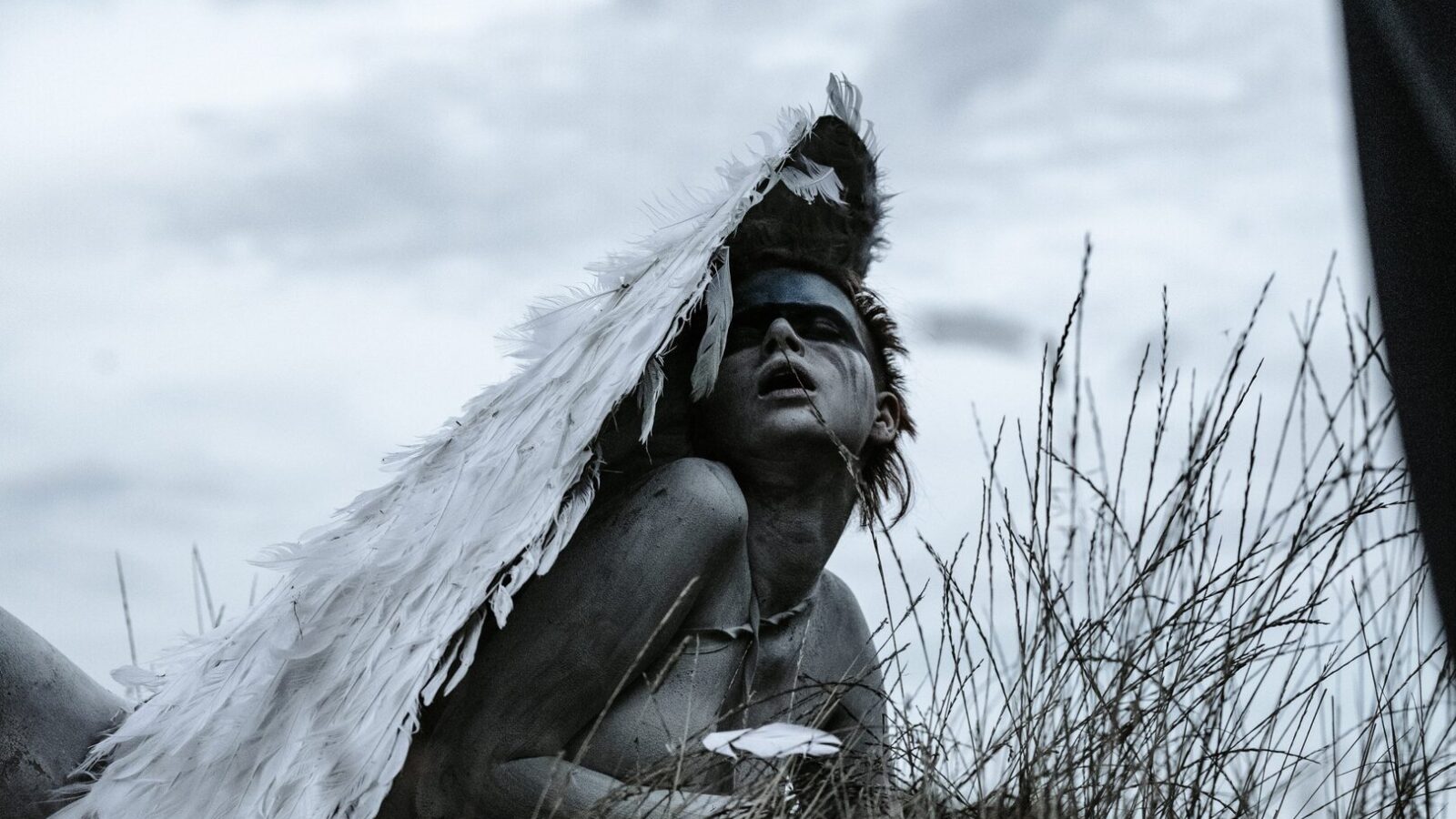
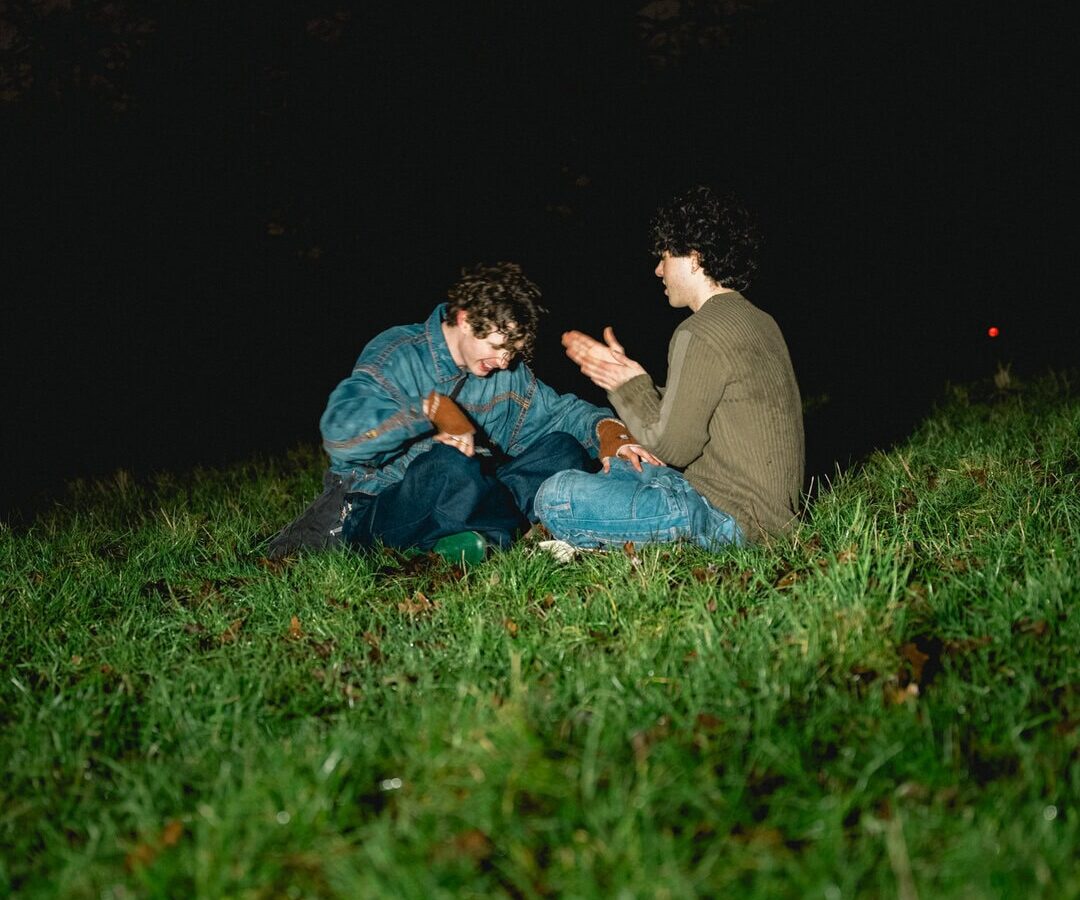
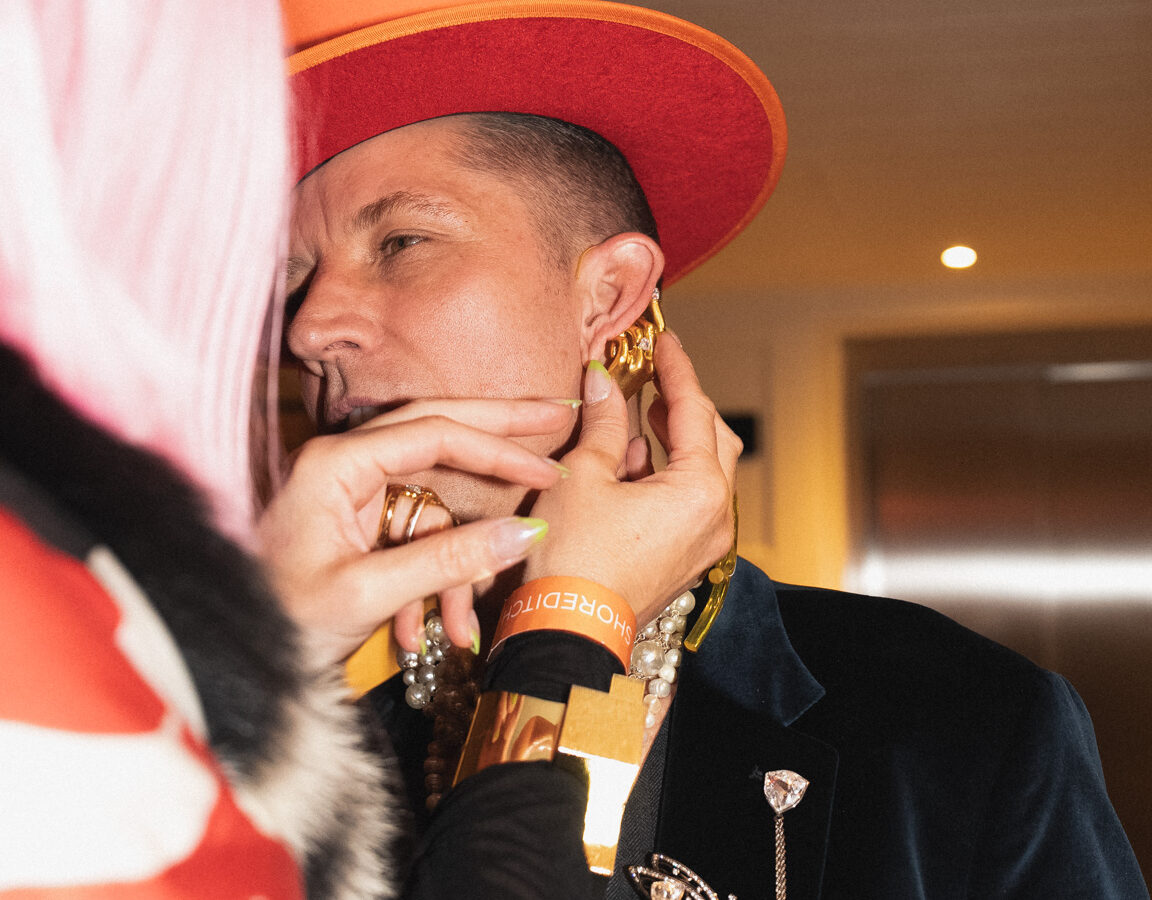
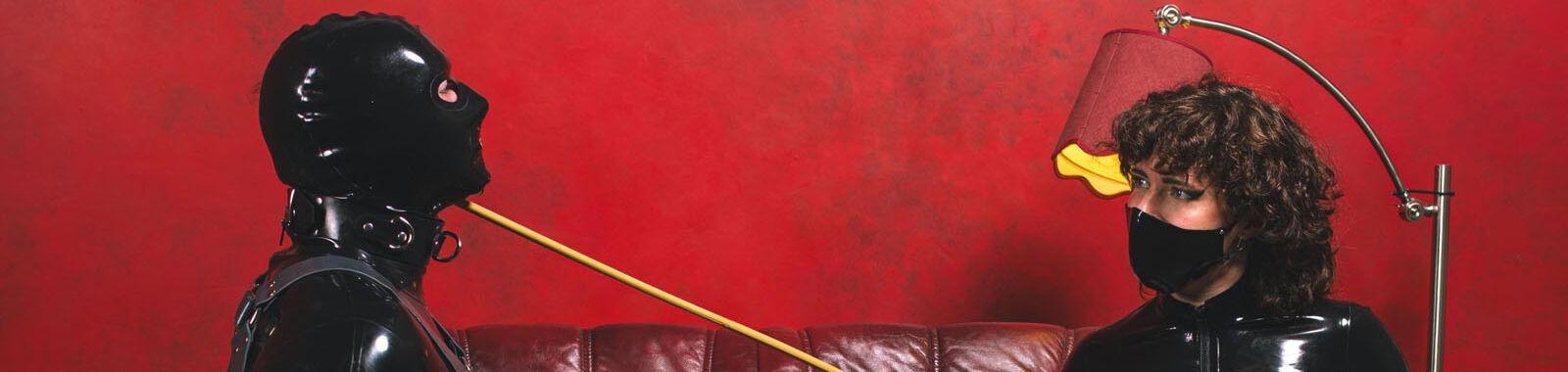
Trans masculine portraits in London, including marking top surgery
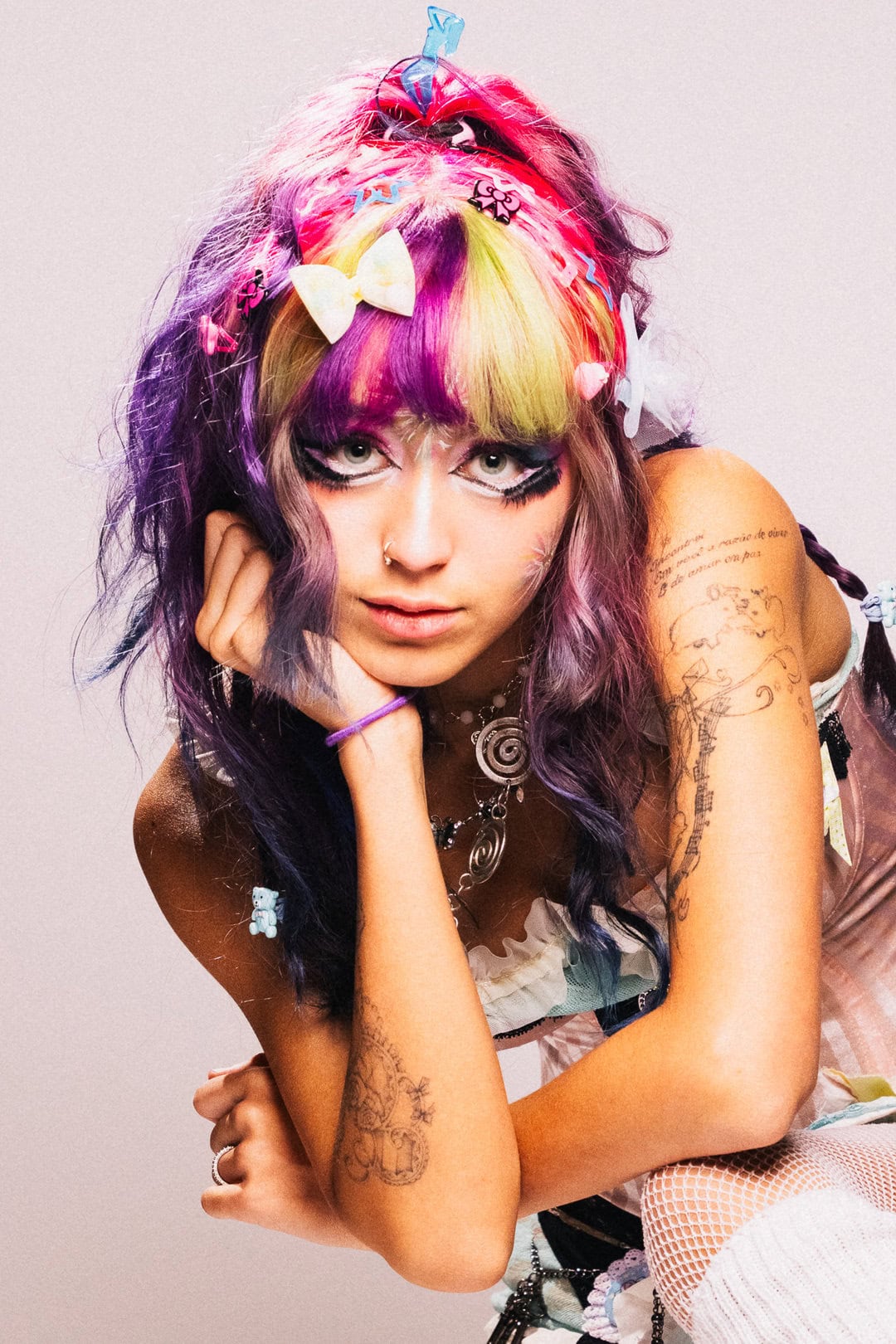
A guy booked me six weeks after his top surgery and told me, almost apologetically, that he wanted photos of his chest. Not artful, not coy. He’d spent years avoiding cameras and mirrors, and now for the first time he wanted a record of a body he recognised. He’d been nervous to even ask, because the last studio he’d raised it with had gone awkward and started talking about tasteful angles.
He didn’t want tasteful angles. He wanted the truth, shot like it mattered. So that’s what we made, plain light, scars and all, a man looking straight down the lens at a self he’d worked years to reach. Marking a transition with a camera is some of the most meaningful work I do, and it asks for a photographer who’s done it before.
This is your body and your milestone, shot the way you want it remembered.
Why this needs a photographer who’s done it
Marking a transition asks a lot of trust. You’re often photographing a body mid change, sometimes with fresh scars, sometimes with feelings you can’t fully name yet. A photographer who’s never done it can make the whole hour heavier without meaning to.
Someone who shoots trans masculine clients regularly has the muscle memory for it. They know when to talk and when to shut up, how to direct without making you feel inspected, and how to photograph a chest as a fact rather than a curiosity.
That experience is the difference between a session that feels like a celebration and one that feels like a medical appointment with better lighting.
What we shoot, and what we don’t
It’s your body and your shoot, so the line sits wherever you put it. Some men want everything documented, scars sharp and unhidden. Some want the chest in there but soft, in shadow, more suggestion than statement. Some don’t want it at all and just want to look like themselves with a shirt on.
All of those are right. We talk it through before the camera comes out, and nothing happens that you didn’t ask for. You can also change your mind mid session, and plenty of people plan to keep their shirt on and then, twenty minutes in, feel safe enough to take it off.
There’s no schedule and no pressure either way.
Scars, healing, and timing
If you’re shooting close to surgery, the scars will still be developing, and that’s completely fine to photograph. Some men specifically want the early stage recorded, the red lines and the realness of it, before time fades them.
Others wait a year for the scars to settle into something quieter. There’s no correct moment, only the one that matters to you. If you’re unsure about timing around healing, it’s worth a quick word with your surgical team, and the plain guidance on the NHS pages is a sensible reference.
Tell me roughly where you are in healing when you book, because it shapes how we move and whether arms up poses are comfortable yet.
Comfort, dysphoria, and pacing
Even a celebration can stir dysphoria, and a shoot can bring up the parts of your body you’ve made peace with avoiding. If that’s a risk for you, say so when you book and it changes how we work rather than whether we work.
We can keep the focus high, on the face and the new chest, and skip whatever doesn’t feel like you. You see the back of the camera throughout, so nothing in the gallery ambushes you later. I keep the pace slow and the room calm, with breaks whenever you need them.
Comfort wins over getting one more frame, every single time.
Where in London
For something this personal, a private studio is often the right call, and I run one in east London called Lemon Shark Studio where it’s just us and the light does what it’s told.
Home works too, and for a lot of men it’s the most honest backdrop, your own space at a turning point in your life. If you’d rather be outside, the quieter corners around Hackney give privacy without a sterile set.
For a sense of how I handle natural light on skin, more of my portrait work is at LemonLens.
Beyond the chest, the whole man
A top surgery shoot doesn’t have to be only about the surgery. Plenty of men use the occasion to get the first real portraits of themselves they’ve ever loved, the kind they’ll use on a profile, send to family, hang on a wall.
We’ll shoot the milestone and then keep going, getting the everyday you, the one who’ll exist long after the scars have faded. It’s a chance to build a stock of photos of yourself that you actually like, which a lot of trans men have never had.
Bring a couple of outfits you feel good in, and we’ll move between bare and dressed at whatever rhythm suits you.
Who else is in the frame
If a partner, a best mate, or chosen family helped you through transition, they belong in some of these photos. The people who drove you to appointments and held the ice packs are part of the story.
I’ll usually shoot you solo first, then bring people in once you’ve warmed up, which often turns a clinical feeling milestone into something that feels like a party, which it should. If you’re reading around the wider picture of transition and support, Stonewall has written clearly on trans rights and wellbeing.
The people who showed up deserve to be in the record of where it led.
What you do with the photos afterwards
A lot of men come for the milestone and then realise the photos have a job beyond the wall. A new profile picture that finally looks right. A print for the bedroom. A set to send the friends who couldn’t be there for the surgery but were there for everything around it.
Some keep them entirely private, a record made for themselves and nobody else, which is a completely valid reason to shoot. Others want one or two they’re proud to post, marking the milestone publicly on their own terms.
Whatever you intend, you own where these go, and nothing is shared publicly without your clear say so. Plenty of men decide a year on that they’re ready to share a frame they’d first kept private, and that choice stays entirely yours to make whenever it feels right, image by image.
What it costs
A trans masculine portrait session in London usually starts around £180 and rises with extra looks, locations, or a larger edited set. Milestone shoots that include both bare and dressed work tend to sit a little higher because there’s more to shoot and edit.
Every photographer on the queer.photo/ roster sets their own rate, so you'll see a real number on each profile before you book. You weigh the work and the price together rather than guessing.
If money’s tight and this matters to you, say so when you enquire and we’ll do our best to match you with someone in your range.
Choosing the right photographer
For something this close to the bone, hire on trust rather than price. You want someone whose work shows they photograph trans bodies with respect, and who you’d feel safe being vulnerable in front of for an hour.
Tell us where you are in your transition and what you want the photos to hold, and we’ll match you with someone from the roster who’s done this before and treats it as the milestone it is. We aim to reply within a day.
Common questions
Can I get photos of my chest after top surgery?
Yes, shot exactly the way you want, from unhidden and scar-positive to soft and suggestive. You set the line before the camera comes out and can change your mind mid-session. The photographer treats it as a celebration, not a curiosity.
When after surgery should I book?
Whenever feels right to you. Some men want the early healing recorded, scars still red, while others wait a year for them to settle. Tell the photographer where you are in healing so they can pace the session and poses around your comfort.
I get dysphoria. Will the shoot make it worse?
Tell the photographer when you book and they keep the focus where you feel safe, skip what doesn’t feel like you, and let you see the photos as you go. The pace stays slow and you call the breaks, so comfort always wins over a frame.
Can my partner or friends be in the photos?
Of course. The people who helped you through transition belong in the story. The photographer usually shoots you solo first, then brings others in once you’ve warmed up, which often turns the session into a celebration.
How much does a trans masculine portrait shoot in London cost?
From around £180 for a session, more with extra looks, locations or a bigger edit, and milestone shoots with both bare and dressed work sit a little higher. Each photographer lists their own rate, so you see the number before booking.
Ready when you are. see portrait options, or find a photographer.