Queer Wedding Photographer in London, for the day two families meet for the first time
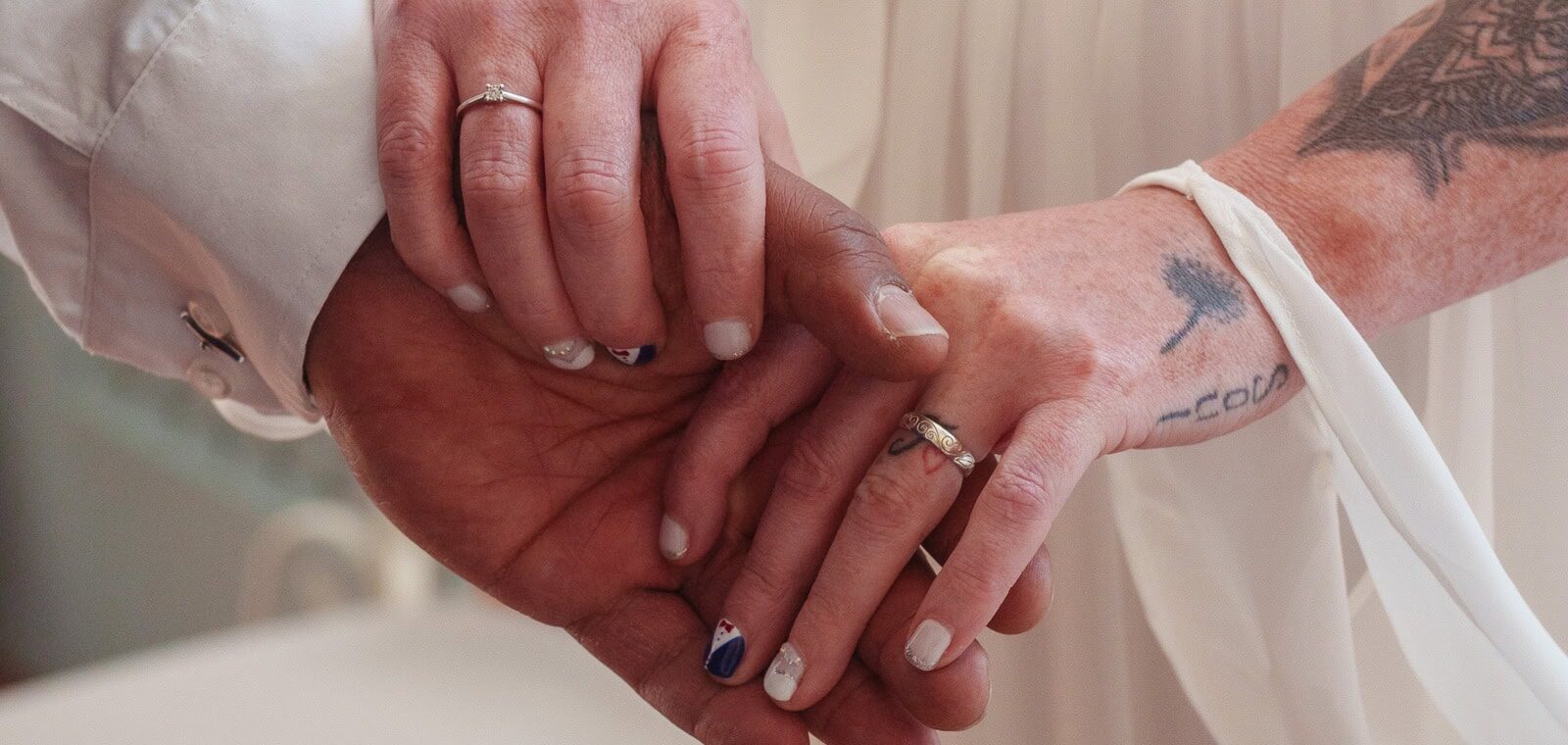
A couple I shot last spring spent more time on the seating plan than on the venue. Not because they were picky about linen or florals. His mum was flying in from Cardiff and had never met his partner’s found family, the people who’d shown up during a coming out that hadn’t gone well at home.
Two separate worlds, one long table, and neither of them wanted an awkward hour before the meal even started.
That’s the bit nobody warns you about when you’re planning a wedding in London as a queer couple. The photography turns out to be the easier problem. Getting eighty people who’ve never met to feel comfortable in the same room by 3pm takes actual planning, and a photographer who’s done it before ends up doing more logistics than you’d expect.
A wedding day runs on timing, and queer weddings often carry a little more of it to plan around.
The paperwork bit that changes your timeline
Plenty of couples split the legal ceremony from the party. You might sign the register at Islington Town Hall on a Tuesday morning with two witnesses, then throw the real celebration three weeks later at a venue that couldn’t hold a civil ceremony. Others do both on the same day: a twenty-minute legal slot at Hackney Town Hall, then straight to lunch.
Either way, tell your photographer early. A split-day wedding needs a different brief than a single-day one. If I know the legal bit is happening separately, I can plan for something more relaxed on the celebration day itself, since the paperwork pressure is already out of the way.
For a plain-English rundown of where the law stands, Stonewall keeps a guide to LGBTQ+ marriage and civil partnership law in the UK that’s worth reading before you book a venue.
Two guest lists meeting for the first time
This is the part that needs a plan. When one side of the room is chosen family and the other is biological family who might be new to all this, seating everyone at random is a gamble. I usually ask the couple who needs a gentle introduction before the formal photos start, then build five minutes into the schedule for exactly that.
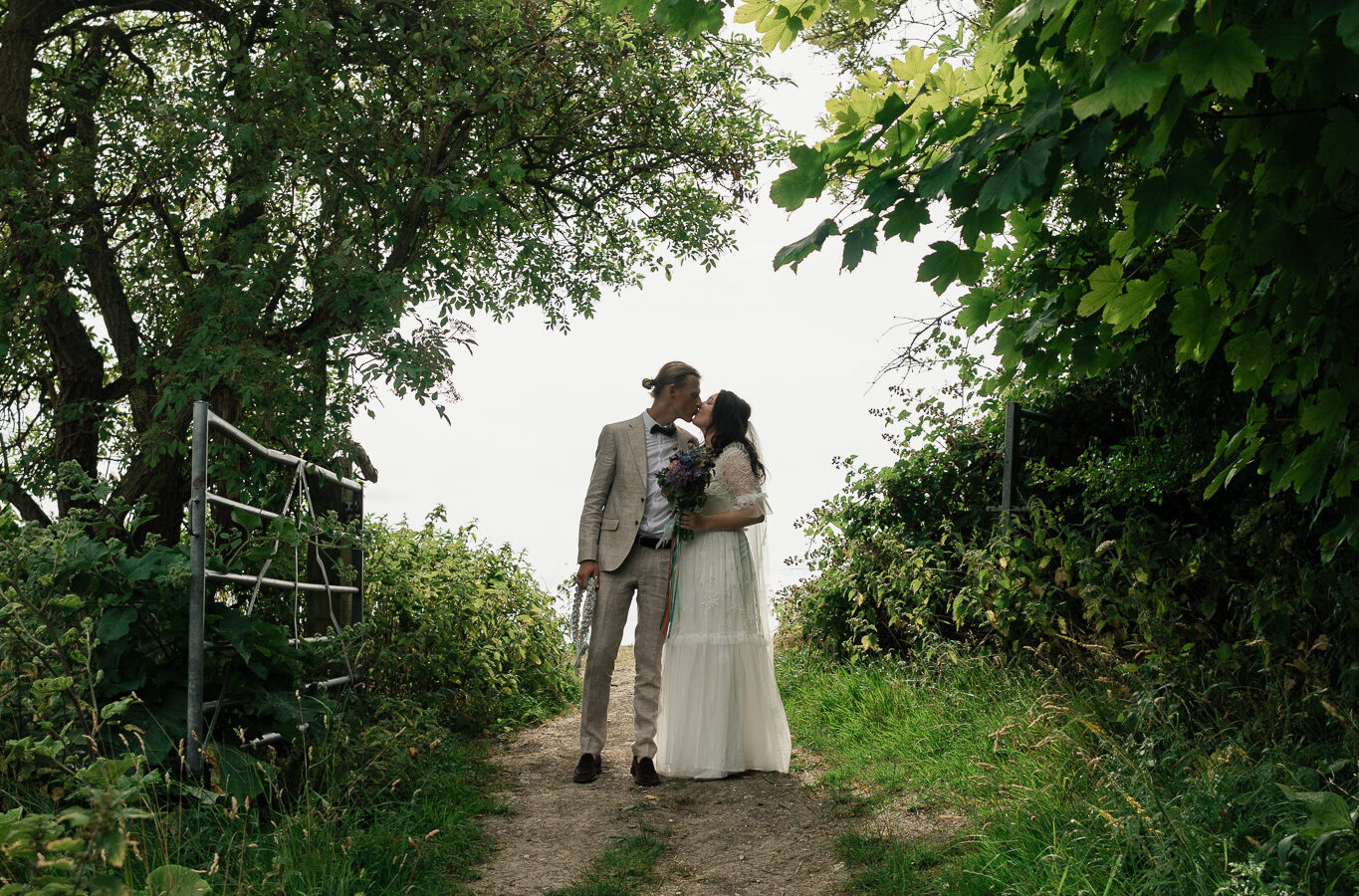
One thing that helps: skip the traditional “who walks whom down the aisle” formation if it doesn’t fit your day. I’ve shot ceremonies where both partners entered together from opposite ends of the room and met in the middle, which sidesteps the assumption entirely and photographs well besides. Brief your venue coordinator on this in advance, not on the morning, so nobody improvises a version of events that doesn’t match what you’ve actually planned.
The old “bride’s side, groom’s side” seating chart doesn’t map onto most queer weddings, and trying to force it usually just confuses the ushers. I ask couples to think in terms of who actually knows each other rather than who’s related to whom, seating a few natural connectors at the tables most likely to go quiet.
Small thing to plan for, big difference on the day. A reception that warms up by the starter feels nothing like one that’s still stiff during the speeches.
Where in London
Islington and Hackney town halls handle a good share of the borough’s civil ceremonies, and both have decent light for photos if you catch them outside peak booking hours. Clapton and Walthamstow have a run of independent venues that don’t charge the “wedding tax” you’ll find further west. Hackney Wick’s canal paths are a favourite for couples who want twenty minutes outdoors between the ceremony and the reception, and Conway Hall in Holborn still gets booked for its plain, unfussy interior.
If you want a fuller sense of who’s shooting where, the roster’s London wedding page breaks down pricing and availability by area, alongside more on shooting in Hackney specifically.
How the day runs
Most full-day coverage starts with prep, often at two locations if the couple is getting ready separately, and builds toward the ceremony from there. I build in slack on purpose. Register office slots run on strict timing, and the booking before yours might overrun by ten minutes, so a schedule with no breathing room falls apart by lunch.
The gap between ceremony and reception is where most of the outdoor photos happen, and it rarely lasts as long as couples expect. If relatives are meeting your partner’s friends for the first time, that’s usually when it happens, standing around outside a register office with a glass of something while I work through the photo list elsewhere. Worth knowing in advance so someone can keep an eye on it rather than leaving it to chance.
What it costs
A single portrait or engagement session usually starts around £500. Full wedding day coverage on the roster typically begins from £1,500 and rises with scope. Every photographer sets their own rate and shows it on their profile before you book.
Second shooters and long days
Weddings with two separate guest groups often benefit from a second photographer: one to stay close to the couple, one to catch the room reacting. A smaller day manages fine with one. Past eighty guests, a second is worth asking about, since a tired solo photographer at hour nine misses things a fresh pair of eyes catches easily.
Speeches and who gets asked to give one
Traditional wedding speeches assume a father of the bride and a best man, and that structure rarely fits as written. Most couples I’ve worked with pick whoever knows the story best, a sibling, sometimes both partners’ mothers together, and the order often changes on the day once someone’s had a drink and decided they want to say something after all. Tell your photographer who’s speaking and roughly when, so the coverage doesn’t miss the moment someone unexpected stands up.
Choosing the right fit
Ask to see a full wedding gallery before you commit, not a highlights reel. A highlights reel hides the parts that matter: the queue for the bathroom, the moment two families start talking properly.
The photographer roster lists that kind of work alongside day rates, so you can compare before reaching out. If you’re still deciding, find a photographer and message a few directly. Most will do a short call before you commit to anything.
Common questions
Do queer.photo photographers shoot same-sex and non-binary weddings?
Yes. Every photographer on the roster is vetted for LGBTQ+ experience, and profiles note anything specific to their approach, from pronoun handling to gender-neutral posing.
How much does a London wedding photographer cost?
Full day coverage typically starts from £1,500 and rises with hours and extras. Each photographer sets their own rate and shows it on their profile.
Can you photograph a split ceremony and party?
Yes. Tell your photographer the structure early so they can plan coverage around both dates rather than treating it as one continuous day.
What if our guest lists have never met?
Flag it before the day. A short window for introductions, planned into the schedule rather than left to chance, makes the formal photos far more relaxed.
Do you travel outside London for weddings?
Many photographers on the roster do. Check individual profiles for travel terms, and mention your venue when you first get in touch.
Ready when you are. see wedding options, or find a photographer.