Queer naming ceremony photographer in London, two ceremonies that share a phrase
A woman rang me last February about a naming ceremony and I spent the first two minutes of that call picturing a baby. She was fifty-one. The ceremony was hers, held in a function room above a pub in Stoke Newington, and the name being read out was the one she had chosen for herself about thirty years later than she wanted to.
That call changed how I take enquiries. Now when somebody says naming ceremony, the first thing I ask is whose name it is.
Two entirely different days share one phrase, and the photography for each barely overlaps.
Two ceremonies that share a phrase
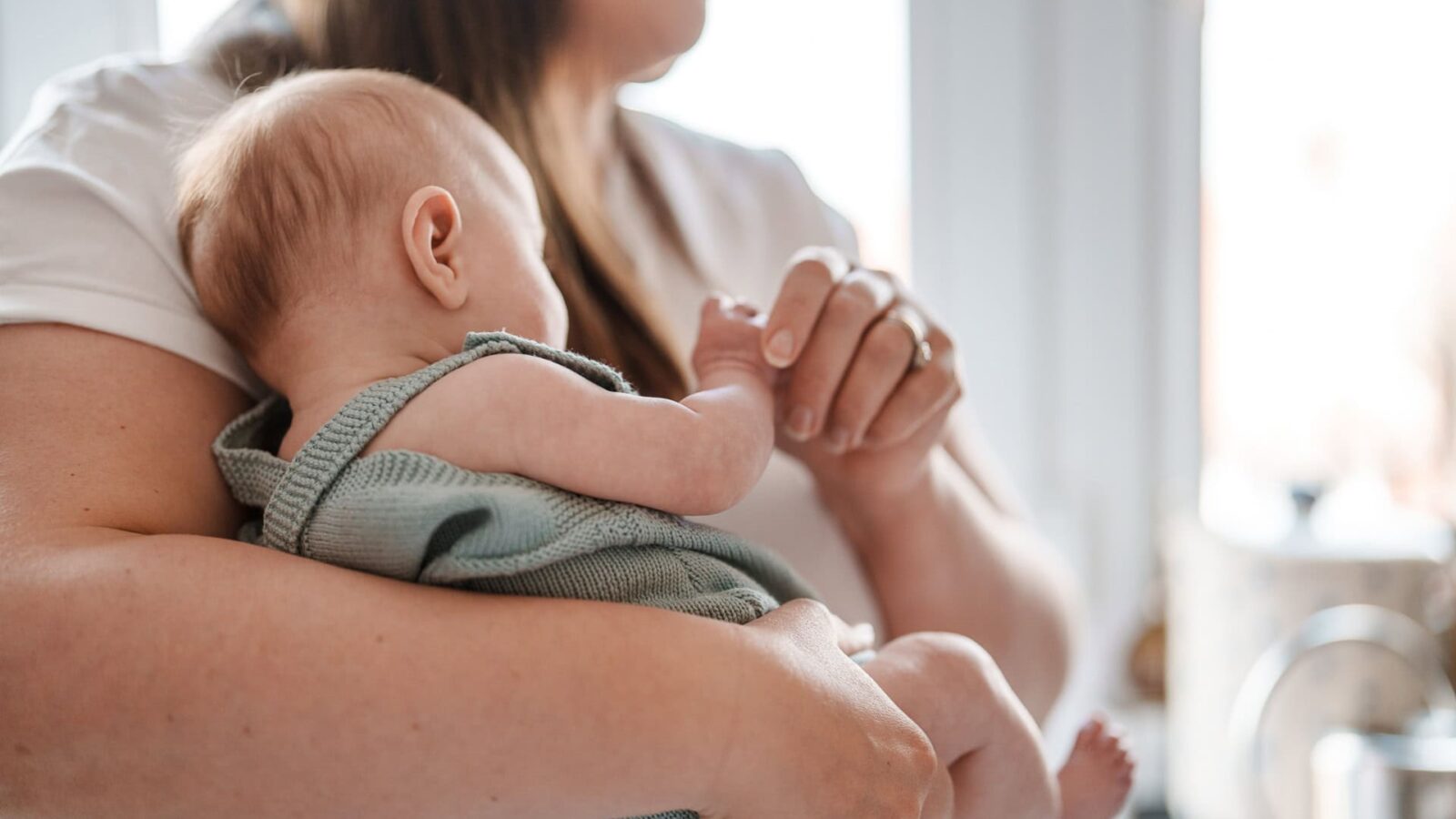
One is a baby naming. Parents welcome a child, often with a registrar or an independent celebrant, and it works as a secular alternative to a christening.
Adoptive families use them a lot. So do step-families marking the moment a household officially becomes one thing.
The other is an adult reading out a name they chose. Trans and non-binary people hold these to mark a deed poll, or to give the people who love them a room in which to practise.
The word ceremony makes it sound grand. Usually it’s twenty people and a cake.
A queer naming ceremony photographer in London gets booked for both, and turning up prepared for the wrong one is a genuinely bad day.
What a baby naming actually looks like
The ceremony has no legal weight. Nothing is registered, and the certificate handed over afterwards is commemorative, which surprises people who assume it works like a birth registration. That has already been done separately, and the council will want the birth certificate when the booking is made.
Supporting adults get named instead of godparents. Promises get read. Somebody’s nan cries at a poem nobody warned her about.
The half hour that isn’t the whole job
Most naming ceremonies run twenty to thirty minutes. That’s shorter than the drive to Greenwich, and it’s the bit clients think they’re paying for.
The photographs people keep come from the hour either side. Guests arriving and working out where to stand. The child being passed around a room of adults who all want a turn.
Two mums in the corridor afterwards, having about ninety seconds alone before the sandwiches.
Book coverage that starts well before the registrar does. A ceremony-only booking gets you thirty minutes of the backs of everyone’s heads.
When the name belongs to an adult
These days run looser. There’s rarely a registrar, often a friend holding a piece of paper, and the emotional weight sits in one specific moment rather than spread across a programme.
The moment is the name being said out loud by somebody who has known them a long time. Parents, usually. Sometimes a sibling.
The whole booking exists for that photo, and it lasts about four seconds, so I stop moving a good minute before it happens and stay put.
Bring the deed poll out. Almost nobody thinks to, and it belongs in a photo.
The question about the old name
Here’s the conversation I have before every adult naming ceremony, and it’s the part that matters most. Some guests will still be adjusting.
A card might be signed with the old name. An older relative might use it in a speech, meaning no harm whatsoever and landing badly anyway, which is the sort of thing nobody notices in the room and everybody notices later in the photographs.
So I ask directly whether anything carrying the old name should stay out of the pictures. Sometimes the answer is yes, delete it. Sometimes it’s the opposite, because the person wants the whole day documented honestly, awkward aunt included.
Asking beforehand costs a two-minute phone call. Guessing wrong costs somebody their photographs.
Where in London these happen
Register offices handle the baby namings. Hackney runs them, so does Greenwich, and every borough sets its own rooms, its own fee and its own quirks about where a photographer may stand. Your registrar can announce, before anything begins, that only the hired photographer is shooting, which saves the ceremony from becoming a forest of phones, and you request that on the ceremony options form rather than on the day.
Adult namings mostly happen in living rooms and hired back rooms. Peckham and Walthamstow come up constantly. Community centres in Brixton get used for the bigger ones, and a photographer who has worked in Hackney already knows which of those rooms have windows worth using.
Ask about the room before you ask about anything else. A beautiful ceremony in a basement is a genuinely hard shoot.
What it costs
Sessions on queer.photo start at around £500 and a naming ceremony usually sits near the bottom of that, because two hours covers nearly all of them. Every photographer on the roster sets and publishes their own rate, so you see the actual number on their profile before you get in touch.
The council fee is separate and has nothing to do with the photography. Boroughs price their ceremonies independently and the range across London is wide, so check your own borough’s page while you’re budgeting rather than assuming your neighbour’s figure applies.
Choosing the right fit
Ask a prospective photographer which of the two ceremonies they’ve shot. Somebody who has only done baby namings will handle yours perfectly well if you’re having a baby naming.
For an adult ceremony, ask them how they’d handle a guest using the wrong name in a speech. The answer tells you whether they’ve thought about it or are hearing the question for the first time in front of you. Every photographer on the roster is queer or works mainly with queer clients, which is the reason that question usually gets a decent answer.
Two hours of somebody who understands the day beats a full afternoon of somebody who doesn’t.
Common questions
Is a naming ceremony legally binding?
No. A naming ceremony has no legal status in England and Wales, and the certificate you receive afterwards is commemorative. For a baby, the birth still has to be registered separately, and most councils ask to see the birth certificate when you book the ceremony.
How long does a naming ceremony last?
Around twenty to thirty minutes for the ceremony itself. That’s why photographers quote a two-hour minimum: the pictures worth keeping come from arrivals, the passing-around afterwards and the informal half hour before everyone leaves.
Can we stop guests taking photos during the ceremony?
Yes. Ask your registrar to announce, before the ceremony begins, that only your photographer is shooting, and request it on the ceremony options form rather than on the day. Most London register offices do this as a matter of routine.
Do you photograph adult name-change ceremonies?
Regularly. Trans and non-binary clients book them to mark a deed poll or simply to hear the name said out loud by people who love them. The photographer will ask beforehand whether anything carrying your old name should be kept out of the pictures.
How much does a naming ceremony photographer in London cost?
Sessions start at around £500 and a naming ceremony usually sits near the bottom of that range because two hours covers it. Each photographer on queer.photo sets their own rate and publishes it on their profile. The council’s own ceremony fee is separate and varies by borough.
How many photos will we get?
Expect roughly sixty to a hundred edited images from two hours. That sounds like a lot until you remember a naming ceremony is mostly a room full of people holding a baby or hugging somebody, and you’ll want more of those than you think.
Ready when you are. See event options, or find a photographer.