Queer ballroom and vogue photography in London, the floor and the fierceness
A house mother booked me for a ball and, before anything else, asked what I knew about the culture. It was the right question. Ballroom isn’t just a party to photograph, it’s a Black and Latino queer and trans tradition with decades of history, its own language, categories, and codes, and a photographer who treats it as exotic spectacle does real harm. She wanted someone who’d shoot the fierceness with respect and actually understand what they were looking at.
Ballroom and vogue are among the most exciting and most demanding things to photograph. Fast, dramatic movement in low light, looks built to be devastating, a runway and a floor where the whole point is to be seen. Capturing the dips, the spins, the duckwalks, the runway walks, and the looks, while respecting a culture that was built by and for marginalised queer people, takes real care as well as craft.
The fierceness deserves a photographer who gets it.
Respecting the culture first
Ballroom has a deep and specific history, created by Black and Latino LGBTQ communities, particularly trans women, as a space of family, competition, and survival. Photographing it well starts with understanding and respecting that, rather than treating it as a colourful backdrop for dramatic images.
That means knowing the categories, understanding what’s happening on the floor, and shooting in a way that honours the performers and the houses rather than flattening their art into spectacle. The culture comes before the photo.
A photographer who doesn’t get ballroom should not be the one shooting it.
Catching the movement
Vogue is fast, athletic, and precise, the dips, the spins, the hand performance, the duckwalk, the dramatic drop. Catching the peak of a move, the exact instant of a dip hitting the floor, takes anticipation and timing, because it’s over in a flash and can’t be repeated.
I shoot to the rhythm of the performance, watching for the moments each walk builds toward, so the frames land on the drama rather than the in between. Knowing vogue well enough to predict the peaks is what separates real ballroom coverage from missed shots.
The photo has to catch the move at its most devastating.
Shooting the runway and the looks
Ballroom is about being seen, and the looks are everything, the outfits, the effects, the runway presentation built to stop the room. Those deserve to be shot with the care a fashion shoot would give, so the effort the walkers put in survives on camera.
I light and time the runway shots so the looks read in full, catching the walk and the moment of arrival. For the performers and their houses, those images are gold for their own profiles and for documenting their work.
The looks are the art, so they get shot like it.
Low light and a fast floor
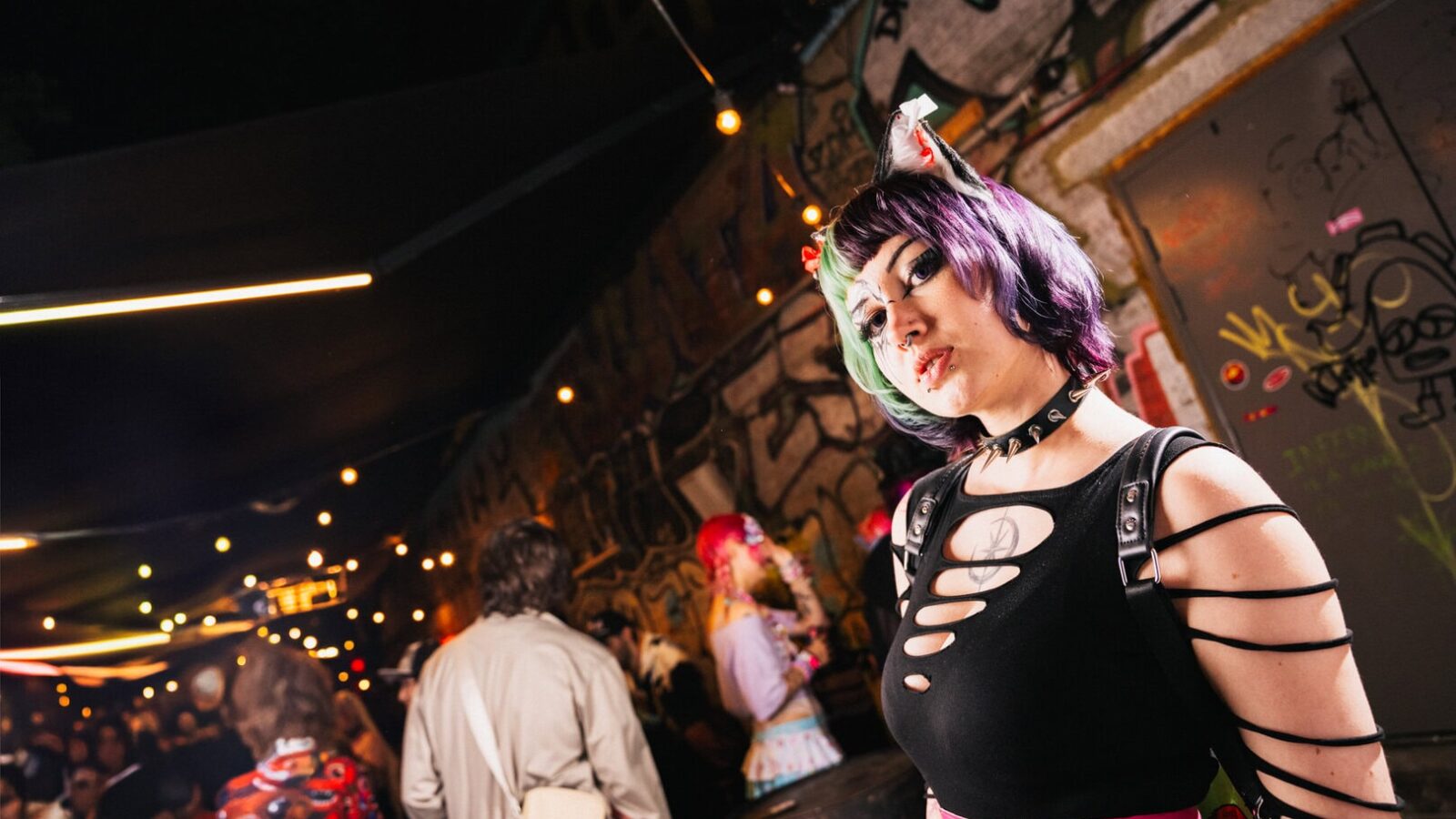
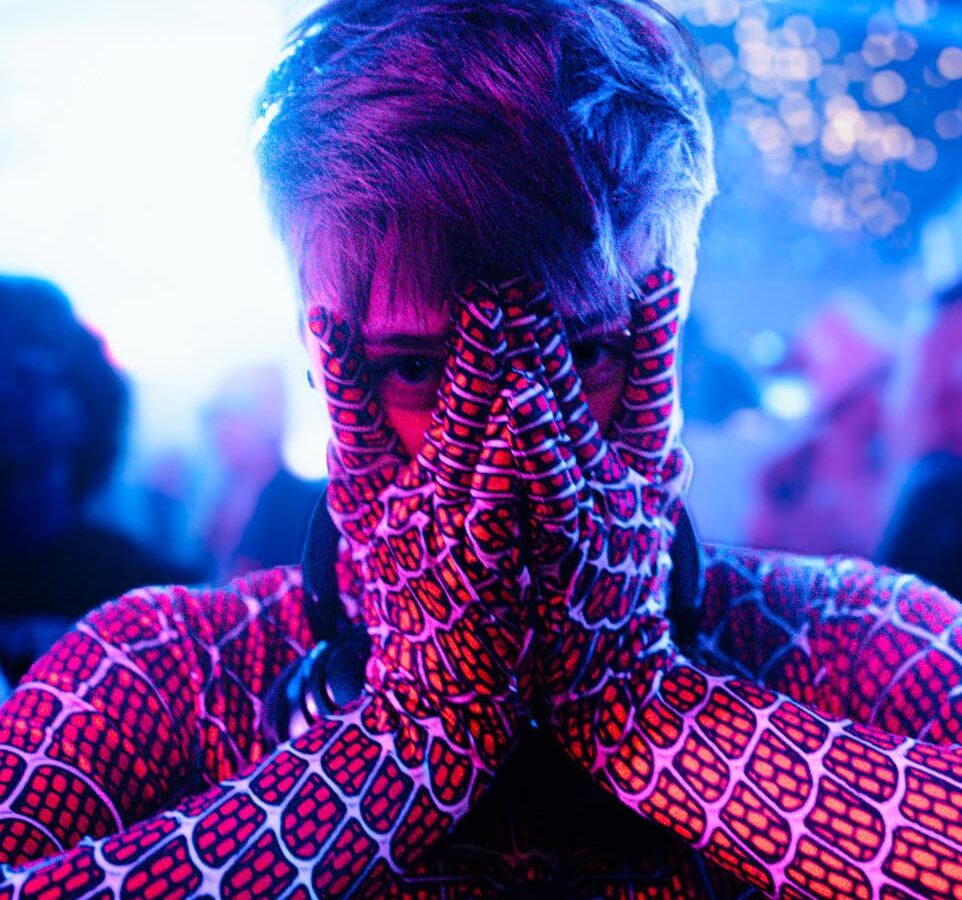
Balls happen in low, dramatic, often coloured light, with constant fast movement, which is technically as hard as event photography gets. A flash that kills the atmosphere is the wrong answer, so it takes someone comfortable shooting fast movement in difficult light using the room’s own lighting.
I work with the venue’s light, embracing the grain and drama that come with it, because that’s the texture of the night. Freezing the action where it counts while keeping the atmosphere alive is the core of the craft here.
Tell me the venue and I’ll know what light I’m working with.
The room, the houses, and the energy
A ball is the crowd as much as the floor, the houses, the shade, the cheering, the judges, the whole charged atmosphere. Capturing that energy tells the story of the night beyond the individual walks, and it’s part of what makes ballroom coverage feel alive.
I shoot the room and the community alongside the performances, so the gallery holds the fierceness and the family both. The sense of houses and chosen family supporting and competing is at the heart of ballroom, and it belongs in the photos.
Both the floor and the room make the night.
Consent and care in the scene
Ballroom is a community space, and many in the room may be navigating outing risk, especially trans performers and attendees. Performers on the floor expect coverage, but the audience and the wider room need the usual care, and I read the space and respect anyone who’d rather not be photographed.
The organisers and houses and I agree how images are used, and I share work back with the community rather than extracting it for a portfolio. Documenting ballroom should serve the scene, not take from it.
Respect for the people is inseparable from respect for the culture.
Where in London
London’s ballroom scene runs in clubs and community venues across the city, including spaces around Hackney. The scene has grown a lot, with active houses and regular balls, and each venue brings its own light and layout.
Wherever the ball is, the approach holds, respect the culture, catch the movement and the looks, hold the energy of the room. The more I know about the night and its categories beforehand, the better I can cover it.
For a sense of how I handle movement and low light, more of my work is at LemonLens.
Turnaround for performers and houses
Walkers and houses want their photos fast, to post the looks and the wins while the night is fresh and to use for their own profiles. A quick set of highlights soon after, with the full gallery to follow, serves the performers and the organisers both.
You get the images in a private gallery you control, easy to share with the houses and the community so everyone has their frames. For a scene that runs on documentation and reputation, timely delivery matters.
The community will want these, so quick, shareable delivery is part of the job.
Prints, archives, and the scene’s history
Ballroom has been under documented and erased for decades, so good photography of the scene does more than feed a feed. It builds a record of the houses, the legends and the nights, which matters to a culture whose history has so often gone unrecorded by the wider world. Many performers and houses value prints and proper archives as much as quick social images.
I am glad to shoot toward something lasting, an archive for a house, a print set for a performer, documentation of a function that will matter in years rather than days. That longer view sits naturally alongside the fast turnaround the scene needs for promo, and the two serve each other.
Whatever the brief, the work is treated as documentation of a serious art form and the community that built it, which is the only way to shoot ballroom honestly.
What it costs
Ballroom coverage in London usually starts around £250 for a night and rises with a longer event, multiple categories to cover thoroughly, or fast delivery. Community budgets are a real conversation, and many photographers work with the scene for love of it.
Every photographer on the queer.photo/ roster sets their own rate, so you'll see a real figure on each profile before you book. You weigh the work against the price together.
For houses and organisers, strong documentation supports the scene’s growth and the performers’ profiles, which makes it worth getting right.
Choosing the right photographer
Hire someone who genuinely understands and respects ballroom culture, can shoot fast movement in low light, and handles the community with care. For this, cultural knowledge matters as much as technical skill, and the wrong photographer can do harm.
Tell us about your ball or your house, and we’ll match you with someone from the roster who’ll shoot the fierceness with the respect it deserves. We aim to reply within a day.
Common questions
Why does cultural understanding matter for ballroom photography?
Because ballroom is a Black and Latino queer and trans tradition with deep history, not a colourful backdrop. A photographer who treats it as exotic spectacle does real harm, so understanding the categories, codes, and community is the first requirement.
How do you catch fast vogue movement?
By knowing vogue well enough to anticipate the peaks, the dip hitting the floor, the spin, the duckwalk, and shooting to the rhythm of each walk. The moves are over in a flash and can’t be repeated, so timing and anticipation are everything.
Will the looks and runway be shot properly?
Yes, with the care a fashion shoot would give, so the effort the walkers put in survives on camera. The photographer lights and times the runway so the looks read in full, which gives performers and houses images for their own profiles.
How is consent handled in the room?
Performers expect coverage, but the audience and wider room get care, since many may navigate outing risk, especially trans attendees. The photographer reads the space, respects anyone who’d rather not be shot, and shares work back with the community.
How much does ballroom and vogue photography in London cost?
From around £250 for a night, rising with a longer event, thorough category coverage, or fast delivery. Community budgets are a real conversation, and each photographer lists their own rate.
Ready when you are. see event options, or find a photographer.