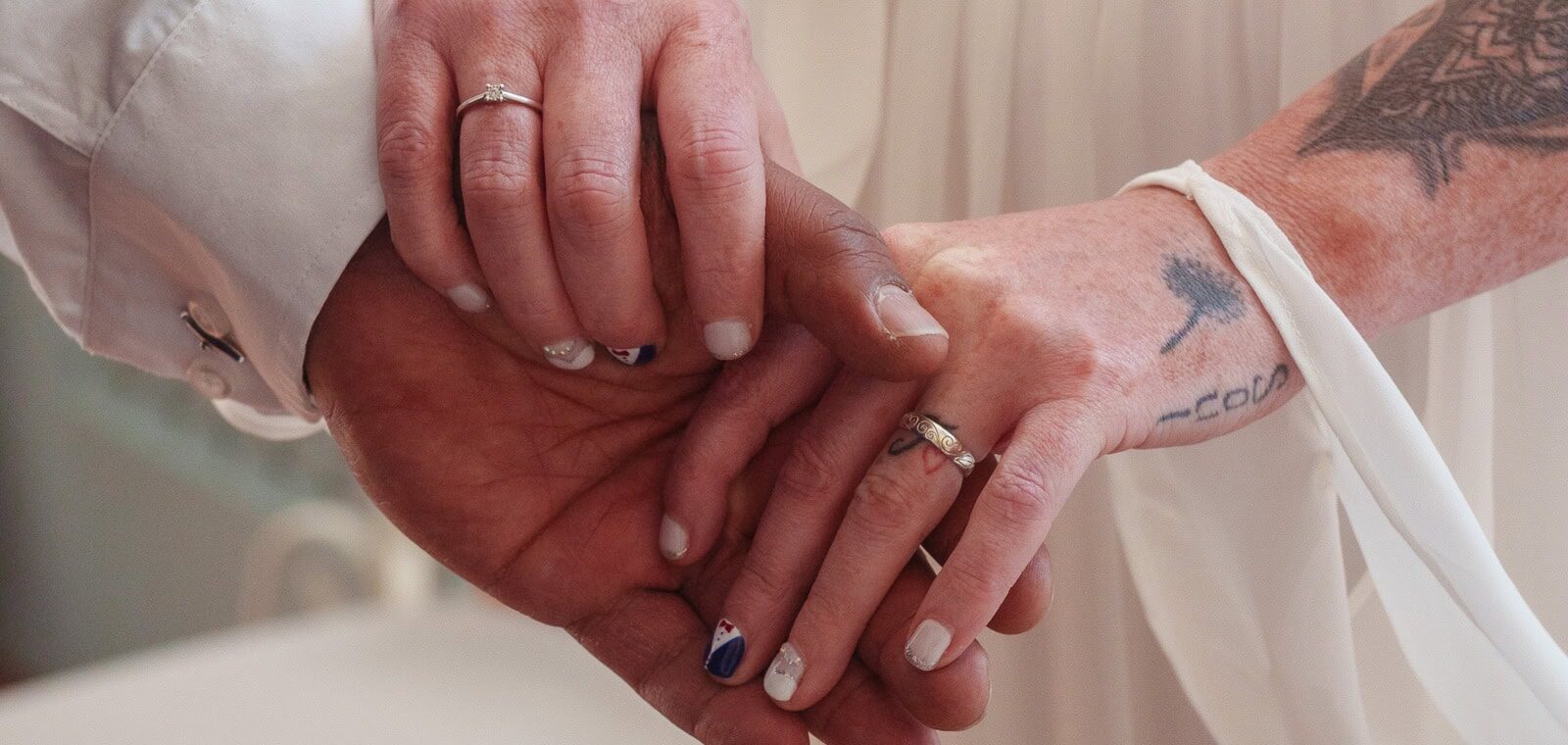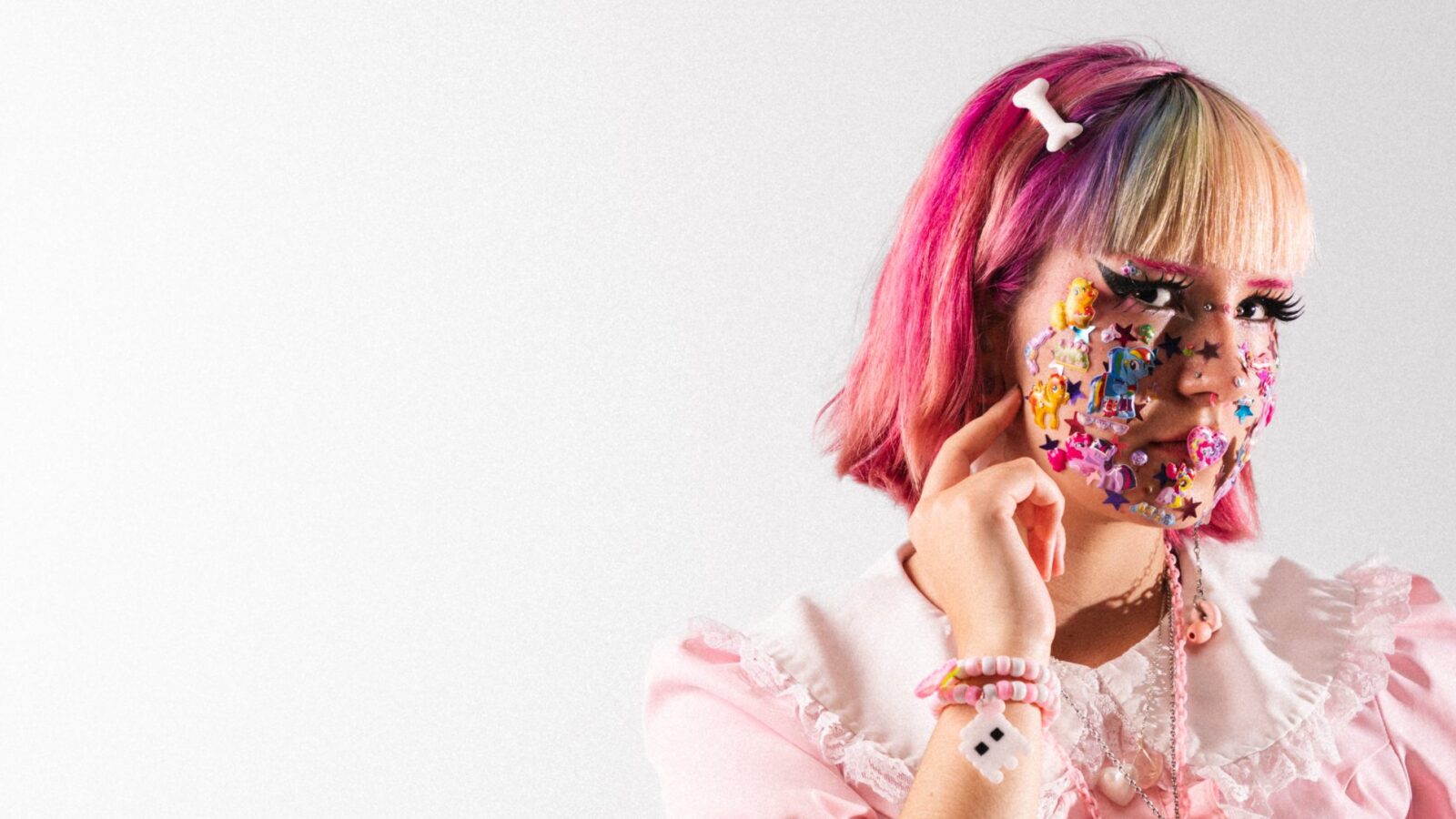
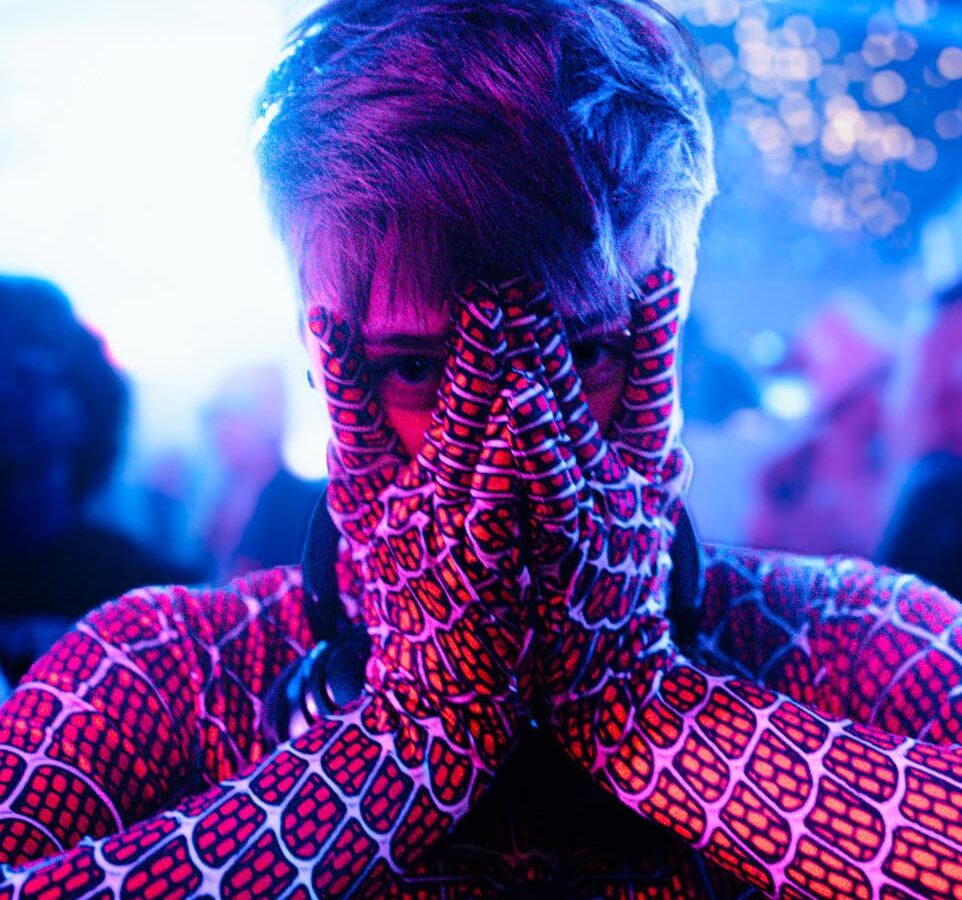
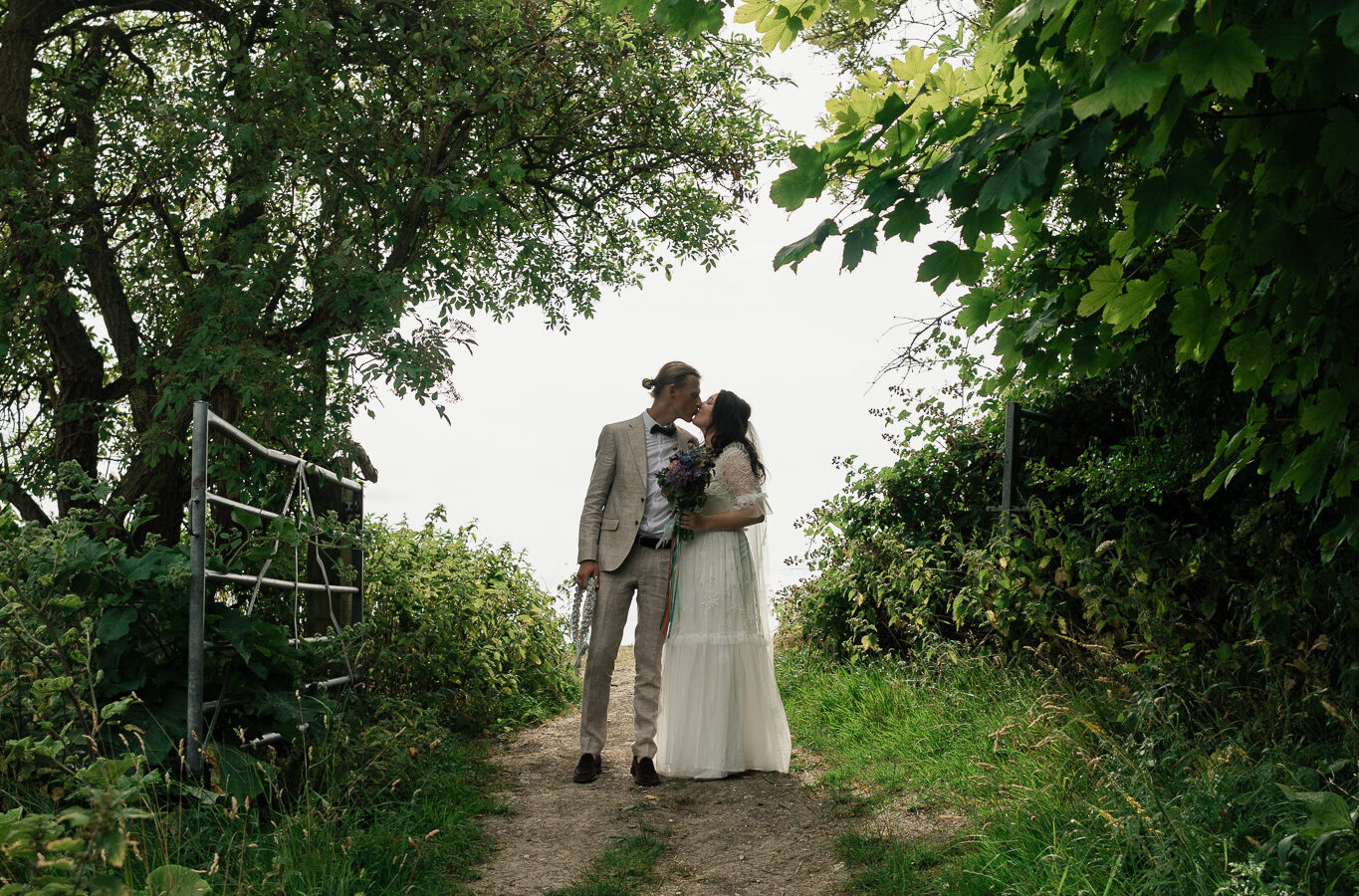
Non-Binary Wedding Photographer in London, for the day that finally looks like both of you
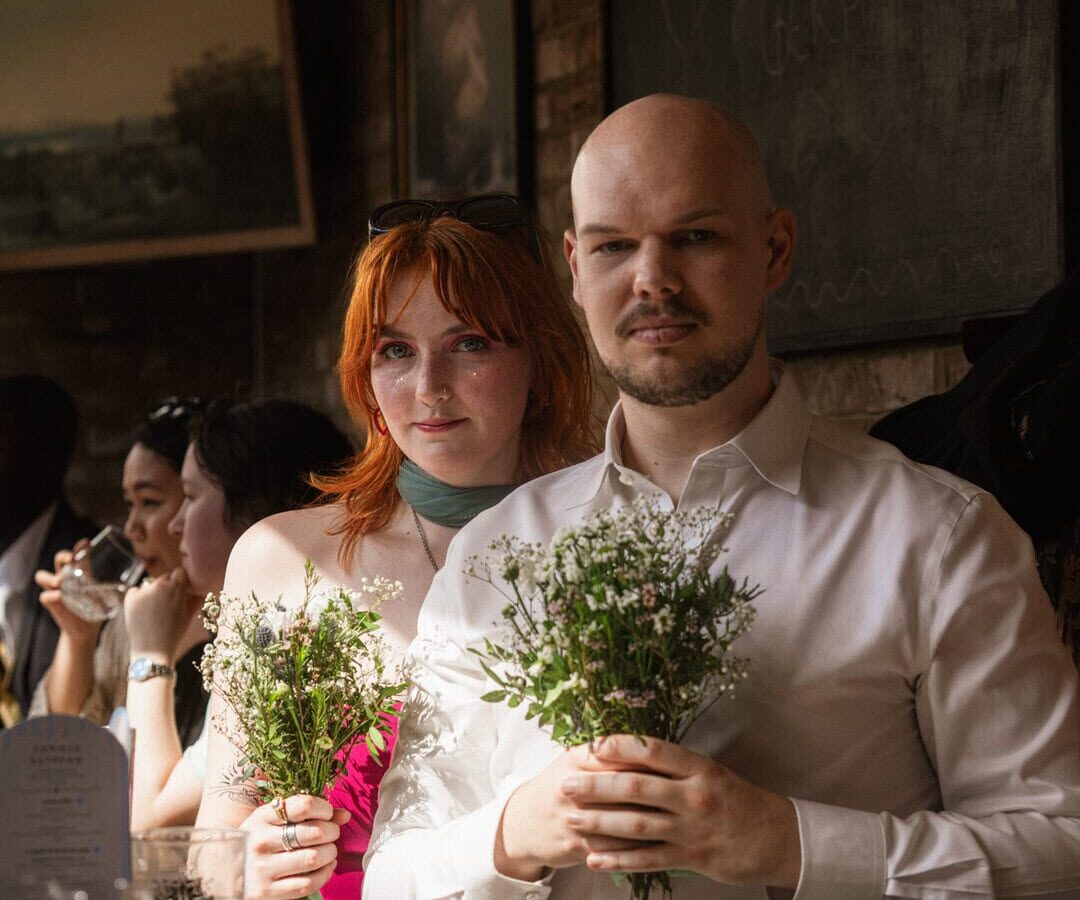
A couple came to the studio a few months before their wedding. They’d had a consultation with another photographer who kept asking which one of them was “more of the bride.” Neither of them is a woman. The photographer wasn’t trying to be unkind. They just had no frame for a wedding that didn’t map onto something familiar.
That’s the gap that comes up again and again. Not hostility, but a vocabulary of assumptions the photographer doesn’t realise they’re carrying: the way they direct posing, the pronouns they default to when they don’t know.
Finding a non-binary wedding photographer in London who’s genuinely across that (not just “LGBTQ friendly” as a checkbox) makes a real difference to how the whole day feels.
The right photographer doesn’t need your day to match a template.
What makes a non-binary wedding photographer different
Most wedding photography assumes a set of familiar roles: the person in the dress and the person in the suit, the gender-coded moments, the speeches that start with “the bride’s father.” When none of that applies, a photographer who’s only ever worked within that structure will try to substitute something approximate for what’s missing.
A photographer who’s been working with non-binary and gender-diverse couples doesn’t do that. They show up knowing your day is its own thing, with their posing approach and how they direct adjusted accordingly.
That shows up in small ways throughout the day. How they introduce themselves. Whether they ask about preferred pronouns before the shots begin, or wait to hear how you introduce yourself to your own guests.
Posing without assumptions
Directing two people for wedding portraits without a gendered hierarchy is a specific skill. Most posing guidance relies on a default: one person turned slightly toward the camera, one slightly behind, one “leaning in,” one “standing tall.” These positions map onto a gendered blueprint that often doesn’t work for non-binary couples at all.
The concrete difference comes in the pre-shoot conversation. Photographers on the queer.photo roster who work specifically with non-binary couples tend to run a 20-minute conversation before the formal portrait session: what poses feel comfortable and what the couple wants to avoid. That conversation does more than any amount of posing on the day itself.
Where it works best is when the photographer spends most of the day in documentary mode and reserves directed shots for a short window once everything’s already settled. By that point, the couple knows whether to trust the direction.
Your ceremony, your structure
Non-binary weddings in London don’t follow one format. You might walk in together. You might have a humanist ceremony with a celebrant you found through your community, a civil ceremony at a London register office, or a ceremony in a venue in Hackney that you’ve shaped from scratch. Whatever the structure, a photographer who knows their way around non-traditional ceremonies will prepare for the key moments without needing everything to match the usual running order.
It helps to walk the photographer through the ceremony programme before the day. There are only a few moments in any ceremony where you genuinely can’t pause, and a good photographer knows where those are and positions themselves accordingly.
Where in London
Most non-binary wedding photography through queer.photo happens across inner London: Hackney, Dalston, Brixton, Peckham, and Shoreditch cover most of the bookings. The Hackney page covers the east London cluster specifically. Civil ceremonies at Hackney Town Hall and Marylebone Town Hall come up regularly, as do venue weddings in Islington and Southwark.
London has a relatively high concentration of humanist celebrants who work regularly with non-binary couples, which means the ceremony itself is often more custom-built than a standard civil one. The weddings page has photographers who work across both ceremony types.
What it costs
Non-binary wedding photography in London through queer.photo starts around £500 for shorter coverage. A full wedding day, including ceremony and reception, typically runs between £1,500 and £2,500 depending on the length of coverage and the photographer’s rate.
Every photographer lists their rate and package details on their profile before you book. There’s no standard package across the roster. For a short ceremony and a small gathering afterwards, half-day rates can sit significantly lower. The booking page is the best place to filter for availability and compare.
The language question
Gender-neutral language during a wedding day isn’t complicated in principle, but it requires the photographer to be paying attention throughout. The practical version is: they use your name when directing, avoid gendered terms unless you’ve used them first, and check pronouns at the start of the day.
It matters for family introductions too. A photographer asking your relative to “stand next to the groom” when that word doesn’t apply is an awkwardness the day doesn’t need. Photographers on the queer.photo roster who work regularly with non-binary couples have usually worked out how to handle introductions in a way that doesn’t make the day feel like an education exercise.
How the day usually flows
Most wedding photography starts with getting-ready shots, moves through the ceremony and portraits, then finishes with reception. For non-binary weddings, the getting-ready section often looks different: two people in the same space, or at separate locations, or with a group of close friends rather than a gendered wedding party.
Block 20 to 30 minutes for couple portraits, ideally in good light. Mid-afternoon if the ceremony wraps by early afternoon, golden hour if timing allows. The post on same-sex and queer wedding photography across the UK has more on how a full wedding day structure tends to work.
Choosing the right photographer
Browse the photographer roster and look for wedding work specifically. Ask whether they’ve photographed non-binary couples before and what their approach to directing is. A photographer who’s been doing this work will have a clear answer. Someone who hasn’t will be vague about it.
Worth checking: do their portfolio images include couples who look like you, or is every frame built around a version of the same binary template? That question isn’t about politics. It’s about whether they have the actual experience.
The book page lets you message photographers directly before committing.
Common questions
Do I need to explain my relationship to a non-binary wedding photographer?
Not in depth. Photographers on the queer.photo roster work with a wide range of queer and non-binary couples. A brief context covering preferred names, pronouns, and any ceremony details that differ from a standard format is genuinely useful. You don’t need to educate anyone from scratch.
How much does a non-binary wedding photographer in London cost?
Through queer.photo, full-day wedding coverage typically starts around £1,500 and rises with duration. Shorter ceremonies with limited reception coverage can start closer to £500. Every photographer’s rate and package is on their profile before you commit.
What’s the difference between a non-binary-friendly photographer and any LGBTQ photographer?
Experience and specificity. A photographer who describes themselves as LGBTQ-friendly may work mostly with gay and lesbian couples and have a more gender-binary posing approach than they realise. A photographer who’s specifically worked with non-binary couples has usually adjusted their whole directing process, not just their vocabulary.
Can I book a photographer for a gender-neutral ceremony in London?
Yes. London register offices, many licensed venues, and humanist and independent celebrants all conduct ceremonies for non-binary couples. Most photographers on the roster have covered civil and humanist ceremonies across east and south London without any issues.
Do photographers on the roster use gender-neutral language during a shoot?
Yes. The expectation is that they use your preferred names and pronouns throughout the day and avoid gendered directing language. Include anything specific in the initial brief when you book, so it’s noted from the start.
Ready to find your photographer? Browse non-binary and queer wedding photographers in London, or message someone directly and book.