LGBTQ club night photography in London, shot in the dark without killing the vibe

A promoter once told me the fastest way to ruin a queer dancefloor is a photographer with a giant flash. One blinding pop and the room remembers it’s being watched. People stop dancing like nobody’s looking, because suddenly somebody is, with a camera, in their face. The night deflates in real time.
Club night photography is a specific skill, and most of it is about staying invisible while still coming back with frames that make people wish they’d been there. Dark rooms, moving bodies, and a crowd that needs to feel safe enough to lose itself.
Here’s how I shoot a queer club night without becoming the thing that kills it.
Why club nights break most photographers
Two things defeat the average event photographer in a club. The dark, and the movement. There’s almost no light, everyone’s moving, and the temptation is to solve it with a harsh flash that flattens the room and announces the camera to everyone.
The better answer is technical and quiet. Fast lenses, a feel for the venue’s own lighting, and timing the shot to the moment the room lights hit rather than fighting them. It takes practice, and it’s why nightlife is its own niche.
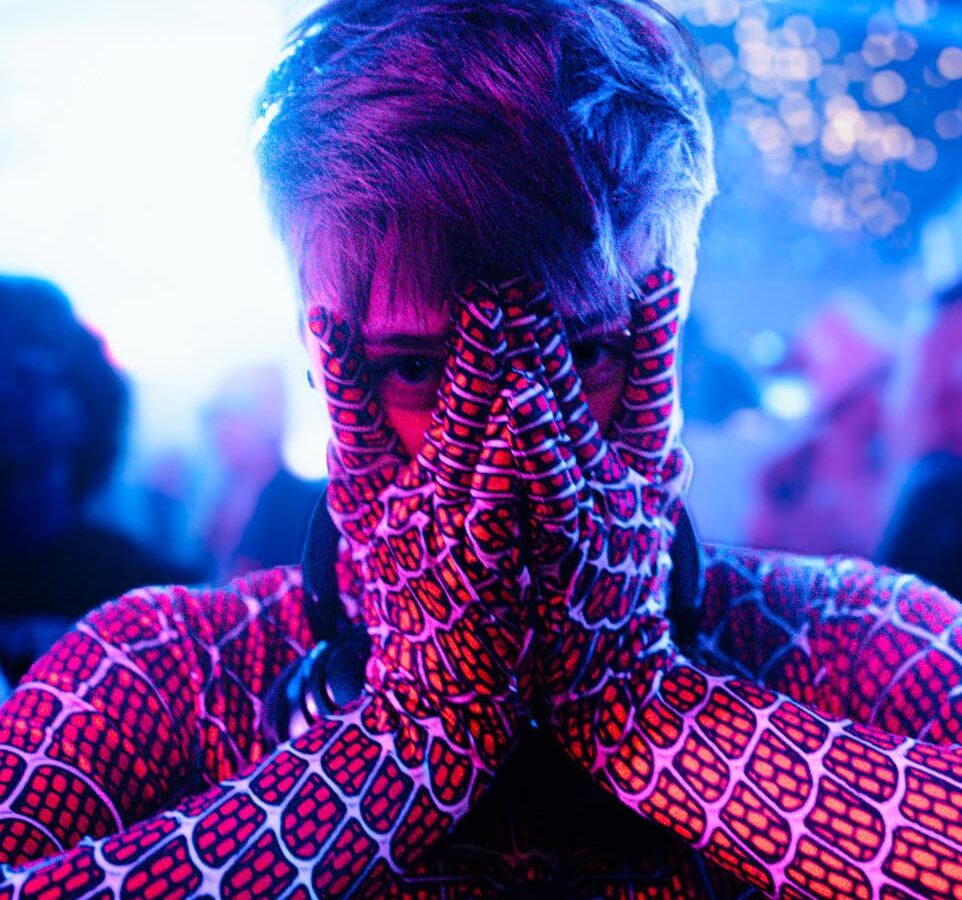
A photographer who shoots clubs reads the lighting rig like part of the kit. The colour wash, the strobe, the haze, all of it becomes the look rather than the obstacle.
Shooting low light without flat flash
When I do use a flash, it’s softened and bounced or dragged with the ambient light so it blends instead of blasting. Most of the time I’m working with what the venue gives me, because that coloured, hazy, moving light is exactly what makes a club photo feel like a club.
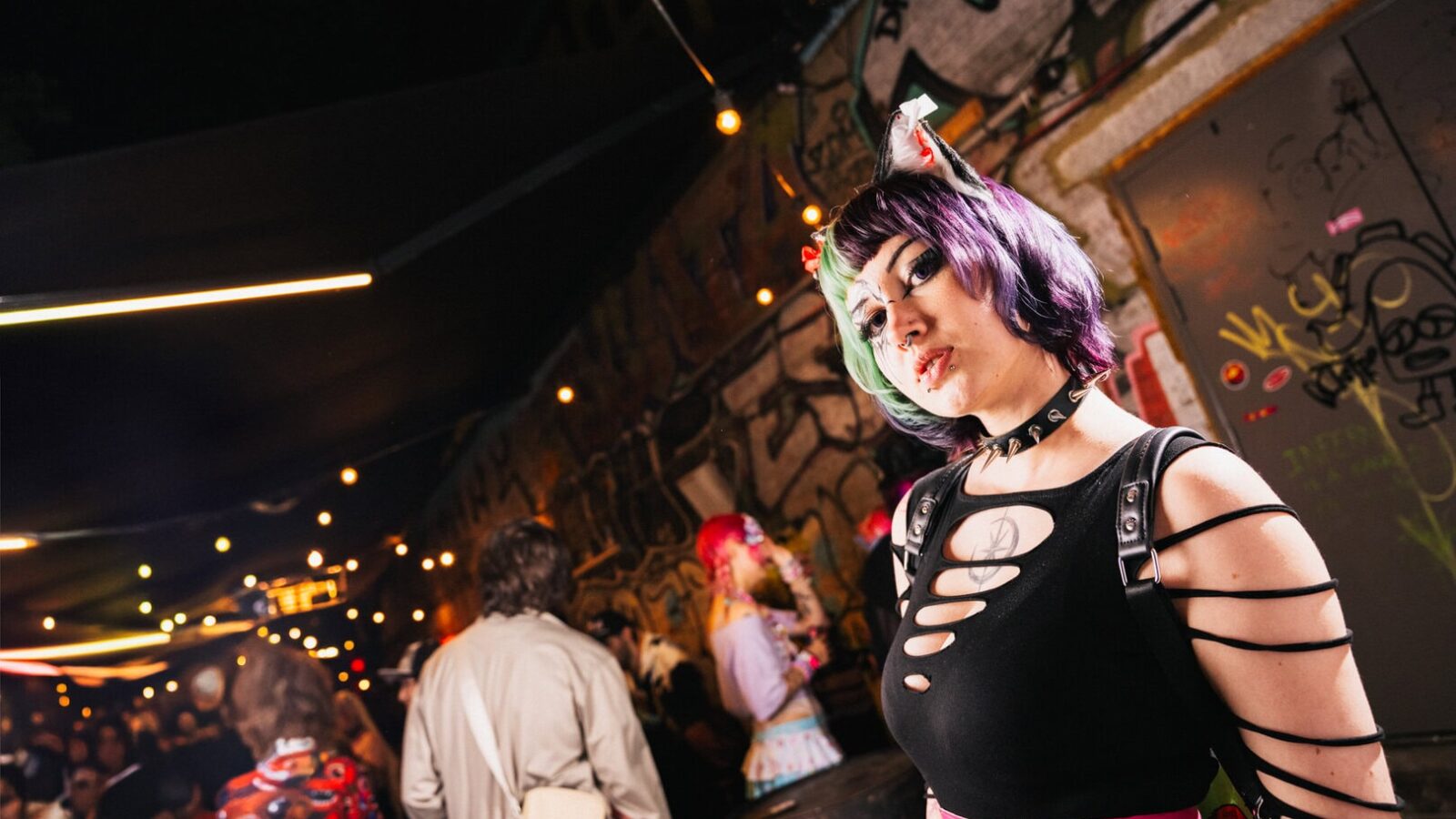
The goal is frames that look like the night felt. Sweat catching the light, a face mid shout on the floor, the DJ lit from below, the crowd as one organism. A clean, evenly lit photo would lose all of that.
It means accepting some grain and some blur, because those are the texture of the room, not mistakes. A pin sharp club is a dead club.
Consent on a dancefloor
Clubs are where outing risk is highest, because they’re where people feel free precisely because they’re hidden. So I shoot the floor with real care. Crowd energy and wide moody frames, yes. Tight identifiable portraits of strangers lost in the moment, only with a read of the room and usually a nod.
Anyone who waves the camera away gets left alone, no negotiation. People are there to escape, and a camera should never make the one safe room feel surveilled.
For promoters, we set a clear policy on what gets posted and tag nobody without thought. The morning after should never bring a panic.
What promoters actually need
If you run a night, the photos do a job. They sell the next one. So the coverage has to capture the thing people are buying, which is the feeling of a packed, joyful, slightly unhinged room they’ll regret missing.
That means the full floor at peak, the queue outside, the performers, the regulars who are basically the brand. A gallery of half empty early shots sells nothing, so I time the real coverage to when the room is alive.
I’ll also get a few clean frames of the space, the decor, the DJ booth, that you can use for listings and posters.
Capturing performers and hosts
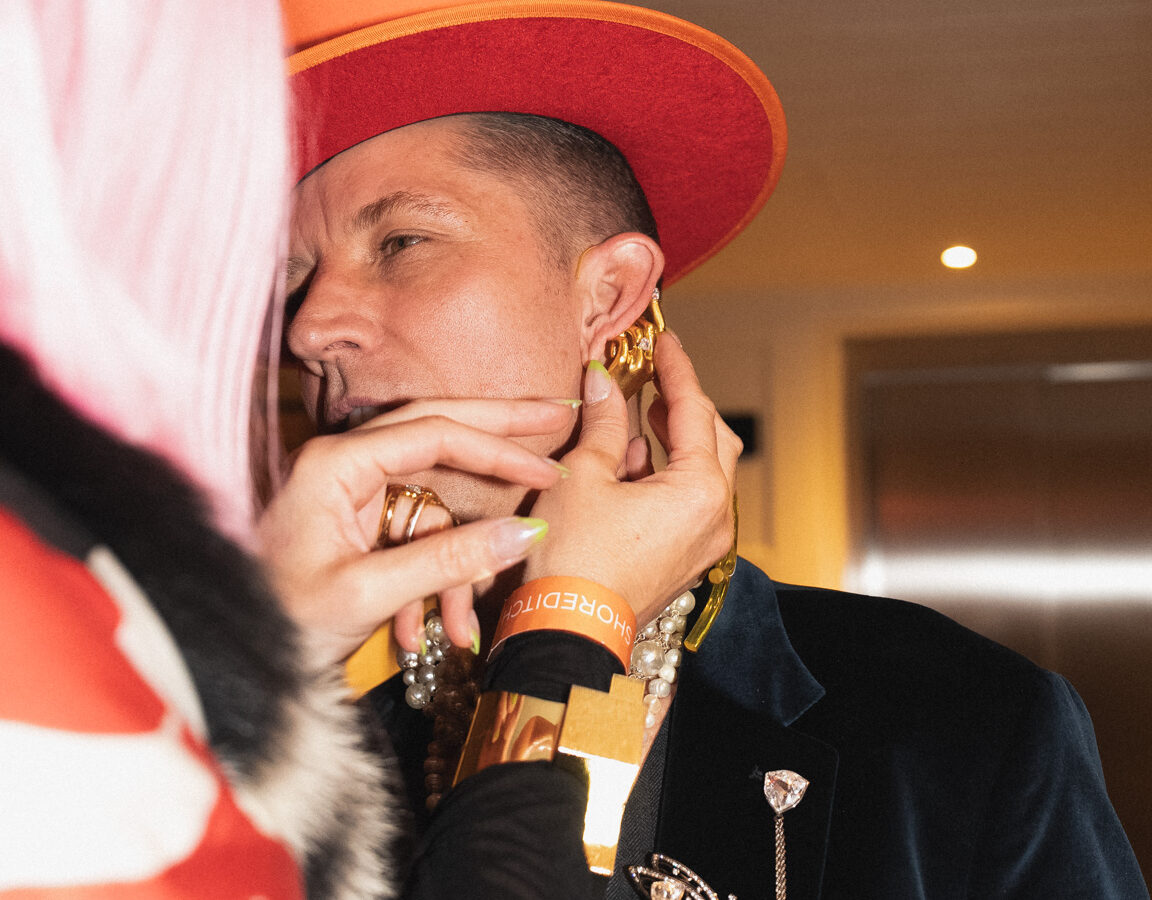
Drag, live acts, hosts, whoever’s running the room from the front, they deserve proper coverage. Stage light is its own challenge, often hard and coloured and changing fast, and shooting it well means exposing for the performer rather than letting the rig blow them out.
I know how stage makeup and costume read on camera, so a performer’s look survives the photo instead of turning to mush. That matters to them and to your promo.
If a specific act is the headline, tell me, and I’ll make sure they’re covered through their whole set.
Where in London
Queer nightlife is scattered across the city and always shifting, from the railway arches and warehouses around Hackney to the long running spots in Vauxhall and Soho. I go where the night is.
Every venue lights differently, so tell me where it is and I’ll know roughly what I’m walking into. A basement with one red bulb needs a different approach to a big rig warehouse, and I’d rather plan than improvise blind.
For a sense of how I handle difficult light, more of my work is at LemonLens.
Working with the night’s flow
A club night has a shape. Quiet build, the tip into busy, the peak, the messy beautiful end. I shoot to that arc rather than burning out early, because the frames that sell the night come from peak, not from the polite first hour.
Tell me the running order, when the headliner’s on, when the room’s expected to fill, and I’ll pace the coverage to be in the right place. A two line schedule is enough.
I’ll also stay out of the staff’s way at the bar and the door, since they’re working and a photographer underfoot helps nobody.
Fast turnaround for nightlife
Club content dies fastest of all. People want to see last night’s photos today, while the high is still on and the next ticket is on their mind. A quick highlight set the next day is worth more than a perfect gallery a week later.
You get the images in a private gallery you control, so you can post, share, and pull anything that needs pulling. With the consent stakes this high, that control is essential.
For a regular night, a steady stream of fresh photos keeps the night’s feed alive between events.
Why a regular photographer becomes part of the night
The promoters who get the best nightlife photos tend to use the same photographer over and over. There’s a reason for that. Someone who shoots your night regularly learns its rhythm, knows your regulars, and clocks the moments that are specific to your room rather than generic club shots.
They also become a trusted face on the floor, which matters more than it sounds. When the crowd recognises the photographer and knows they’re sound about consent, people relax around the camera instead of bristling, and the photos get better as a result.
Over a few months you build an archive that tells the story of the night as it grows, which is gold for anniversaries, promo, and pitching to venues or sponsors. A one off shoot can’t give you that continuity. If you run something recurring, it’s worth thinking past a single booking, and most photographers will offer a better rate when they know it’s an ongoing thing rather than a one night job.
What it costs
Club night coverage in London usually starts around £200 for a few hours and rises with a longer night, multiple rooms, or next day delivery. Late finishes and tough conditions are part of why nightlife sits where it does.
Every photographer on the queer.photo/ roster sets their own rate, so you'll see a real figure on each profile before you book. You weigh the work against the price together.
For a recurring night, it’s worth asking about a regular arrangement that keeps your promo stocked.
Choosing the right photographer
Hire someone whose nightlife work actually looks like a club, alive, dark, full of feeling, rather than flat flashed snapshots. And someone who clearly respects the floor and the people on it.
Tell us about your night, the venue, and the crowd, and we’ll match you with someone from the roster who can disappear into the room and still bring back the goods. We aim to reply within a day.
Common questions
Won’t a photographer with a flash ruin the dancefloor?
A bad one will. A nightlife photographer mostly works with the venue’s own light and, when flash is needed, softens and blends it so it doesn’t blast the room. The aim is to stay invisible while still getting frames that sell the night.
How do you handle consent in a dark club?
With extra care, since clubs are where outing risk is highest. Wide crowd energy is fine, identifiable close portraits get a read of the room and usually a nod, and anyone who waves the camera away is left alone, no question.
The photos look grainy and a bit blurry. Is that wrong?
No, that’s the texture of a real club. A pin-sharp, evenly lit dancefloor looks dead. Some grain and motion are what make the frame feel like the night actually felt.
We run a regular night. Can we set up an ongoing arrangement?
Yes, and it’s worth it. A steady stream of fresh photos keeps your feed alive between events. Ask about a regular arrangement when you book.
How much does club night photography in London cost?
From around £200 for a few hours, rising with a longer night, multiple rooms, or next-day delivery. Each photographer lists their own rate, so you see the number before booking.
Ready when you are. see event options, or find a photographer.