LGBTQ engagement photographer in the UK, and why the daylight runs out sooner in Glasgow
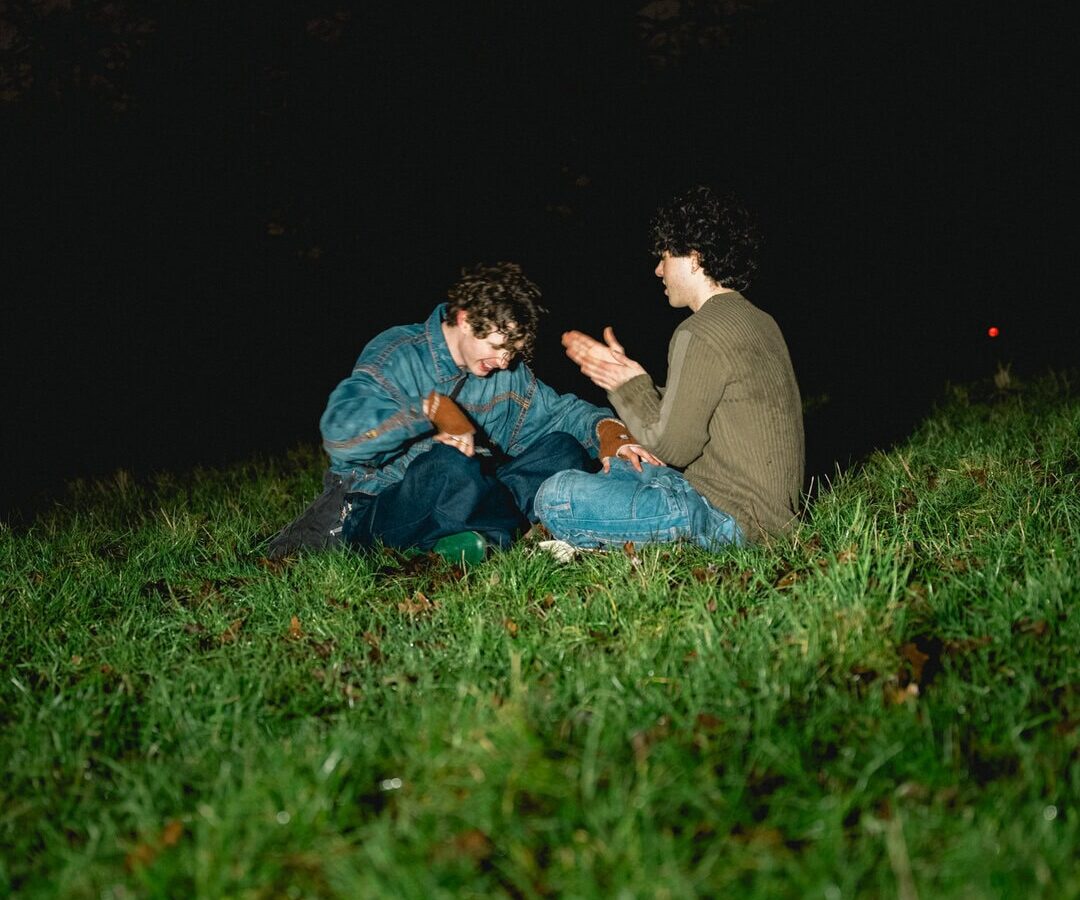
A couple in Leeds asked me one November whether they could get their engagement pictures done that weekend. They had got engaged on the Friday and wanted the save-the-date posted before Christmas, which was the right instinct. The difficulty was the weekend itself. Sunset on the Saturday fell at ten to four, and they both worked until five.
We did it three weeks later on a Sunday morning instead, and it was better.
Finding an LGBTQ engagement photographer in the UK is rarely the hard part. There are plenty of good ones now, in most cities. What there is a limited supply of is daylight, and almost nobody plans around it.
Work backwards from the save-the-date
Most couples in Britain send save-the-dates somewhere between nine and twelve months before the wedding. Invitations follow much later, usually eight to twelve weeks out.
Which means the engagement shoot has to happen before the save-the-date, not whenever the weather turns nice. For a July wedding your card goes out around the previous autumn, so the pictures on it were taken in September or October at the latest.
Your summer wedding gets announced with autumn photographs. That’s normal. Stop trying to make the seasons match and the whole thing gets easier to schedule.
The daylight runs out sooner in Glasgow than it does in Brighton
Something that matters more than couples expect, and that photographers in the south routinely underestimate.
In the week before Christmas, Glasgow gets somewhere around seven hours of daylight and Brighton gets closer to eight. The sunset times aren’t wildly different, but the sunrise is: it’s properly dark in Scotland until nearly nine in the morning. A midwinter shoot in Edinburgh has a usable window of perhaps three hours, and it sits squarely inside the working day.
The reverse holds in June. An evening shoot in Glasgow means meeting your photographer at nine at night, because that’s when the light finally goes soft. Down in Bristol you’d be starting an hour and a half earlier.
So the honest advice for anywhere north of Manchester is to book weekend mornings between November and February, and evenings the rest of the year.
What the pictures actually get used for
The gallery is not the point. Two or three pictures out of it do nearly all the work.
One goes on the save-the-date, cropped to whatever shape the printer wants. Another usually ends up enlarged somewhere at the wedding itself, on a welcome sign or a seating plan. A third gets sent to whichever relative asks for one, and that relative will print it badly.
Tell your photographer this at the start, because it changes how they shoot rather than just how they edit. Someone working for a card leaves space around you for the text, and hands you a version that still holds up after a stationery company has cropped it square and run your names across the middle of it.
Across the UK, and who travels to whom
Photographers on the queer.photo roster are based all over the country. The biggest clusters sit in London and Manchester, with Bristol and Glasgow close behind and a scattering everywhere else. Most will travel, and travel is usually charged at cost rather than marked up.
For an engagement shoot, though, hiring locally is generally the better call. The session is an hour or two, so a photographer coming three hundred miles for it adds a fee out of proportion to the booking.
The exception is when you want the same person doing the wedding. In that case bring them to you for the engagement shoot even if it costs more, because the point of the day is that you both get comfortable with each other well before it matters. I’ve written more about that in the piece on couples photography across the UK.
The people who aren’t out yet
Something worth settling before anything gets posted anywhere. A save-the-date goes to a list, and lists include colleagues, older relatives and the friend of a friend who runs a group chat.
Plenty of couples are entirely out and think none of this applies. Then a card lands on a desk in an open-plan office and it turns out one of you had not quite got round to telling the finance team.
Decide who sees the pictures and where they get posted. A decent photographer will ask you rather than putting the gallery on their website and finding out afterwards.
Where to shoot, and why a landmark is usually wrong
The instinct is to pick somewhere impressive. A beach, or the old dock in whichever city you happen to live in.
Landmarks photograph as themselves. Stand in front of a famous building and the building wins, and you end up with a nice picture of a building that happens to have you in it.
Pick somewhere you already go. The walk you do on Sundays. The pub garden where one of you asked. Those places make you behave normally, which is the entire technical challenge of photographing two people who aren’t models.
What it costs
Engagement sessions across the UK usually start around £500 for an hour or two with an edited gallery, and many photographers will knock some or all of it off if you go on to book them for the wedding. Ask about that directly, because plenty offer it and few advertise it.
Travel outside a photographer’s home city is added on top, normally at cost. Every photographer on the roster sets their own rate and shows it on their profile, so you can compare before making contact rather than after.
A shorter session at a lower price is a perfectly reasonable thing to ask for.
Choosing the right fit
Look for couples in the portfolio who are the same shape as you. Two women, two men, a couple where one partner is trans, whatever applies. Not because a photographer needs matching credentials, but because posing two people of similar height is a genuinely different skill from arranging the tall-one-behind-the-short-one setup that most wedding work is built on.
Then ask how they handle it when one of you hates being photographed. There’s usually one of you. The answer to that question is more informative than any amount of portfolio.
Every photographer on the roster answers both of those questions happily, and the weddings page shows who covers which part of the country.
Common questions
When should we do our engagement shoot?
Before your save-the-dates go out, which for most UK couples is nine to twelve months before the wedding. That usually means shooting in a different season from the wedding itself. Autumn photographs on a card for a July wedding are completely normal.
How much does an LGBTQ engagement photographer in the UK cost?
Sessions usually start around £500 for one to two hours with an edited gallery. Many photographers deduct some or all of that fee if you book them for the wedding as well. Travel outside their home city is normally added at cost, and each photographer on queer.photo shows their own rate on their profile.
Do photographers travel for engagement shoots?
Most on the roster do, and travel is usually charged at cost rather than marked up. For a session of an hour or two, hiring locally is often cheaper. The exception is when you want the same photographer for your wedding.
What time of day should we shoot in winter?
Weekend mornings, particularly anywhere north of Manchester. Glasgow gets about seven hours of daylight in late December against nearly eight in Brighton, and it stays dark in Scotland until close to nine in the morning, so a midwinter session there has a usable window of roughly three hours.
Where is the best place for an engagement shoot?
Somewhere you already spend time, rather than a landmark. Famous backdrops photograph as themselves and reduce you to figures standing in front of them. A familiar street or walk makes both of you behave naturally.
Can we keep the photos off social media?
Yes. Say so at the enquiry stage and a photographer will keep the gallery private and leave it out of their portfolio. This matters if anyone on your save-the-date list doesn’t yet know, since a printed card travels further than you expect.
Ready when you are. see wedding options, or find a photographer.