LGBTQ Event Photography in London, and the fifteen photos you’ll actually use
An organiser messaged me at nine the next morning asking for five photos. The awards night in Peckham had finished at eleven, there were about four hundred shots on the card, and she needed something for the funder’s newsletter by lunchtime.
She got them. That morning-after scramble is the part most people booking LGBTQ event photography in London never think to ask about, and it matters more than most of what’s sitting in the portfolio.
The turnaround is worth as much as the night itself.
The morning after is the real deadline
An event’s shelf life online is about two days. Post on Thursday about a Tuesday night and half the room has already moved on.
So agree a two-stage delivery when you book. Ten edited photos by the next morning and the full set within five working days, which is the standard most London event photographers already work to.
Put that in the email. It costs nothing and it’s the single thing that changes whether the photos get used.
How many photos does an event actually need?
Organisers tend to ask for everything and then use fifteen. A three-hour evening gives you somewhere between eighty and a hundred and fifty edited photos, and the honest answer is that most of them exist for the archive rather than for anything you’ll post.
Work out what the photos are for before the night. A grant report needs different pictures from an Instagram carousel, and a photographer who knows which one you’re feeding will shoot it differently from the first hour.
Photos that prove the room was full
The hardest picture at any event is the wide one that makes the turnout look good. Rooms empty out gradually and nobody notices it happening, so by the time someone thinks to ask for a group shot there are forty people left and a lot of visible carpet.
Anyone who’s shot a few of these gets it in the first hour, usually from a chair. If your photographer walks in and asks where they can stand high up, that’s a good sign.
The consent problem nobody plans for
Not everyone at a queer event is out to their family or their employer. A photo that ends up on a public account can cost someone a job or a relationship they were still working out how to protect, and the person it lands on is rarely the person who booked the photographer. Nobody ever means for it to happen.
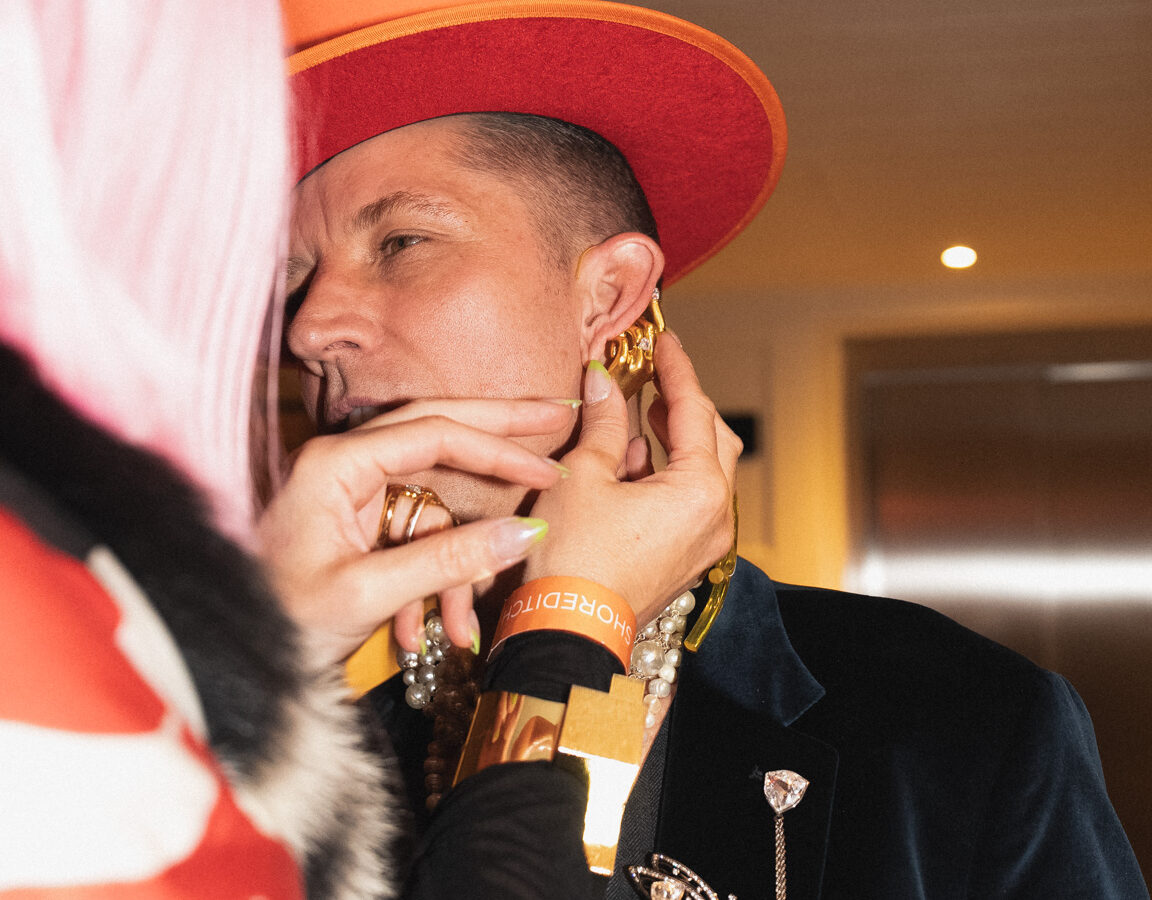
Sort it at the door. Coloured wristbands work, or a sticker on the badge, with one colour meaning please don’t photograph me and a volunteer explaining it in a line as people arrive. Ten minutes of setup removes the whole problem for the evening.
Brief the photographer on it before guests arrive rather than mid-event. Stonewall has useful background on why outing risk still shapes how people behave at LGBTQ+ gatherings, and it’s worth reading if you’re new to organising.
Dark rooms, and whether you can use flash
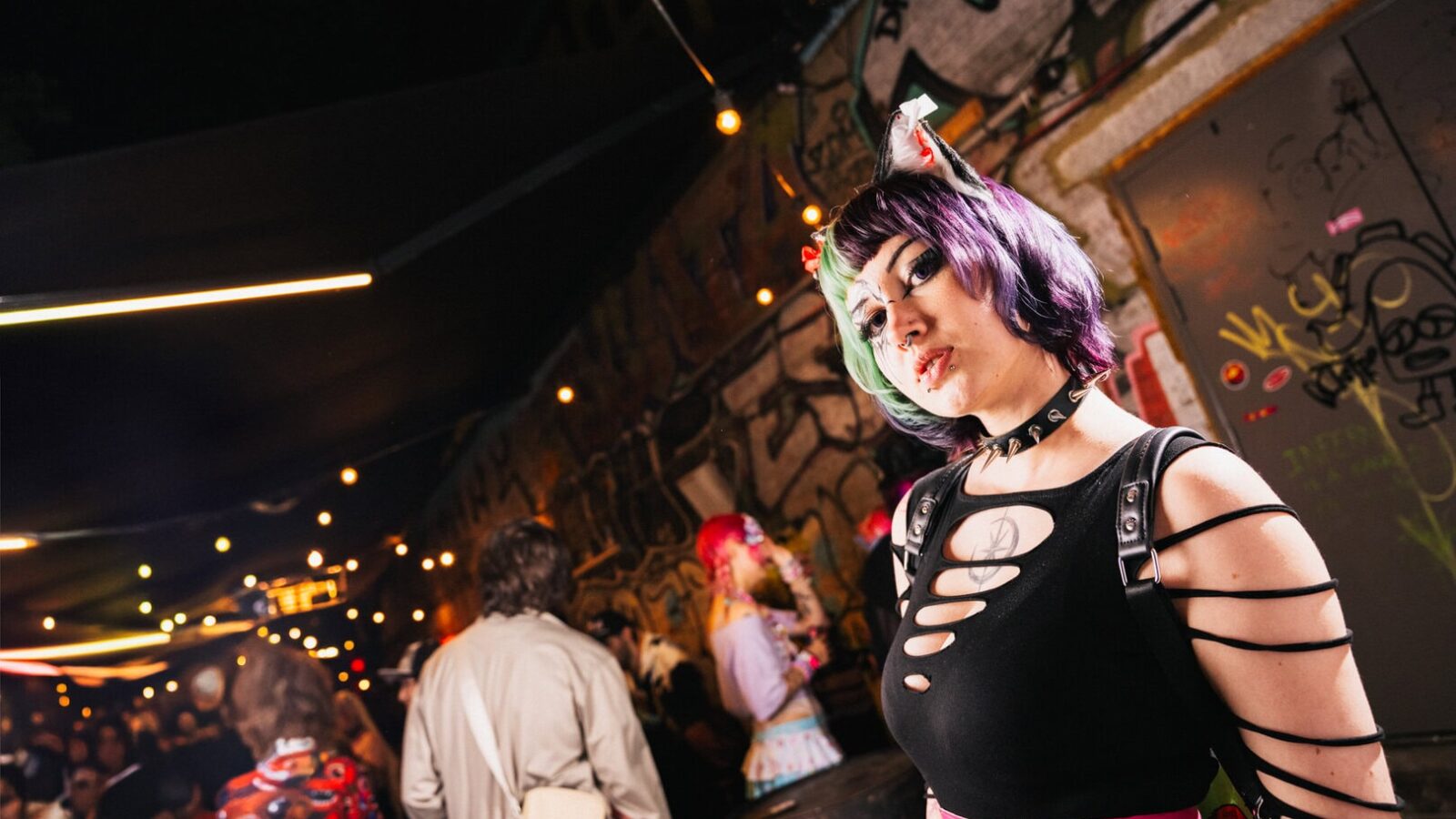
Most London venues that host queer events are dim by design. Railway arches and basement bars look brilliant in person and give a photographer almost nothing to work with.
Ask the venue two things before the night. Whether they allow flash at all, and whether the photographer can put a light somewhere that isn’t a fire exit. Some spaces ban it outright and some crowds hate it, so a photographer who finds that out at eight o’clock has already lost the first hour.
Where in London these happen
Dalston and Hackney still carry the most queer programming, in community halls and in the arches under the railway. The Hackney photographers on the roster work those rooms most weeks and know which ones need a light bringing in.
Peckham has grown enormously for community events and fundraisers. Soho stays reliable for anything work-adjacent or press-facing, while Bethnal Green and Deptford pick up most of the smaller grassroots nights.
What LGBTQ event photography in London costs
Event coverage on queer.photo usually starts around £500, which typically buys the first couple of hours before a photographer adds further hours on top. That sits in line with the wider London market, where most professional event photographers charge somewhere between £500 and £1,500 for an evening.
Every photographer on the roster sets their own rate and shows it on their profile, so you can compare before you enquire rather than after. Fast turnaround and a second photographer are the two add-ons that move the price most.
You can see event coverage across the roster with rates on each profile.
Finding the right fit
For events, pick on temperament before portfolio. Someone who can make a room of strangers forget they’re there beats a technically stronger photographer who needs everyone to pose.
Send them the running order a week ahead and name the two or three moments you cannot miss. Our post on queer community events in London covers the smaller grassroots end of this in more detail.
Common questions
How much does LGBTQ event photography in London cost?
Event coverage on queer.photo usually starts around £500 for the first couple of hours, and photographers add further hours on top of that. This matches the wider London market, where most professional event photographers charge between £500 and £1,500 for an evening. Every photographer on the roster sets their own rate and shows it on their profile before you enquire.
How quickly will I get the photos back?
Five working days is the normal full-set turnaround in London, and many photographers can send a small selection within 24 to 48 hours. Ask for both when you book: around ten edited photos by the next morning for social media, then the complete gallery within the week.
How do you handle guests who don’t want to be photographed?
Use a visible opt-out at the door, such as a coloured wristband or a sticker on the badge, and brief your photographer before guests arrive so that anyone wearing it stays out of the photos. This matters at LGBTQ+ events because not everyone is out to their employer or family, and an experienced photographer will already expect you to have a system.
How many photos should I expect from an evening event?
A three-hour event usually produces between eighty and a hundred and fifty edited photos. Most organisers use around fifteen of them.
Do I need to book a photographer for the whole event?
Rarely. Two hours covering arrivals and the speeches gets you nearly everything you’ll use, because the last hour of most events looks like an emptying room. Book longer only if something specific happens late, such as an award or a performance.
Can the photographer work without flash?
Yes, though it depends on the venue. Modern cameras handle dim railway arches and basement bars far better than they used to, but a photographer working without flash in a very dark room will produce a grainier, moodier set. Ask the venue whether they allow flash and tell your photographer the answer before the night.
Ready when you are. See event options, or find a photographer.