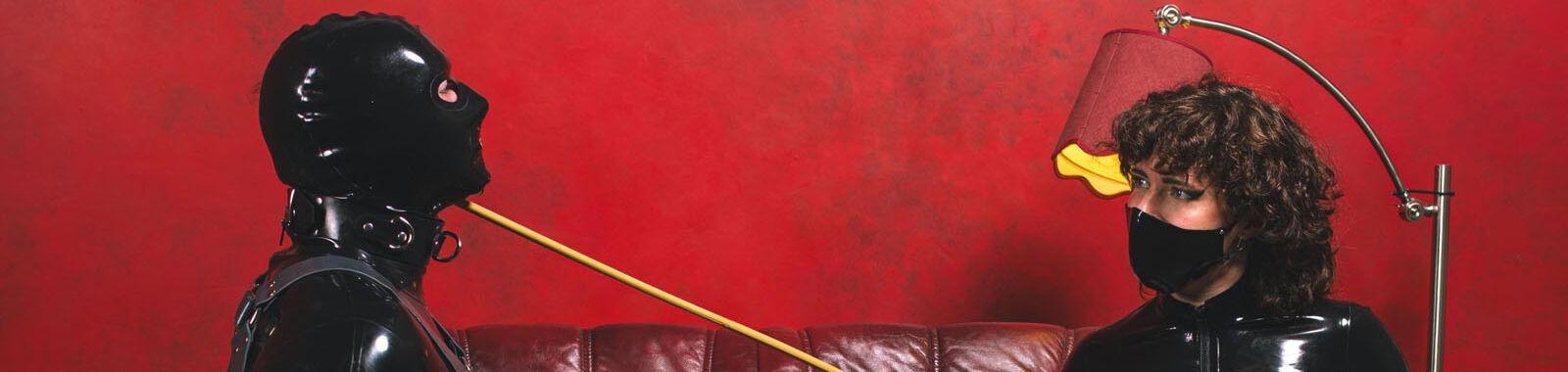
Queer festival photography in London, the whole sprawling weekend
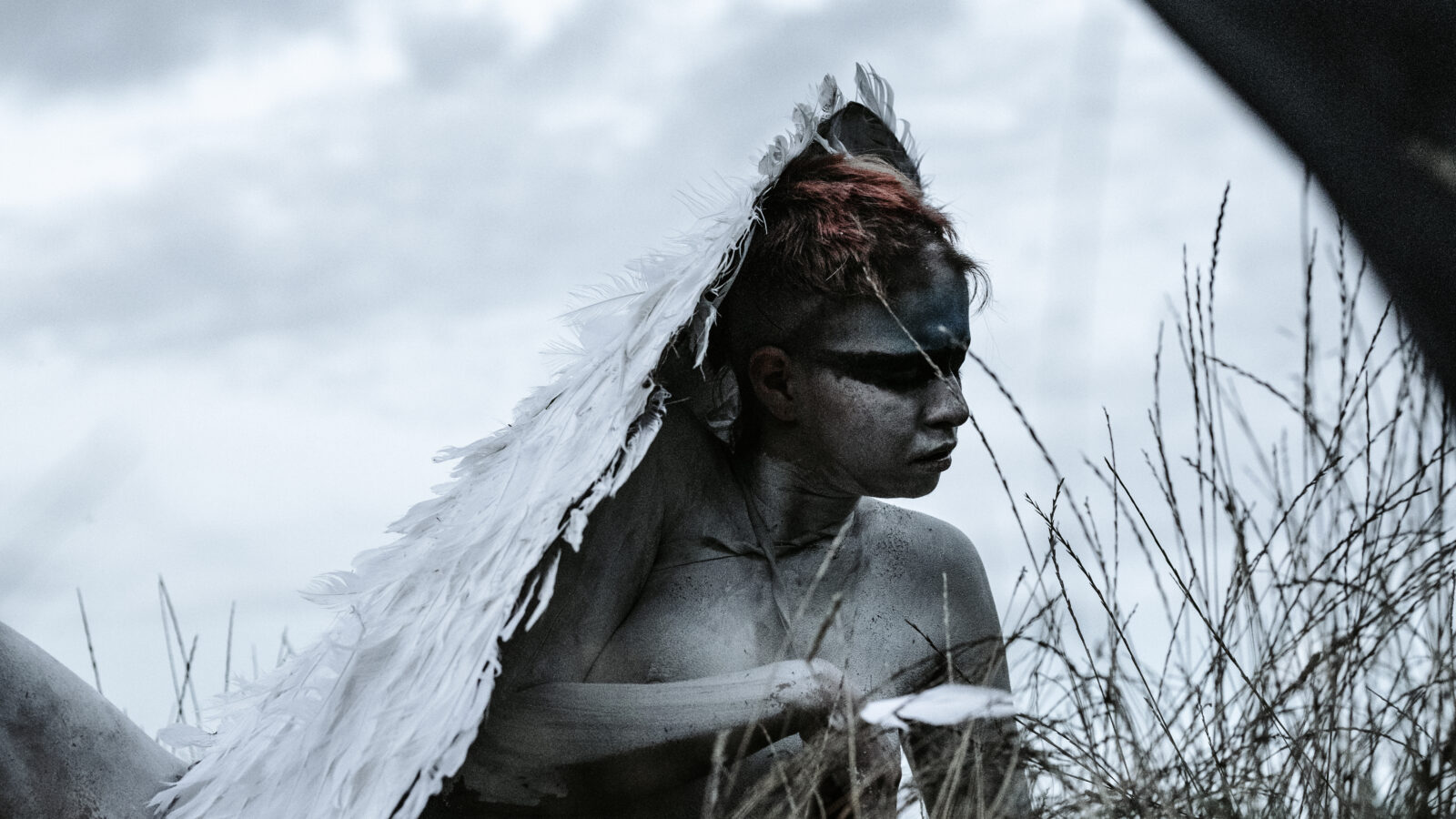
A festival organiser hired me after the previous year’s photographer had spent the whole day at the main stage and come back with nothing from the rest of the site. The cabaret tent, the community area, the food stalls, the smaller acts that made the festival special, none of it existed in the photos. The coverage made a rich, sprawling weekend look like a single gig, which was useless for selling the full experience to next year’s crowd.
Festivals are the most logistically demanding events to shoot, a huge site, multiple stages, thousands of people, and a best moment always happening somewhere you’re not. Covering one well means planning like a campaign, moving fast, and capturing the whole experience rather than one corner of it. For a queer festival, that experience is the product, and the photos are how it’s sold and remembered.
The coverage has to hold the whole weekend rather than only the headliner.
Why festivals are their own challenge
A festival is many events at once, spread across a site, running for hours or days. No photographer can be everywhere, so the job becomes about choosing what matters and being in the right place ahead of it. Planning beats fast shooting here, because the day is too big to wing.
The conditions are punishing too, harsh sun, dust or mud, fading light into night, constant movement. A small, mobile setup and real stamina are the only way to cover the ground and stay sharp across a long day.
Knowing how a festival flows is what separates full coverage from a few good frames in one spot.
Covering the whole site
The best festival coverage captures the full experience, the main stage and the small one, the performers and the punters, the community areas, the stalls, the quiet corners, the chaos of the crowd. That breadth is what sells the whole festival rather than one act.
I plan a route around the programme so the key moments across every stage are covered, while leaving room to chase whatever’s happening. A festival gallery should let someone who wasn’t there feel the scale and variety of the weekend.
For a big site, this often means a second photographer, which we can arrange so nothing is missed.
Performances across stages
The acts are a core part of it, and festival stages bring difficult, changing light and fast sets. Catching each act at its peak means knowing the timetable and being in position, because a set is over before you can come back to it.
I shoot the performers so their moments and looks land, working with the stage light rather than against it. For the acts and the festival both, strong performance photos are gold for promo and press.
Tell me which stages and acts matter most and I’ll build the route around them.
The crowd and the atmosphere
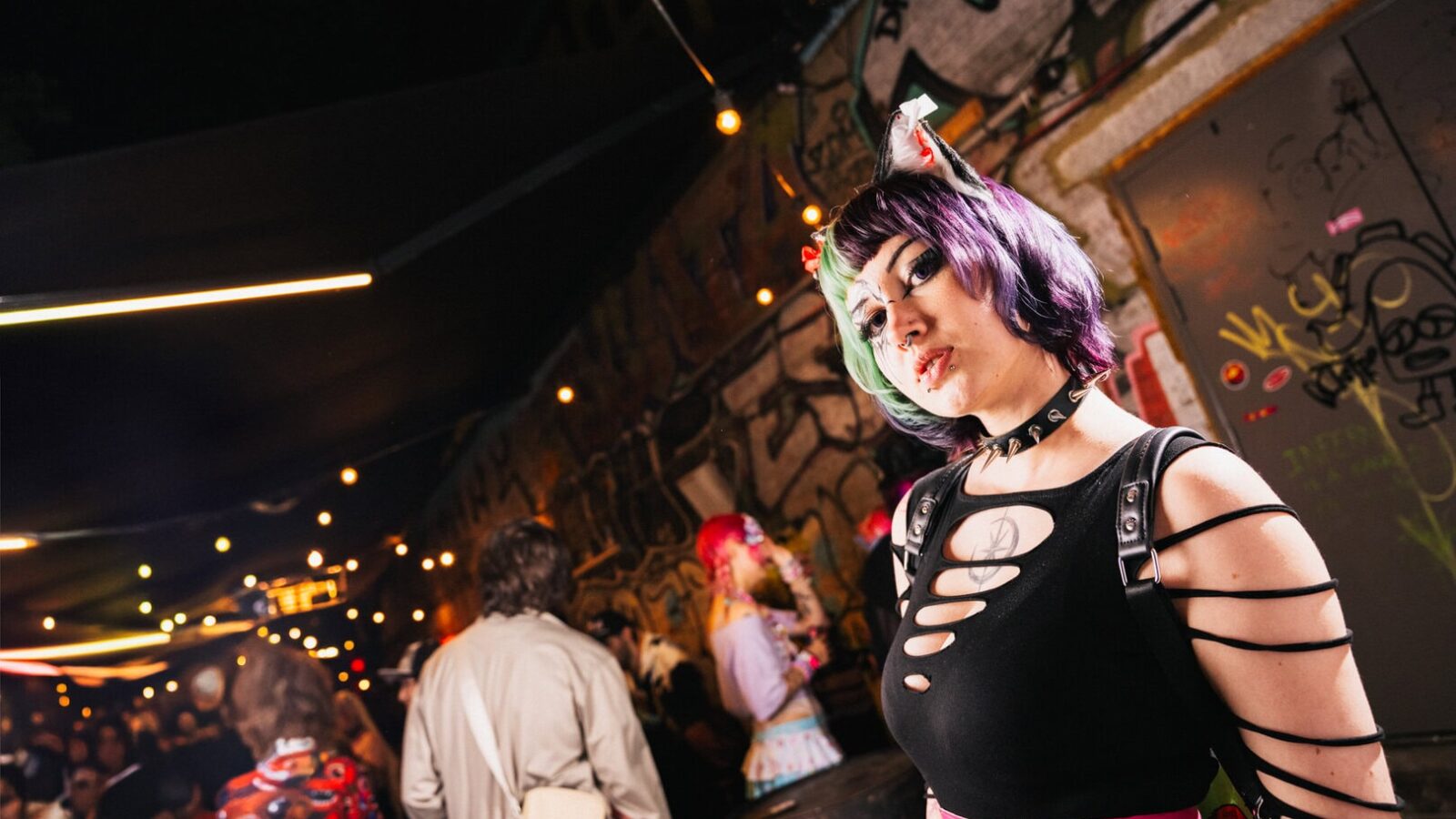
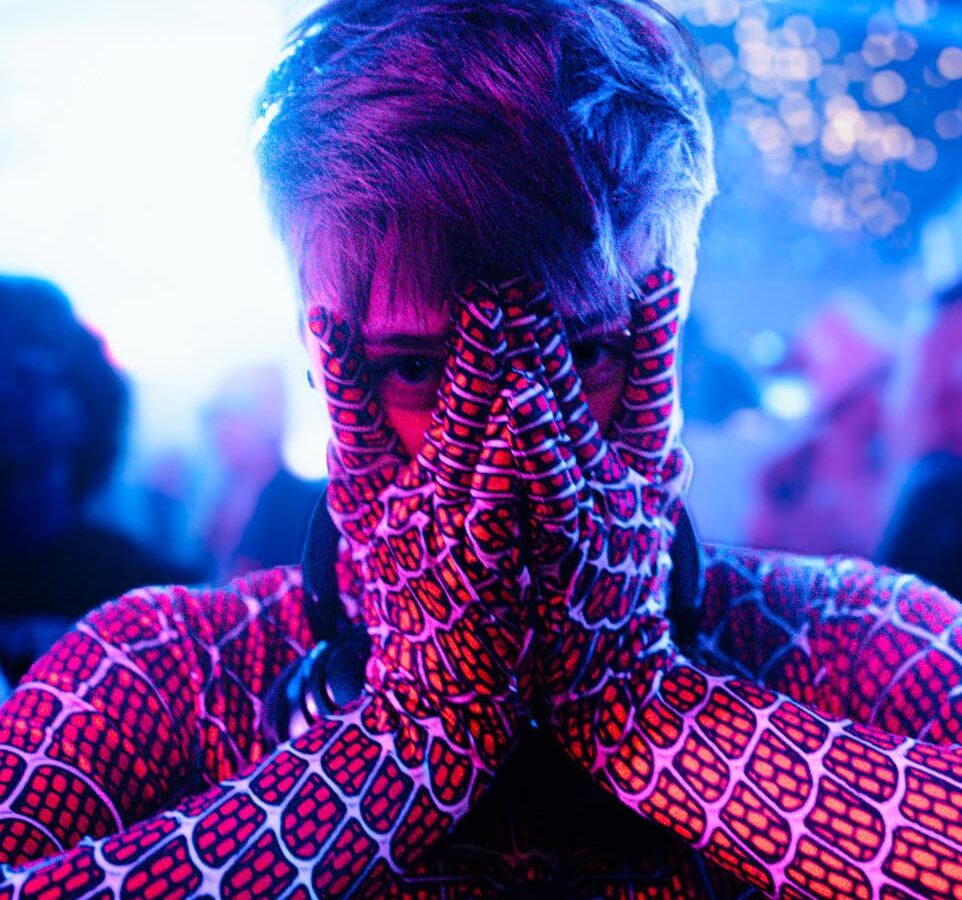
A festival lives on its crowd, and the photos have to sell the feeling of being there. The packed fields, the dancing, the costumes and colours, the joy of thousands of queer people together. That atmosphere is what makes someone buy a ticket for next year.
I shoot the crowd as the documentary heart of the festival, catching genuine moments rather than posed groups. For a queer festival especially, the sense of a community taking over a space is often the most powerful thing in the gallery.
The energy of the crowd is half of what the coverage is for.
Consent in a big public crowd
A festival is public, and wide crowd shots are part of showing the scale, but consent still matters, because not everyone is out, and a tight identifiable shot of a stranger is different from a wide field of people. I treat close shots of individuals with care and a quick nod where it counts.
For coverage commissioned by organisers or brands, we agree a clear policy on identifiable faces beforehand, so the gallery never becomes someone’s outing. Anyone who waves the camera away is left alone.
Showing the crowd’s joy never has to come at an individual’s expense.
Brand and sponsor activations
If you’re a brand or sponsor with a festival presence, you need coverage that proves you showed up well, with real engagement rather than staged shots by a logo. The genuine moments at your stand or stage hold up far better and don’t read as using the event.
I focus on authentic engagement, the people actually enjoying what you brought, alongside the clean brand frames you need for reporting. For a queer festival, an audience can spot a brand faking it, so the coverage has to be real.
We can get what you need for reporting without it costing the human moments.
Where in London
Queer festivals happen across the city, from big park events to the more grassroots festivals around Hackney. Each site and its scale is different, so the more I know about the layout and programme beforehand, the better I can plan the coverage.
For a large multi stage festival, a second shooter or a small team is often the only way to truly cover it, which we can arrange through the roster.
For a sense of how I shoot crowds and performance, more of my work is at LemonLens.
Fast turnaround for a live event
Festival content dates fast, so speed matters, especially across a multi day event where each day’s photos can feed the next. A quick set of highlights lets organisers and brands post while the festival is live and trending, with the full gallery to follow.
You get the images in a private gallery you control, easy to share with stages, sponsors, and press. For a live festival, same day or next day highlights make a real difference to the momentum.
The buzz fades quickly online, so timely delivery is part of the job.
One photographer or a team
For a small single stage festival, one photographer who moves well can cover it. Past a certain size, trying to do it solo means doing all of it badly, because while you’re at the main stage the cabaret tent and the community area are going unrecorded. A site with several stages running at once genuinely needs more than one pair of hands.
I’d rather be honest about that up front than take a booking and hand you thin coverage. We can arrange a second shooter or a small team through the roster, each assigned a patch, so the whole site is held at once and nothing important slips through.
It costs more, but it’s the difference between a gallery that sells the full experience and one that makes a sprawling festival look like a single gig. For a multi day event, we can also plan which photographer covers which day and which stages, so the budget goes where the programme needs it most rather than being spread too thin to matter.
What it costs
Festival coverage in London usually starts around £400 for a day and rises with a multi day event, a second shooter, a full team, or fast delivery. The scale and the ground to cover are the main drivers of the figure.
Every photographer on the queer.photo/ roster sets their own rate, so you'll see a real figure on each profile before you book. You weigh the work against the price together.
For a festival, strong coverage fuels the promo that fills next year, which makes it an investment in the event’s future.
Choosing the right photographer
Hire someone who can handle the logistics of a big site, shoots performance and crowds well, and understands consent in a public queer space. Stamina and planning matter as much as the eye for a festival.
Tell us about your festival, the site, and what you need covered, and we’ll match you with someone from the roster who can capture the whole weekend. We aim to reply within a day.
Common questions
How do you cover a whole festival site?
By planning a route around the programme so key moments across every stage are covered, while leaving room to chase what’s happening. No one can be everywhere, so for a big site a second photographer is often arranged so nothing is missed.
Will you capture more than the main stage?
Yes, that’s the point. Good festival coverage holds the whole experience, the small stages, the community areas, the stalls, the crowd, rather than only the headliner, so the gallery sells the full weekend rather than one act.
How is consent handled in a big crowd?
Wide crowd shots show the scale, but identifiable close shots of individuals get care and a quick nod, since not everyone is out. For commissioned coverage, a faces policy is agreed beforehand, and anyone who waves the camera away is left alone.
We’re a brand with a festival presence. How do we avoid looking performative?
By shooting real engagement, people actually enjoying what you brought, rather than staged shots by a logo. The photographer gets the clean brand frames you need for reporting without it costing the genuine human moments.
How much does queer festival photography in London cost?
From around £400 for a day, rising with a multi-day event, a second shooter, a full team, or fast delivery. Each photographer lists their own rate, so you see the number before booking.
Ready when you are. see event options, or find a photographer.