A musician told me their old press shots were costing them gigs. The photos were technically clean, taken against a brick wall with arms folded, and they made a tender, strange, electronic artist look like an indie lad with a guitar. Promoters were booking the photo, not the music, and the bookings were wrong. The images were actively lying about the sound.
Press photography for musicians has one job above all others. The images have to feel like the music feels. A queer artist especially needs photos that carry their actual presentation and energy, because the visual is half of how people decide whether to press play.
Get the photos wrong and you spend years explaining what you actually sound like.
Press shots are marketing, not portraits
A press shot isn’t really a portrait of a person, it’s a portrait of a project. It goes on Spotify, on posters, in listings, in every blog that covers you, and it sets the expectation before a single note plays. The job is to make a stranger feel your sound from a thumbnail.
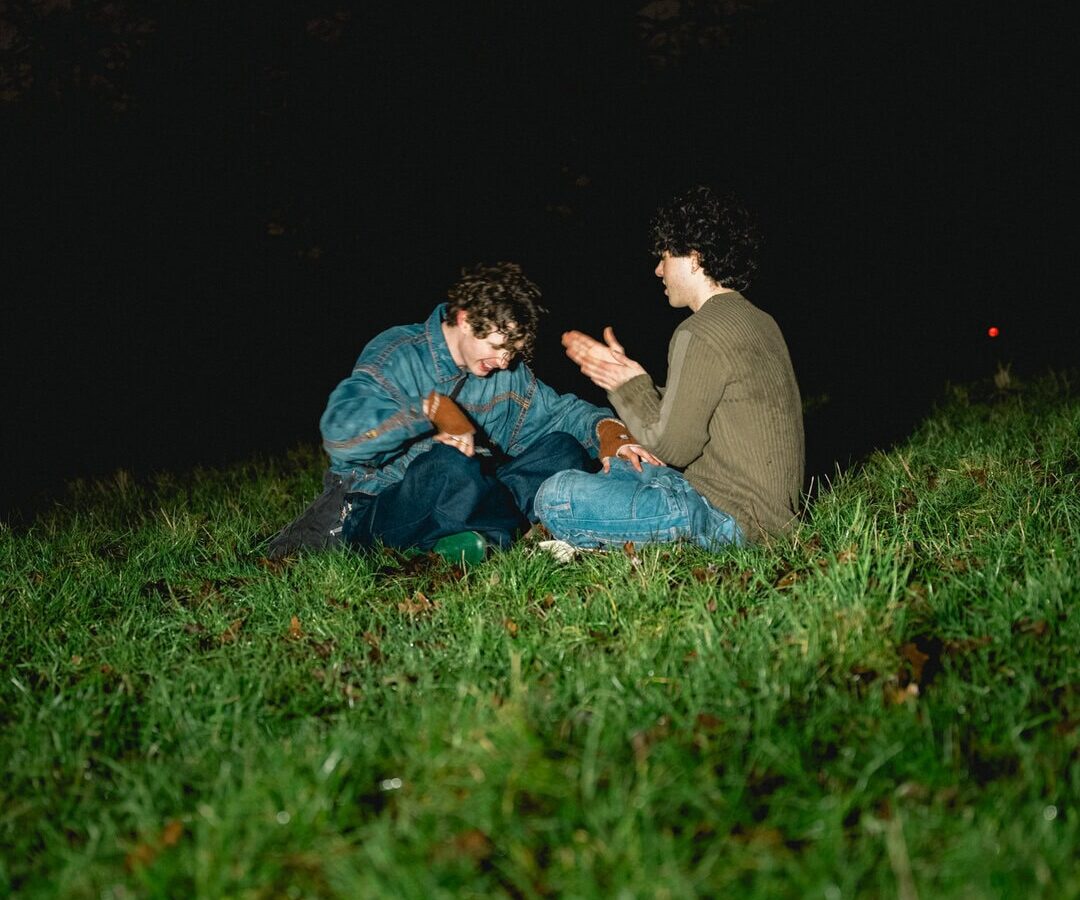
That means the photo has to carry mood and genre rather than only a likeness. A dreamy bedroom pop artist and a filthy techno producer need completely different images, even if they’re the same height in the same city.
I shoot press as marketing with a face, which is what it actually is.
Matching the image to the sound
Before we shoot I want to hear the music itself, properly, rather than only a genre label. The actual tracks tell me the colour, the energy, the references that fit. A press shot for a melancholy record should feel different in every way from one for a euphoric club banger.
We talk about where you’re positioning yourself and who you want to reach, then build the look, the location, and the mood to match. The image becomes part of the release rather than a generic photo bolted on afterwards.
When the photo and the sound agree, the marketing does itself.
Shooting queer artists as themselves
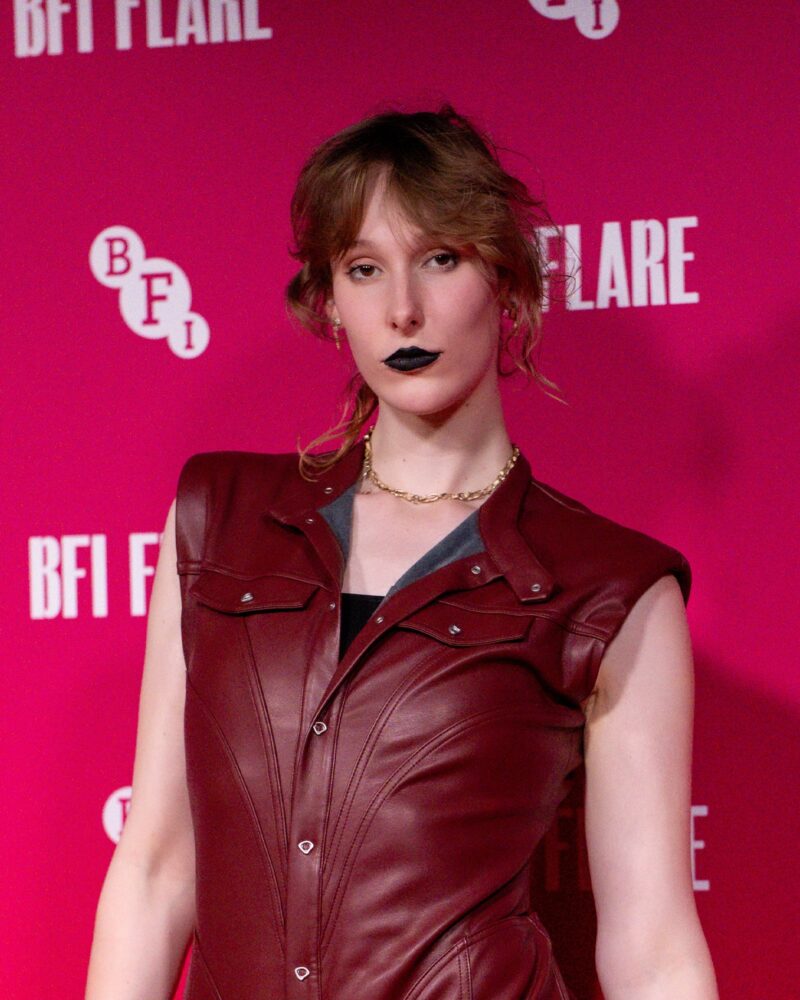
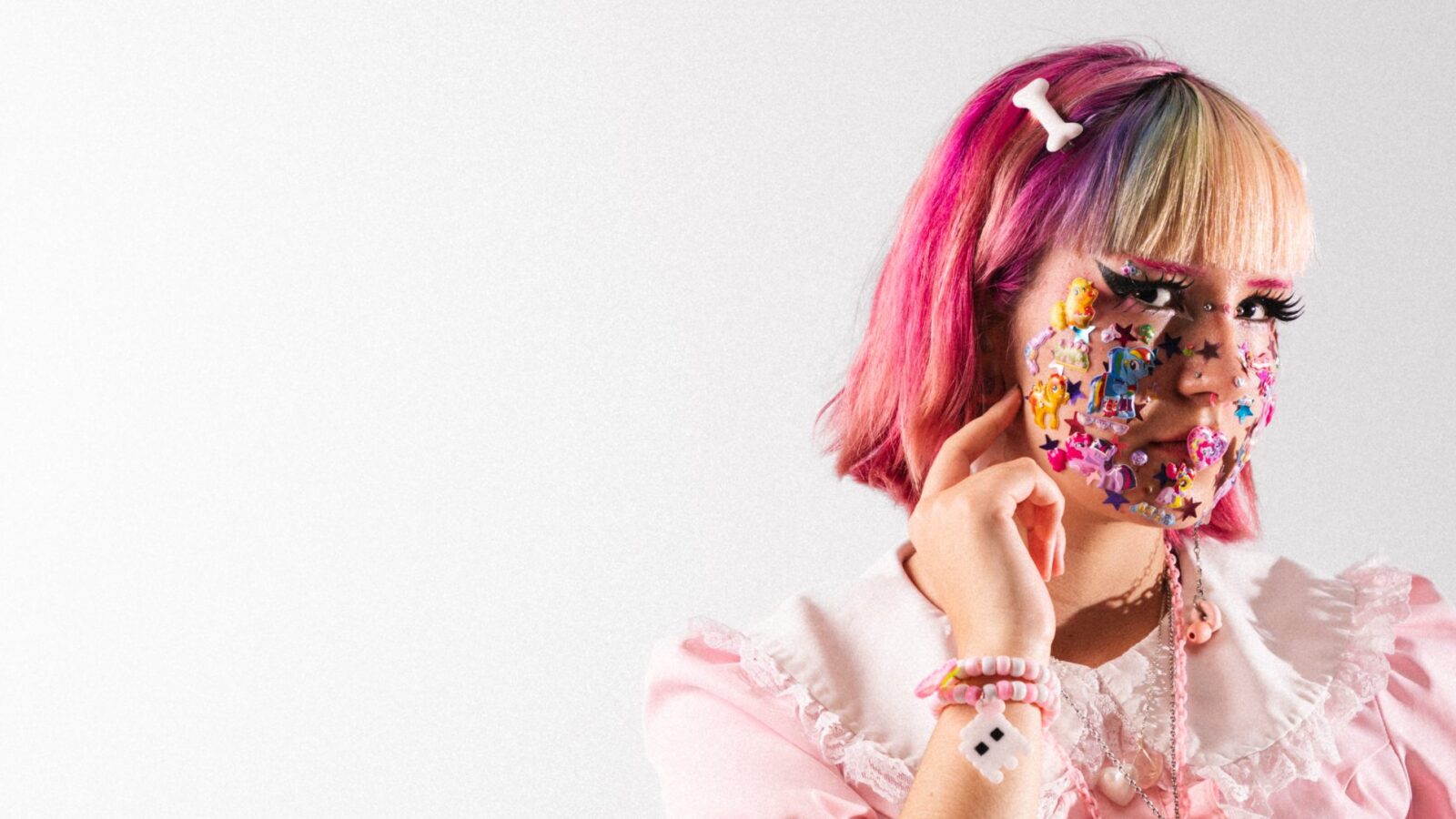
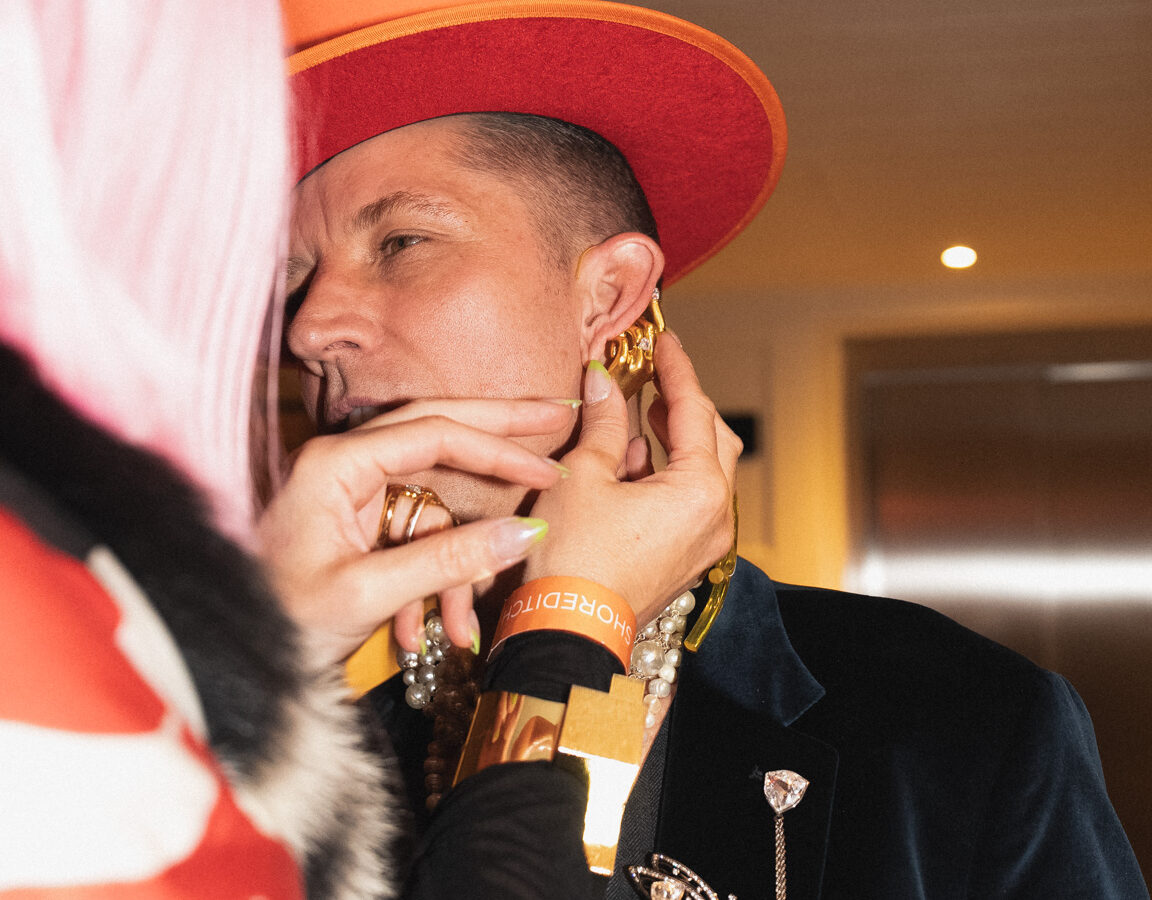
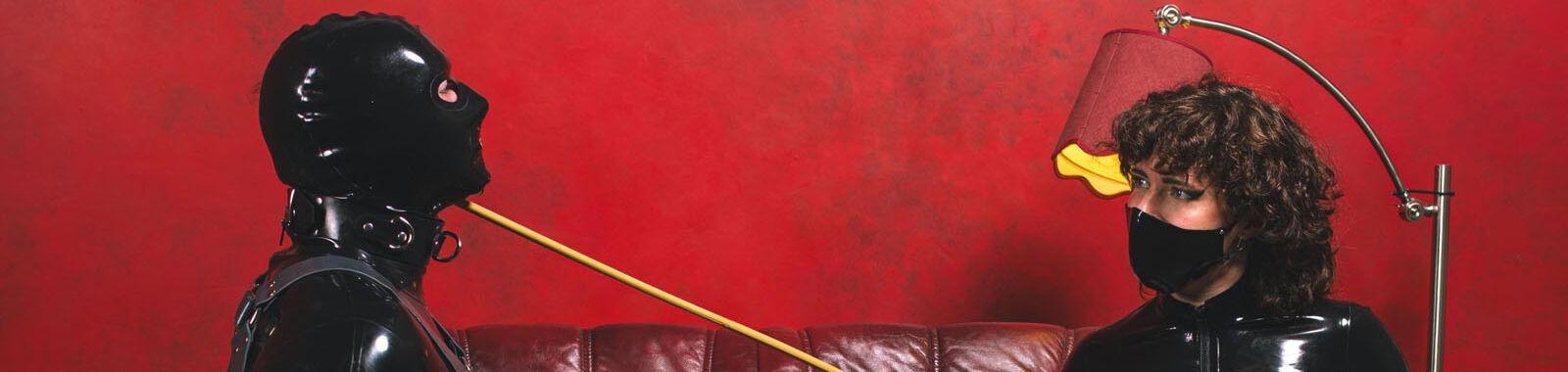
Queer musicians often have a presentation that’s central to the act, and a photographer who flattens it does real damage. The drag, the androgyny, the camp, the hardness, whatever the artist’s visual language is, the photos have to speak it fluently.
I shoot from inside that understanding, so a deliberately femme or gender play look reads as intended rather than getting corrected toward something safer. The artist’s whole self is the brand, and the photography has to back it.
If your stage persona differs from your offstage self, we can shoot both, so you’ve got the right image for each context.
Cover art and singles
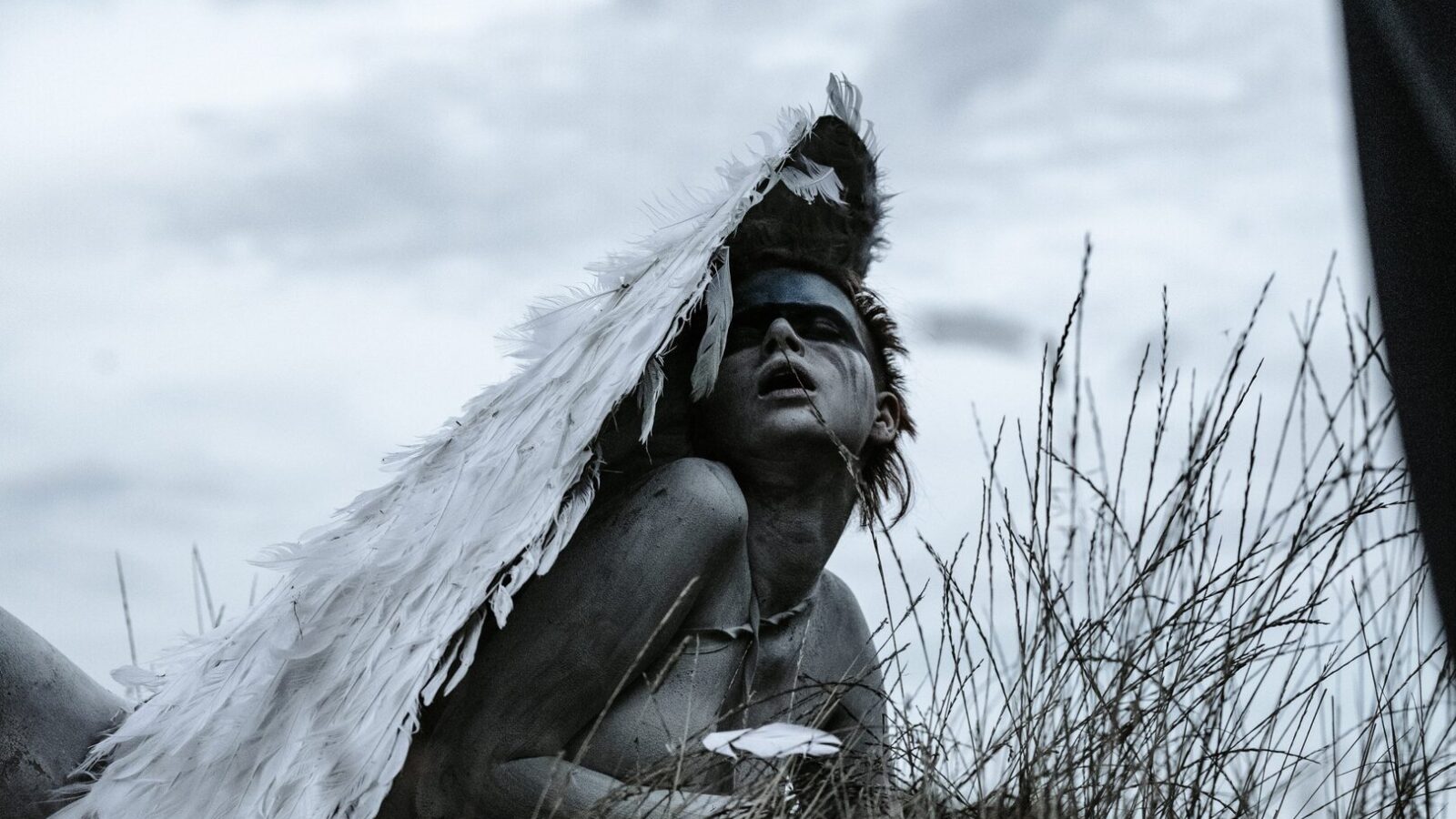
Beyond press shots, a lot of artists need cover art, for albums, EPs, singles. That’s a different brief again, often more conceptual, sometimes barely featuring the artist at all. It has to work as a tiny square on a phone and still hold up larger.
I love shooting cover art because it’s the most creative end of music photography, closer to fine art than to promo. We can build a concept that captures the record in a single arresting image.
If you’ve got a release coming, we can plan press and cover together so the whole campaign hangs together visually.
Bands and groups, shot as one
Shooting a band adds the challenge of making several people work as one image while keeping each member visible and true to themselves. Group dynamics, height differences, very different personalities, all have to resolve into a frame that feels like the band rather than a lineup.
For a queer band especially, the photos should show the members as they are rather than forcing them into a uniform look. I pose groups so everyone reads clearly and nobody disappears into the back.
Tell me about how the band works together and we’ll build images that hold all of you.
Live shots and the gig as a resource
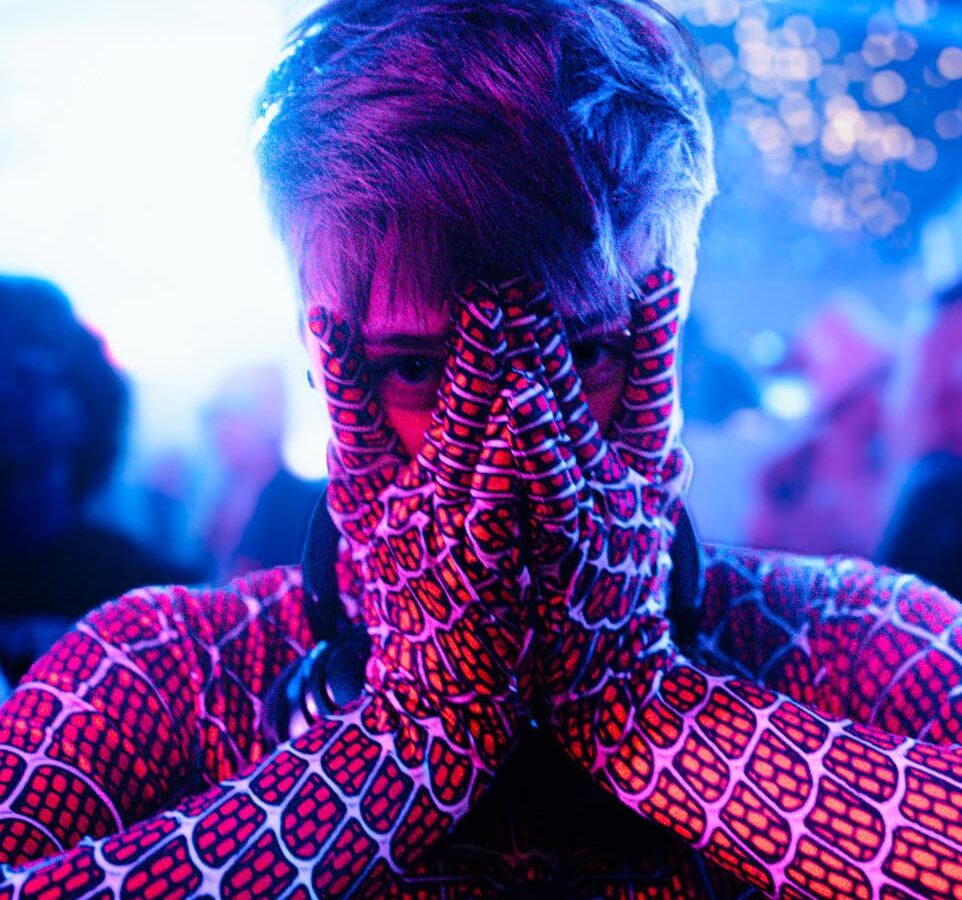
Studio press shots are the backbone, but live photography from your gigs is a resource a lot of artists underuse. A great shot of you mid set, the crowd visible, the sweat real, sells the live experience in a way a posed image can’t. Promoters and bookers want to see that you command a room.
Shooting live is its own challenge, dark venues, fast movement, lighting you can’t control, all the difficulties of nightlife photography aimed at a single performer. It takes someone comfortable in those conditions to come back with frames that are sharp where they need to be and atmospheric everywhere else.
If you gig regularly, getting a set of live shots a couple of times a year keeps your promo stocked with proof that you deliver on stage. It pairs well with studio press, giving you the controlled image for the polished placements and the live image for the listings and socials where energy sells the ticket. Tell me your gig schedule and we can plan live coverage around the shows that matter most. A launch night, a support slot for a bigger act, a hometown headline, those are the gigs where a strong photo earns its keep for months afterwards, so they’re the ones worth prioritising if the budget only stretches to a few. It’s also worth clearing live shooting with the venue and the promoter in advance, since some rooms have rules about cameras, and a photographer turning up unannounced with a proper setup can cause friction that a quick email would have avoided entirely.
Where in London
I shoot musicians in studio and across the city, from the venues and railway arches around Hackney to wherever fits the sound. Location is part of the genre signalling, so we pick it to match the music.
For a controlled, conceptual look I run a studio in east London called Lemon Shark Studio. For something rawer, the city gives us the grit no set can fake.
For a sense of how I shoot people with mood and edge, more is at LemonLens.
Delivering what the campaign needs
Music images get used everywhere, so they have to come in every shape. A square for streaming, a wide banner for socials, a vertical for stories and posters, a high res file for print. I shoot and crop with all of those in mind so you’re not stuck with one usable frame.
I’ll also give you a clear hero image to anchor the campaign, plus enough variety to keep your feed fresh through a release cycle. One press shot used everywhere for two years goes stale fast.
Tell me the release plan and I’ll deliver a set built to carry it.
What it costs
Music photography in London varies with scope, but a press shoot usually starts around £350 and rises with multiple looks, locations, a band, or cover art added on. Concept work for covers takes more planning, which the figure reflects.
Every photographer on the queer.photo/ roster sets their own rate, so you'll see a real figure on each profile before you book. You weigh the work against the price together.
For an independent artist, strong images are some of the best money you can spend on a release.
Choosing the right photographer
Hire someone whose music work clearly matches images to sound and who gets queer artists as themselves, rather than someone who shoots every act against the same wall. The instinct for matching look to genre is what you’re paying for.
Tell us about your music and your release, and we’ll match you with someone from the roster who’ll make the photos sound like you. We aim to reply within a day.
Common questions
Why do my press shots matter so much?
They set the expectation before anyone hears a note, on streaming, posters, listings and every blog that covers you. If they don’t match your sound, promoters book the wrong idea of you and you spend years correcting it.
How do you make the photos match my music?
By actually hearing the tracks, properly, rather than only a genre label, before the shoot. The music tells the photographer the colour, energy and references that fit, so the look, location and mood get built to match the record rather than bolted on.
My look plays with gender. Will that come through?
Yes. A photographer who shoots queer artists reads your visual language fluently, so a deliberately femme, androgynous or camp look lands as intended rather than getting corrected toward something safer. Your whole self is the brand.
Can you do cover art as well as press shots?
Yes, and they can be planned together so the whole campaign hangs together. Cover art is a more conceptual brief that has to work as a tiny square on a phone and still hold up larger.
How much does music artist photography in London cost?
A press shoot usually starts around £350, rising with multiple looks, locations, a band, or cover art. Each photographer lists their own rate, so you see the number before booking.
Ready when you are. see editorial options, or find a photographer.