Queer event photography in London, covered by someone who belongs in the room
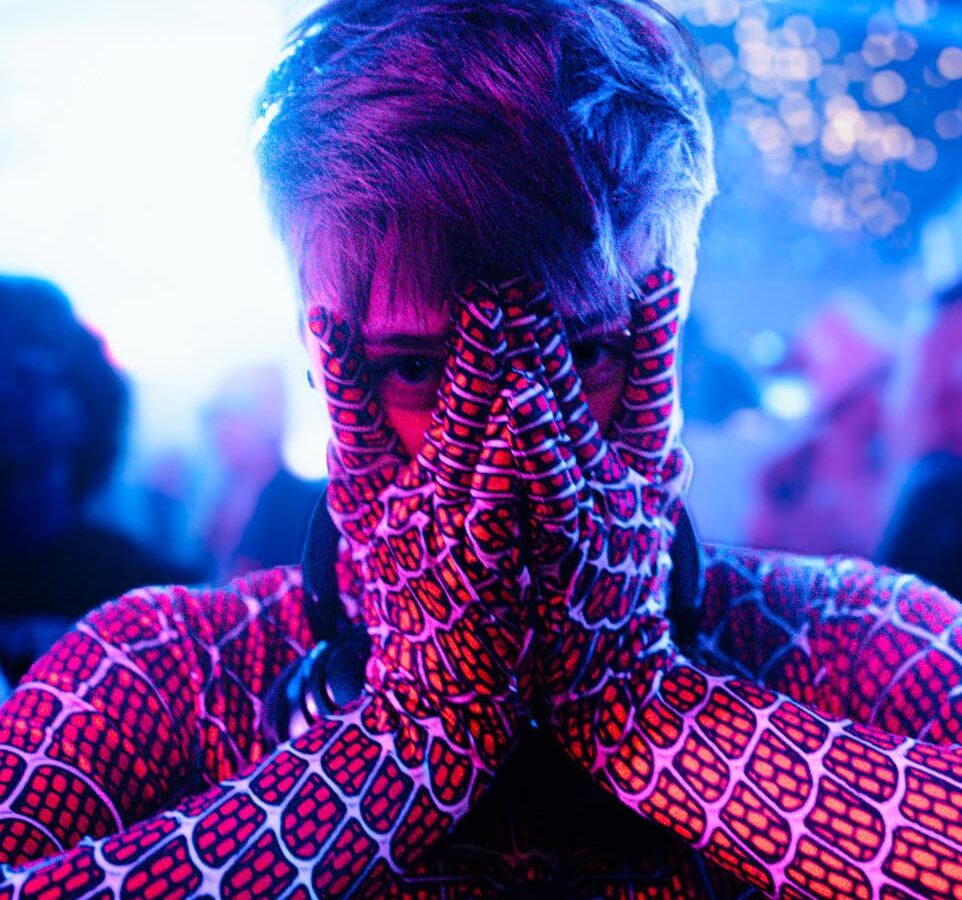
Halfway through a community night I shot last year, an organiser pulled me aside, worried. Their last photographer had posted a whole gallery online the next morning without asking anyone, and two guests had been outed to family who follow the venue’s page. The organiser had spent a week apologising and taking photos down. They booked me because they needed someone who understood why that mattered before it had to be explained.
That story is the difference between a queer event photographer and a generalist with a camera. The technical part is the same. The judgement is not.
Covering a queer event well is mostly about knowing what to shoot, what to leave, and who to ask. Everything else is just exposure and timing.
Why a queer event needs a photographer who gets it
A standard event photographer treats every face as fair game and every moment as content. At a queer event that approach causes real harm, because not everyone in the room is out, and a single tagged photo can travel somewhere a person never agreed to go.
Someone who shoots queer events carries that awareness in their hands. They clock who’s avoiding the lens, they read the energy of a corner before lifting the camera, and they ask rather than assume. None of it slows the night down once it’s second nature.
The result is coverage that captures how the room actually felt without putting anyone at risk. That’s the whole job, and most generalists have never had to think about it.
Consent, on the night and after
Good event coverage starts with a quick word to the organiser about how people want to be handled. Some crowds are happy to be everywhere online. Some need a strict no faces without asking rule. Most sit somewhere in between, and the photographer’s job is to know which before the first frame.
On the night I read body language constantly. A turned shoulder, a raised hand, a quiet step out of frame all mean the same thing, and I respect them without making it a thing. Nobody should have to police a camera at their own party.
After the night, you control the gallery. Nothing goes public without the organiser’s sign off, and we can hold back or blur anyone who asks. The photos serve the community, not the other way round.
Shooting discreetly
The best event photos happen when people forget there’s a camera at all. I work light and quiet, no big flash firing in faces, no climbing on chairs for a dramatic angle that makes everyone self conscious.
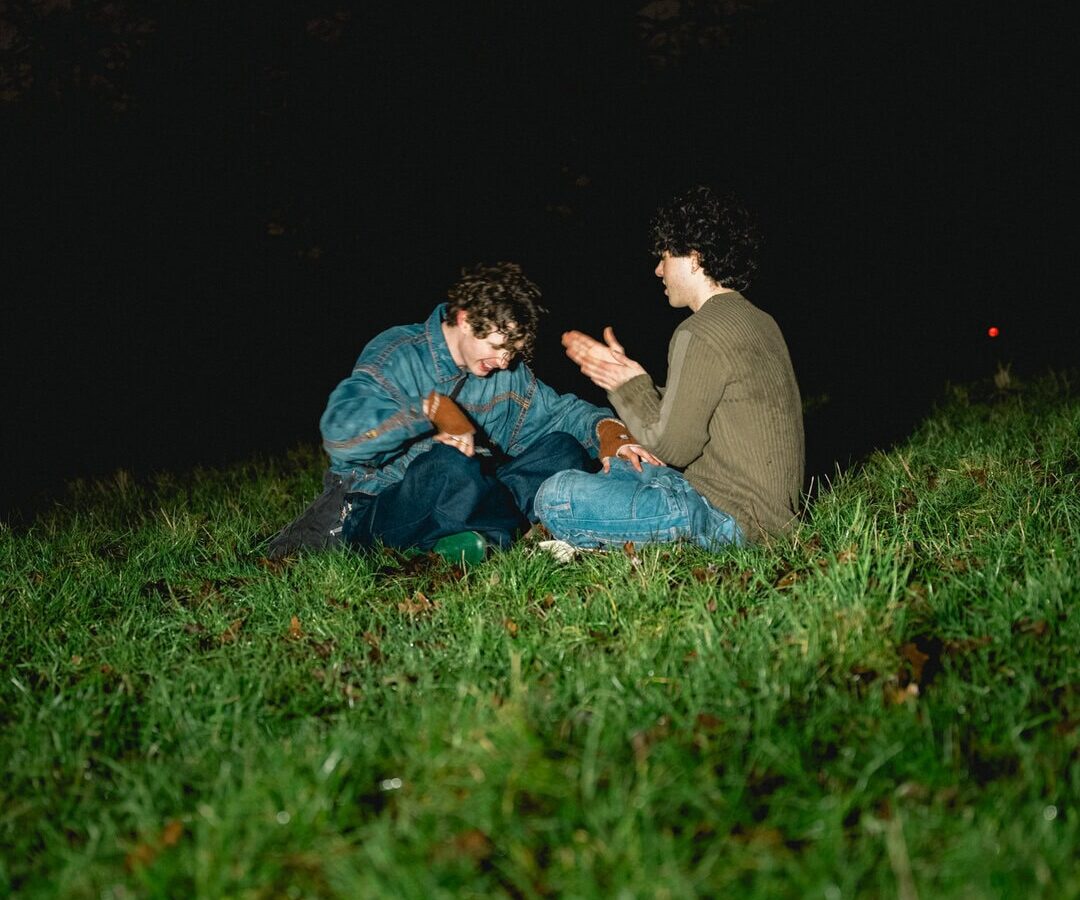
Available light and a small setup let me move through a room like a guest rather than a production. People relax, and relaxed is where the real frames live, the laugh mid sentence, the hand on a shoulder, the dance floor when it finally fills.
When a posed group shot is wanted, I can switch into that mode fast and then disappear again. The rest of the time I’d rather you barely notice I’m there.
What good event coverage actually captures
A strong gallery tells the story of the night without needing captions. The empty room before doors, the first arrivals, the moment it tips from polite to alive, the speeches, the mess at the end. Each of those beats matters, and missing the quiet ones leaves a gallery that’s all peak and no shape.
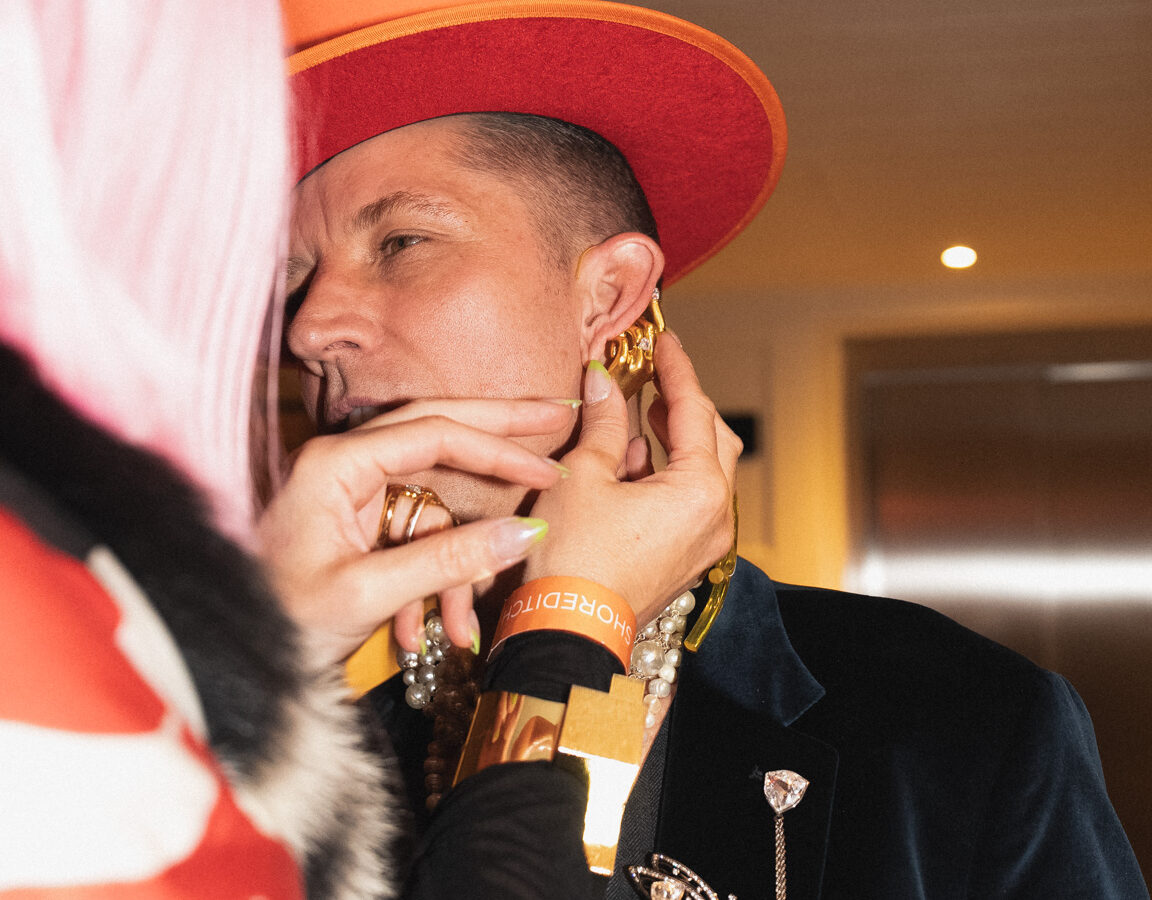
I shoot the details too, the hand painted signs, the drinks, the outfits people clearly planned for weeks. Those frames are what make a recap feel like that specific night rather than any night.
The aim is a set you can use for a recap, for next year’s promo, and for the simple pleasure of remembering it properly.
Events I cover
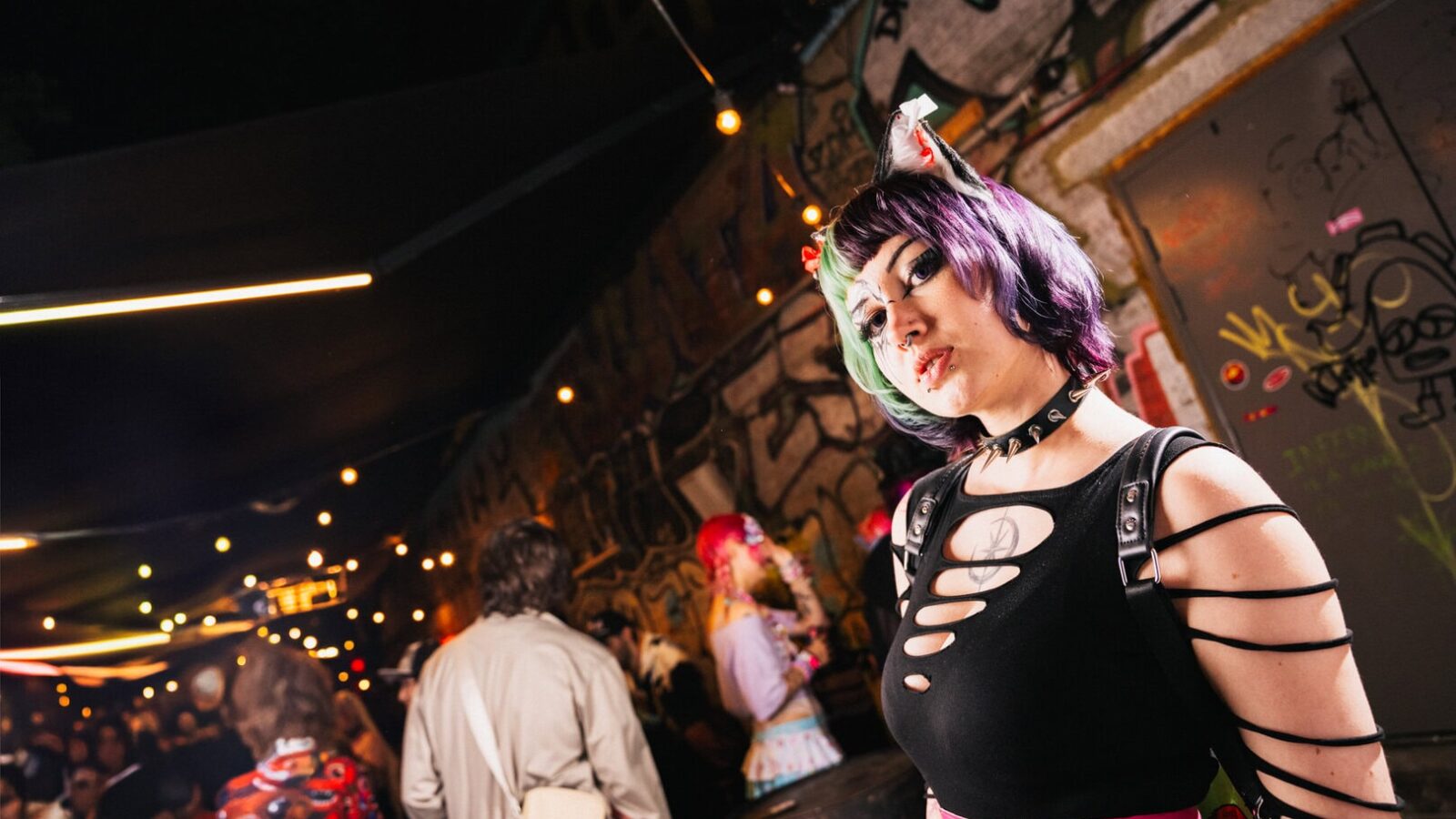
Community nights, launches, exhibition openings, fundraisers, birthdays, club nights, panels, whatever the room is. The approach holds across all of them, even if the energy changes from a quiet gallery opening to a sweaty basement at 1am.
Bigger productions sometimes want two photographers to cover more ground, and we can arrange that through the roster. For most events one photographer who knows what they’re doing is plenty.
If your event is tied to a specific cause or moment, tell me, because it shapes which frames matter most.
Where in London
I shoot across the city, from the venues around Hackney to the West End and everywhere between. Queer nightlife moves around London a lot, and I go where it is.
If your venue is tricky, low light, low ceilings, a basement with no natural light, that’s normal for this kind of work and nothing I’m not set up for. Tell me the space when you book and I’ll bring what it needs.
For a sense of how I shoot people in real conditions, more of my work is over at LemonLens.
Working with your organisers and venue
The smoothest events are the ones where I know the running order before I arrive. When speeches happen, when the act goes on, when the cake comes out, so I’m in position rather than scrambling. A two line schedule beforehand makes a real difference.
I’ll also check the venue’s own social policy, since some spaces have rules about what can be posted, and that interacts with everyone’s safety. Getting it straight up front avoids the morning after panic from my opening story.
If you have a press list or specific people who must be photographed, send it over and I’ll make sure they’re covered.
Turnaround and how you get the photos
For events, a few quick frames the next day are often worth more than a perfect gallery a fortnight later, because the buzz fades fast online. I can usually get you a small set of highlights quickly, with the full edited gallery to follow.
You get the images in a private gallery you control, so you can share, download, and hold back whatever you need. That control is part of why people trust the coverage.
If discretion is high, we agree exactly who sees what before anything is delivered.
Photographing the people who make it happen
Every queer event runs on a handful of people who are too busy to ever appear in the photos. The organisers, the volunteers on the door, the person frantically fixing the sound. They’re the reason the night exists, and most galleries forget them entirely.
I make a point of catching them, partly because they deserve it and partly because those frames matter for funding and for next time. A photo of your volunteers actually working tells a grant body more than any polished crowd shot.
If there are specific people who hold your event together, point them out to me early, because they’re exactly the ones who’ll never put themselves in front of a camera on their own.
What it costs
Event coverage in London usually starts around £250 for a couple of hours and rises with the length of the event, a second shooter, or a fast turnaround. A full evening with a same day highlight set sits higher than a quick hour of coverage.
Every photographer on the queer.photo/ roster sets their own rate, so you'll see a real figure on each profile before you book. You weigh the work against the price rather than guessing.
For an organisation, good photos pay for themselves in the promo they fuel for the next event.
Choosing the right photographer
Hire someone whose event work shows real atmosphere and clearly understands consent and outing risk. The judgement matters far more than the kit here, and a fast lens in careless hands is exactly what causes the morning after problems.
Tell us about your event, the crowd, and how careful you need to be, and we’ll match you with someone from the roster who belongs in that room. We aim to reply within a day.
Common questions
Will photos of guests go online without their consent?
No. The organiser sets the rules up front, the photographer reads the room and respects anyone avoiding the lens, and nothing goes public without sign-off. Anyone who asks can be held back or blurred.
Our venue is a dark basement. Is that a problem?
Not at all, it’s normal for queer nightlife. Tell the photographer the space when you book and they’ll bring the right setup, working with available light and a small, discreet kit rather than a flash in everyone’s face.
How quickly do we get the photos?
Usually a small set of highlights quickly, often the next day while the buzz is live, with the full edited gallery to follow. You receive everything in a private gallery you control.
Can you cover a big event with more than one photographer?
Yes. Larger productions can have a second shooter arranged through the roster to cover more ground. For most events one experienced photographer is plenty.
How much does queer event photography in London cost?
From around £250 for a couple of hours, rising with the length of the event, a second shooter, or a fast turnaround. Each photographer lists their own rate, so you see the number before booking.
Ready when you are. see event options, or find a photographer.