Queer Wedding Photography Styles: How to Choose Yours

The main queer wedding photography styles are documentary, editorial, portrait-led, intimate elopement coverage, and a classic-with-a-twist mix. None of them is the “right” one. The right style is the one that lets you look and feel like yourselves, with a photographer who understands why that matters.
Most wedding photography advice assumes one bride, one groom and a fixed list of poses. Queer weddings rarely follow that script, and the pictures shouldn’t either. Below we walk through each style, what it looks like on the day, who it suits, and how to brief a photographer so the result is genuinely yours.
TL;DR
- Documentary suits couples who want the day as it happened: the laughter, the nerves, the dancing relatives.
- Editorial suits couples who want a few striking, styled portraits that feel like a magazine spread built around them.
- Portrait-led and elopement styles give you more quiet time together and fewer guests in the frame.
- Most couples mix two styles. Tell your photographer which moments matter most, and which poses you want to skip.
- Ask about pronouns, family dynamics and consent before you book, not on the morning.
Table of Contents
- Why style matters more for queer weddings
- The main queer wedding photography styles
- The styles side by side
- How to choose: five questions to ask yourselves
- Briefing your photographer
- Finding a photographer who gets it
- Budgeting for the style you want
- Mixing styles without a muddled album
- How we match couples with photographers
- FAQ
- Sources
Why style matters more for queer weddings
A photographer’s style is their way of paying attention. One watches the room and waits. Another builds a frame and asks you to step into it. Both can be beautiful, but they feel very different when you are the one being photographed.
For queer couples, that difference carries extra weight. Many of us have spent years being told how two people “should” stand together at a wedding. Traditional pose lists were written with one kind of couple in mind, and they can leave you wondering who is meant to hold the bouquet, who leads, who sits.
A good queer wedding photographer doesn’t hand you a script. They ask what you want to see in the album in thirty years, then work backwards from that. That conversation is the real start of choosing a style.
It also matters that your family and friends feel at ease. If some guests are less comfortable, a photographer who reads the room quietly and doesn’t put anyone on the spot will protect the mood of the day.

The main queer wedding photography styles
Documentary: the day as it actually happened
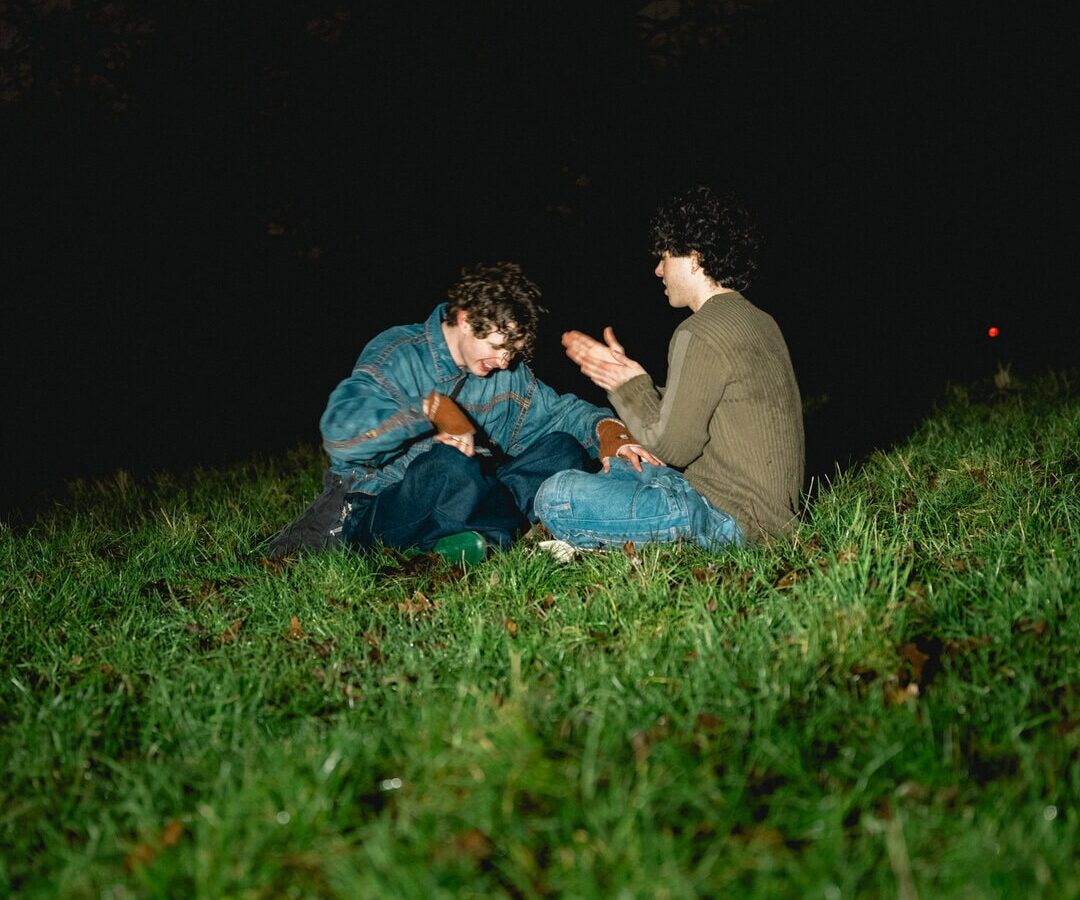
Documentary photography follows the day without directing it. The photographer stays at the edge of things and catches the real moments: your best friend wiping their eyes during the vows, a grandparent being pulled onto the dance floor, the quiet breath you take before you walk in.
This style suits couples who dislike being posed, or who feel self-conscious in front of a camera. It also suits weddings where the guest list is the story: chosen family, a mix of generations, friends who travelled a long way.
What to expect: very few instructions, a lot of candid frames, and pictures that show the day in order. What to check: ask to see a full gallery from a past wedding, not only a highlights set, so you know how the whole day reads.
If you are weighing this against a more traditional approach, our guide to deciding your wedding photo style sets out the differences with a UK checklist.
Editorial: a few frames that feel like a magazine
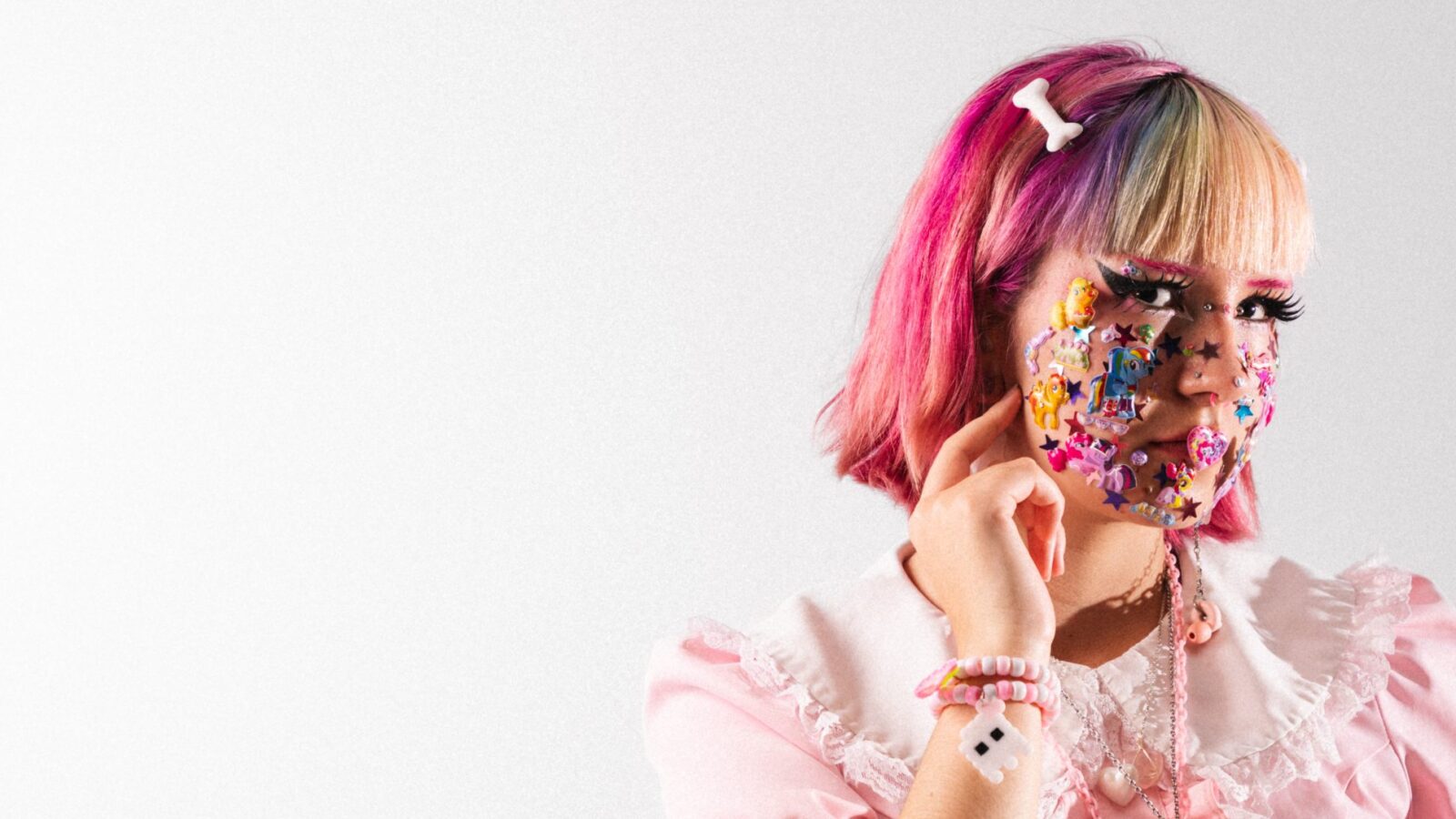
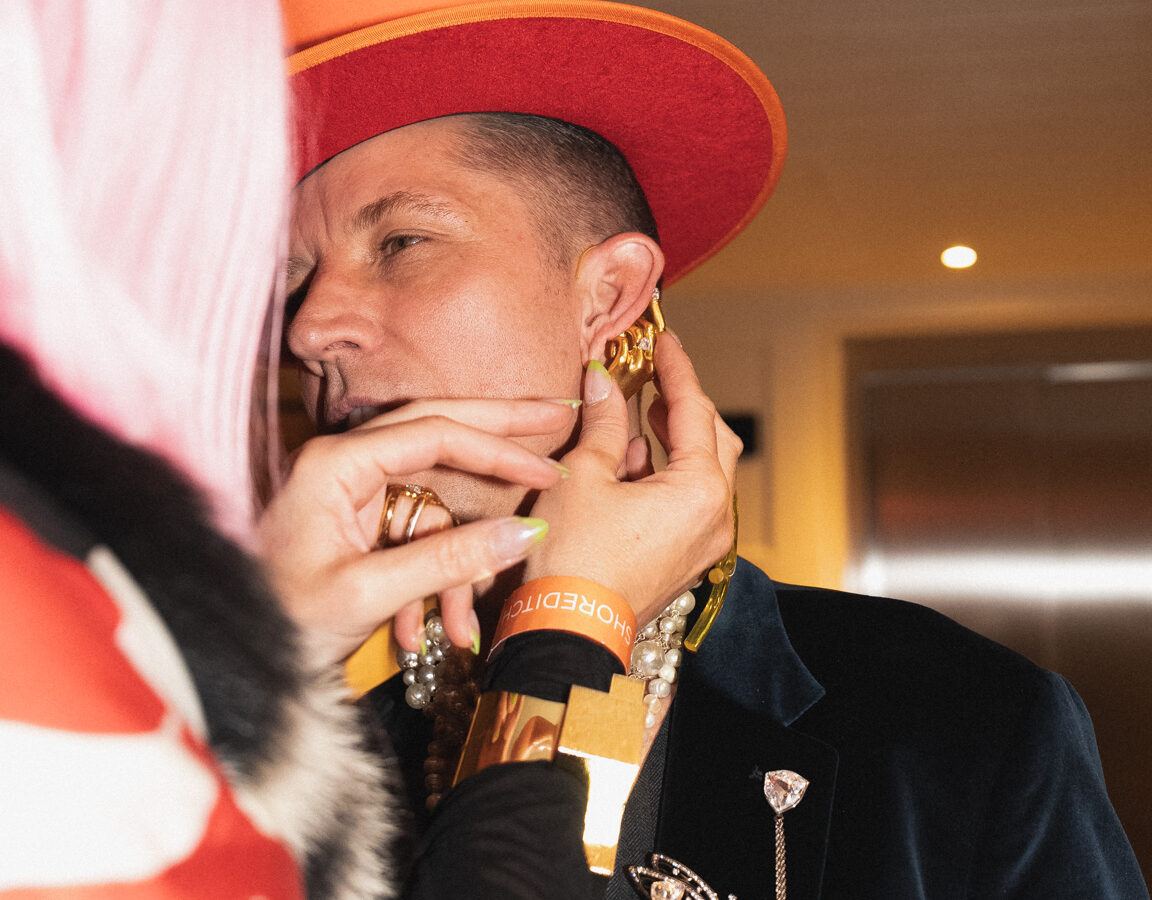
Editorial wedding photography borrows from fashion and magazine work. Think confident posing, considered light, striking locations and outfits treated as part of the picture. It is directed, but done well it feels like a collaboration rather than an instruction.
This style is a natural fit if your outfits are a big part of your wedding. Queer couples often get to make dramatic, personal choices here: a tailored suit in an unexpected colour, a gown with a harness, matching looks, or something that ignores the idea of “his and hers” altogether. Editorial work gives those choices room to shine.

Most couples don’t want editorial coverage all day. A common approach is a focused portrait window, perhaps twenty to forty minutes, with documentary coverage around it. If fashion-led imagery appeals, take a look at how we approach editorial photography in London.
Portrait-led: time for the two of you
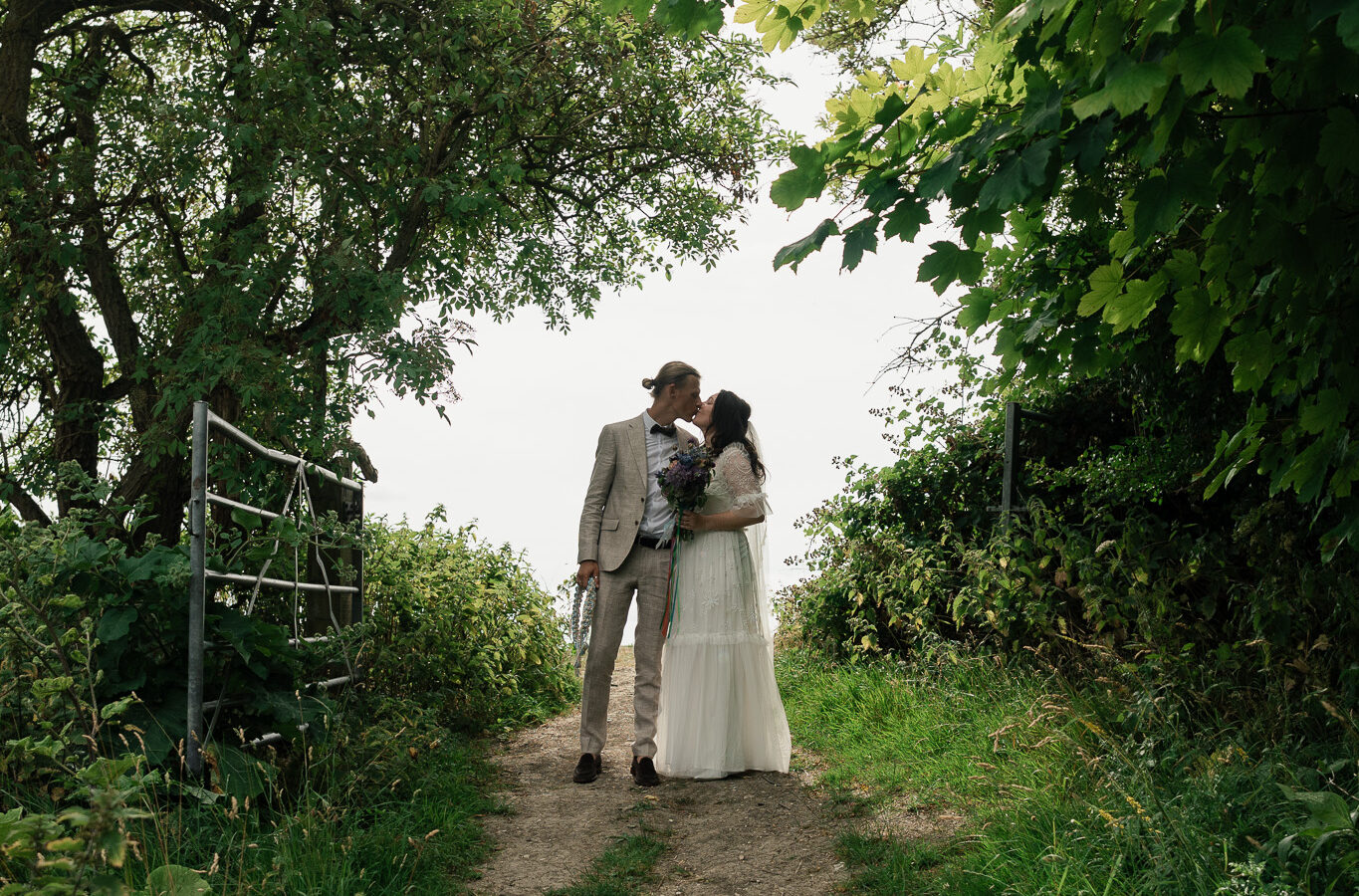
Portrait-led coverage puts the couple at the centre. The photographer builds in time away from the crowd, often just before or after the ceremony, so you get calm, close pictures rather than snatched ones between conversations.
It works well when you worry that a busy day will pass in a blur. Those twenty minutes alone, with someone gently guiding you, are often the part couples remember most. Many also say the portraits are what they print and frame.
Portrait-led work also lets you think about how you want to look together, without borrowing old rules. Some couples want tenderness. Others want swagger, humour or something a bit dramatic. A photographer who knows queer culture won’t be surprised by any of it. Our queer couples photography page shows how that sensibility carries over into portraits.
Elopement and micro-wedding: small, private, unhurried
Elopements and very small weddings call for a different pace. With only a handful of people, there is no schedule to protect. The photographer can stay with you through the whole thing, from getting ready to a walk afterwards, and the pictures read almost like a short film of your day.
This suits couples who want to avoid the pressure of a large guest list, or who would rather not manage relatives who are not yet supportive. It also suits anyone who wants the ceremony to feel like theirs alone.
We offer dedicated coverage for this, and you can read more on our elopement photographer in London page.
Classic with a twist: traditional coverage, rewritten
Some couples love the traditional structure: group shots, formal family photographs, the cake, the first dance. If that is you, nothing about being queer means you have to give it up. You just want the structure applied thoughtfully.
That might mean a family group list that reflects your actual family, including chosen family and any parents who have been through a lot to be there. It might mean two grooms or two brides walking in however they like, or a non-binary partner choosing their own role in each moment.
This is the style where briefing matters most, because the default assumptions are strongest here. Write your list down, share it early, and talk through any sensitive family situations privately beforehand.
Video as part of the picture
Stills and film capture different things. Stills hold a single moment still. Film keeps voices, laughter and the way a vow sounded. Some couples add a short video of the ceremony and speeches, or a highlights edit to share with relatives who couldn’t attend. Details of our video work are on our services page.
The styles side by side
| Style | Feels like | Best for | Typical shape of the day |
|---|---|---|---|
| Documentary | Watching your day back | Couples who dislike posing, big guest lists | Photographer observes throughout |
| Editorial | A magazine feature | Strong outfits, styled looks | Short directed portrait window plus coverage |
| Portrait-led | Quiet time together | Couples who fear the day will blur | Protected couple time, lighter guest coverage |
| Elopement | A private story | Small ceremonies, no big schedule | Photographer stays with you start to finish |
| Classic with a twist | Familiar, but rewritten | Couples who love formal albums | Group shots on a list you wrote yourselves |
How to choose: five questions to ask yourselves
You don’t need a mood board of a hundred images. You need honest answers to a few questions.
- How do you feel when someone points a camera at you? If the answer is “awkward”, lean documentary. If you enjoy it, editorial or portrait-led may be a joy.
- Which moments matter most? Walking in, the vows, the party, getting ready? Say it plainly and the photographer can plan around it.
- Who will be there, and how comfortable are they? A relaxed room can handle a lot of photography. A tense one might need a lighter touch, or a private portrait session away from guests.
- What do you want to wear, and do you want it to be the star? Strong outfits deserve strong light and deliberate framing.
- What do you not want? Skipping a pose, a particular relative’s photograph, or any “kiss for the camera” moment is a perfectly good brief.
If you already have a feel for the images you love, our list of LGBTQ+ wedding photo ideas is designed to be shared with a photographer as a starting point.
Briefing your photographer
A short written brief takes the pressure off the day. It doesn’t have to be long. Cover these points:
- Names and pronouns for you both, and for anyone else who will be prominent, such as parents or attendants.
- Must-have shots, such as a particular person, place or moment.
- Pictures you don’t want, including poses that feel wrong for you.
- Family situations a photographer should know about, shared privately and kept confidential.
- Timeline, including when the light is likely to be best.
- Accessibility or comfort needs, such as breaks, quiet spaces, or limits on flash.
A photographer who has been briefed well can hold the whole thing lightly. They will also be able to tell you honestly whether your timeline leaves room for the portraits you are hoping for.
If you want a photographer who keeps you with your guests rather than pulling you away for hours, our page on choosing a wedding photographer explains what to look for.
Finding a photographer who gets it
Style is only half of the decision. The other half is whether you feel safe and seen with the person holding the camera. A beautiful portfolio doesn’t tell you that. A conversation does.
When you speak to a photographer, notice a few things:
- Do they ask about you both before they talk about packages?
- Do they use the right names and pronouns without fuss?
- Can they show you queer weddings they have photographed, not just a general portfolio?
- Do they credit the people involved and explain how images will be shared?
If you are planning a wedding in the UK, it also helps to know your own legal footing. Same-sex weddings have been possible in England and Wales since 29 March 2014, following the Marriage (Same Sex Couples) Act 2013. Your photographer doesn’t need to be a legal expert, but they should be comfortable with the shape of a queer ceremony, whether civil, religious or somewhere in between.
We have separate pages for same-sex wedding photography in the UK and for trans and non-binary weddings in London, where the briefing details can look a little different.
Budgeting for the style you want
Style affects cost mostly through time. A documentary approach that covers a whole day needs more hours than a focused portrait window. An elopement may need fewer hours, but you’ll often want more of the photographer’s attention in them. Add video, a second shooter, or travel, and the total moves again.
If you want to understand how hours and coverage drive cost in general, this overview of event photography pricing is a helpful backdrop, though wedding work has its own shape. For our own packages, our prices page lists what we offer, including couples, half-day, full-day, elopement and extended options.
A sensible way to decide: pick the three moments you’d least want to lose, then choose coverage that comfortably includes them. Everything else is a bonus.
Mixing styles without a muddled album
Most couples end up blending. The trick is to give each style a job.
- Morning: documentary, so getting ready feels natural.
- Ceremony: documentary, kept quiet and unobtrusive.
- Portrait window: editorial or portrait-led, short and planned.
- Reception: documentary again, with a few planned group photographs if you want them.
This keeps the day moving at its own pace while still giving you a handful of images you’d happily hang on a wall. It also keeps the album consistent, because the light and tone carry across.
If your celebration is more of a party than a ceremony, such as an evening do after a registry office wedding, our guide on celebration photography explains hours and costs for that kind of event.
How we match couples with photographers
We are a London agency that represents a select roster of queer photographers. Every photographer is vetted and personally represented by us, not just listed. When you get in touch, a real person, not an algorithm, reads your brief and aims to match you with the right specialist within 24 hours.
The imagery is original. We don’t use stock or AI-generated pictures, and every shoot respects pronouns and personal boundaries, with proper credit given to photographers.
If you already know you want a wedding photographer, start with our queer wedding photographer London page. Tell us your date, your style leanings and what you would hate to see, and we will take it from there.
FAQ
What is the best photography style for a queer wedding?
There isn’t a single best style. Documentary suits couples who want natural, unposed moments, while editorial or portrait-led work suits those who want deliberate, styled images. Many couples combine them, with a short portrait window inside a day of documentary coverage.
Do we have to pose in traditional ways?
No. Poses built around a bride and groom don’t fit every couple, and a good photographer will adapt or drop them. Tell them in advance which poses you’d like to skip and which moments you do want, so they can plan around you.
Can we do portraits away from our guests?
Yes, and many couples do. A short, planned portrait session before or after the ceremony gives you calm time together and often produces the pictures you’ll frame. Build it into the timeline so you don’t miss the party.
Should we share our pronouns and family situation with the photographer?
It helps a great deal. Sharing names, pronouns and any family sensitivities lets the photographer behave naturally around everyone. Keep the conversation private and ahead of the day rather than during it.
How soon should we book?
As soon as you have a date and venue, because popular photographers fill their calendars. If you are earlier in the process, you can still speak to us about styles and coverage, and we can aim to match you with a photographer who fits within 24 hours of your enquiry.
Sources
- First Same Sex weddings to happen from 29 March 2014 (GOV.UK)
- Marriage (Same Sex Couples) Act 2013 (legislation.gov.uk)
- Event Photography Pricing: What to Budget in 2026


