Non-Binary Headshot Ideas: Styling, Poses and Planning

The best non-binary headshot is the one that looks like you on a good day, chosen by you, with nobody steering you towards a look you did not pick. This guide gives you practical ideas for clothes, poses, light and backgrounds, then shows how to plan a session so your name, pronouns and boundaries are respected from the first message.
There is no single “non-binary look” to copy, and a good headshot never asks you to perform one. What follows is a menu, not a rulebook.
TL;DR
- Decide what the photo is for (a profile, a portfolio, a campaign) and how you want to feel in it before you pick an outfit.
- Build the look around one anchor piece you love, then keep everything else simple.
- Keep the set simple and the camera at or slightly below eye level, so the picture feels steady and proud rather than staged.
- Tell your photographer your name, pronouns, boundaries and where the images will appear before the shoot, and get the usage agreed in writing.
- Choose a photographer who works with you, not on you. Ours are vetted queer photographers matched by a real person, often within 24 hours.
Table of Contents
- Start with how you want to feel, not how you want to look
- Styling ideas for different non-binary presentations
- Poses, expressions and camera angles that work
- Lighting, backgrounds and props
- Adapting your headshot to where it will be used
- Planning a session where your preferences are respected
- How we can help
- FAQ
- Sources
Start with how you want to feel, not how you want to look
Most headshot advice begins with outfits. We would begin earlier, with one question: when someone sees this picture, what do you want them to feel about you?
Trusted. Curious. Relaxed. Powerful. Playful. Write down two or three words. Those words will do more for your outfit, your expression and your choice of photographer than any Pinterest board.
It also helps to remember that authenticity is not the same as looking “natural”. Drag Race UK’s Bimini has said that authenticity is not an aesthetic but something within you. For a headshot, that means a full face of make-up, a shaved head, a sharp suit or a cardigan with holes in the elbows can all be completely genuine. What matters is that you chose it.
It also helps to bring a few references. Not to copy, but to show what you like: a colour palette, a mood, the way someone’s jaw is lit. Five images is plenty. Include one or two you dislike, too, because “not like this” is often easier to say than “like this”.
Styling ideas for different non-binary presentations
Presentation is personal, and it can change from one day, one job or one year to the next. One UK style guide makes the same point: non-binary presentation is not prescriptive, and it describes three flexible approaches. Here they are, translated into headshot terms.
If you prefer to soften or conceal body shape
Oversized layers, structured overshirts and straight or wide-leg bottoms are the usual starting points in that guide. For a headshot, which mostly shows your top half, think about shoulders and neckline. A boxy jacket or a relaxed knit gives you a clean outline without clinging to anything. A high or crew neckline can feel more comfortable than an open collar, and it frames the face well.
If you prefer a neutral look
Tees, shirts, cardigans and other simple separates are the guide’s suggestions for neutral dressing. In a photo, neutral does not have to mean beige. A plain shirt in a strong colour, such as deep green, cobalt or rust, reads as confident and keeps attention on your face.
If you prefer to mix and play
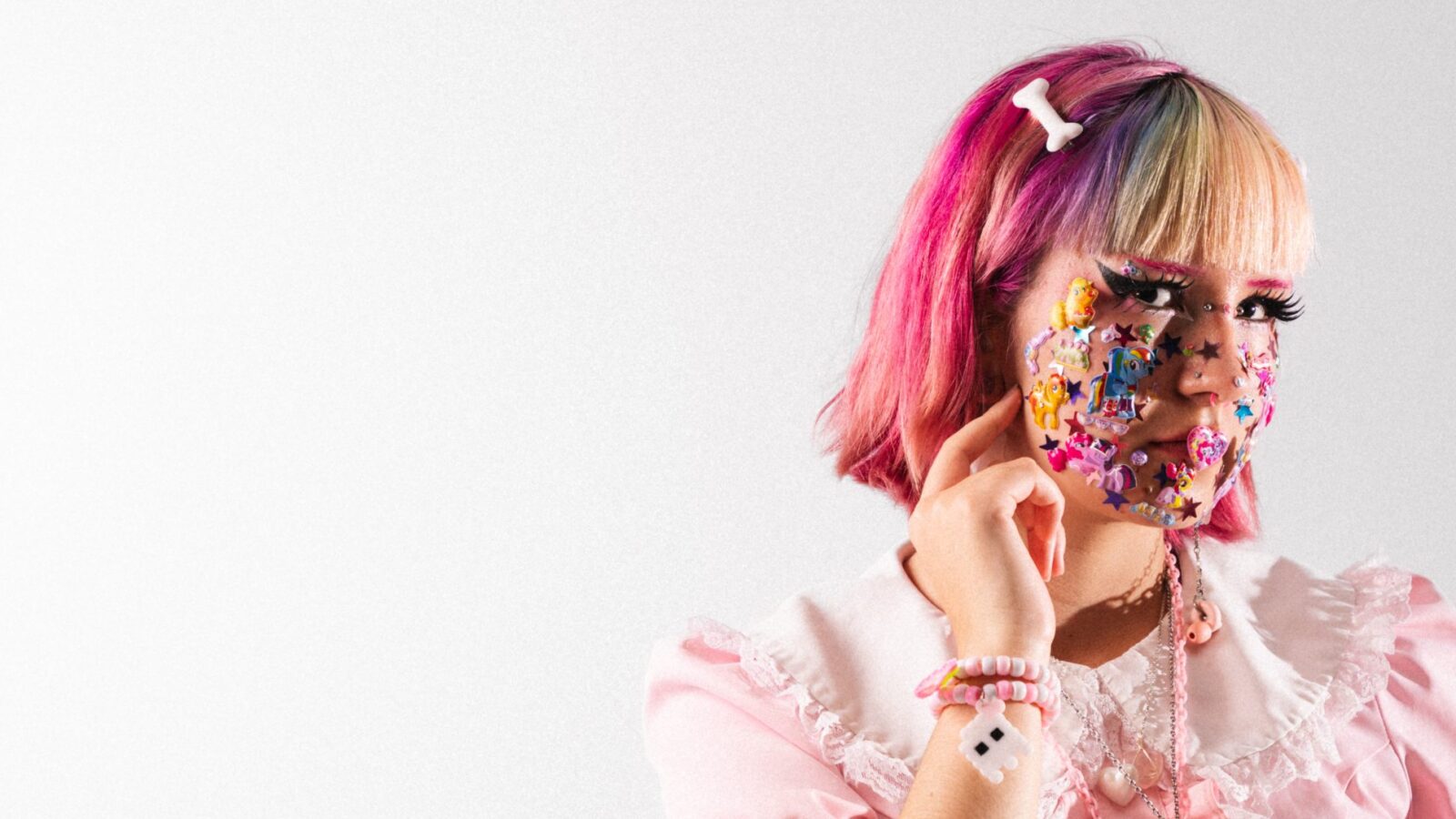
Fluid and androgynous looks often combine traditionally masculine and feminine pieces, along with make-up, colour, pattern and accessories. Think a tailored blazer over a lace top, a bold lip with a crisp shirt, or statement earrings with a buzzcut. In a headshot, choose one or two of these contrasts rather than six. Too many ideas in one frame and the eye does not know where to land.
Build the outfit around one anchor piece
A designer’s non-binary clothing page suggests building a look around one anchor piece, such as a tailored jacket, a relaxed shirt or a statement layer, then balancing it with contrast between tailored and oversized shapes. It also points to shoulder line, length and drape as the details that make clothes sit well. That works nicely for portraits: pick the jacket or shirt you feel best in and let everything else support it.
| Presentation | Anchor piece idea | Keep it simple with | Good for |
|---|---|---|---|
| Concealing or soft outline | Oversized blazer or chunky knit | Plain neckline, minimal jewellery | Profile photos, team pages |
| Neutral | Well-fitting shirt in a strong colour | Natural hair, light make-up or none | LinkedIn, speaker bios |
| Fluid or androgynous | Tailored jacket with an unexpected top | One bold accessory or lip colour | Creative portfolios, press kits |
| Playful and expressive | Pattern, colour or sculptural layer | A calm, plain backdrop | Artists, performers, campaigns |
Comfort counts as much as style
A Welsh LGBTQ+ style guide encourages choosing fabrics and accessories around your sensory needs and preferences, such as softer collars and fastenings or comfortable textures, and stresses that clothing choices do not invalidate anyone’s identity. If a collar itches, you will see it in your face. Wear the outfit around the house for an hour before the shoot.

Bring two or three options anyway. The one you were sure about at home sometimes feels wrong under lights, and the backup becomes the favourite.
Poses, expressions and camera angles that work
A headshot is small. A few simple choices do most of the work.
Camera height. A slightly below eye-level angle can empower the subject and add a sense of pride, according to photographer Ron Timehin, speaking about shooting a LGBTQ+ community leader. You do not need to go dramatic. Ask your photographer to try a few heights and look at the back of the camera together.
Body angle. Turn your shoulders slightly away from the lens and bring your face back to it. It gives depth and tends to flatter most frames without forcing a particular silhouette. If you would rather face the camera square on, that is a completely good option and often the strongest one.
Expression. Ask for three different moods in the same outfit: a soft closed-mouth look, a real smile and a more serious one. Different platforms want different things, and you will be glad of the choice. A trick we like: think of the person you are about to meet on a call, someone you like, and look at them.
Hands and movement. If you feel stiff, move. Adjust a cuff, walk towards the camera, laugh at something said off-camera. Stillness can come later. Many people relax in the second half of a session, so do not judge the first ten minutes.
Agree what is off the table. If you do not like a particular side of your face, a certain pose, or having your jaw or chest emphasised, say it in advance. A good photographer treats that as a creative brief, not a problem.
Lighting, backgrounds and props
The same photographer’s advice on setup is refreshingly modest: a simple setup rather than elaborate set design can complement the subject’s features and help them feel comfortable. Here is how that plays out.
- Window light. Soft daylight from the side is flattering and calm. It suits warm, approachable portraits and is easy to find in a London flat or studio.
- Plain backdrops. Off-white, warm grey, deep green or navy keep the focus on you and work across LinkedIn, websites and press kits. Pick a colour that is not already in your outfit.
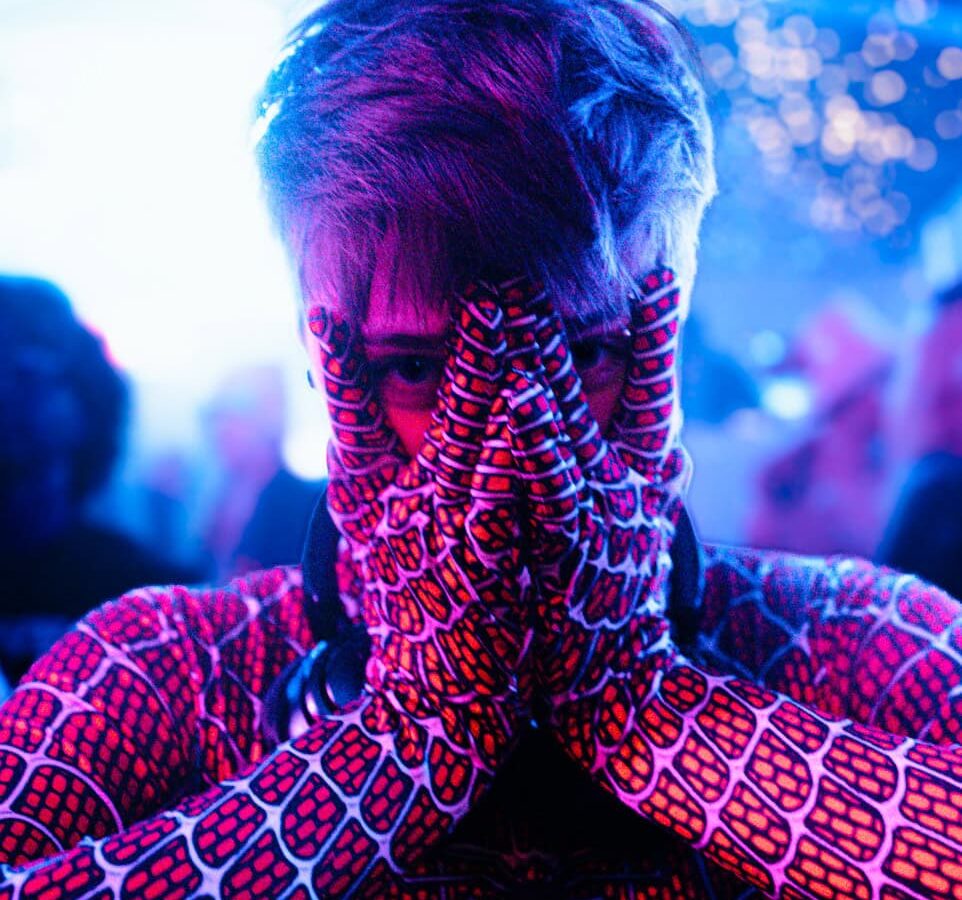
- Colour gels and hard light. For artists, performers and creatives, a splash of coloured light or a crisp shadow can add personality. Do it as a second set of frames, after you have a safe, clean option.
- Your own space. Many people feel most themselves at home, in a studio or workplace. A bookshelf, a plant, your instrument, a rail of clothes: props that actually belong to you say more than anything hired in.
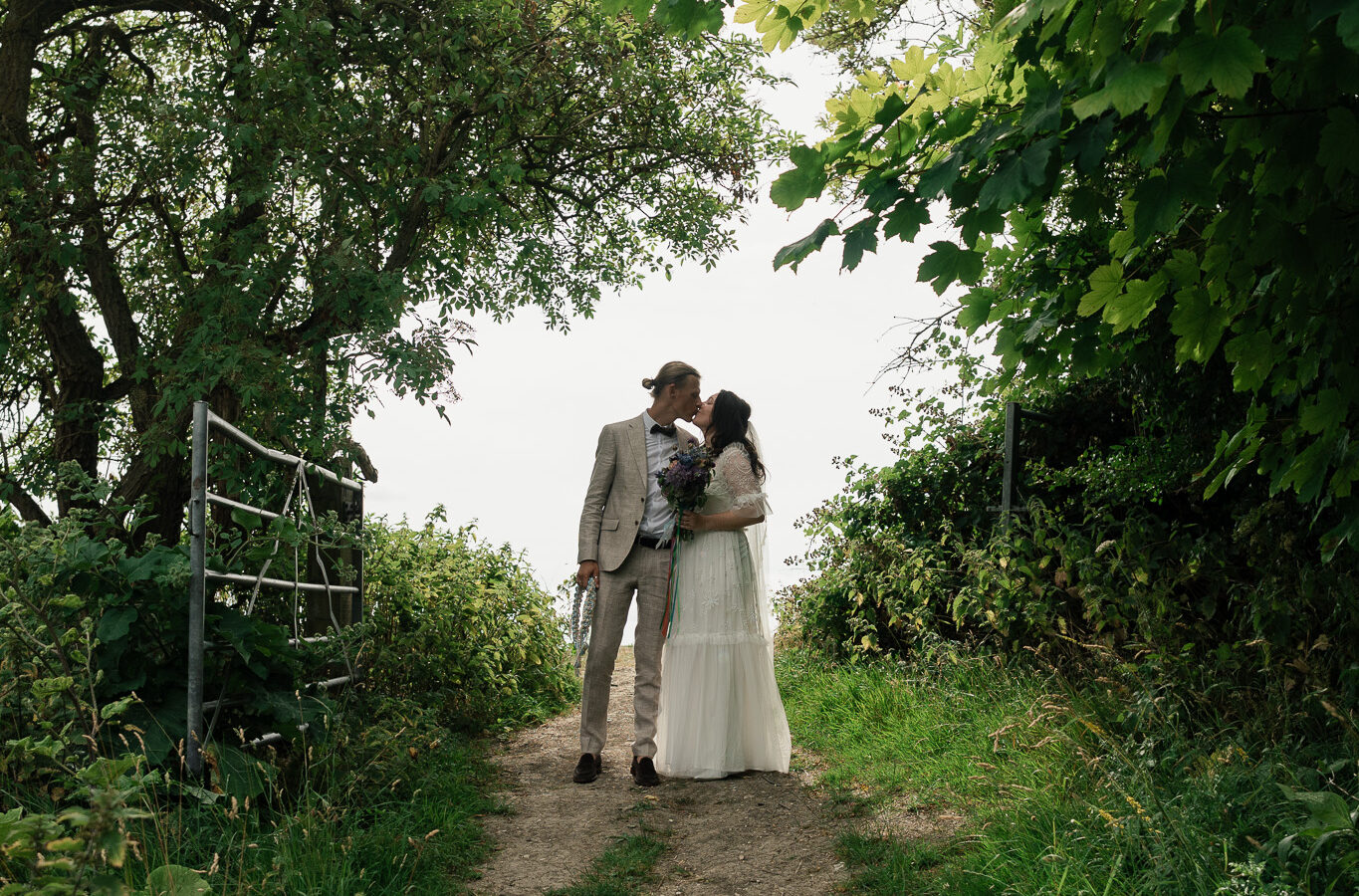
- Outdoors. A quiet street, a park or a rooftop gives a looser, more editorial feel. Check the weather and bring a backup indoor location.
Fewer props is nearly always better. If an object does not tell the viewer something true about you, leave it out.
Adapting your headshot to where it will be used
Professional profiles
For LinkedIn, a company page or a speaker profile, use a plain background, a tight crop and an expression that matches your field. If your employer is arranging team photos, it is worth knowing that you can ask for a photographer who understands this. Our LGBTQ corporate headshots in London are shot with the same attention to names, pronouns and comfort as any personal portrait.
Creative portfolios and artist pages
Here you can be bolder. A portfolio headshot is part of your work, so colour, texture and styling can carry your style. If you are a musician, dancer or performer, you can also explore our music artist photography. Consider a small set: one clean portrait, one expressive one, one in your working environment.
Coaches, therapists and independent practitioners
Clients often choose a practitioner partly from their photo, so warmth and approachability matter. A queer therapist and coach portrait can show who you are without oversharing, with a calm background and a relaxed, open expression.
Campaigns and brand work
If you are a brand commissioning portraits of non-binary people, the way you work matters as much as the final images. Pride in London’s 2023 “Never March Alone” campaign used specially commissioned portraits shot by trans, non-binary and queer photographers, showing trans and non-binary people alongside allies. A government guide from Australia also recommends showing people of varied ages, looks and roles in everyday settings, involving trans and gender-diverse people in the campaign team, and avoiding stereotypes. In practice: cast widely, pay people properly, and let the people in the photos have a say in how they appear.
Planning a session where your preferences are respected
A photographer can have great taste and still make you feel unsafe if the process is careless. Good planning is how you prevent that.
Before you book
Ask how the photographer works. Texas Isaiah, the first trans photographer to shoot a Vogue cover, has said a photographer should not be the only one driving a session. The subject should be an active participant, to avoid repeating the harm photography has done to underserved groups. You can test this at the enquiry stage. Do they ask how you want to be described? Do they invite your references? Do they explain what happens to the files?
Tell them upfront:
- The name you use and your pronouns, and whether any of these differ from your legal name on an invoice.
- Anything you do not want photographed or retouched.
- Whether you want a chaperone, a friend or a quiet set.
- Where the images will be published.
Consent and usage
In the UK, guidance for organisations notes that under GDPR, informed consent for using images of people must be freely given, documented and include clear information on how and where the images will be used. The same guidance says people can withdraw consent for further use. If you are a private client, the practical version is: get usage in writing, and ask what happens if you change your mind later. We explain how copyright, RAW files and data protection work in our UK guide to asking before you book.
Privacy and safety
Not everyone is out in every part of their life. The Trans Journalists Association’s guidance advises photographers to get clear, informed consent, consider outing and safety risks, avoid assuming anyone’s gender without confirmation, and not conflate drag performers or gender-nonconforming people with trans people. Though written for journalists, it is a useful checklist for any shoot. If a photo will appear somewhere your family, colleagues or landlord might see it, tell your photographer so you can agree what is published and where.

The UK press regulator’s guidance likewise asks editors to consider whether a person has a reasonable expectation of privacy and whether publication would intrude into their gender identity. You can use the same questions as your own test before you say yes to a use.
On the day
- Arrive with your outfits steamed or ironed and your references on your phone.
- Ask to see frames as you go.
- Say “pause” whenever you need one. A good session has room for it.
- Agree at the end which images you love, which you would rather never see again, and which can be used publicly.
How we can help
We are Queer.Photo, a London agency that matches you with a vetted queer photographer for portraits, branding, events, weddings and video. A real person, not an algorithm, reads your brief and suggests the right specialist, often within 24 hours. Every shoot respects pronouns and personal boundaries, photographers are credited, and the images are original, never stock or AI generated.
If you want a headshot or portrait, start with our non-binary portrait shoot in London, or see our Personal brand package, from £200 for profile and website images. You can also browse our queer photographers in London to see who might suit you.
FAQ
What should I wear for a non-binary headshot?
Wear what makes you feel most like yourself, not what you think looks “non-binary”. A good method is to choose one anchor piece, such as a jacket, shirt or knit, and keep the rest simple. Bring a second outfit in case the first feels wrong on the day.
Do I have to look androgynous in a non-binary headshot?
No. Non-binary people present in many ways, and no single look is required. A headshot should show you as you want to be seen, whether that is soft, sharp, glamorous, plain or somewhere between.
How do I tell a photographer my pronouns and boundaries?
Put them in your first message, then repeat them in a short pre-shoot call or email. Include your name, pronouns, anything you do not want photographed or retouched, and where the pictures will be used. A photographer who is used to this will simply say thank you and note it down.
Can I use the same headshot for LinkedIn and my creative portfolio?
You can, but two images often work better. A clean, plain-background portrait suits professional profiles, while a more expressive frame suits a portfolio or press page. Ask your photographer to shoot both in one session so you get consistency without compromise.
How do I find a photographer who understands non-binary clients?
Look for someone who asks about you before talking about themselves, explains how they handle consent and file usage, and has experience with queer clients. At Queer.Photo, we vet every photographer and match you personally, so you do not have to screen strangers alone.
Sources
- Drag Race UK’s Bimini on authenticity, GQ
- Texas Isaiah, Vogue
- Non-binary outfits and androgynous style ideas, The Rainbow Stores
- Non binary clothing, Olivia Black Studio
- G(end)er Swap’s style guide
- Ron Timehin on photographing Lady Phyll, Creative Bloq
- Brands as allies for the LGBTQ+ community, TMW
- Better practice guide for including trans and gender diverse talent in campaigns, Victorian Government
- Putting the people in the pictures first, Bond
- How to photograph trans sources without putting them at risk, Trans Journalists Association
- Sex and gender identity guidance, IPSO


